



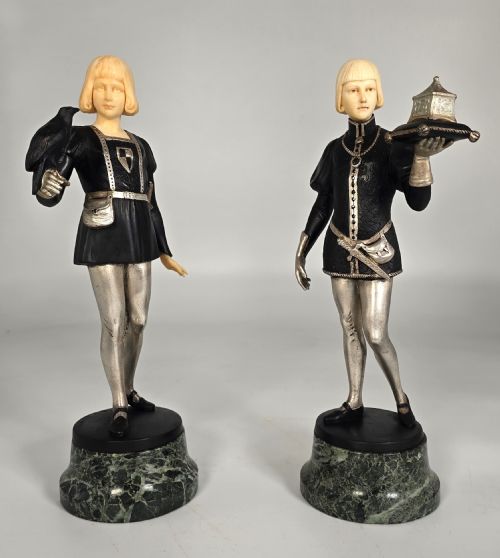


Green Marble Base Sculpture
A green marble base sculpture pairs a metal or stone figure with a distinctive mineral plinth, bringing solid weight and classical or modern design to a room.
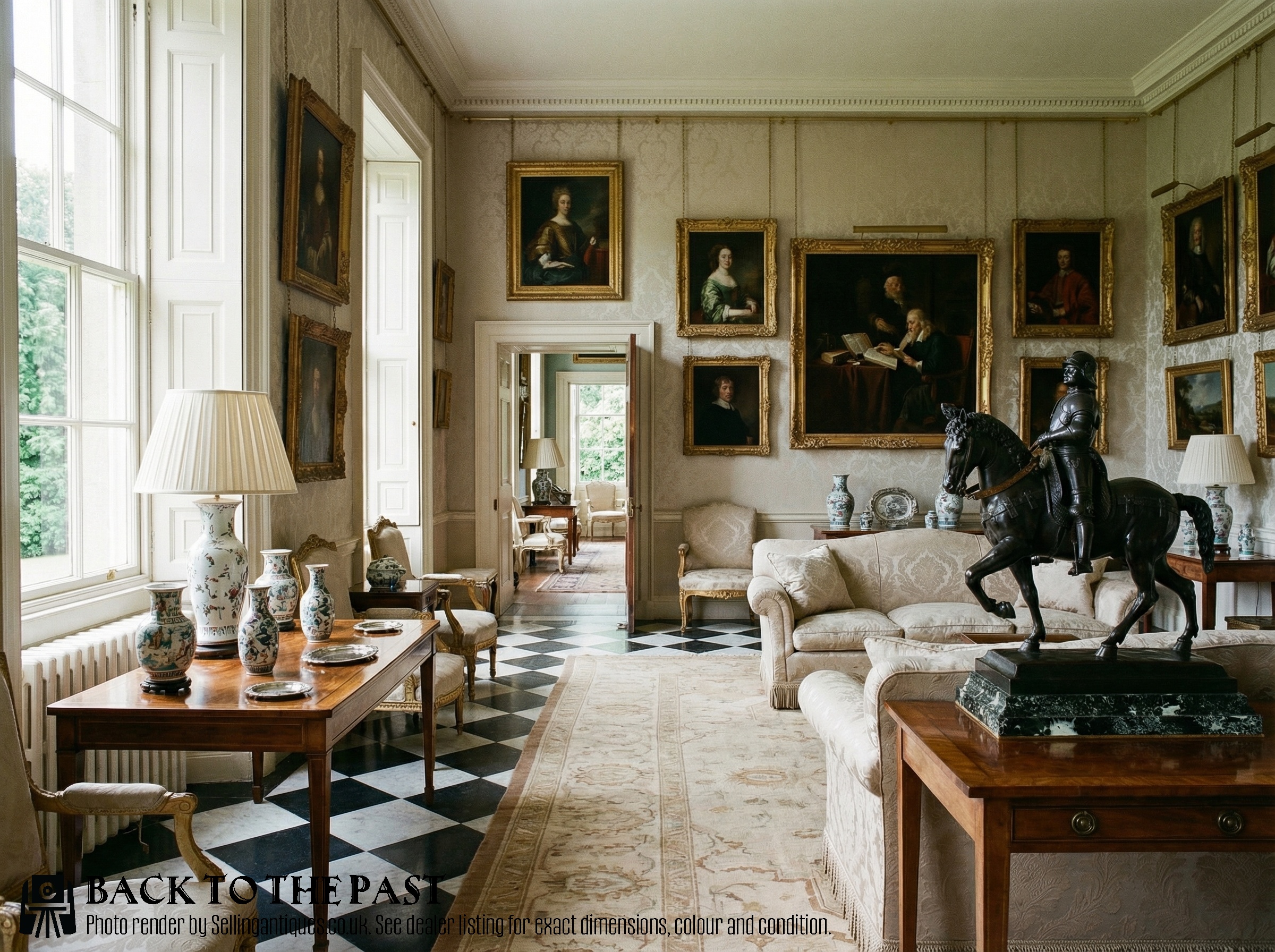
Green Marble Base Sculpture
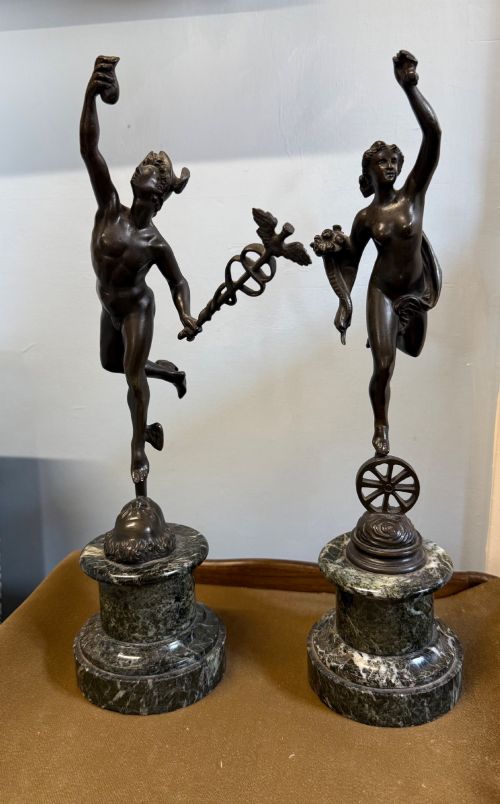
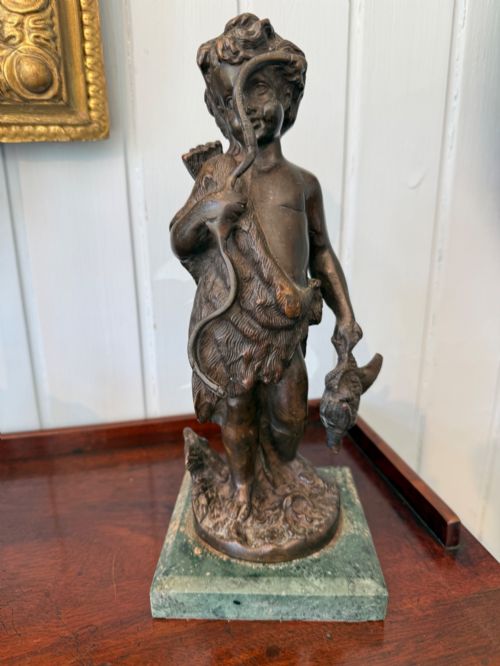
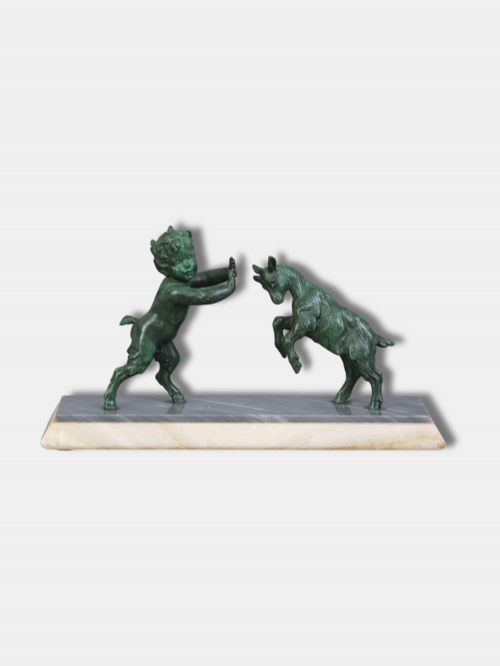
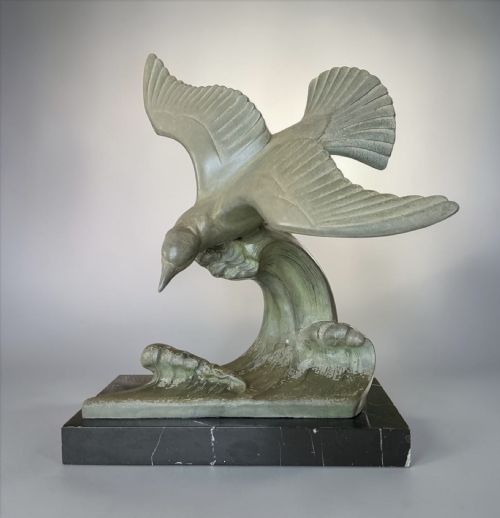
When you search for a green marble base sculpture, you encounter figural works spanning the nineteenth century through the Art Deco era of the nineteen-thirties. These pieces combine metal figures, animal studies, or busts with polished plinths of green marble, onyx, or black marble. The figures themselves range from classical deities and historical figures to naturalistic animals, birds, and dancers.
The most common examples on this page are French and Austrian works in bronze, spelter, or cold-painted bronze secured to heavy stone mounts. You will find small desk studies alongside large exhibition pieces, often reflecting Neoclassical, Art Nouveau, or modernist aesthetics. The stone base acts as an architectural anchor, grounding the dynamic movement of the metal sculpture above.
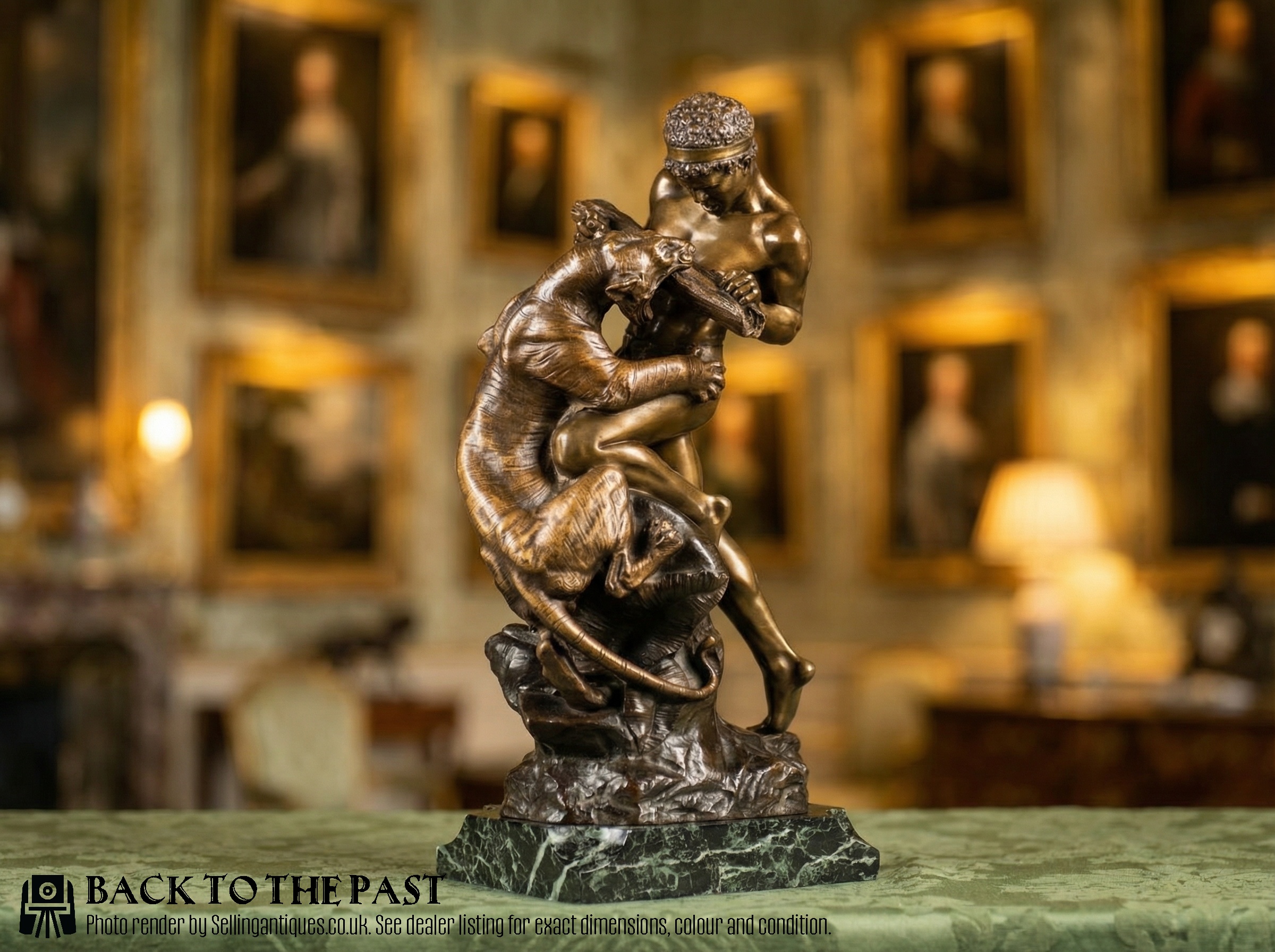
Materials and Construction
Makers cast the figures using the lost-wax technique or sand casting in metals such as bronze, silvered bronze, gilded bronze, or spelter. Cold-painting and patination were frequently applied to metal surfaces to create realistic plumage, clothing, or skin tones. Figures were then pinned or screwed directly into drilled holes within the stone plinths.
The bases utilise natural stones including green marble, Vert de Mer, onyx, and black marble, cut and polished to rectangular, stepped, or column forms. The density of the marble provided necessary stability for cantilevered or top-heavy compositions, ensuring the sculpture remained upright and balanced.
Green Marble Base Sculpture Retail Price Guide 2026
Typical asking prices for green marble base sculpture among the pieces listed under this phrase on Sellingantiques today, from the lower quarter to the upper quarter. They describe what is for sale here now, not the wider market.
Object types recorded include animalier studies, classical figures, dancers, busts, and architectural pedestals.
Distinctions in Quality
The selection of the stone itself dictates the tier of the object. Richly figured green marbles with complex veining and mirror-polish finishes indicate a higher grade of production than plain or dull stone slabs. Heavier, well-balanced plinths demonstrate that the maker invested as much care in the architectural housing as in the bronze subject above.
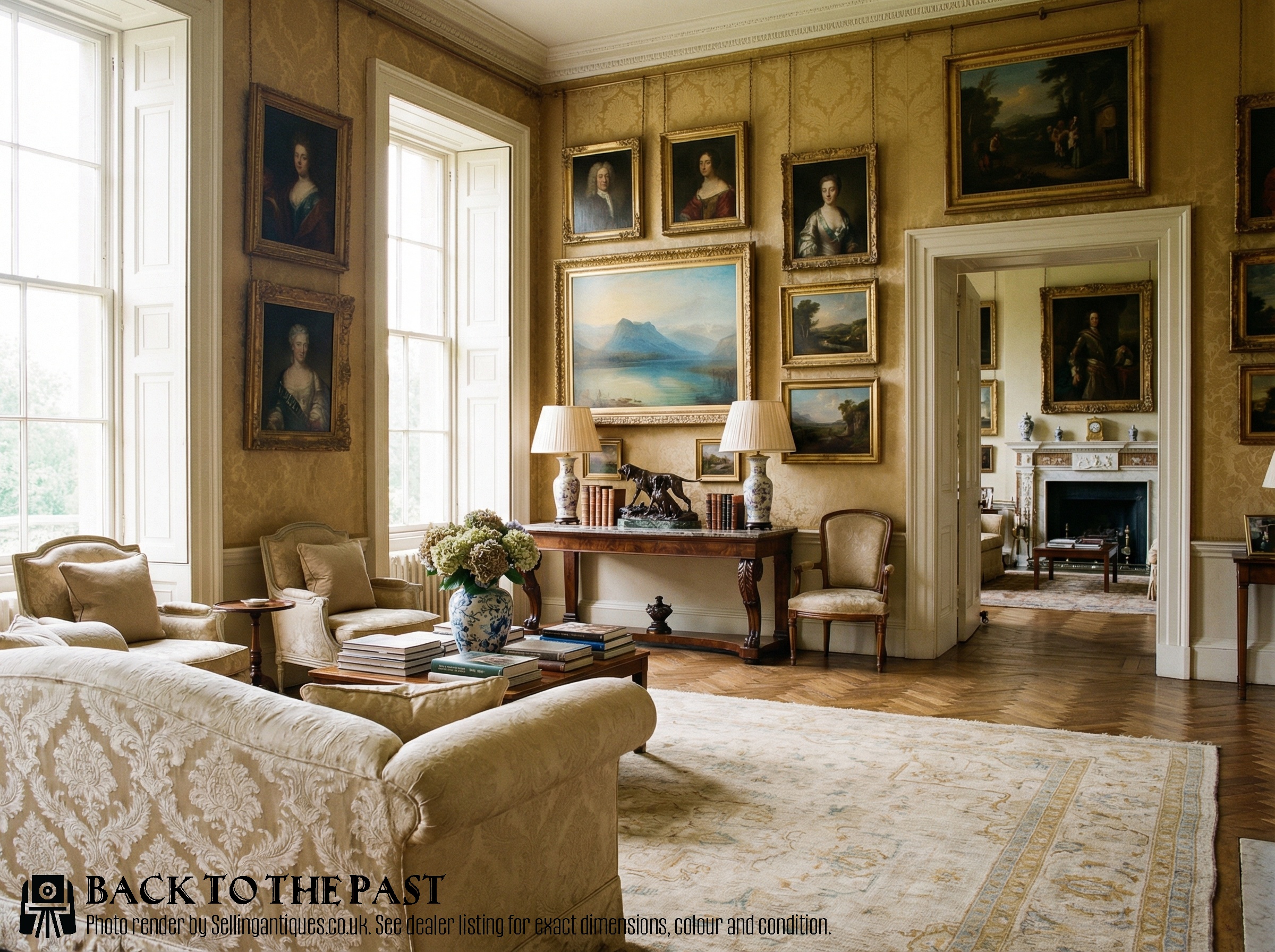
Emile Carlier·E. Drouot·Delabrierre·Gotthilf Jaeger·P. Sega·Paul Edouard Delabrierre·C Masson·Josef Lorenzl·Franz Bergman·P. Marec
The Green Marble Base Sculpture Glossary
- Spelter
- An alloy of zinc and lead or copper used as an economical substitute for bronze. It was widely utilised in nineteenth-century French manufacturing for decorative figures and usually given a bronze-like patination.
- Cold-painted bronze
- A method where polychrome paint is applied to a bronze casting without heat firing. This technique was favoured by Viennese workshops for bird and human figures.
- Grand Tour
- A nineteenth-century tradition where travellers collected classical antiquities and bronze reductions in Italy. These souvenirs replicated ancient Roman and Greek sculptures.
- Patina
- The surface sheen or colour developed on metal over time through oxidation and handling. Makers also applied chemical patinas intentionally to achieve dark brown, green, or black finishes.
- Vert de Mer
- A rich dark green decorative marble featuring white calcite veining. It was frequently used by French marble masons for decorative architectural columns and sculpture bases.
Green Marble Base Sculpture: Frequently Asked Questions
What metals are used in these sculptures?
Makers predominantly used bronze and spelter for the figural elements mounted on these stone bases. Silvered bronze, gilded bronze, and cold-painted finishes also appear frequently across the period.
Bronze offers durability and fine casting detail, whereas spelter provides a lighter, more affordable alternative that mimics bronze through applied patination.
How do I clean the marble base?
Dust the marble gently with a dry, soft microfibre cloth to prevent scratching the polished surface. Avoid using household chemical cleaners, acidic solutions, or excess water, which can penetrate unsealed stone and damage internal fixings.
If the marble requires deeper cleaning, a damp cloth with a mild neutral soap can be used sparingly, followed immediately by thorough drying.
What periods do these pieces come from?
The pieces span the nineteenth century up to the Art Deco period of the nineteen-thirties. Earlier examples often reflect Grand Tour classical tastes or nineteenth-century French animalier traditions.
Later works from the nineteen-twenties and nineteen-thirties embrace streamlined Art Deco aesthetics, modernist dancer studies, and stylised animal figures.
Are the figures detachable from the marble?
Most figures are secured to the marble base using threaded rods, nuts, or pins that pass through the stone from underneath. While they can technically be separated, dismantling them risks damaging the metal threads or chipping the stone.
It is best to leave the sculpture fixed firmly to its original plinth to preserve structural integrity.