





Classical Female Bust
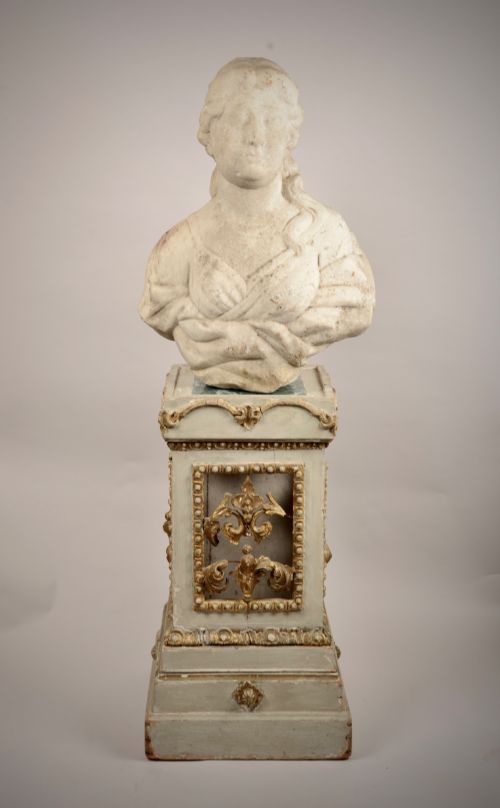
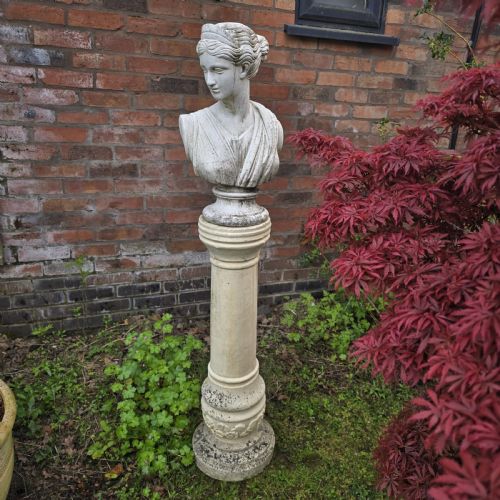
A classical female bust brings the poise of antiquity into a room, sculpted in marble, bronze or alabaster to capture enduring grace.
Classical Female Bust
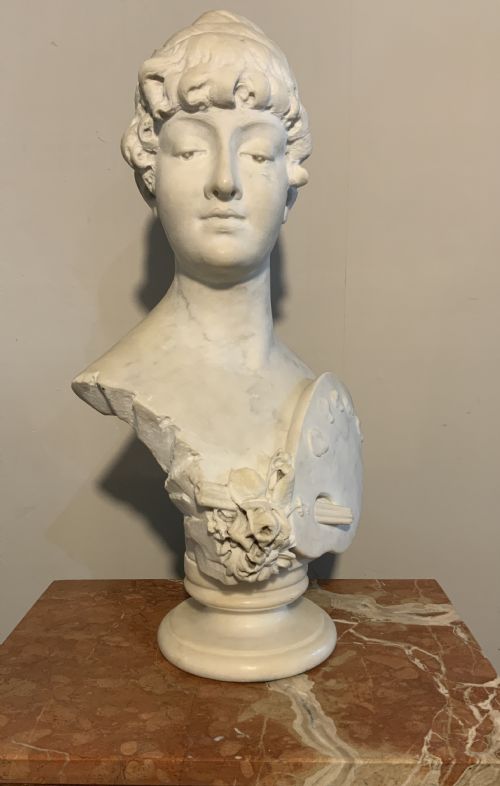
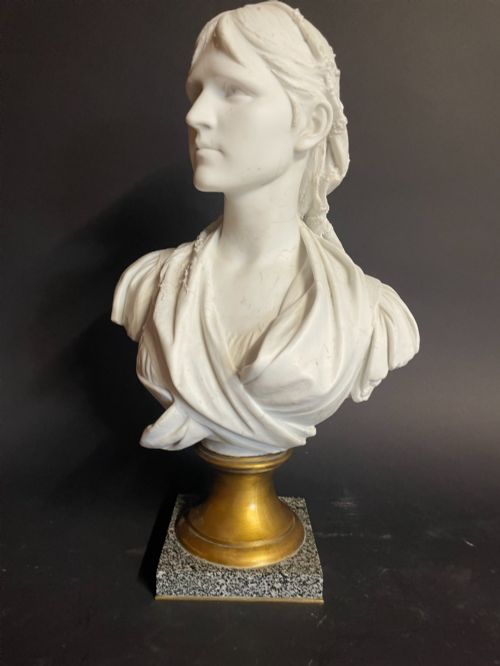
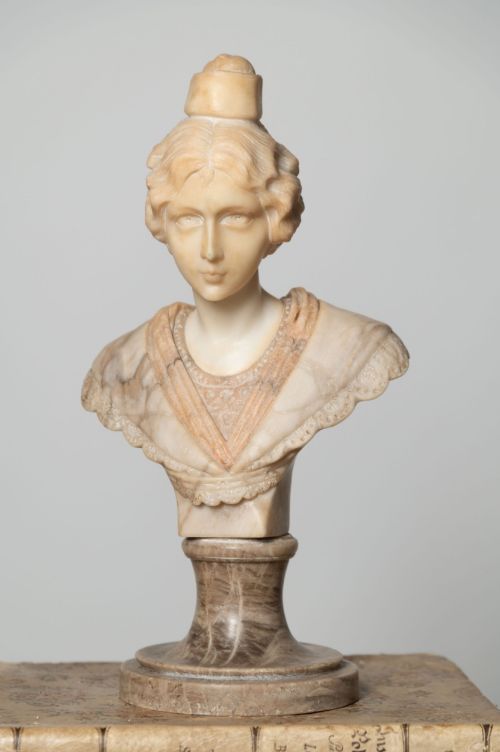
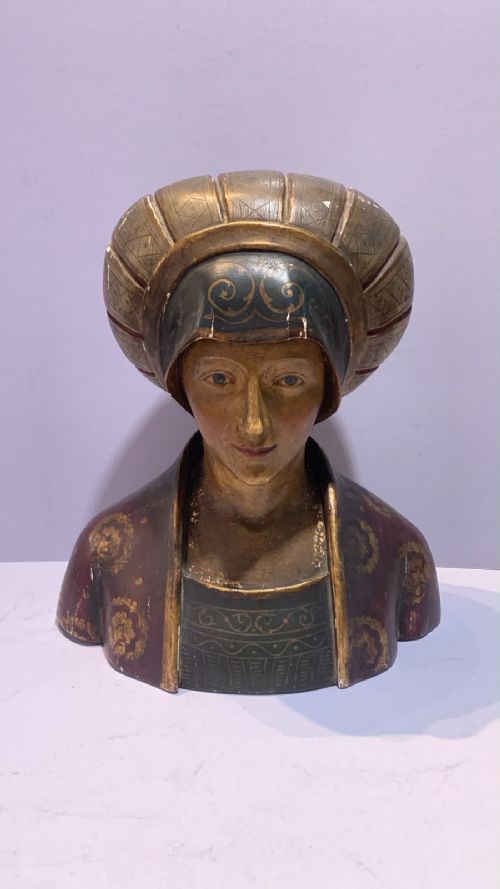
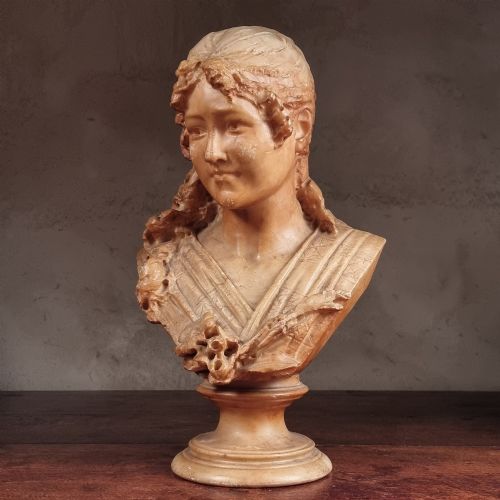
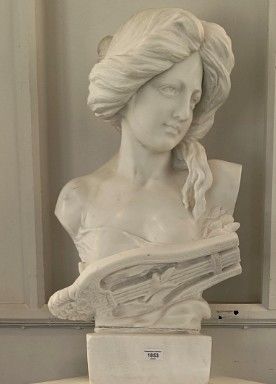
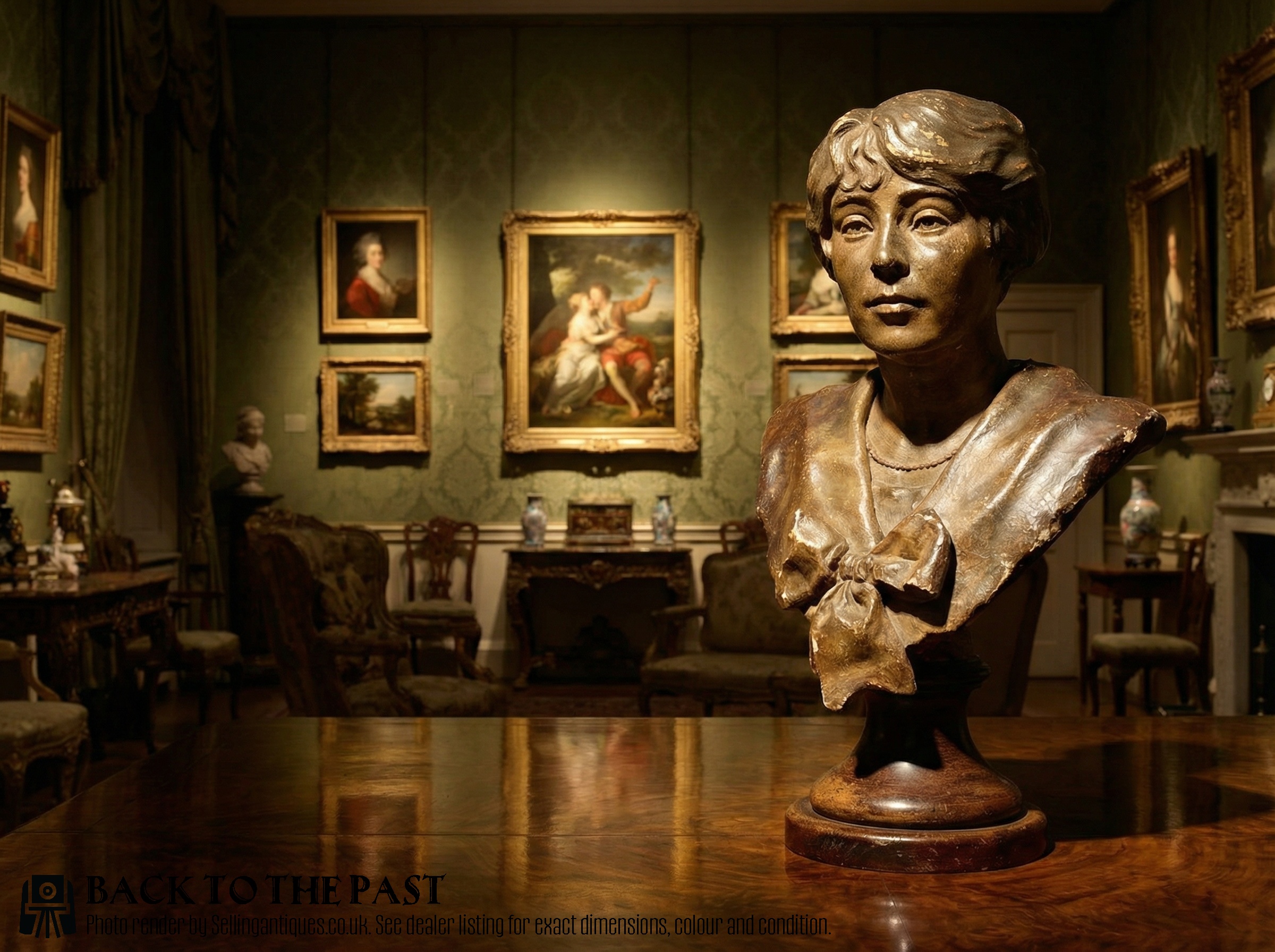
A classical female bust captures the likeness of mythological figures, noblewomen and allegorical subjects in three dimensions. You will find these pieces rendered chiefly in marble, bronze, alabaster and terracotta, spanning the seventeenth century through to the early twentieth century.
The nineteenth century dominates this selection, offering Neoclassical interpretations, Grand Tour souvenirs and French sculptural works. Figures range from mythological muses and literary heroines to anonymous local maidens carved in the antique manner.
Makers and foundries of the period produced works that vary from cabinet-sized portrait pieces to monumental garden statuary. These sculptures draw heavily upon ancient Greek and Roman models, reinterpreted through Victorian and continental sensibilities.
How They Were Made
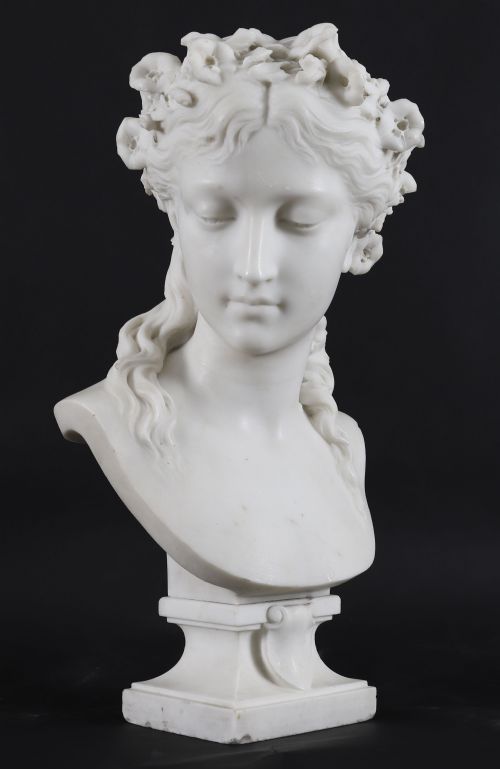
Carvers shaped white Carrara and mixed marbles by hand, using chisels and rasps to achieve the subtle drape of fabric and smooth fall of hair. Alabaster offered a softer medium, allowing artisans to exploit its translucent qualities for luminous skin tones.
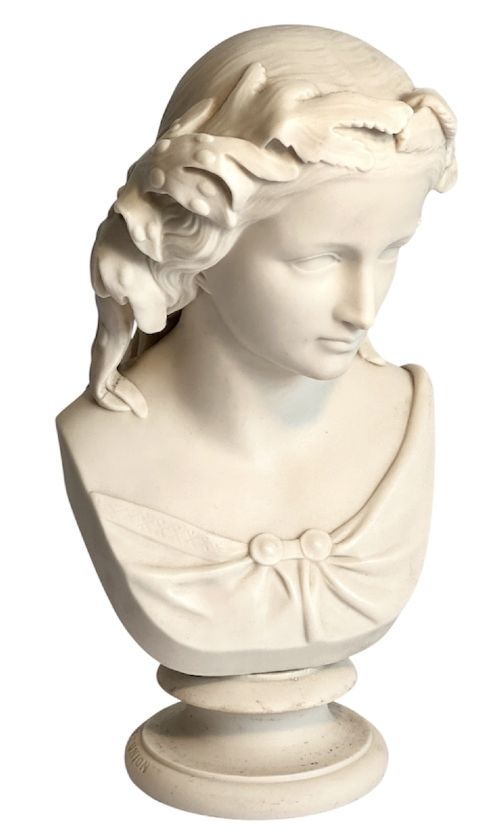
Bronzes and terracotta pieces utilised casting techniques such as the lost-wax method, often finished with a dark patination or gilding. Porcelain and parian figures were slip-cast in moulds before undergoing high-temperature kiln firing.
Classical Female Bust Retail Price Guide 2026
Typical asking prices for classical female bust among the pieces listed under this phrase on Sellingantiques today, from the lower quarter to the upper quarter. They describe what is for sale here now, not the wider market.
Listings feature materials spanning Carrara marble, patinated bronze, alabaster, terracotta, cast iron and parian porcelain.
What Varies in Quality
The fidelity of the carving defines the upper tier, where delicate facial expressions and the crisp undercut of drapery show the hand of a skilled sculptor. Inferior examples rely on mechanical pantograph copying without the final touch of an artist's chisel.
Material selection dictates much of the stature, with flawless statuary marble commanding greater appreciation than veined stone containing natural inclusions. Cast bronzes depend on the sharpness of the chase work after removal from the mould.

Eugene Aizelin·Emmanuel Villanis·Hans Müller·Georges-Charles Coudray·Achille Mollica·Copeland
The Classical Female Bust Glossary
- Carrara marble
- A fine-grained white marble quarried in Tuscany, prized by sculptors for its uniform texture and subtle translucency.
- Grand Tour
- A cultural journey undertaken by wealthy young Europeans in the eighteenth and nineteenth centuries, acquiring classical souvenirs.
- Parian ware
- A fine-grained, unglazed porcelain developed in Britain to imitate carved marble for portrait busts and statuettes.
- Herm
- A sculpted bust atop a tapering pillar, historically used as boundary markers in ancient Greece.
- Patination
- The surface coloration or sheen developed on bronze and metal sculptures through age or chemical treatment.
Classical Female Bust: Frequently Asked Questions
Where should I display a marble bust?
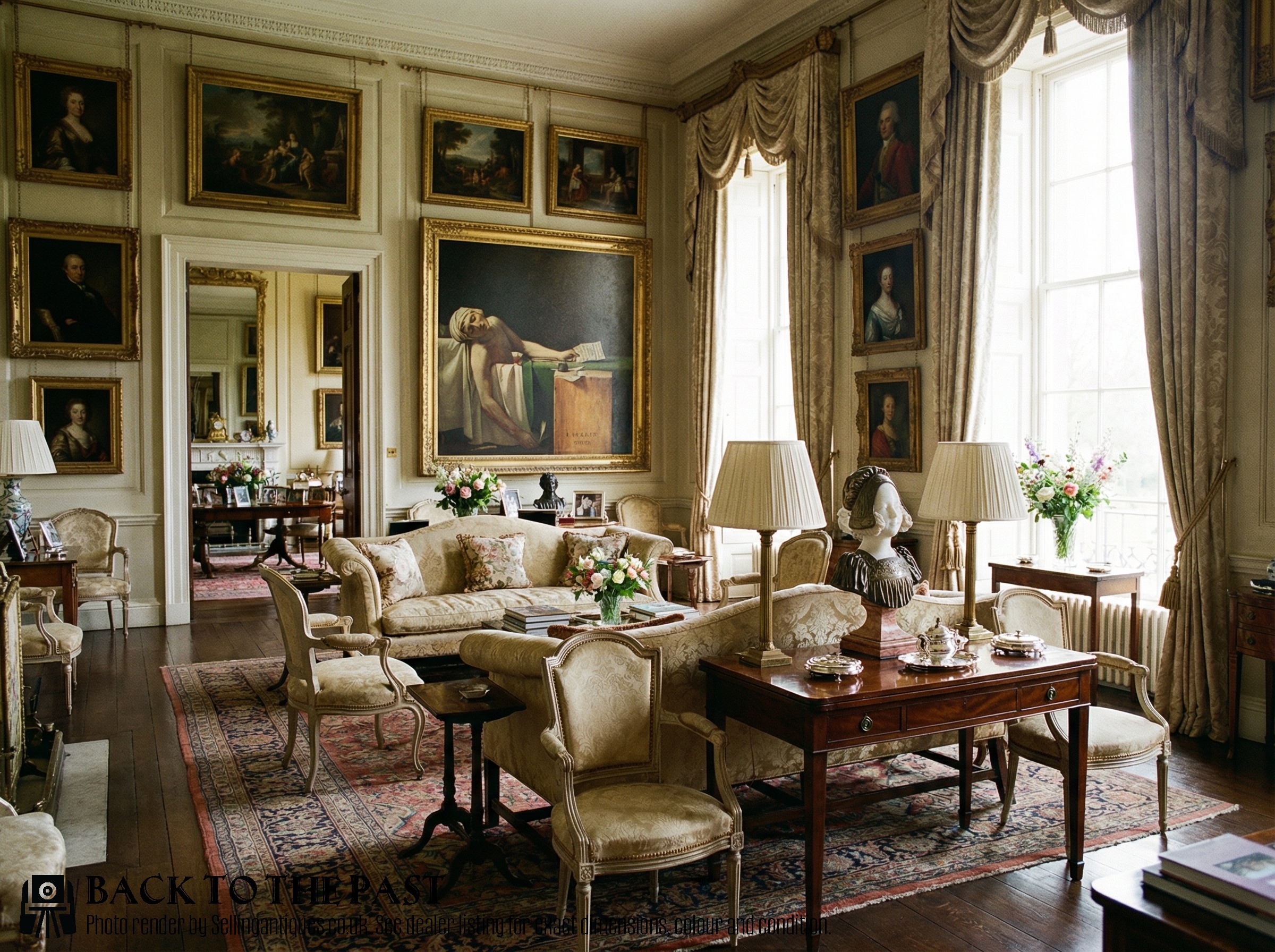
These sculptures sit well upon heavy wooden pedestals, console tables or sturdy mantelpieces where their weight is supported safely. Positioning them away from direct heat sources protects the stone and underlying materials.
Adequate lighting from the side emphasises the carved contours of the face and the folds of drapery. A secure surface prevents accidental tipping, particularly with taller alabaster or marble pieces.
How do I clean an antique alabaster bust?
Dust alabaster gently with a dry, soft microfibre cloth to remove surface particles without scratching the soft stone. Avoid using water or liquid cleaners, as moisture penetrates porous alabaster and causes permanent staining.
Professional conservators should handle any deep cleaning or repairs required for valuable nineteenth-century pieces. Harsh chemical agents strip the natural finish and damage the delicate surface layer.
What is the difference between terracotta and bronze?
Terracotta is a fired clay medium that offers a warm, matte earthy finish often treated with a surface patination. Bronze is a durable metal alloy cast from a mould, capable of holding sharper details and carrying a heavier weight.
Clay sculptures require careful handling due to their brittle nature compared to metal casts. Bronze pieces tolerate varying atmospheric conditions better than porous earthenware.
How can I tell a nineteenth-century copy from an older piece?
Examine the tooling marks and the weathering patterns on the stone to assess the age of the sculpture. Nineteenth-century works often reflect the revival styles of Neoclassicism or Art Nouveau specific to that era.
Foundry marks, artist signatures and census records help establish the provenance of signed bronze and terracotta editions. Unsigned Grand Tour pieces usually date to the Victorian period when classical tourism peaked.