
Italian Marble Sculpture
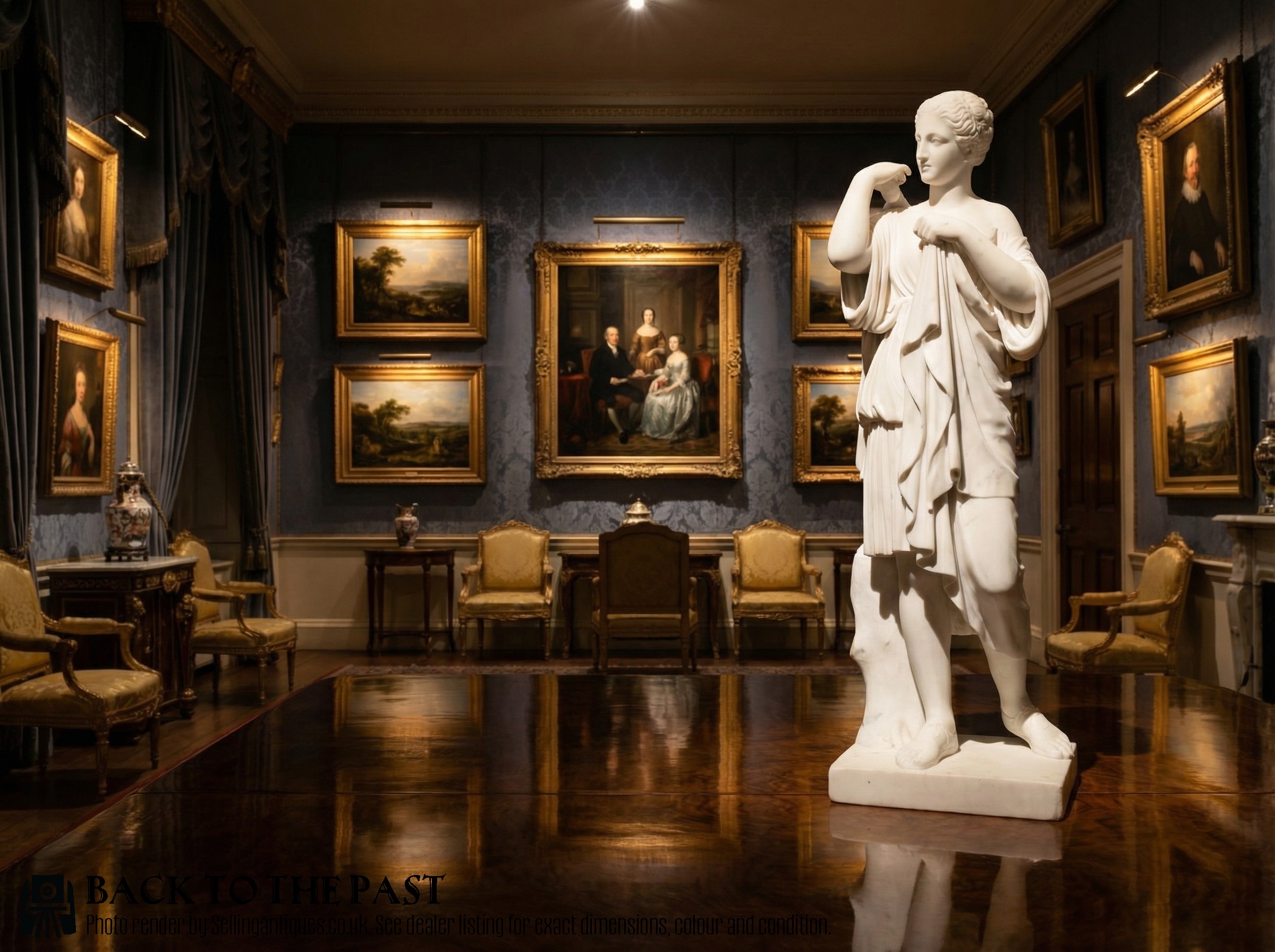
These Italian marble sculpture works bring neoclassical form and Grand Tour souvenir tradition into the home through carved stone.
Understanding Italian marble sculpture
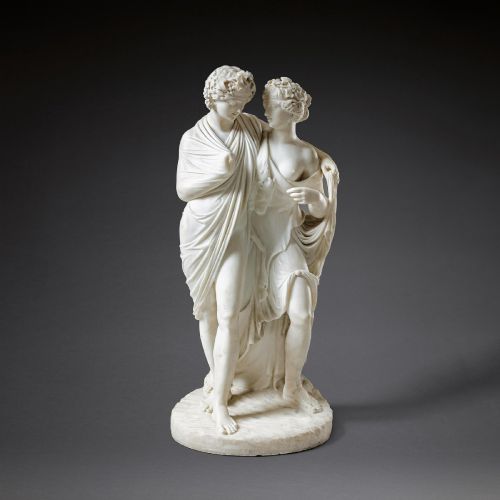
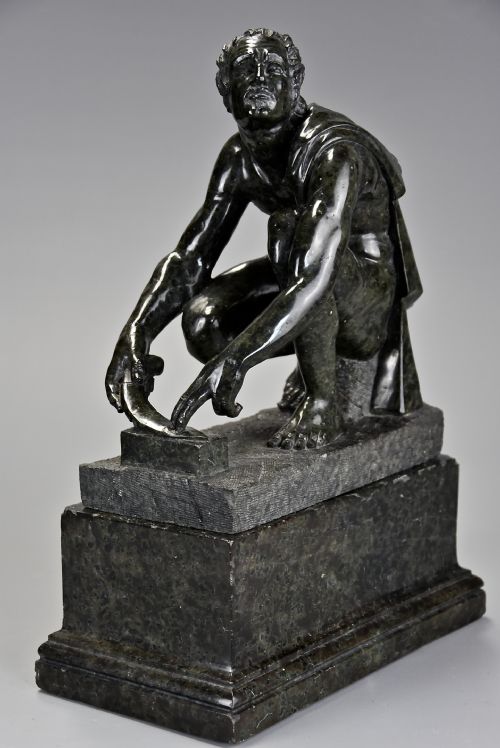
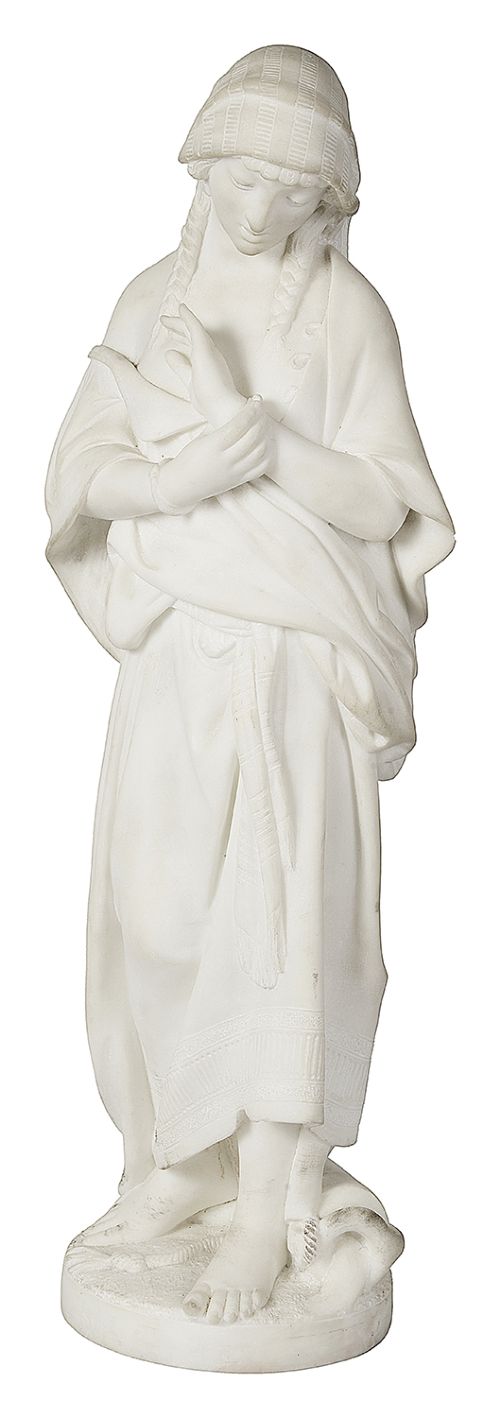
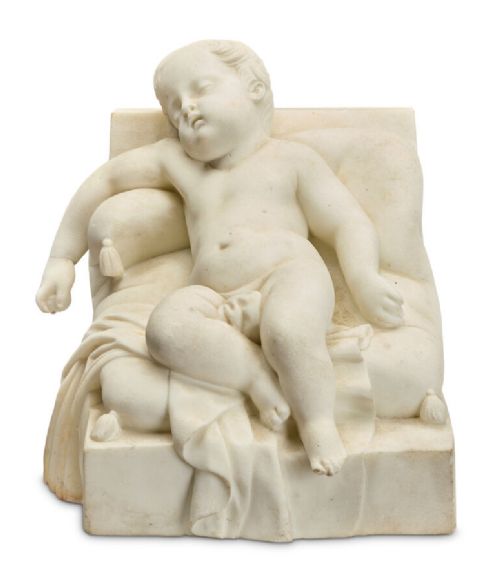
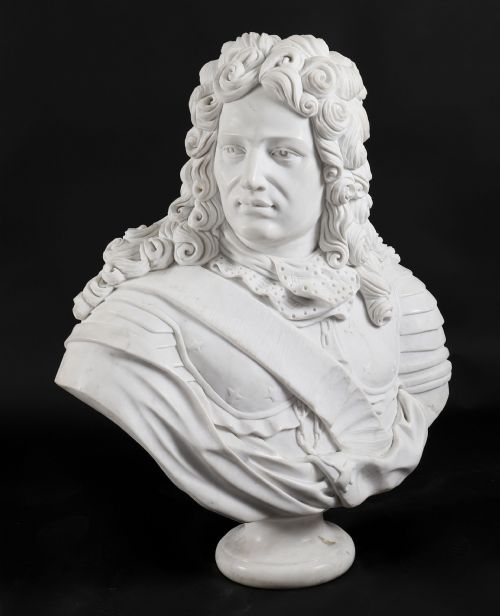
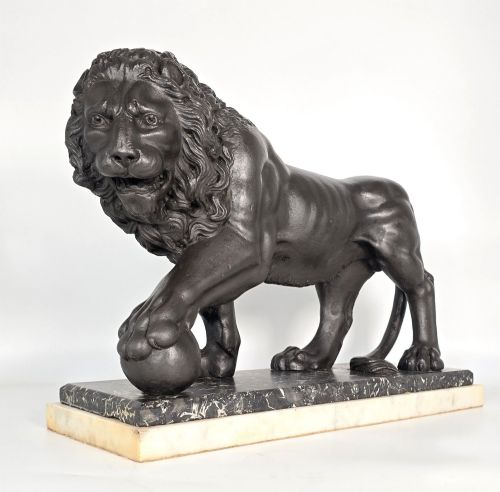
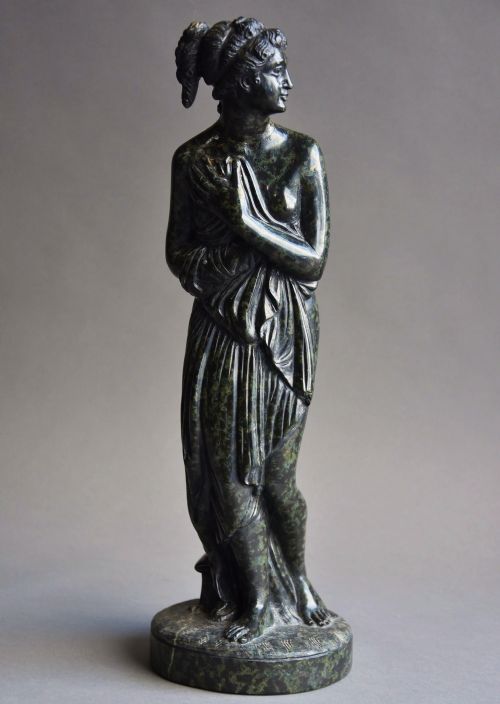
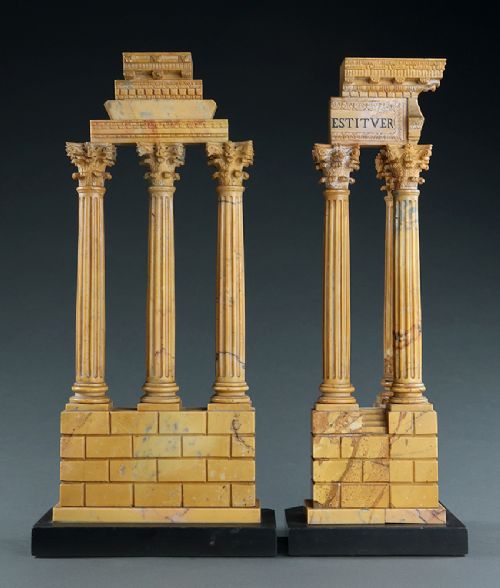
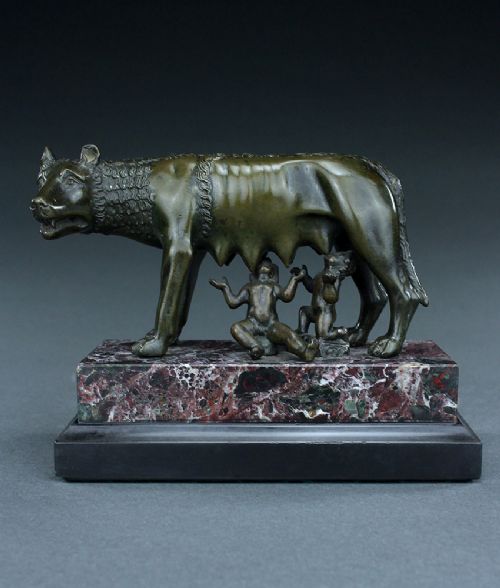
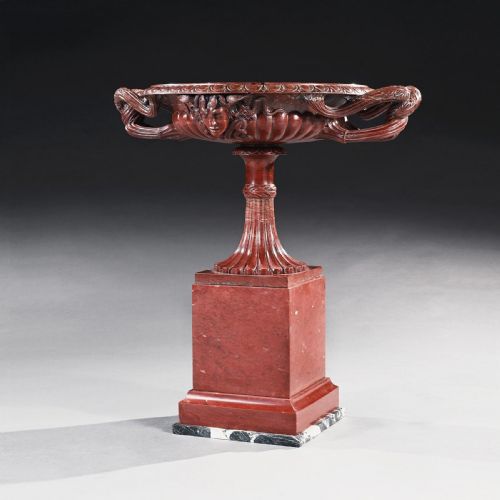
When you search for italian marble sculpture, you encounter carved works that capture classical antiquity, mythological figures, and nineteenth-century portraits. The selection ranges from Grand Tour reductions of ancient monuments to original figural subjects created in the 19th Century, 1890, and 1910.
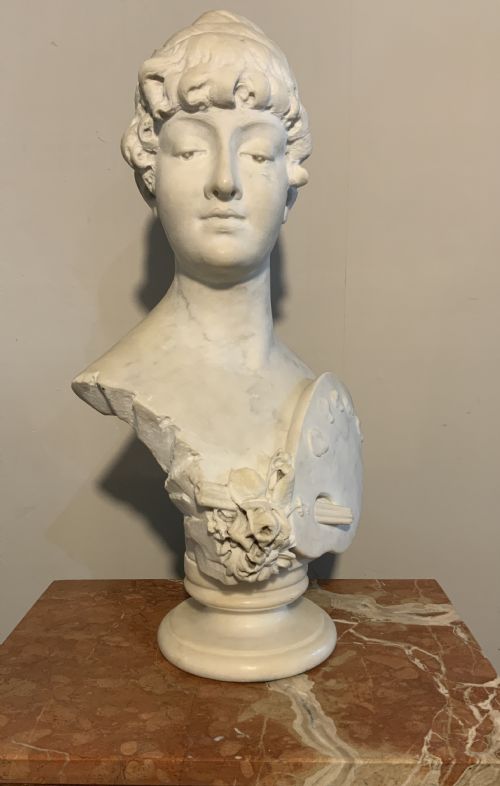
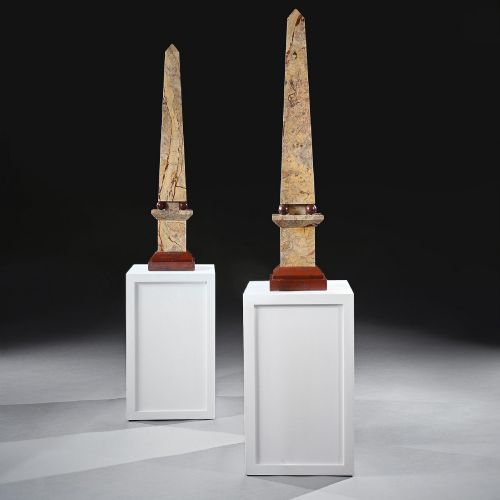
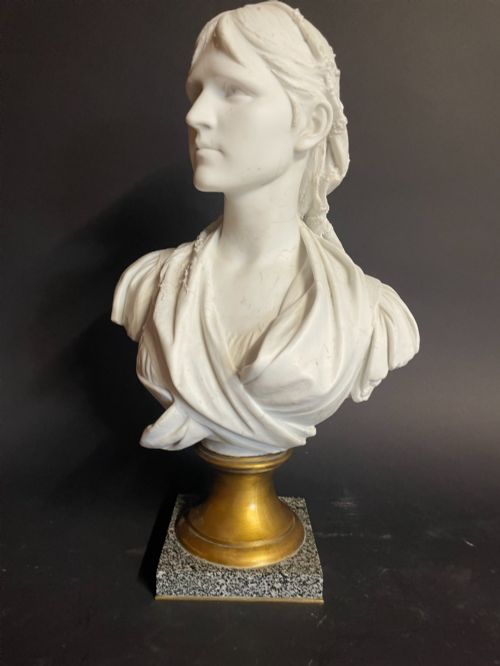
You are most likely to meet white marble busts of veiled ladies, classical deities such as Diana and Venus, and architectural obelisks. Many pieces combine carved stone with contrasting bases made from Vert de Mer or Portoro marble, and occasional elements of gilded bronze.
The offerings span multiple aesthetic movements, moving from Neoclassical and Grand Tour academic copies to Art Nouveau and Art Deco interpretations of the female form. Subjects include historical figures, literary references, and allegorical representations carved by named artists and skilled workshops alike.
Materials and carving techniques
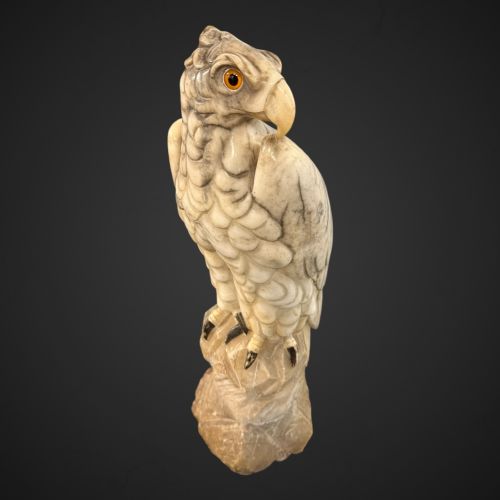
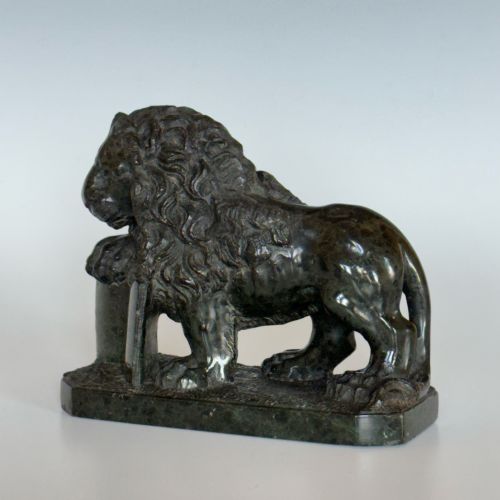
Artisans carved these sculptures from various geological media, predominantly utilising white Carrara marble, statuary marble, and serpentine stone. Secondary elements frequently incorporate dark decorative stones such as Vert de Mer and Portoro marble for plinths and bases.
Sculptors employed traditional chisel, rasp, and drill techniques to achieve detailed textures, drapery, and polished surfaces. Mixed media works integrate cast and gilded bronze components alongside the carved marble figures, mounted upon stepped or turned socle bases.
Retail Price Guide 2026
Typical UK retail prices for italian marble sculpture, calculated from the Sellingantiques database of over a million retail prices indexed since 2003. This retail price guide relies exclusively on Sellingantiques data; no external sources or auction records are used, so the figures do not describe the wider market.
Several ladies wear veils carved so thinly from solid marble that one almost expects a sudden breeze to blow them away.
Distinctions in execution and finish
The distinction between standard works and superior examples lies in the subtlety of the carving, particularly in the rendering of facial expressions, hair strands, and cascading fabric. Master carvers achieve convincing softness and translucency in stone, whereas lesser pieces retain a stiff, uniform surface texture.
Material selection and base construction also dictate the tier of a piece. Finer sculptures utilise flawless statuary or Carrara marble paired with richly figured contrasting marbles for the socle, while lesser examples may show minor natural fissures or simpler mounting.
Antonio Frilli·P. Della Vedova·GORY·Pugi·L.Morelli
The Italian Marble Sculpture Glossary
- Grand Tour
- A nineteenth-century travel tradition where wealthy collectors acquired souvenir reductions of classical antiquities in Italy. These miniature or scaled copies replicated famous Roman and Greek sculptures found in foreign museums.
- Carrara marble
- A type of white or blue-grey marble mined from the city of Carrara in Tuscany, Italy. It is prized by sculptors for its fine, uniform grain and relative lack of impurities.
- Vert de Mer
- A dark green decorative marble featuring white or pale calcite veining. It is frequently utilised for sculptural bases, plinths, and architectural accents.
- Portoro marble
- An exclusive Italian black limestone marked with intense golden-yellow veins. It provides a dramatic, high-contrast foundation for mixed-media marble and bronze sculptures.
- Socle
- A short plinth or pedestal supporting a bust, vase, or statue. In nineteenth-century sculpture, it often uses a contrasting marble to elevate the main figural subject.
Frequently Asked Questions
What is a Grand Tour sculpture?
A Grand Tour sculpture is a reduced-scale souvenir carved in Italy during the nineteenth century, replicating famous classical statues from antiquity for travelling collectors.
These pieces allowed owners to bring museum-quality representations of ancient Roman and Greek masterpieces back to their private residences across Europe.
How do I identify Carrara marble?
Carrara marble is characterised by its bright white or soft grey body with subtle, feather-like veining running through the stone. It differs from denser white stones by possessing a slight translucency when polished.
Most nineteenth-century Italian portrait busts and figural sculptures relied on this specific Tuscan material for its superior carving qualities.
Where should I place a marble bust?
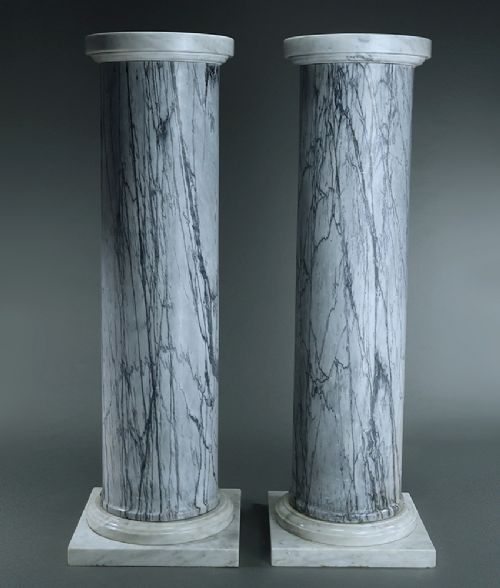
Marble busts require a sturdy, stable surface such as a heavy wooden console table, a dedicated column, or a wide mantelpiece. Because these sculptures are exceptionally heavy, the supporting furniture must be level and capable of bearing substantial weight.
Positioning them away from direct heat sources and strong sunlight protects the polished surface from thermal stress and dust accumulation.
Are these sculptures signed by artists?
Many nineteenth-century Italian sculptures feature signatures, monograms, or foundry marks carved directly into the marble base or cast into the bronze elements. Signatures often indicate the master carver, a prominent studio, or the specific retailing firm in cities like Florence or Paris.
Unsigned pieces remain common, representing workshop productions and anonymous artisans who supplied the nineteenth-century export market.