
Vintage Stone Sculpture
Vintage stone sculpture comprises carved and cast figures, busts and garden ornaments spanning the eighteenth to twentieth centuries.
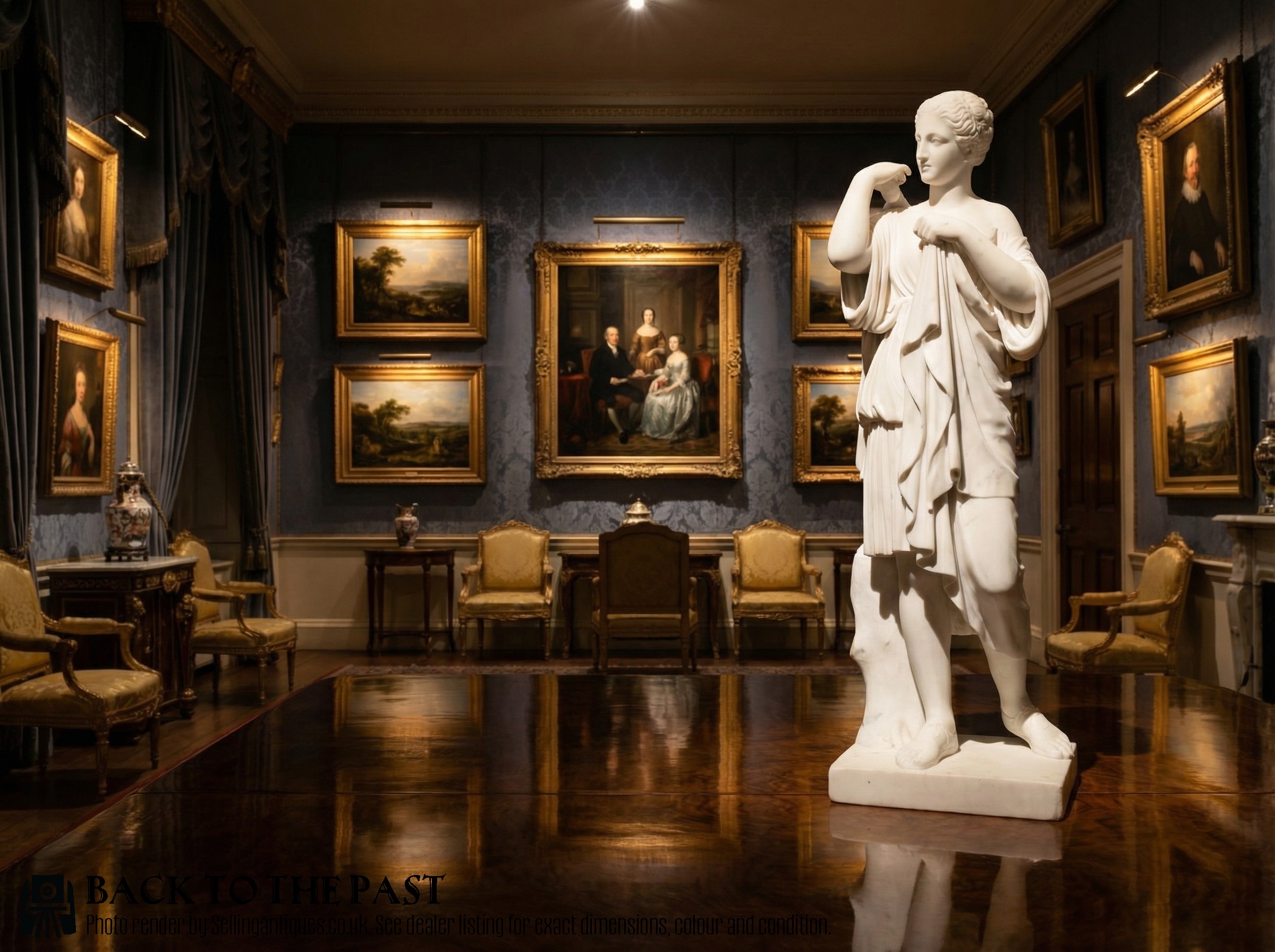
Vintage Stone Sculpture
Vintage stone sculpture encompasses a diverse array of figural works, architectural fragments and garden ornaments originating from the eighteenth century through to the mid-twentieth century. Buyers searching for vintage stone sculpture frequently encounter garden statues, interior busts and decorative objects shaped from various mineral mediums.
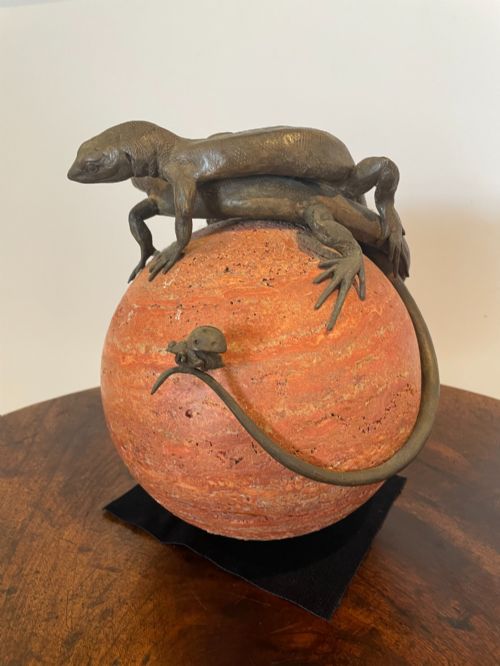
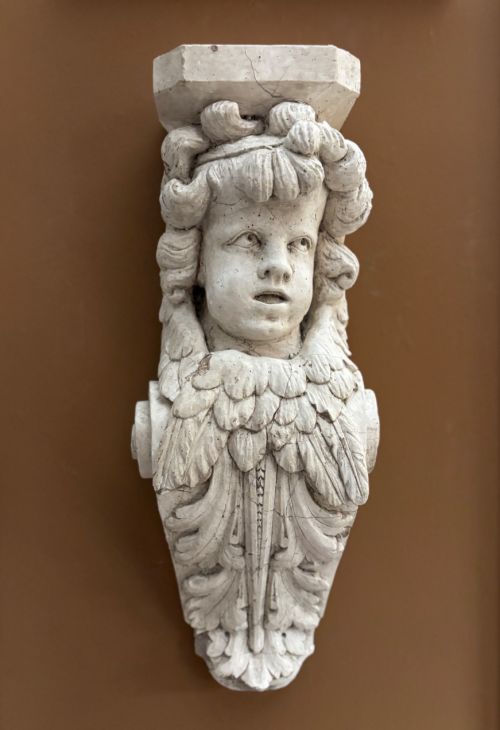
The selection on this page relies heavily upon nineteenth-century pieces alongside works from the opening decades of the twentieth century. These range from classical revival figures and animalier subjects to architectural wall corbels and garden statuary.
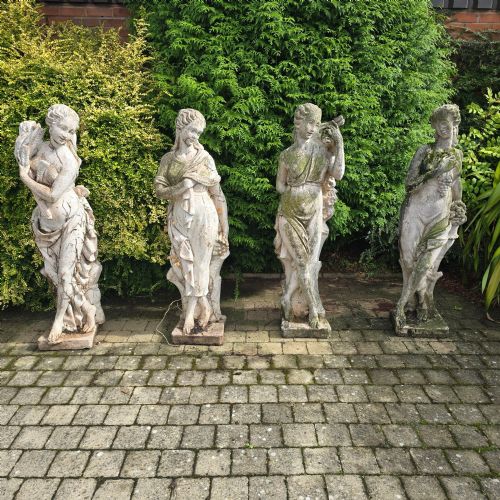
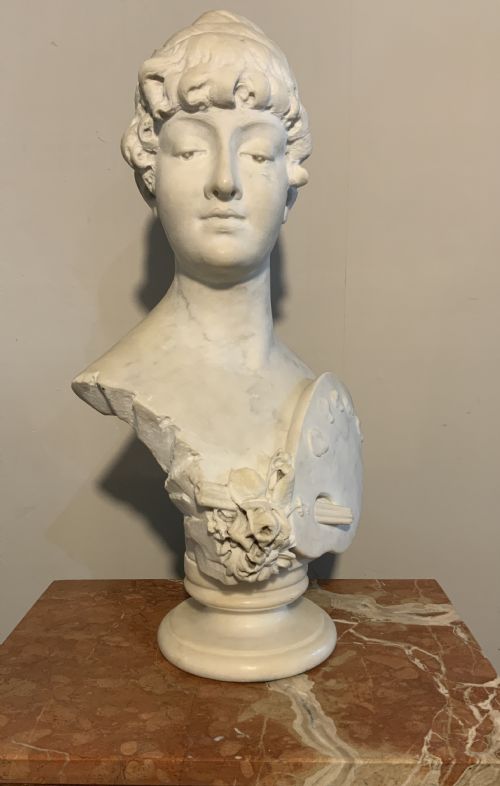
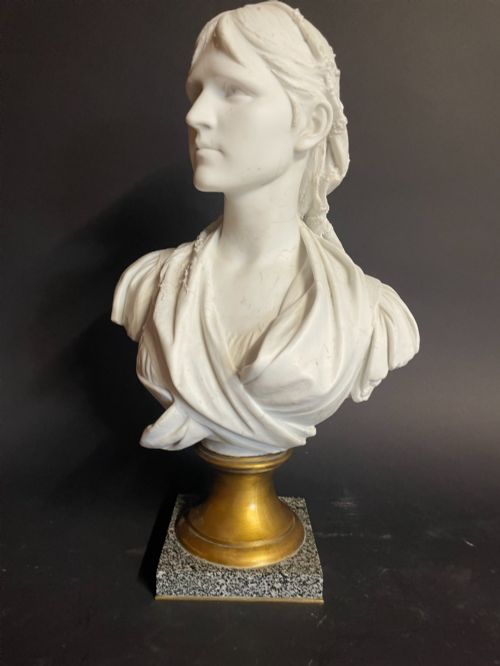
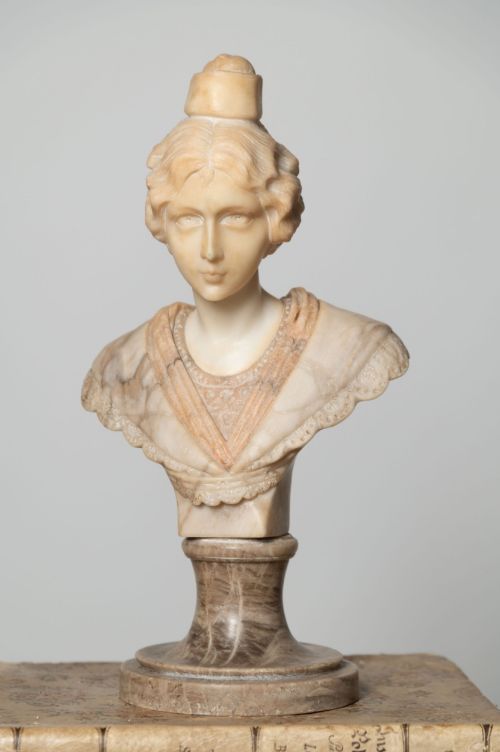
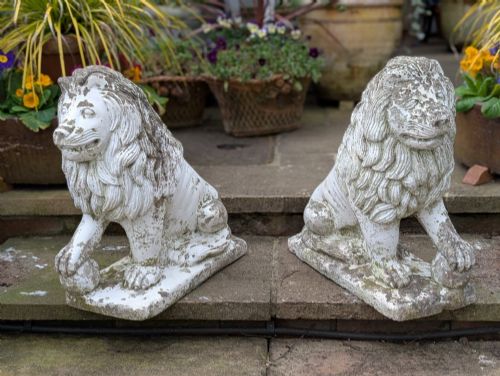
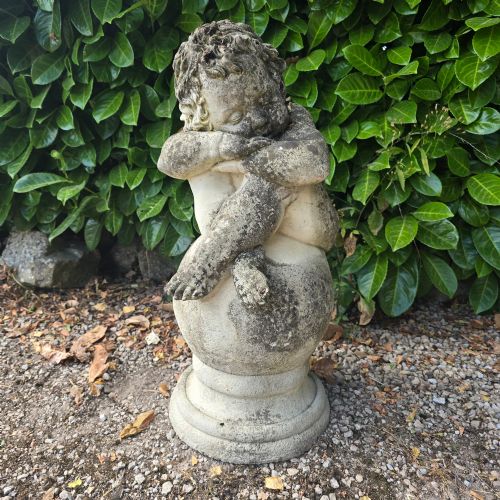
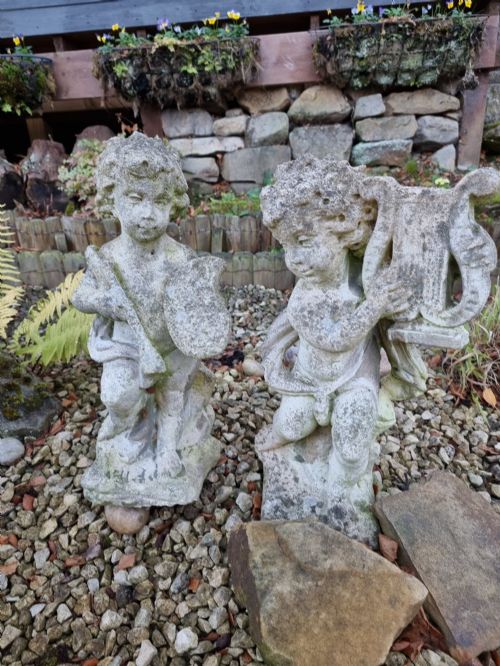
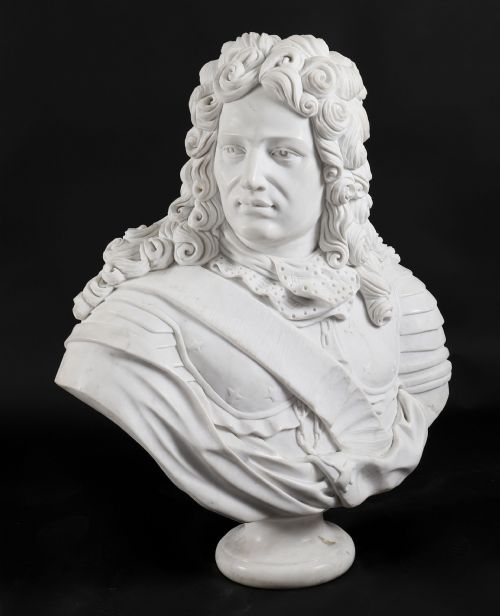
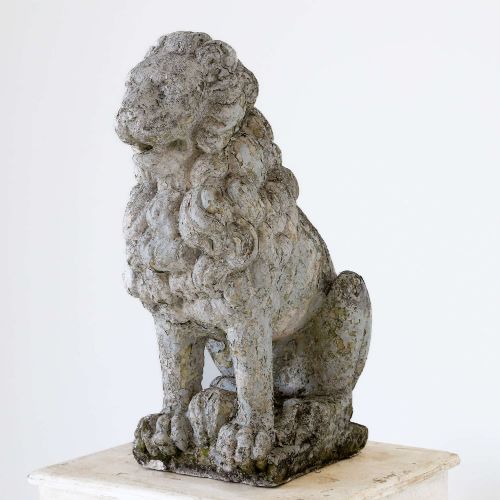
Indoor portraiture forms a substantial portion of the offering, particularly marble and alabaster busts depicting literary figures, noblemen and classical deities. Concurrently, garden pieces such as staddlestones, lions and cherubs represent the architectural and landscape applications found within the inventory.
How they were made
Casting utilises aggregate mixtures including cast stone, reconstituted stone and composite stone poured into moulds, frequently seen in garden statuary and architectural ornaments. Plaster serves as another medium for interior casts, allowing intricate detail reproduction from master models.
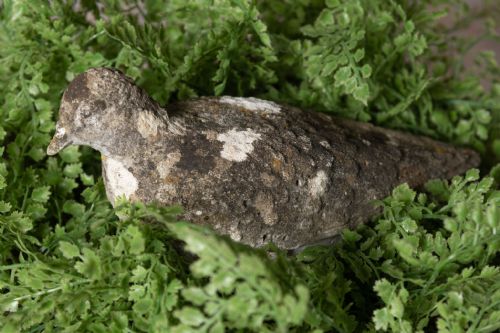
Surface treatments and natural weathering alter the exterior appearance of these objects over decades of exposure. Certain cast pieces retain traces of original paint or develop distinct patination from outdoor placement.
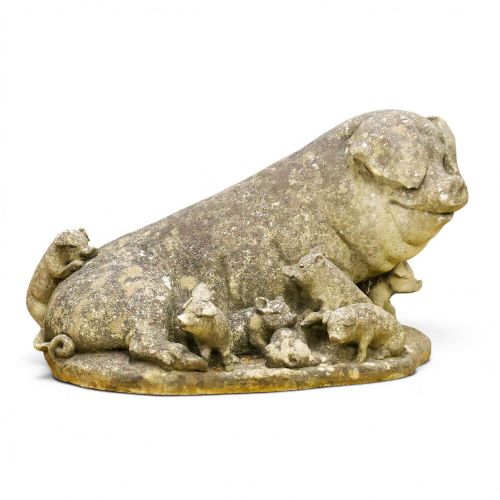
A cast stone sow accompanied by seven piglets provides a bucolic touch among the classical deities and solemn library busts.
What varies in quality
Cast ornaments derive their standard from the fidelity of the original mould and the density of the aggregate mixture employed. Pieces retaining sharp relief and coherent proportions demonstrate superior manufacturing standards compared to worn or softened casts.
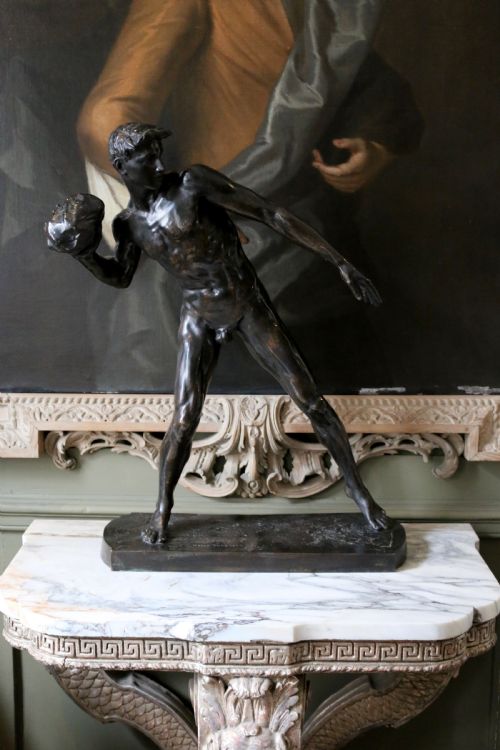
Hamo Thornycroft·A.Gamay·Raffaelo Monti
The Vintage Stone Sculpture Glossary
- Staddlestone
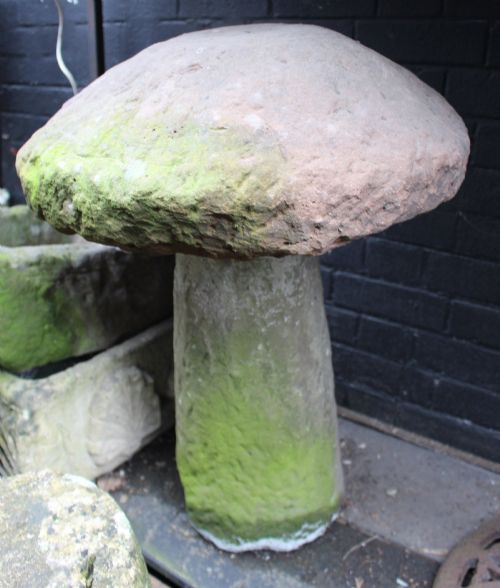
- A mushroom-shaped stone support formerly used to elevate granaries off the ground to prevent damp and vermin. These architectural remnants now function widely as garden ornaments.
- Animalier
- A nineteenth-century artistic style focusing on the realistic depiction of animals in sculpture and decorative objects. Pieces in this vein capture creatures in naturalistic postures.
- Putto
- A chubby male child figure, frequently winged, appearing in classical and neoclassical art. These figures often adorn wall corbels and garden statuary.
- Hardstone
- A collective term for semi-precious stones utilised in carved decorative objects and miniature landscapes. Jade and soapstone fall into this category.
- Corbel
- An architectural bracket projecting from a wall to support a weight above it. Stone examples often take carved figural forms.
Vintage Stone Sculpture: Frequently Asked Questions
How do I clean marble?
Dust marble surfaces regularly with a soft dry cloth to prevent the accumulation of airborne particles. Avoid acidic cleaning agents which can etch the polished stone surface.
For stubborn marks, use a damp cloth with mild soap, followed immediately by thorough drying with a clean towel.
Can garden statues stay outside?
Many cast stone and reconstituted stone ornaments are designed to withstand outdoor conditions throughout the year. Freezing temperatures can occasionally affect porous materials if moisture becomes trapped inside.
Protecting vulnerable pieces during severe winter weather helps prevent cracking and surface degradation.
What is reconstituted stone?
Reconstituted stone is a composite material made from crushed natural stone aggregate mixed with a binder such as cement. This mixture is poured into moulds to create decorative garden statues and architectural elements.
It offers a durable alternative to hand-carved stone while replicating the appearance of quarried material.
How do I date a bust?
Dating a carved or cast bust involves examining the sculptural style, costume details and the specific type of material utilised. Neoclassical and Victorian portraiture often reflects the prevailing aesthetic trends of the nineteenth century.
Maker signatures, foundry marks and the natural ageing of the stone provide further chronological clues.