


Italian Alabaster Sculpture
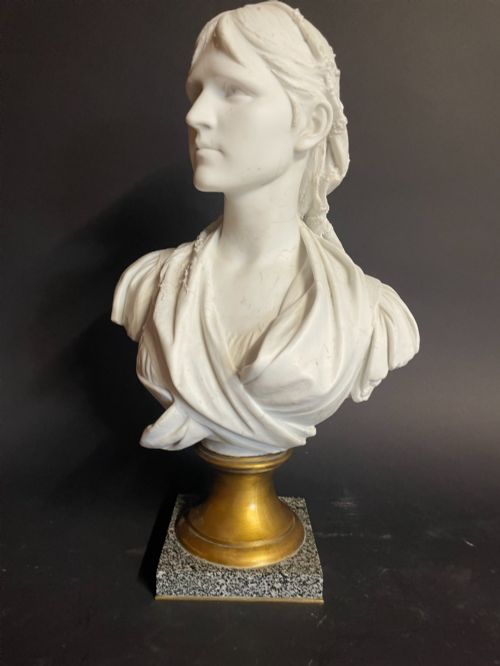
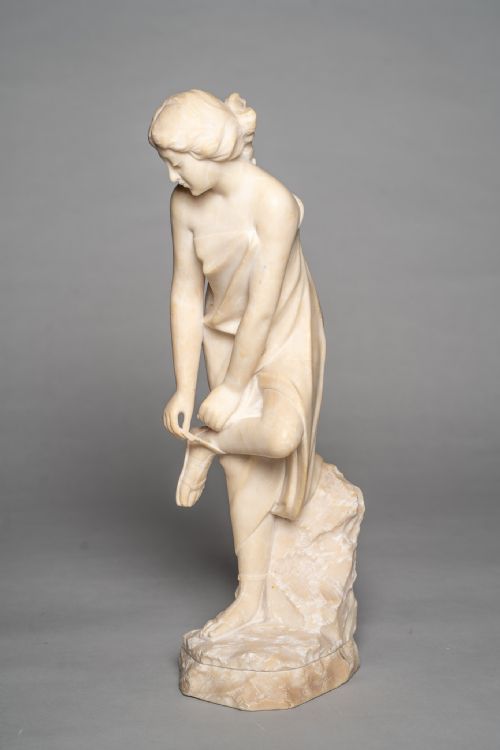
When you want an italian alabaster sculpture, you are looking at carved figures and reliefs spanning the nineteenth and early twentieth centuries.
Italian Alabaster Sculpture
An italian alabaster sculpture encompasses figurative works, portrait busts, wall plaques, and architectural ornaments carved in workshops across Italy. The pieces range from nineteenth-century Neoclassical and Grand Tour souvenirs after the antique to Art Nouveau and Art Deco interpretations of dancers and maidens.
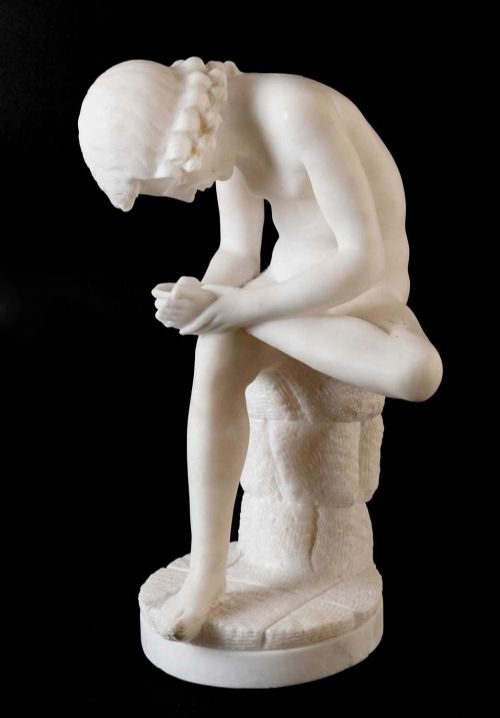
Buyers will encounter full-length female figures, mythological subjects, children, and animals carved predominantly from white and two-tone varieties of the mineral. Many examples replicate famous classical statues, whilst others record contemporary romantic and realist tastes of the Victorian period.
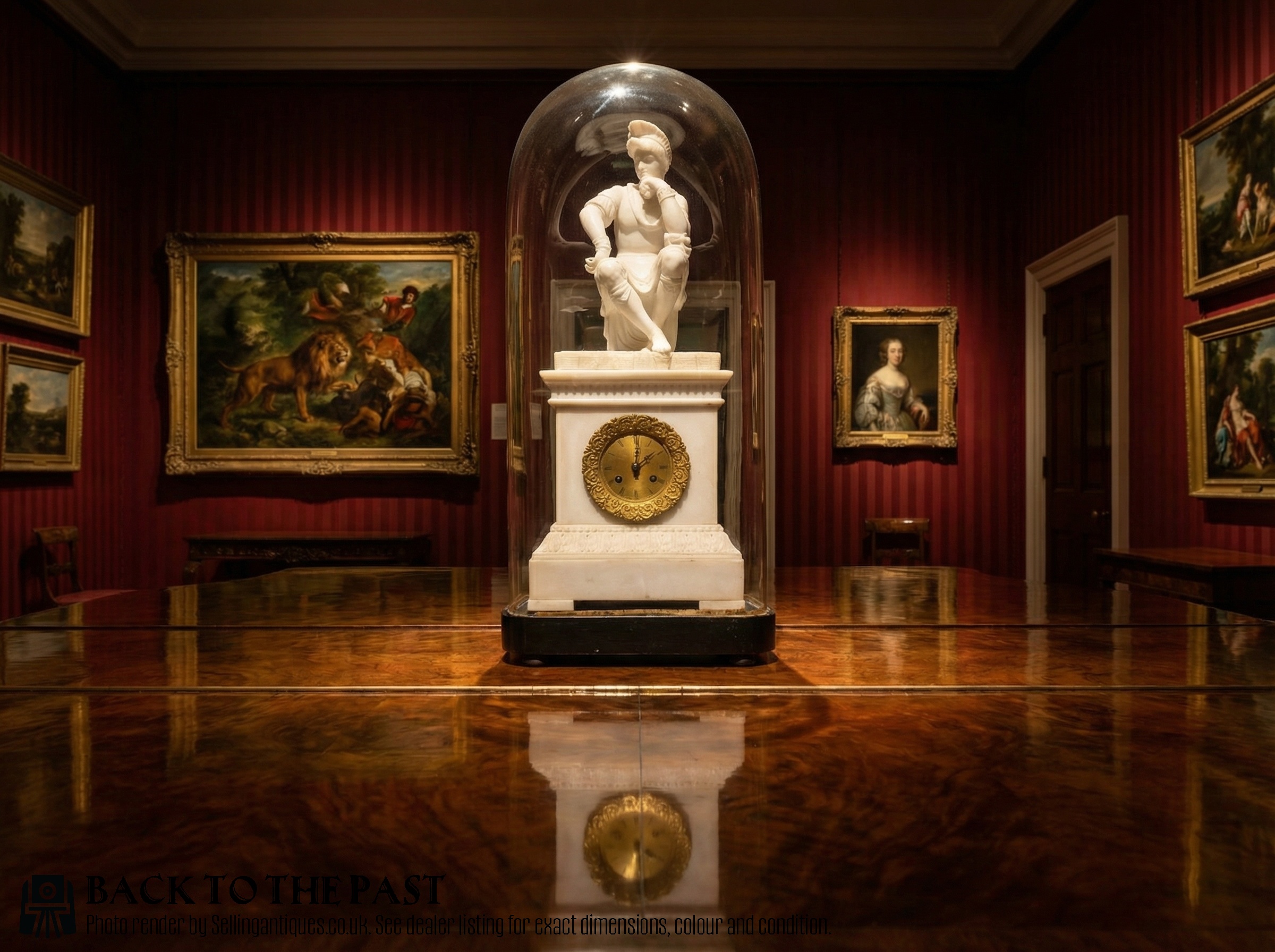
Formats vary from cabinet-sized table pieces to substantial floor-standing works, occasionally incorporating materials such as bronze, brass, glass, and wood. Functional objects such as carved plant stands and mantel clocks also appear alongside pure sculptural forms.
How they were made
Carvers shaped the translucent stone using hand chisels, rasps, and abrasive powders to achieve smooth skin tones and intricate drapery. Many nineteenth-century works utilise two-tone alabaster, contrasting opaque white elements with warmer, veined sections of the material.
Signatures and studio marks are frequently incised directly into the base or rear of the figures. Elements like metal mounts, clock movements, or bronze additions were assembled by specialist artisans working alongside the stone carvers.
Italian Alabaster Sculpture Retail Price Guide 2026
Typical asking prices for italian alabaster sculpture among the pieces listed under this phrase on Sellingantiques today, from the lower quarter to the upper quarter. They describe what is for sale here now, not the wider market.
Sculptors occasionally carved domestic pets and camels alongside classical deities, proving that Victorian buyers loved a seated animal as much as a Greek goddess.
What varies in quality
The choice of material affects the visual impact, with pure white and well-matched two-tone blocks commanding greater presence than flawed or heavily repaired stone. Signed works by documented makers show superior anatomical proportions and drapery handling compared to anonymous workshop pieces.
A. Gamay·Antonio Frilli·Pugi·Cipriani·P. Emilio Fiaschi·Alberto Saccardi·Pittaluga·Pozzi
The Italian Alabaster Sculpture Glossary
- Grand Tour
- A nineteenth-century tradition where wealthy travellers collected classical souvenirs in Italy. These carved figures often reproduced famous ancient sculptures found in Roman and Florentine galleries.
- Two-tone alabaster
- A style of carving that utilises natural variations within the stone block to create contrasting shades. This technique highlights drapery or hair against the paler flesh tones of a figure.
- Spinario
- A classical subject depicting a boy extracting a thorn from his foot. Popularized during the Renaissance, nineteenth-century carvers frequently reproduced this form in alabaster and marble.
- Neoclassical
- An artistic style inspired by the classical art and culture of ancient Greece and Rome. Sculptures in this mode emphasise restrained emotion, balanced composition, and classical drapery.
- Art Deco
- A design style emerging in the early twentieth century characterised by streamlined forms and stylized representations. Alabaster figures from this period often depict dancers and modern female archetypes.
Italian Alabaster Sculpture: Frequently Asked Questions
Are these sculptures signed by the artist?
Many nineteenth and twentieth-century figures bear the incised signature of the carver or the stamp of the studio on the base. Signatures link pieces to known Florentine and Italian workshops.
Unsigned works remain common, often produced as uncredited gallery pieces or Grand Tour souvenirs for travellers.
What is the difference between marble and alabaster?
Alabaster is a softer, gypsum-based mineral with a distinct translucency when carved thinly. Marble is a harder metamorphic rock with crystalline structure and greater resistance to scratching.
Sculptors utilised alabaster for indoor decorative figures requiring soft light diffusion, whilst marble served both interior and exterior architectural statuary.
How should I display these pieces at home?
Place sculptures on stable surfaces away from direct sunlight, high humidity, and temperature fluctuations. Alabaster is sensitive to moisture and sudden environmental shifts.
Heavier figures and plant stands require level flooring or sturdy furniture to support their weight safely without tipping.