

Antique Italian Sculpture
These antique italian sculpture works range from classical bronze reductions to carved marble deities, offering collectors tangible pieces of Mediterranean history.
Antique Italian Sculpture
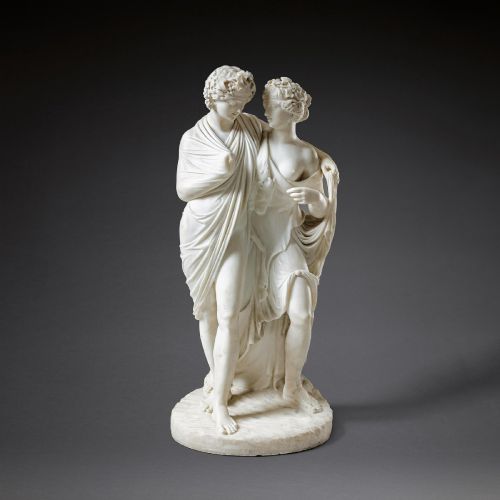
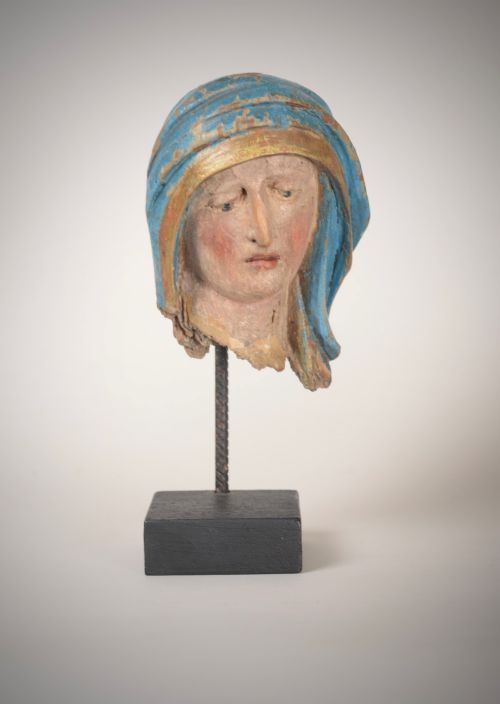
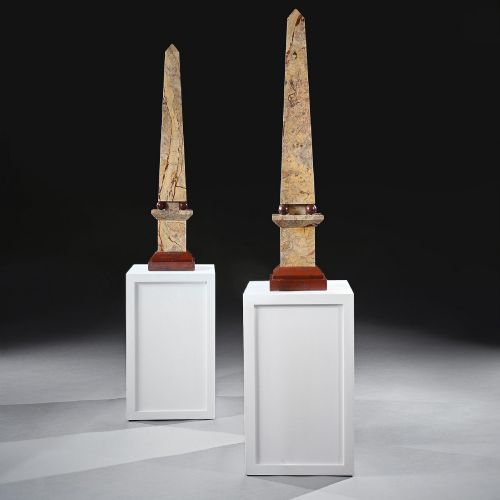
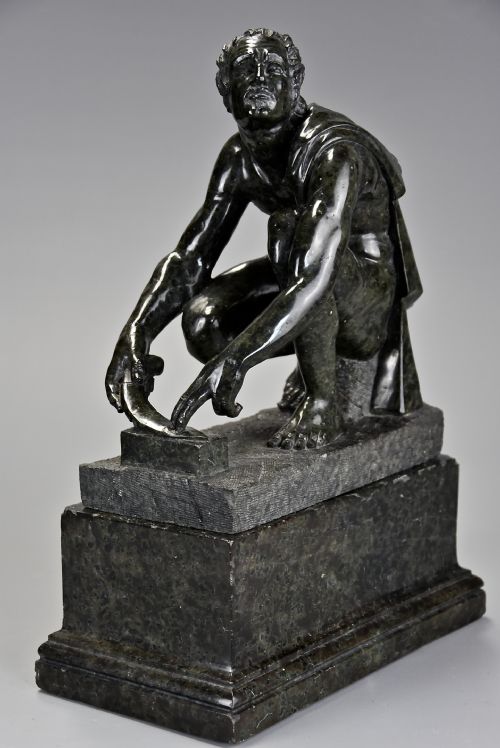
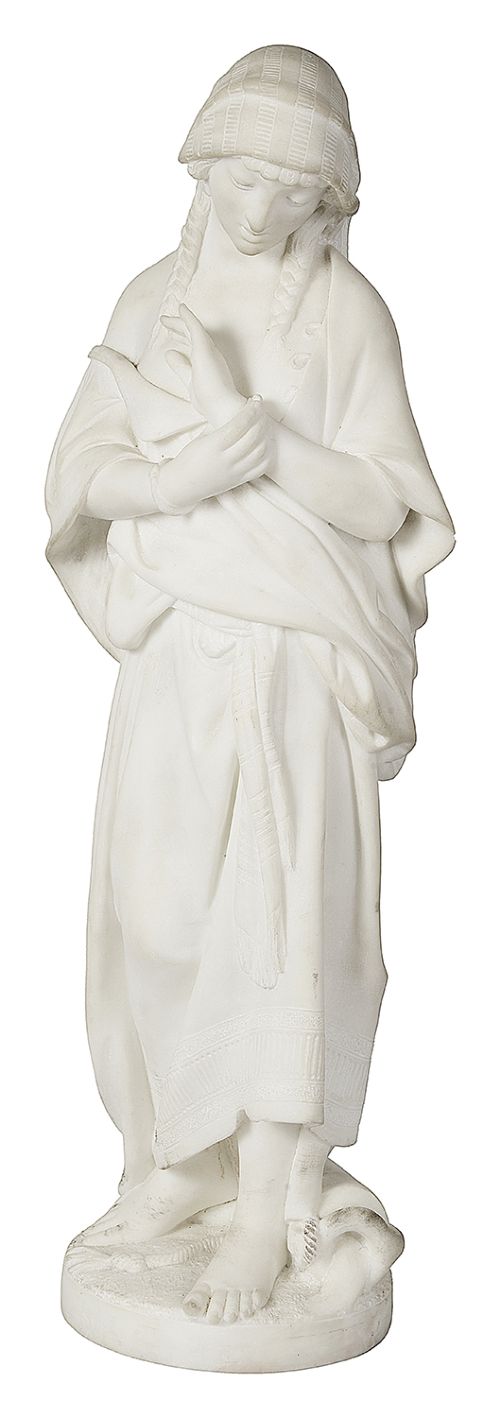
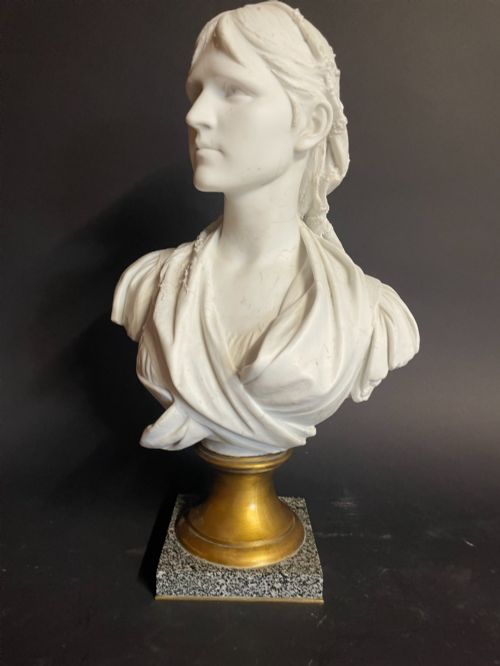
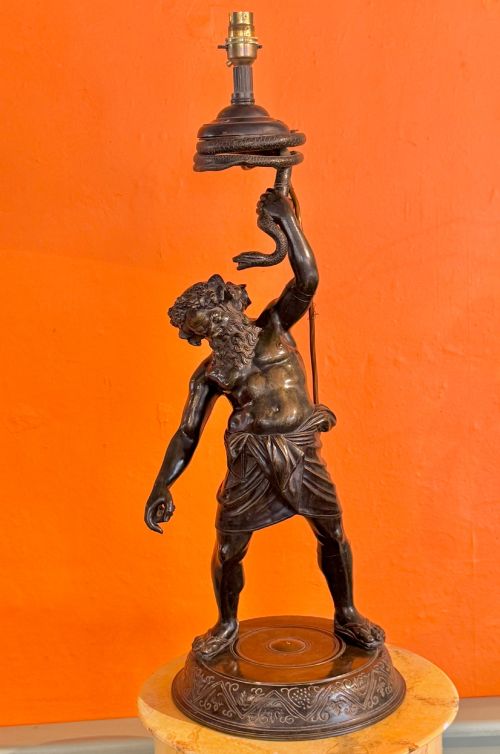
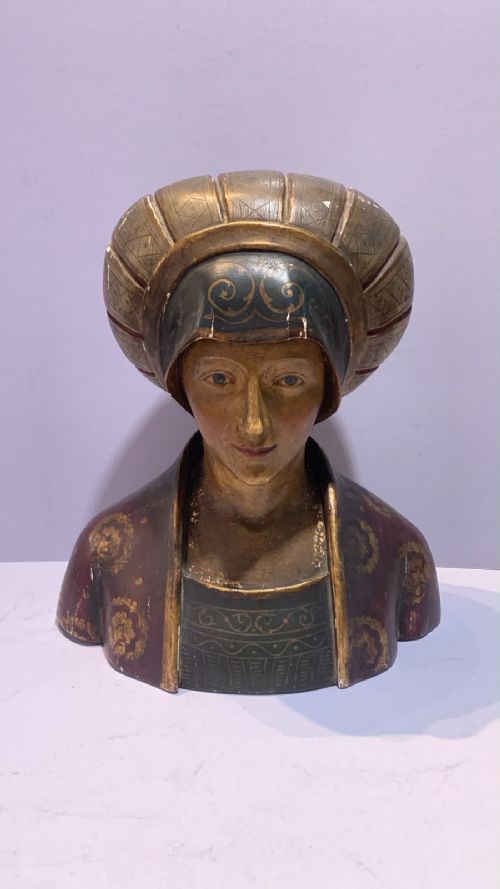
When exploring antique italian sculpture, buyers encounter a diverse array of forms originating primarily from the seventeenth, eighteenth, and nineteenth centuries. The selection frequently includes Grand Tour souvenirs, classical bronze figures after the antique, religious busts, and carved alabaster representations of mythological subjects.
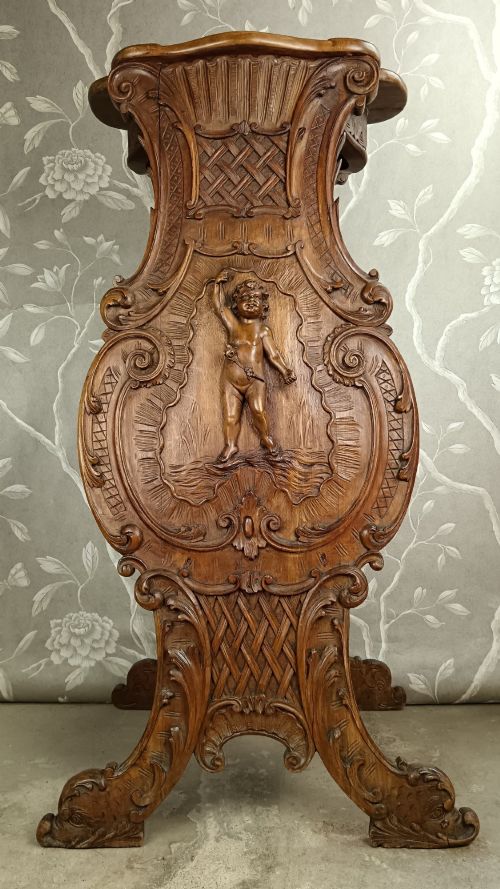
Collectors regularly find reduction copies of famous monuments alongside architectural elements like pedestals, columns, and carved wooden panels. Many of these pieces reflect revivalist movements and neoclassical tastes that dominated European collecting during the Victorian era.
How They Were Made
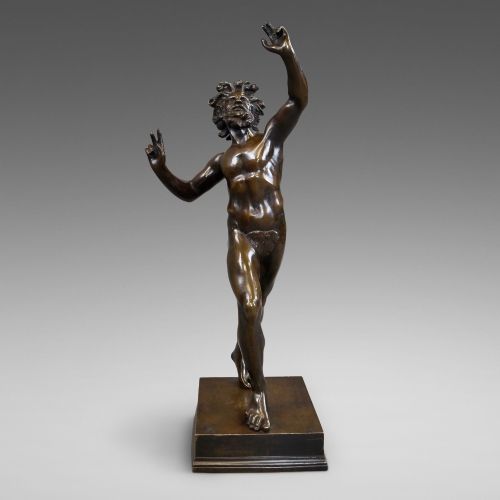
Artisans utilised traditional casting methods for metalwork, producing patinated and polychrome bronzes with detailed chasing. Stonemasons worked with various marbles such as Carrara, Siena, Portasanta, and Rosso Antico, alongside fine alabaster and serpentine.
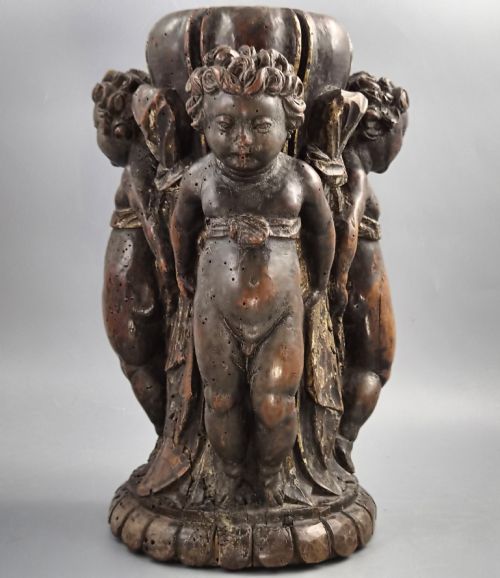
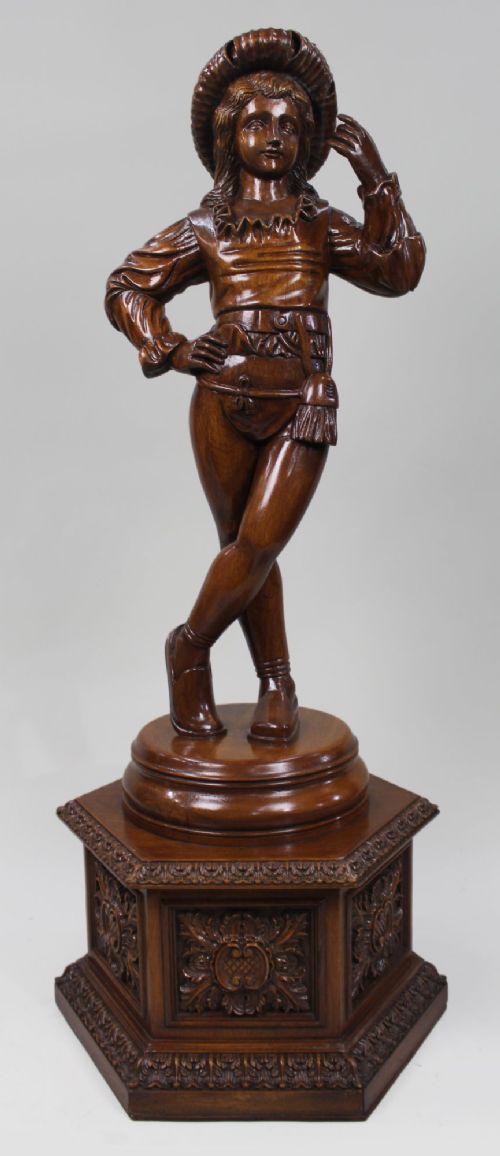
Carvers shaped wooden elements from walnut, oak, chestnut, and olive wood, frequently applying gesso, gold leaf, or polychrome paint to ecclesiastical and decorative subjects.
Antique Italian Sculpture Retail Price Guide 2026
Typical asking prices for italian sculpture among the pieces listed under this phrase on Sellingantiques today, from the lower quarter to the upper quarter. They describe what is for sale here now, not the wider market.
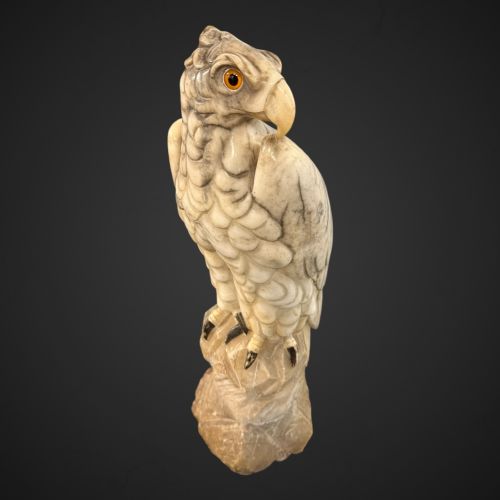
Several pieces capture animals behaving badly, including the famous Uffizi boar and an eagle caught mid-feather stretch.
What Varies in Quality
The standard of an antique italian sculpture depends heavily on the crispness of the casting or the depth and precision of the hand-carving. Finer works display meticulous attention to anatomical detail and surface patination, reflecting the skill of named workshops or accomplished studio hands.
Material selection also dictates overall standing, with dense veined marbles and heavy cast bronzes commanding greater appreciation than simpler plaster compositions or secondary woods.
Carlo Albacini·G Amodio Naples·Barranti Florence·Benedetto Boschetti·Chiurazzi and Fils·Valentino Besarel·Raffaelo Monti·Vincenzo Aurisicchio·A Gamay
The Antique Italian Sculpture Glossary
- Patination
- The surface coloration and finish developed on bronze through natural ageing or chemical treatment. Artisans applied specific patinas to emulate ancient artefacts or enhance sculptural depth.
- Carrara Marble
- A type of white or blue-grey marble quarried in the city of Carrara in Tuscany. Sculptors favored this stone for its fine grain and luminous quality.
- Torchiere
- A tall ornamental stand or candlestick base designed to support a light source. Italian examples often feature carved figures, putti, or classical motifs.
- Putto
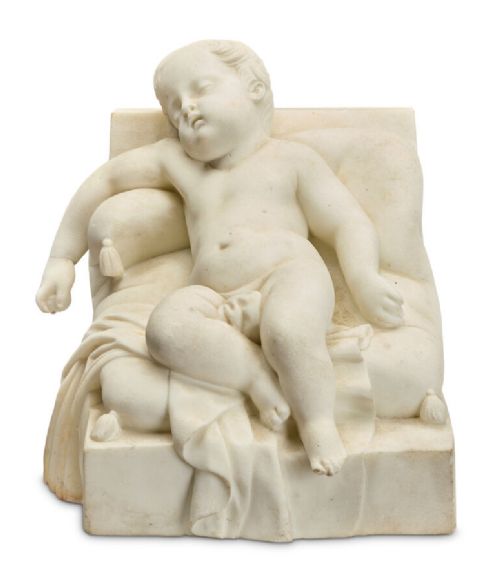
- A representation of a plump, naked child, often winged, appearing frequently in baroque and revivalist decorative sculpture. These figures symbolize divine presence or earthly playfulness.
Antique Italian Sculpture: Frequently Asked Questions
What is a Grand Tour sculpture?
Grand Tour sculptures are nineteenth-century bronze and alabaster souvenirs purchased by travellers visiting Italy. They typically replicate famous classical antiquities found in museums and archaeological sites.
These pieces allowed collectors to bring home portable representations of major monuments, ranging from dancing fauns to mythological groups.
How do I identify Carrara marble?
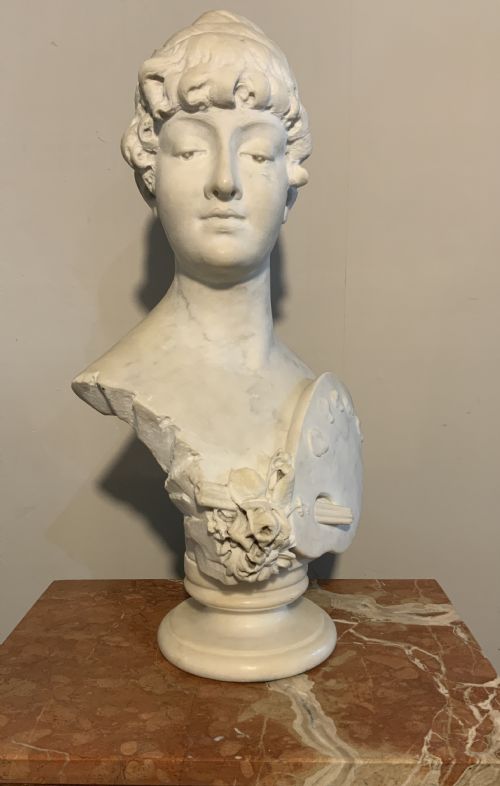
Carrara marble is characterised by its white or cool grey background marked by subtle, feathery veining. It was extensively used by Italian sculptors for both busts and architectural elements.
Examining the stone under natural light reveals a fine crystalline structure typical of Tuscan quarries.
Where were these sculptures made?
Many bronze reductions and souvenir sculptures were produced in specialised workshops located in Naples, Florence, and Rome. These centres catered directly to international collectors seeking high-quality replicas.
Wood carvings and religious figures often originated from regional hubs such as Venice and Sicily.
How should I display a marble bust?
Marble busts and heavy stone sculptures require sturdy support, such as a dedicated wooden pedestal, a marble column, or a reinforced table. Placing them away from direct heat sources prevents thermal shock to the stone.
Ensure the placement balances the substantial weight of the sculpture safely within the room.