





Brown Wooden Sculpture
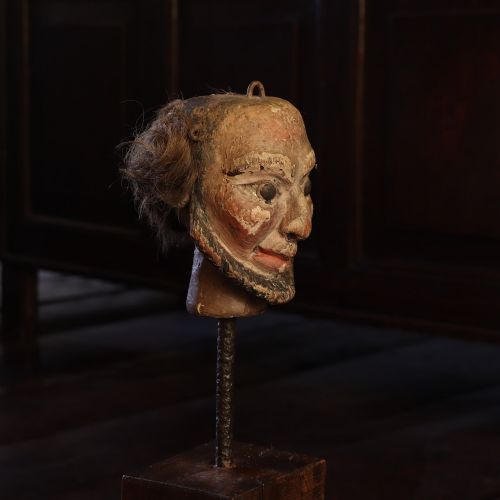
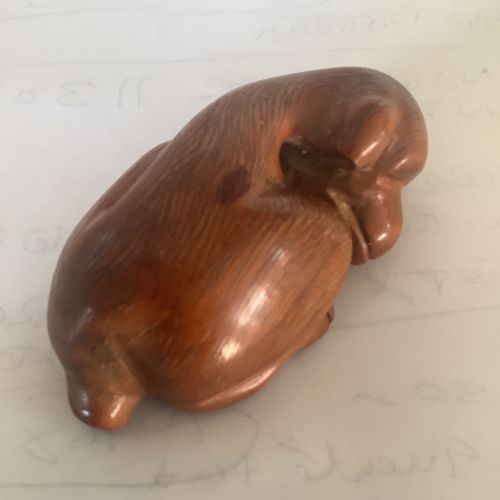
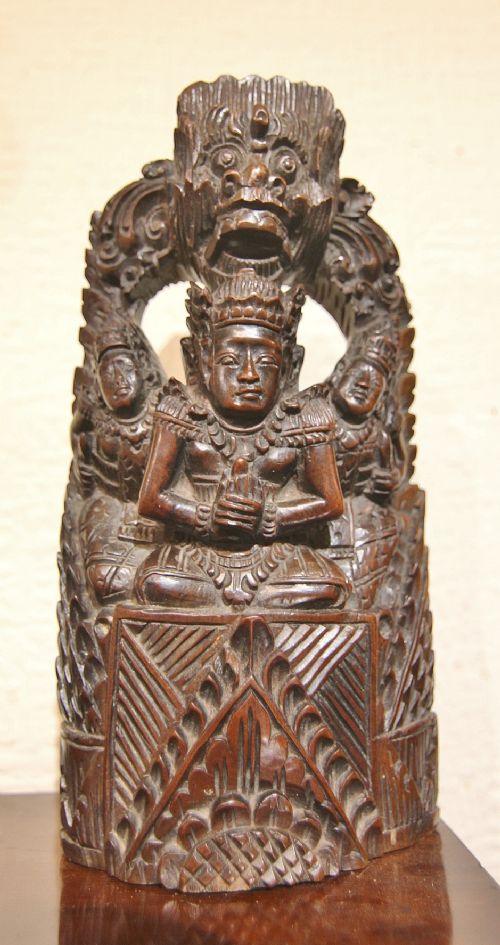
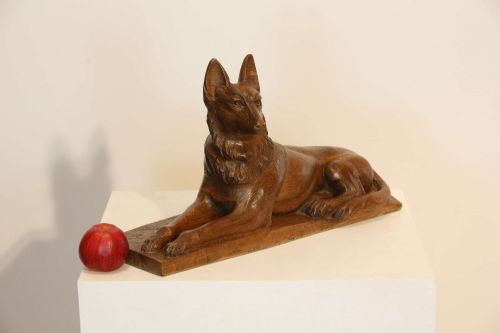
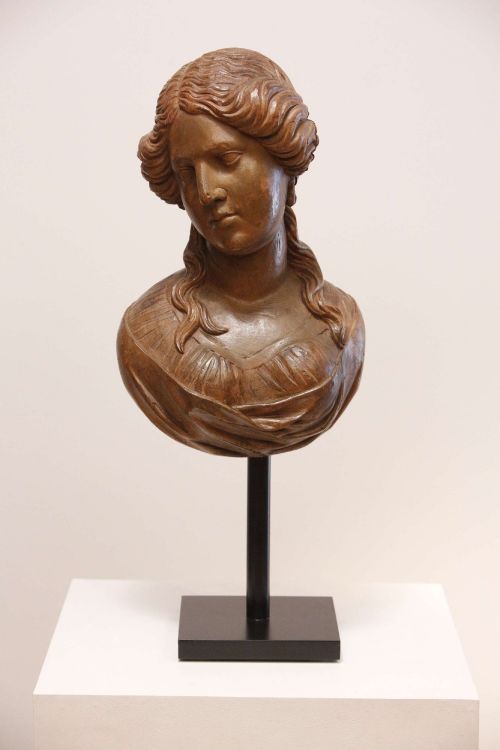
A brown wooden sculpture brings warmth and presence to a room, drawing the eye with its tactile grain and carved form.
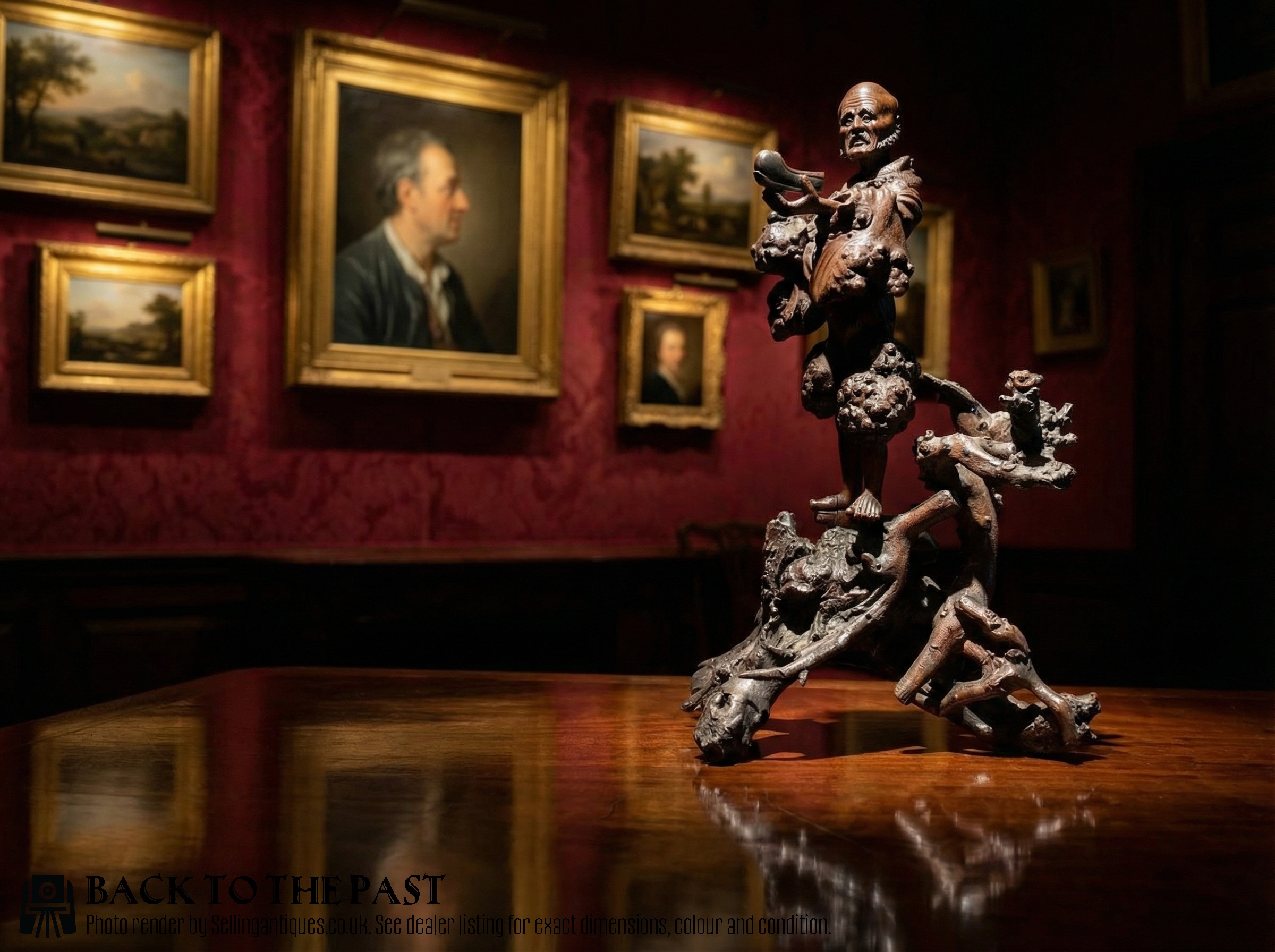
Brown Wooden Sculpture
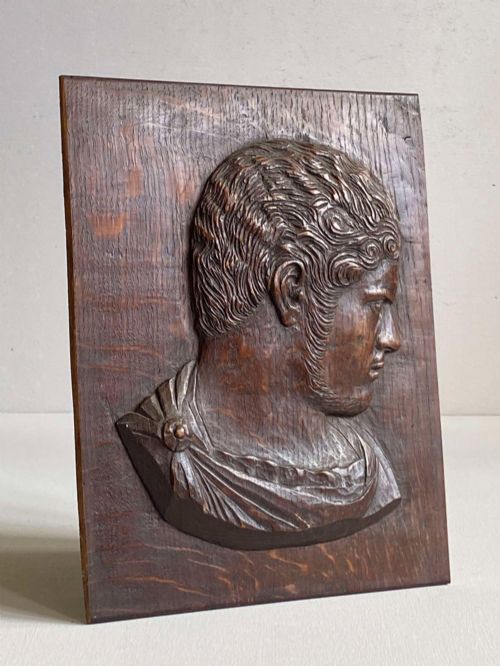
When you search for a brown wooden sculpture, you encounter a diverse array of figural and architectural objects spanning several centuries. These range from religious figures and devotional panels to animal studies and decorative pedestals.
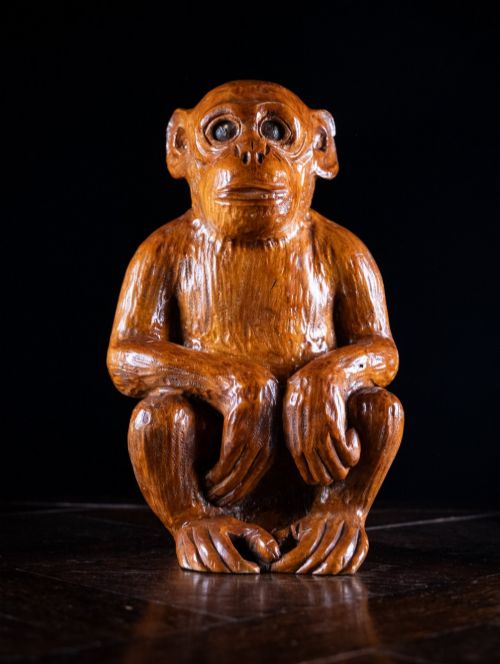
Black Forest animal carvings and figures appear frequently, alongside Chinese hardwood sculptures and European religious pieces. Works originate from periods stretching from the seventeenth century through to the early twentieth century.
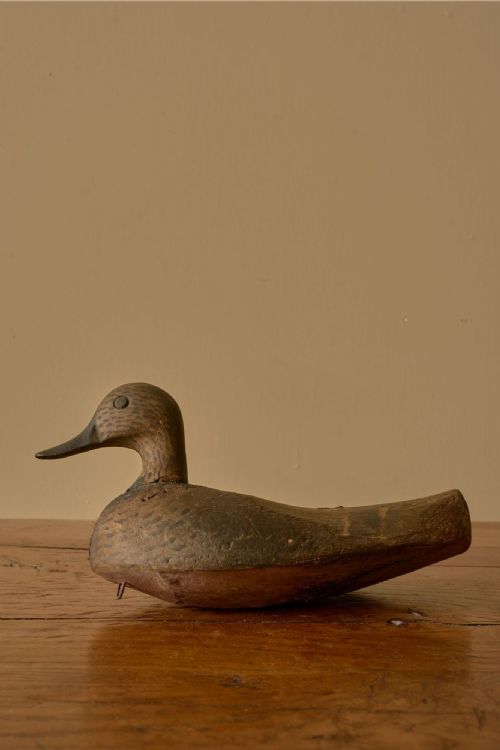
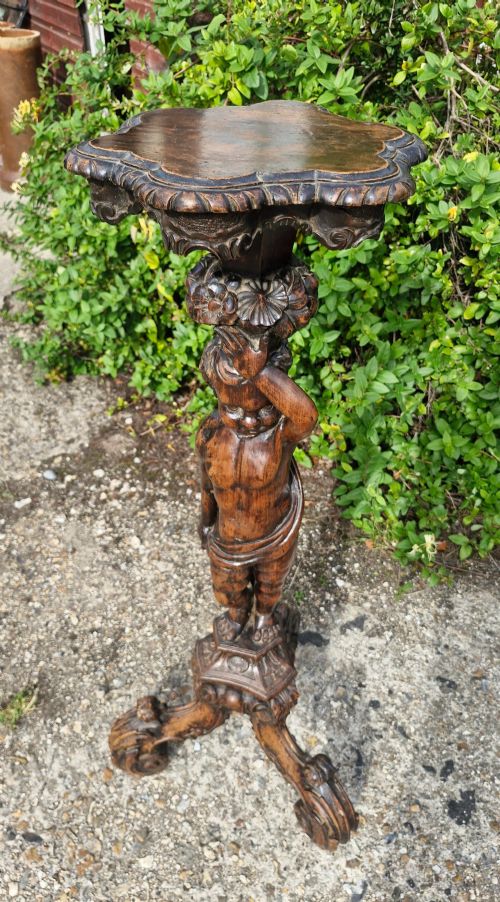
Forms include freestanding animal groups, human figures, architectural columns, and decoy ducks. Each piece reflects the specific decorative tastes and sculptural traditions of its region of origin.
How they were made
Carpenters and sculptors utilised traditional hand tools to shape regional timbers such as oak, walnut, linden, and exotic hardwoods. The natural grain of the wood determines the texture and visual depth of the final carved surface.
Brown Wooden Sculpture Retail Price Guide 2026
Typical asking prices for brown wooden sculpture among the pieces listed under this phrase on Sellingantiques today, from the lower quarter to the upper quarter. They describe what is for sale here now, not the wider market.
A pair of carved goldfish serve as bookends, keeping your library tidy with aquatic charm.
What varies in quality
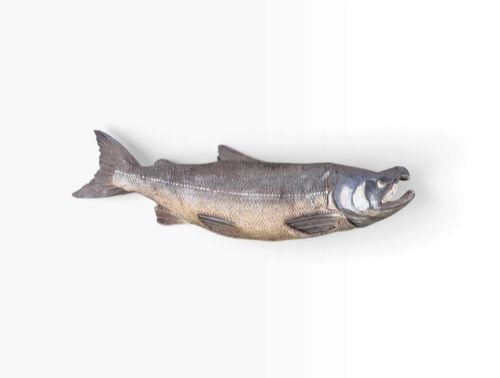
The depth of carving and the anatomical precision of the subject determine the visual success of the piece. Master carvers achieve lifelike fluidity in animal studies and human figures, whereas lesser works remain stiff and blocky.
The choice of timber impacts the durability and definition of the carved details. Hardwoods hold crisp lines over centuries, while softer woods show gentler wear across exposed edges and surfaces.
J HUGGLER
The Brown Wooden Sculpture Glossary
- Black Forest
- A style of wood carving originating from the mountainous region of central Europe, known for realistic animal studies and rustic furnishings. These pieces often depict bears, deer, and alpine scenes in walnut or linden wood.
- Polychrome
- Painted in several colours, typically applied over gesso or directly to the timber. This technique appears frequently on religious figures and devotional carvings from earlier centuries.
- Hardwood
- Timber derived from broad-leaved trees, providing dense and durable material for intricate oriental and European sculptures. Woods such as oak, walnut, and chestnut fall into this category.
- Solomonic
- A helical column shape characterised by a spiralling shaft, seen on architectural pedestals and stands. This design adds dynamic movement to wooden display pieces.
- Decoy
- A carved wooden bird utilised by hunters to attract waterfowl, now collected as folk art. These working objects display hand-painted markings and functional wooden construction.
Brown Wooden Sculpture: Frequently Asked Questions
What is a Black Forest carving?
Black Forest carvings are wooden sculptures originating from central Europe, famously depicting animals like bears, deer, and dogs. They were produced in large numbers during the nineteenth and early twentieth centuries.
These pieces range from small desk accessories to large sculptural groups, carved in walnut, linden, and other regional woods.
How old are these wooden sculptures?
The sculptures span multiple centuries, with examples originating from the seventeenth, eighteenth, nineteenth, and early twentieth centuries. European religious carvings and architectural fragments often date to the earlier periods.
Animal studies, folk art decoys, and Asian hardwood figures are frequently found from the nineteenth and early twentieth centuries.
What types of wood were used?
Carvers selected timbers based on availability and the intended level of detail. Oak, walnut, chestnut, and linden appear regularly across European works.
Chinese and other Asian sculptures utilise dense hardwoods that support deep relief and fine facial expressions.
How do I care for wooden sculptures?
Wooden sculptures require stable indoor humidity levels to prevent the timber from splitting or warping. Avoid placing them in direct sunlight or near heat sources.
Dusting gently with a dry, soft cloth preserves the surface finish and natural patina of the wood.