

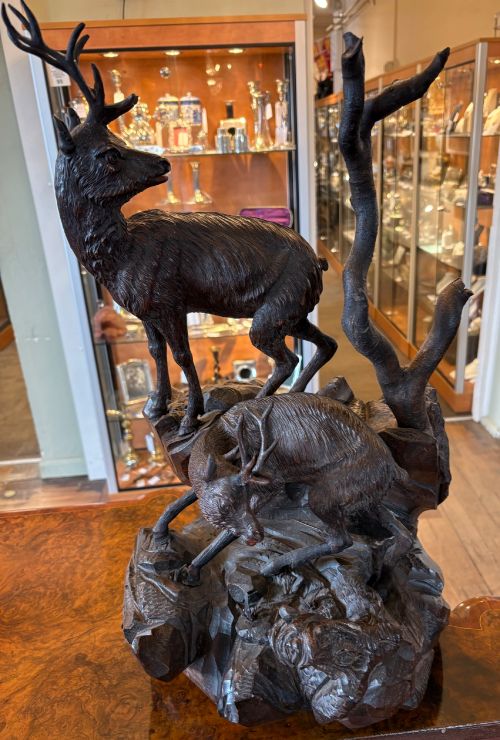
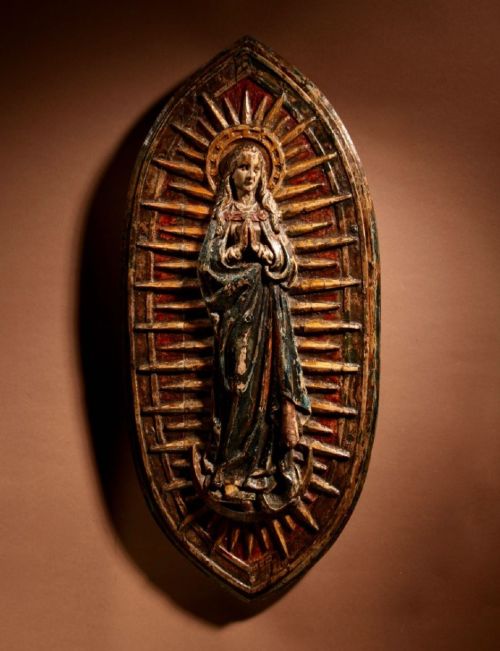
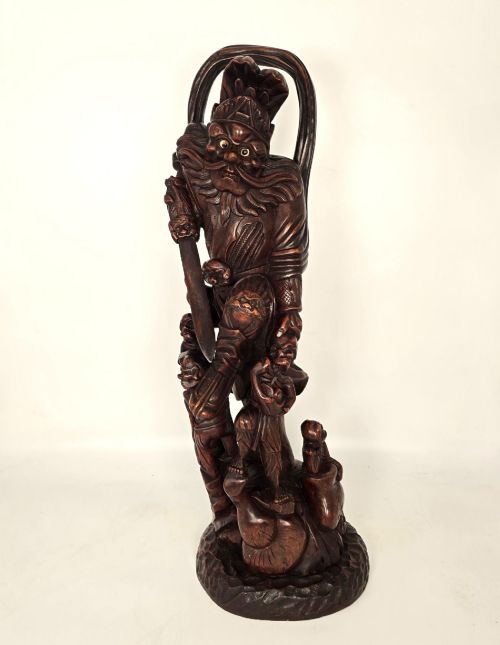
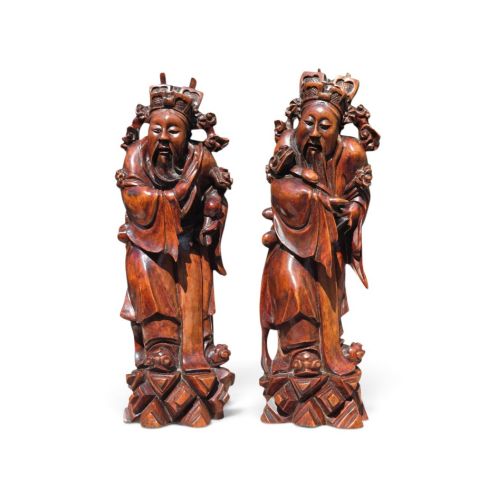
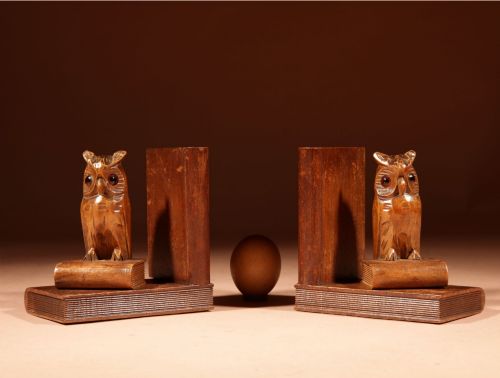
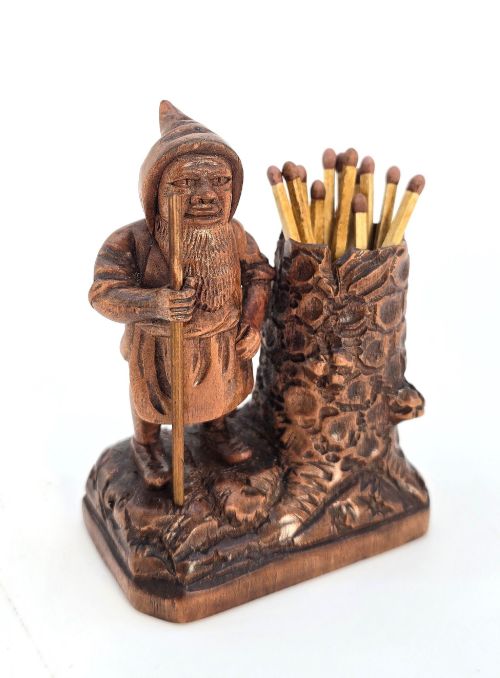
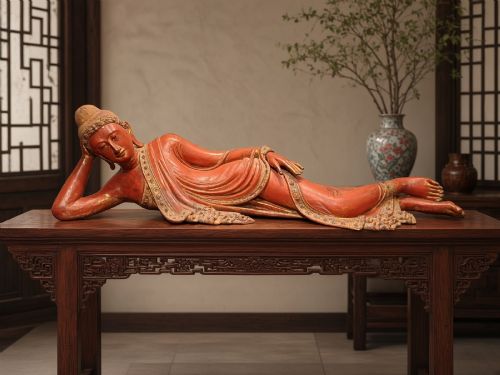
Carved Wooden Statue
A carved wooden statue brings centuries of hand-carved grain, pigment, and form directly into your room.
What a carved wooden statue is
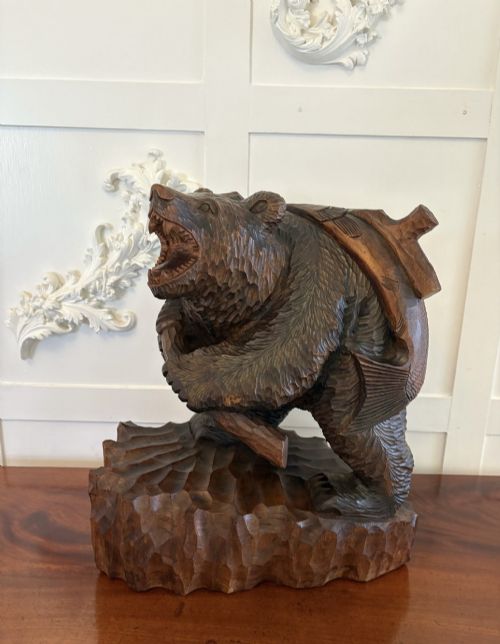
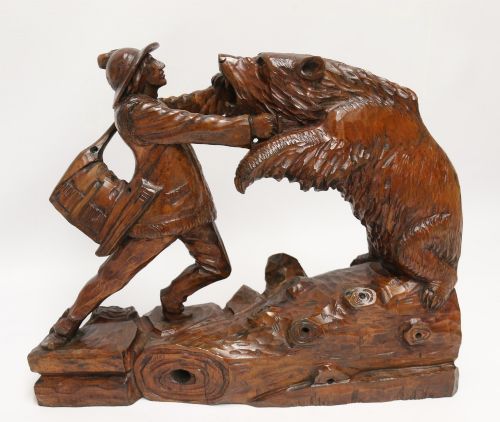
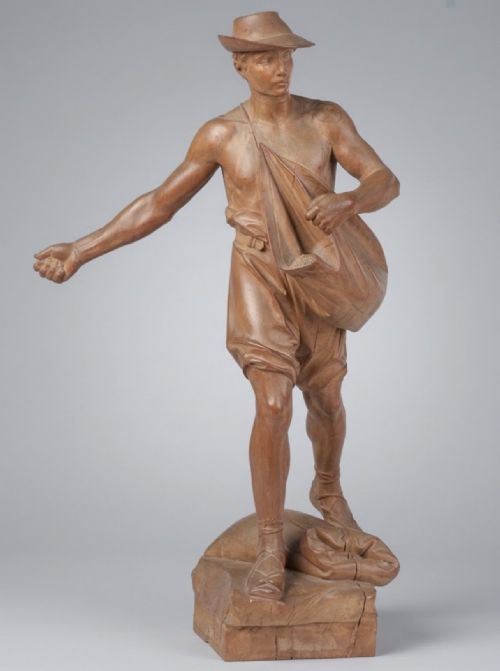
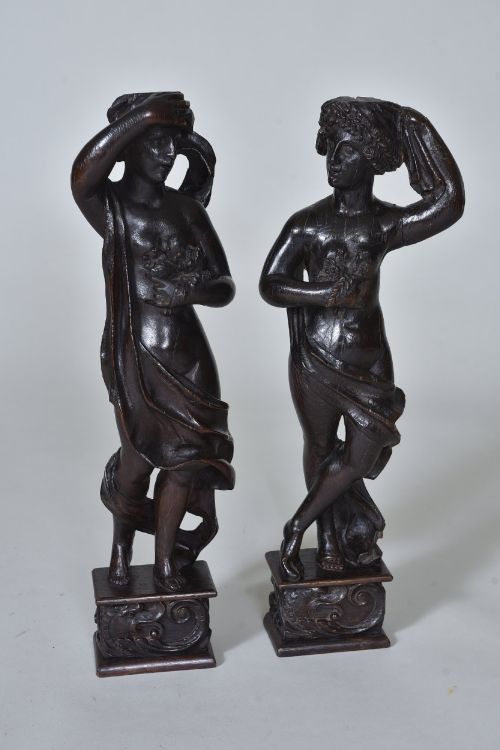
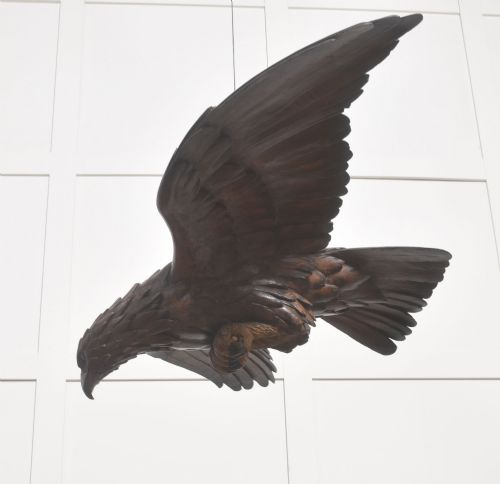
A carved wooden statue represents a wide sweep of religious, tribal, and secular figures shaped from timber across different centuries. When you search for a carved wooden statue, you encounter everything from European baroque saints to African tribal figures and Asian root carvings.
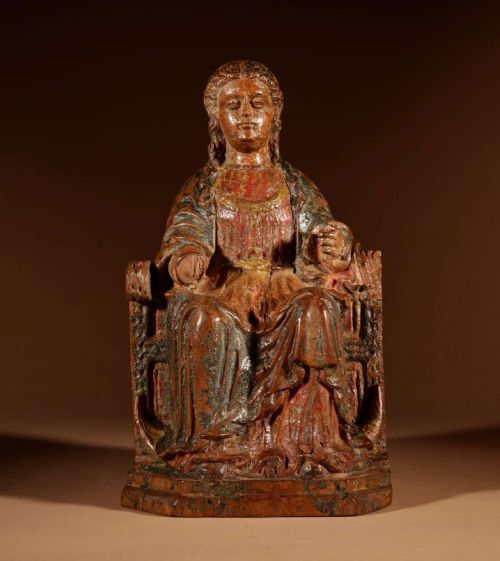
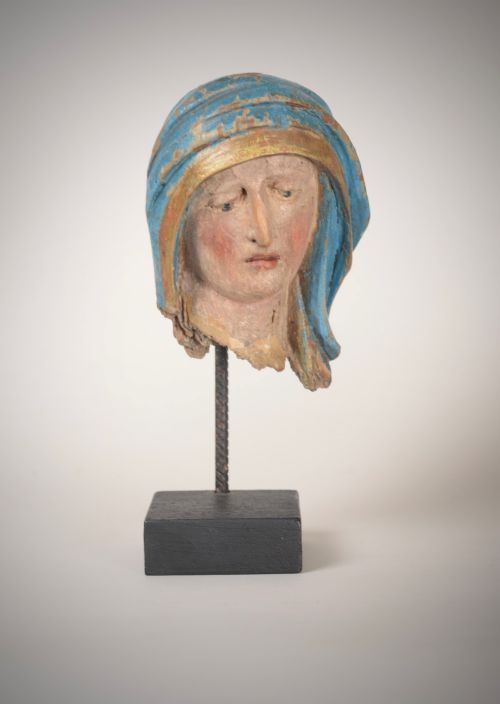
The most common versions met on this page span the eighteenth and nineteenth centuries, often taking the form of religious subjects like saints, busts of Christ, or pietas. Other frequent examples include tribal sculptures from Central Mali and Yoruba figures, alongside Georgian and Chinese works.
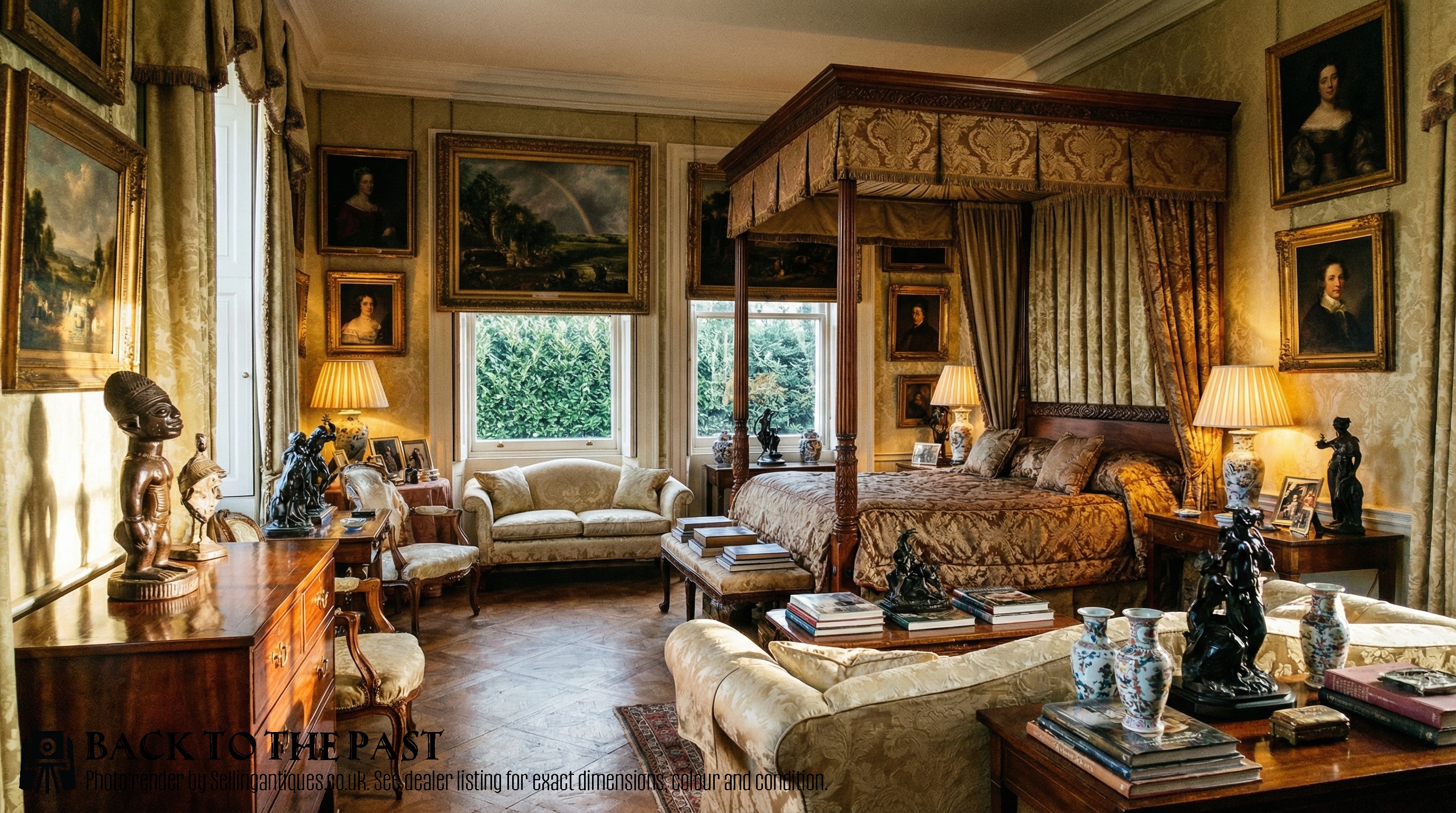
These pieces function primarily as sculptural focal points in a room, carrying the deep patination of age. Their origins stretch from Italy and Spain to Croatia, China, and West Africa, reflecting diverse cultural traditions of timber shaping.
How they were made
The makers of these pieces shaped them using hand tools on various woods, including oak, olive wood, hardwood, and timber roots. Carvers removed material patiently to reveal anatomical details, drapery folds, and expressive faces.
Many surfaces received additional treatment through polychrome painting, where pigments were applied directly over the wood. Some Asian works incorporated contrasting materials, such as silver inlay set into the carved wooden body.
Retail Price Guide 2026
Typical UK retail prices for carved wooden statue, calculated from the Sellingantiques database of over a million retail prices indexed since 2003. This retail price guide relies exclusively on Sellingantiques data; no external sources or auction records are used, so the figures do not describe the wider market.
Geographic origins represented include Italy, Spain, Croatia, China, Mali, and Nigeria.
What varies in quality
The distinction between average and exceptional works lies in the ambition of the carving and the life captured in the form. Master carvers achieved depth in drapery and anatomical plausibility that lesser artisans missed.
Survival of original polychrome paint surfaces and the natural patination of the underlying wood elevate a piece. The inherent quality of the timber, whether dense hardwood or figured root, also dictates the piece's presence.
The Carved Wooden Statue Glossary
- Polychrome
- Decorated in several colours. This term describes statues that retain their original painted surface over the carved wood.
- Pieta
- A subject in Christian art depicting the Virgin Mary supporting the body of the dead Christ. These groups are frequently carved from a single block of timber.
- Root carving
- A sculptural tradition, particularly prominent in Chinese art, where the natural twists of tree roots guide the shape of the finished figure.
- Patina
- The surface sheen and colour developed by wood and paint over long periods of handling and exposure to air.
Frequently Asked Questions
How do I clean an old wooden statue?
Dust the surface gently with a soft, dry brush to prevent accumulation. Avoid using water, oils, or modern cleaning sprays, as these can damage old wood and flake historic paint.
Keep the sculpture away from direct sunlight and sudden temperature shifts to prevent the timber from splitting. Stable indoor humidity preserves both the wood and any polychrome layers.
Where should I place it?
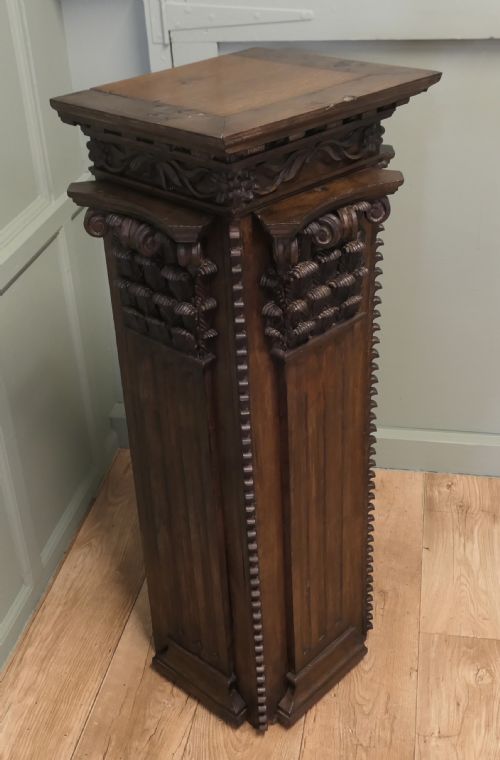
Position your statue on a sturdy surface where it can be viewed from multiple angles, such as a low table or a dedicated pedestal. Ensure it sits away from radiators or damp walls.
Lighting plays a key role in highlighting the carved details and grain. Gentle, indirect light reveals the depth of the tool marks and the richness of the patina.
How do I tell periods apart?
Look closely at the tool marks, the style of the carving, and the condition of the material. Eighteenth-century pieces often display baroque theatricality or specific folk art traditions, while nineteenth-century works may show different approaches to proportion and finish.
Examine the base and underside for signs of age, such as old fixings, tool technology indicators, and natural shrinkage cracks. Comparing the wear patterns to documented examples from the same region helps confirm the era.
What is polychrome wood?
Polychrome wood refers to sculptures that have been painted with various colours after the carving process. This technique was widely used in religious art to bring figures to life with realistic skin tones and garments.
Over time, this paint layer often develops a fine network of craquelure or losses that testify to its age. Preserving these remaining pigments is essential for maintaining the historical integrity of the statue.