
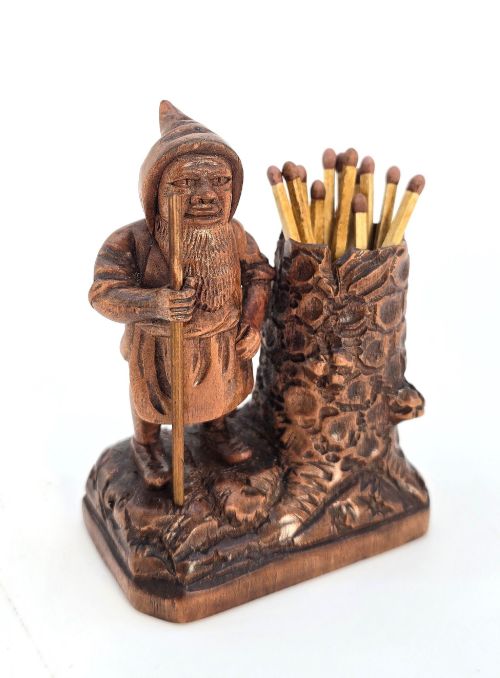
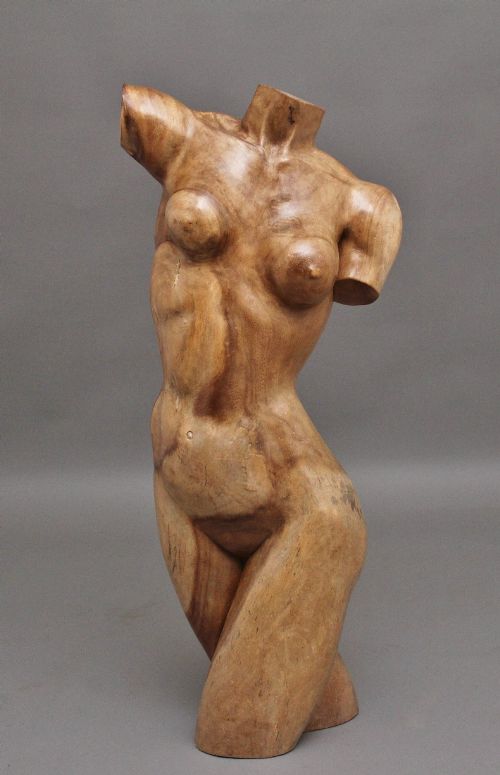
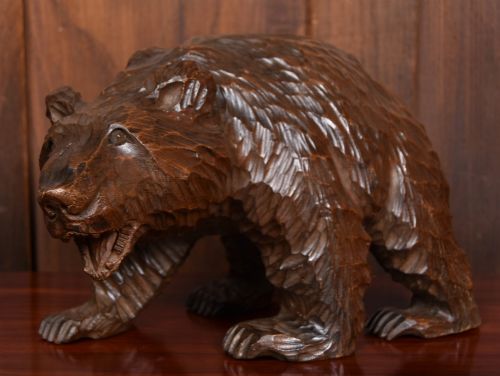
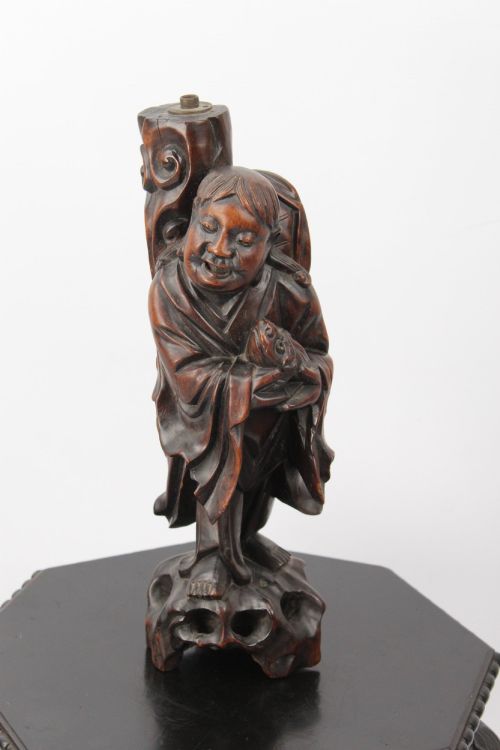
Hand Carved Wooden Figure
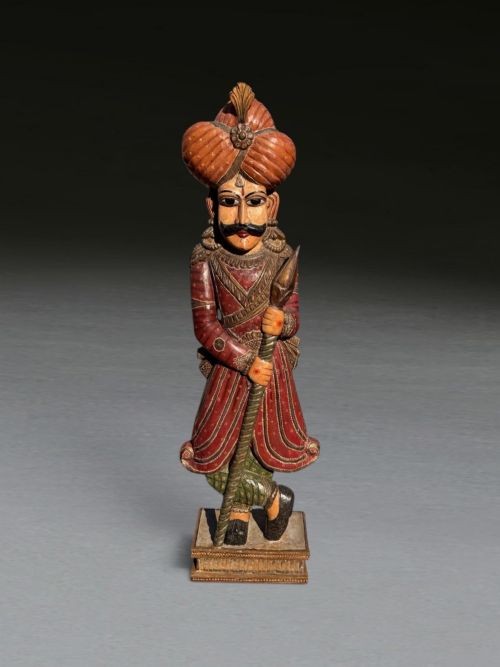
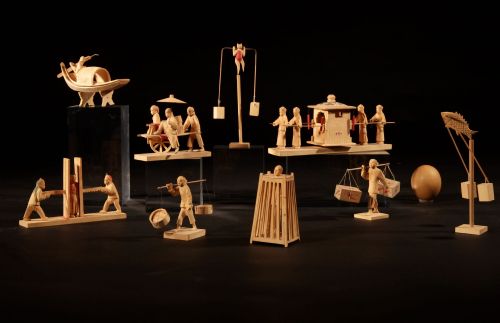
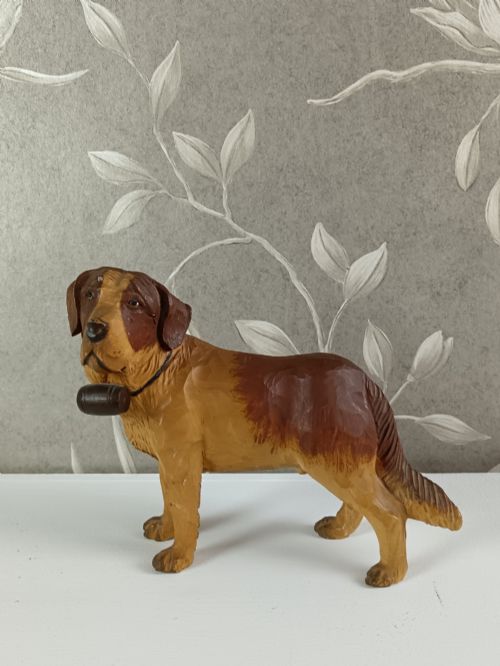
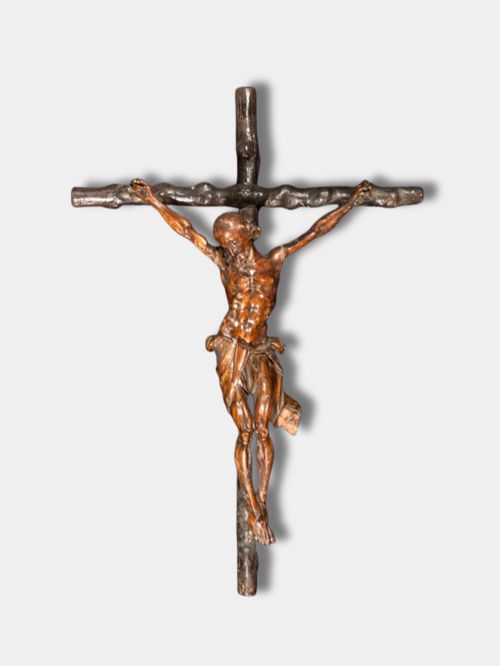
These hand carved wooden figure examples bring tactile presence and rich cultural texture into a room, offering distinct character for any collector.
What hand carved wooden figure pieces are
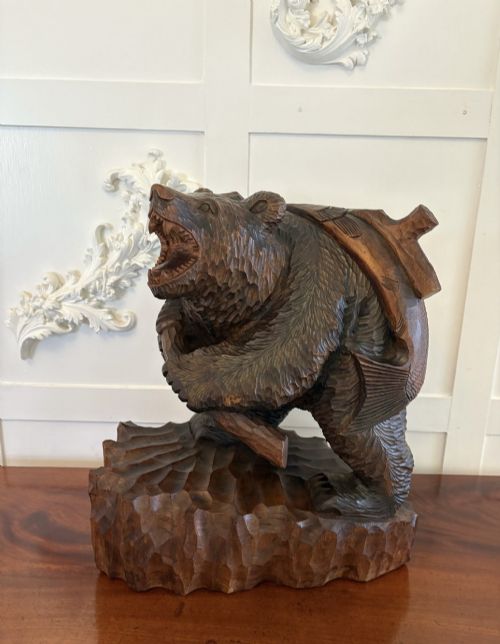
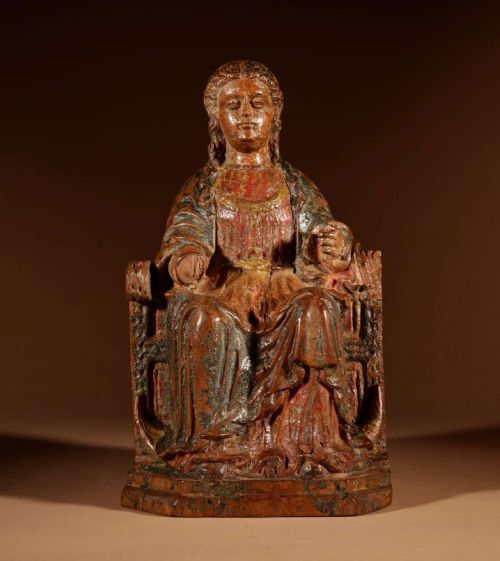
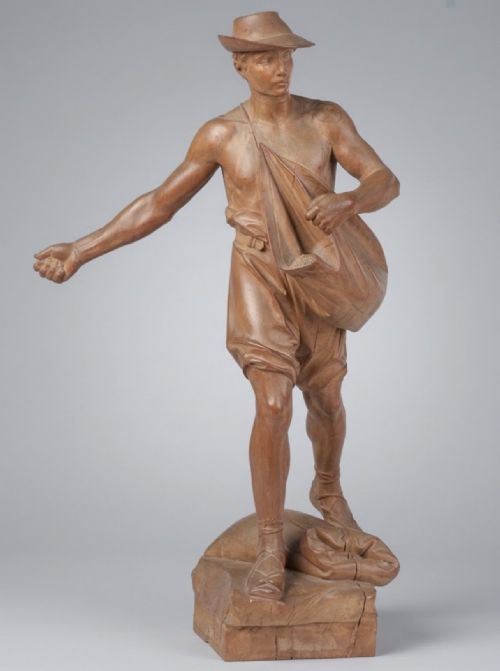
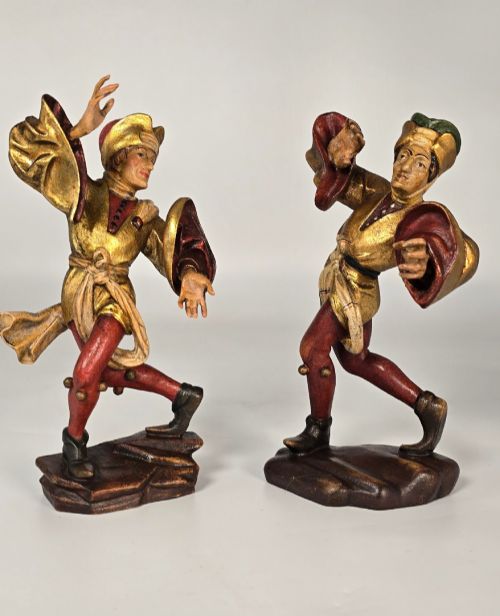
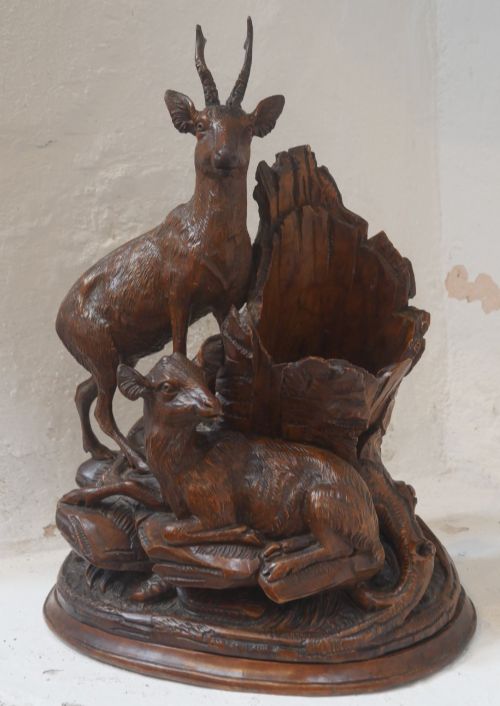
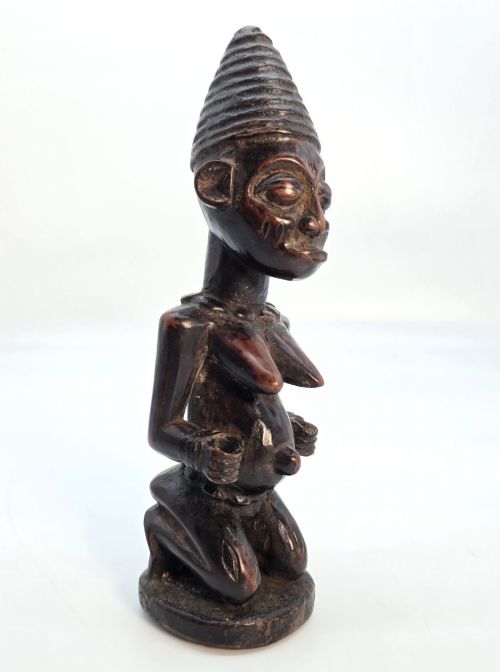
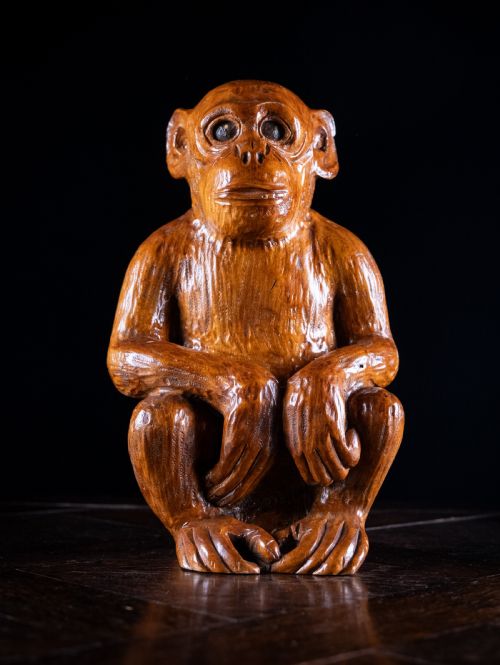
A hand carved wooden figure represents sculptural works shaped by hand from timber across various centuries and traditions. These objects encompass diverse forms ranging from tribal artefacts to European folk art and historical representations.
Buyers frequently encounter works originating from the twentieth century, including English jigger dolls and figures from African tribal art traditions. Pieces span multiple origins such as Central Mali, Ukraine, England, and America.
How they were made
Craftsmen used carved hardwood and general wood materials, shaping the timber with manual cutting techniques. Surface finishes often involve applied paint and wax polish to protect and enhance the grain.
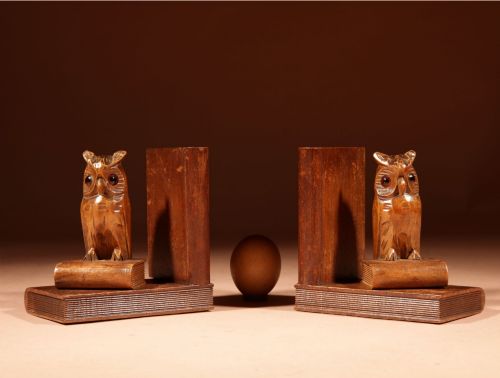
Certain sculptures incorporate mixed media elements such as glass and metal alongside the primary wooden body. These materials reflect the specific regional traditions and period practices of the makers.
Retail Price Guide 2026
Typical UK retail prices for hand carved wooden figure, calculated from the Sellingantiques database of over a million retail prices indexed since 2003. This retail price guide relies exclusively on Sellingantiques data; no external sources or auction records are used, so the figures do not describe the wider market.
Current listings include pieces from the 18th Century, 1920, 1940, and 1950, utilising wood, carved hardwood, paint, wax polish, glass, and metal.
What varies in quality
Quality rests in the expressive power of the carving and the fidelity of the regional style. Expressive character defines the appeal of pieces like the night watchman or tribal sculptures.
The integrity of the original surface treatment, whether painted or wax polished, contributes significantly to the visual weight. Finer examples retain their authentic patina and structural stability over time.
The Hand Carved Wooden Figure Glossary
- Folk Art
- Objects created by self-taught or traditional artisans for community or domestic use. These pieces emphasise functional charm and vernacular style over academic precision.
- Dogon Tribal Art
- Sculptural traditions originating from the Dogon people of Central Mali. Such figures often feature distinct geometric forms and deep cultural significance.
- Wax Polish
- A traditional protective coating applied to timber surfaces. It feeds the wood and develops a gentle sheen over decades of handling.
- Jigger Doll
- A kinetic folk art toy designed to dance or vibrate on a board. These mechanical novelties reflect early twentieth-century domestic entertainment.
Frequently Asked Questions
How do I display a hand carved wooden figure?
Place figures on stable surfaces away from direct heat sources to protect the timber and any applied paint or wax polish.
Allow enough surrounding space for the sculptural form to command attention in the room.
What periods do these carved figures come from?
The pieces span from the eighteenth century through to the mid-twentieth century. Examples include Georgian historical works and early twentieth-century folk art.
Each era brings distinct regional styles and material treatments to the carving.
Are these figures painted or bare wood?
Surfaces vary according to the tradition and origin of the individual sculpture. Some pieces feature applied paint whilst others display plain carved hardwood with wax polish.
Finish choices depend entirely on the stylistic norms of the maker's workshop.
Where do these wooden figures originate from?
Origin locations include England, Ukraine, Central Mali, and America. This global spread reflects diverse cultural practices in woodworking and sculpture.
Tribal art sits alongside European folk art and historical portraiture within the selection.