
Antique Folk Art Sculpture
These pieces of antique folk art sculpture bring untutored hand and vernacular character straight into a room through carved animals, trade signs and devotional figures.
Antique Folk Art Sculpture
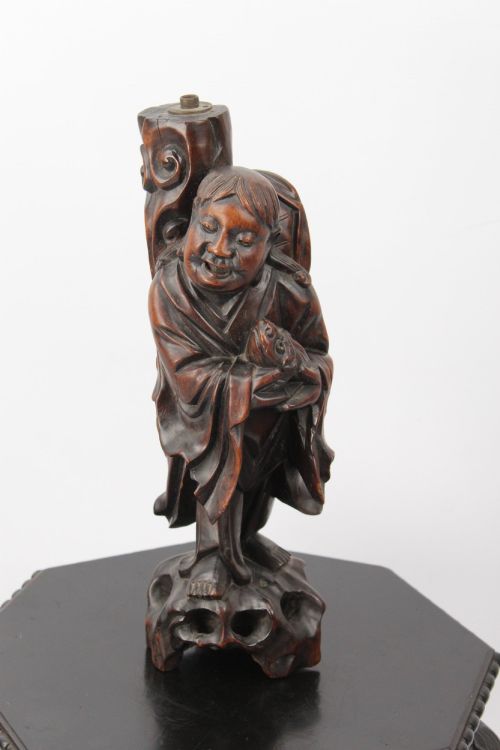
When buyers search for antique folk art sculpture, they seek unpretentious, maker-made objects that sit outside the formal academies of design. The pieces available include carved wooden animals, trade signs, devotional figures, and whimsical models originating from the eighteenth century through to the early twentieth century.
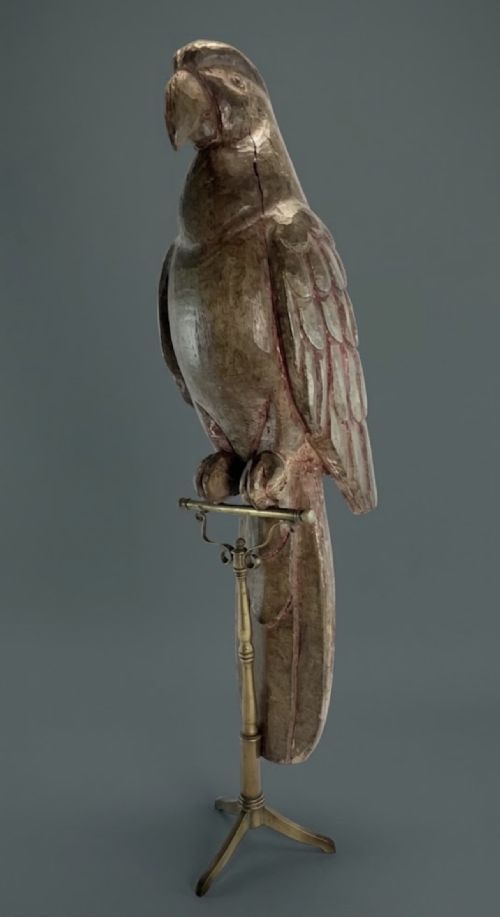
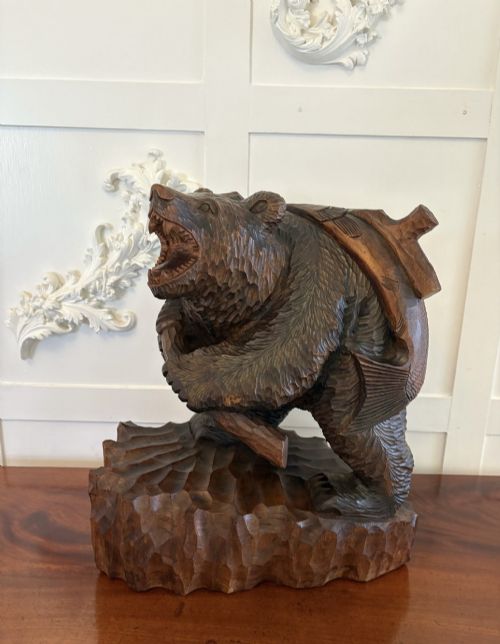
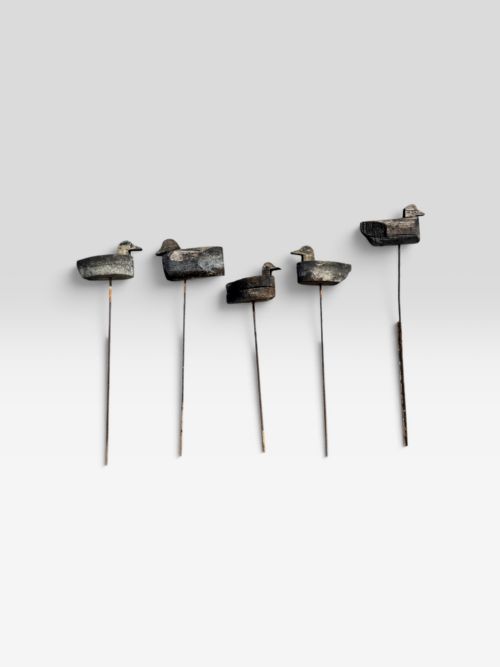
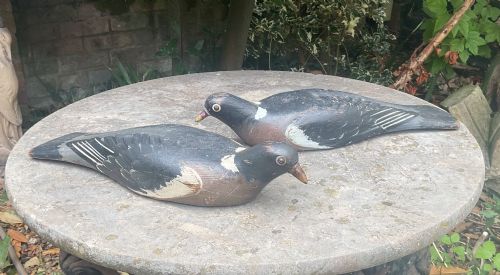
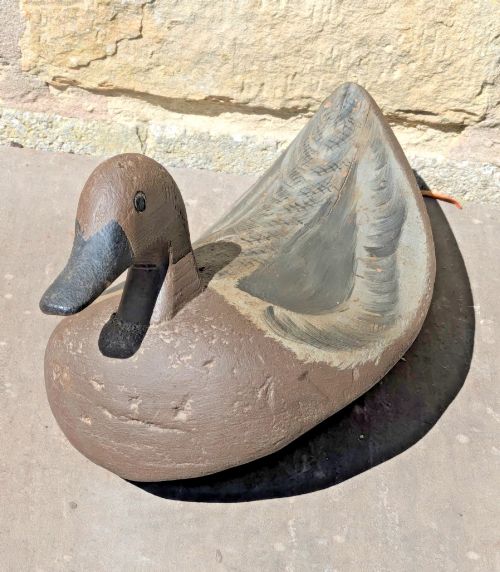
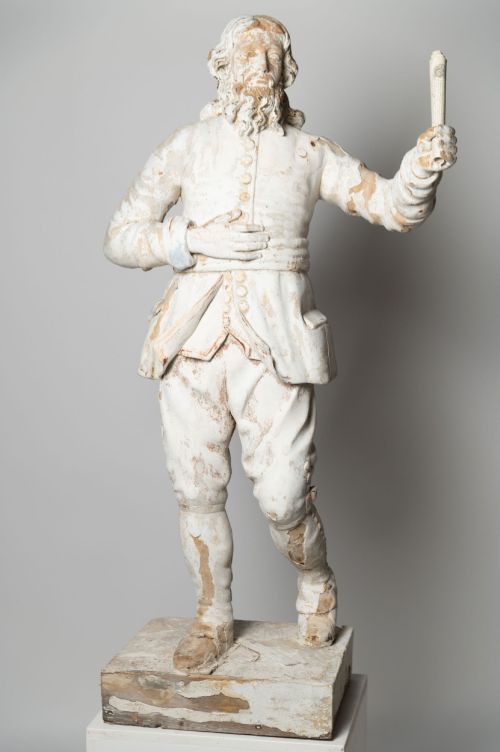
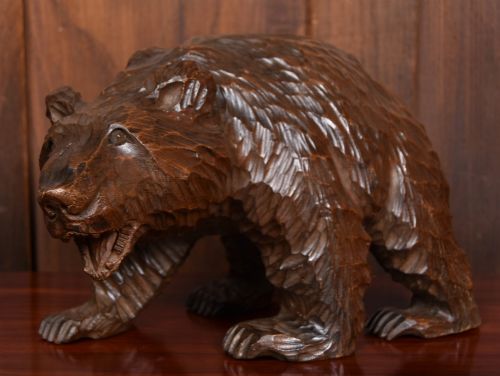
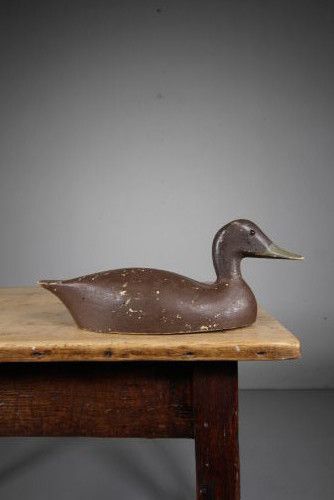
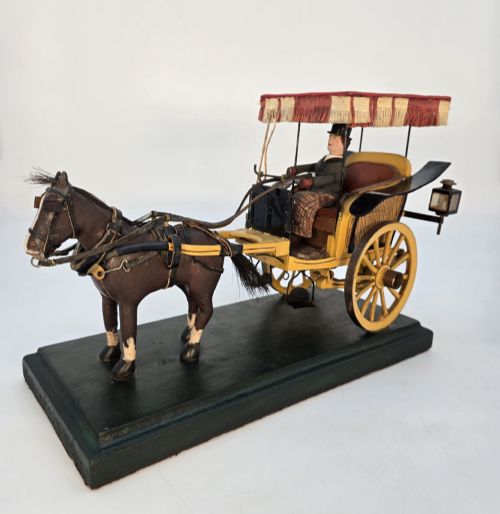
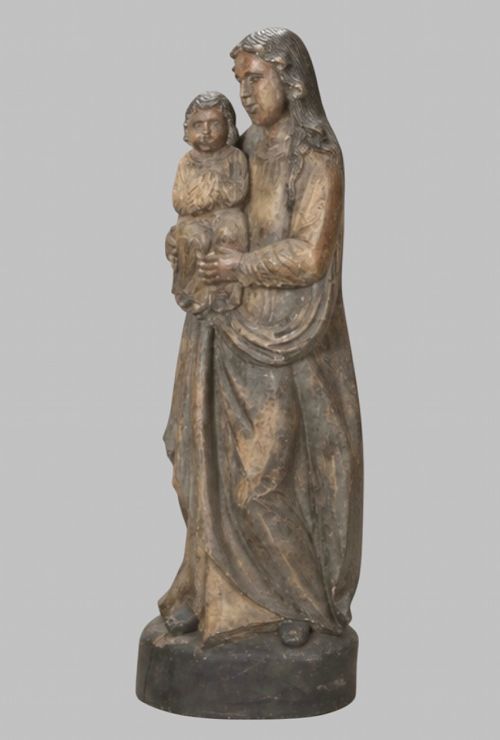
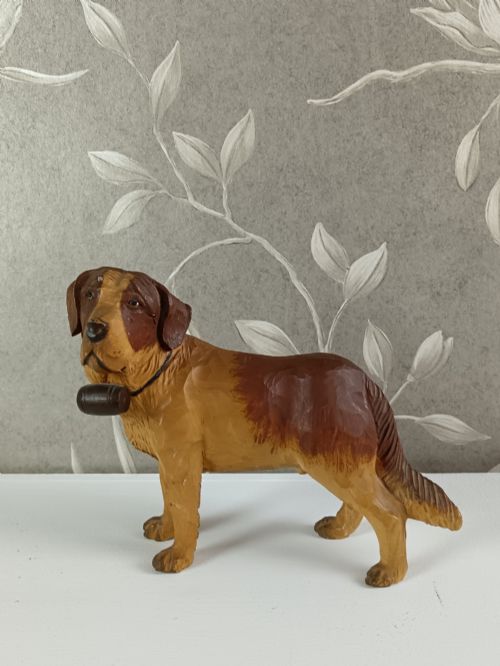
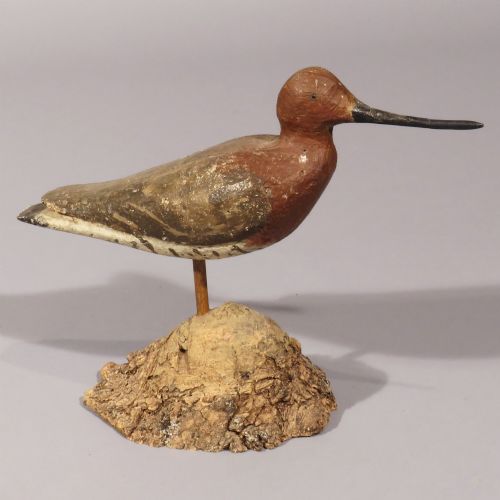
Wooden decoy ducks and pigeons, carved bears, and painted horses emerge most frequently on this page, reflecting rural traditions and coastal pastimes. Figures of saints, trade signs like butcher boards, and fairground carvings add institutional and commercial context to domestic objects.
The materials lean heavily toward organic substances shaped by local hands, predominantly timber, paint, iron, and shell. Origins stretch across England, France, Japan, Scandinavia, and Canada, showing how vernacular sculpture transcends a single regional vocabulary.
Materials and methods
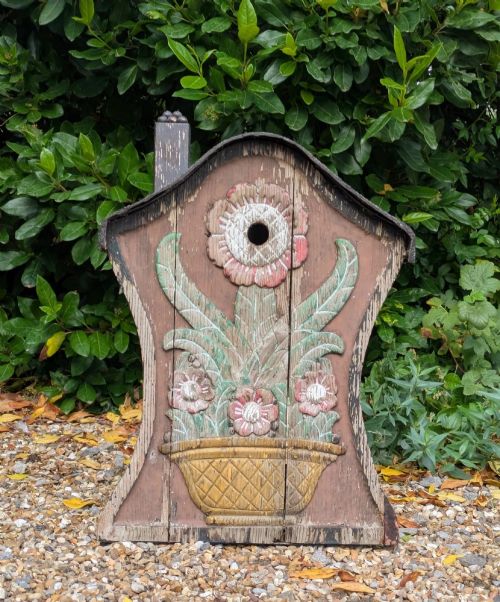
Makers utilised available local timbers such as hardwood, elm, fruitwood, and linden wood, shaping them with gouges, knives, and simple workshop tools. Carved elements were frequently finished with layers of oil paint or distemper, providing both surface protection and expressive colour.
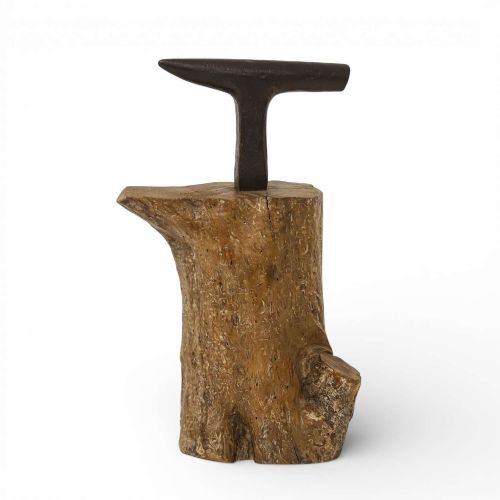
Mixed media constructions combined carved wood with metal, brass, iron, or bone, seen in items such as farrier's anvils mounted on trunks or Inuit kayak models. Assemblage techniques also appear in shell work churches and cork dioramas built inside twig frames.
Antique Folk Art Sculpture Retail Price Guide 2026
Typical asking prices for folk art sculpture among the pieces listed under this phrase on Sellingantiques today, from the lower quarter to the upper quarter. They describe what is for sale here now, not the wider market.
Listings feature wood, paint, iron, brass, and shell across periods spanning the eighteenth, nineteenth, and early twentieth centuries.
What determines quality
Quality rests upon the strength of the carver's visual observation and the confidence of the hand, where a naive proportion still achieves anatomical conviction. The best examples display energetic tool marks that retain the immediacy of the maker's intent without becoming stiff or formulaic.
Surface preservation significantly alters desirability, particularly where original layered paint or untouched patination remains intact through decades of handling. Objects that show genuine working wear without over-restoration hold greater integrity than those scrubbed down to bare timber.
The Antique Folk Art Sculpture Glossary
- Decoy
- A carved and painted bird or animal utilised by hunters to attract waterfowl or pigeons. These working objects form a major category of wooden folk carving.
- Trade sign
- A large painted or carved board or sculpture hung outside a shop to advertise a trade or profession, such as a butcher or farrier. They rely on bold graphic clarity to catch the eye from the street.
- Devotional figure
- A carved representation of a saint, madonna, or deity intended for domestic shrines or religious contemplation. They carry deep spiritual significance combined with vernacular execution.
- Whimsey
- An intricate object carved from a single piece of wood or constructed inside a bottle as a display of technical patience by sailors or prisoners of war. These demonstrate high levels of independent craftsmanship.
- Vernacular
- Architecture, tools, or sculpture created by local craftsmen using traditional methods for everyday needs rather than high academic design. It represents the authentic material culture of a specific community.
Antique Folk Art Sculpture: Frequently Asked Questions
What is folk art sculpture?
Folk art sculpture encompasses utilitarian and decorative objects made by untrained or self-taught makers, ranging from working duck decoys to trade signs and carved animals.
These pieces reflect local traditions, trades, and domestic creativity rather than the formal training of academic studios.
How were wooden decoys used?
Decoys were floated on water or placed in fields to lure real birds within range for hunters during the nineteenth and early twentieth centuries.
Once their working life ended, their appealing painted surfaces and simplified forms turned them into sought-after decorative objects.
How do I date antique sculptures?
Dating relies upon examining tool marks, timber types, and the composition of the original paint layers, alongside stylistic clues from clothing or trade practices.
Comparing pieces to dated examples, such as signed models or dated trade signs, helps establish a reliable period frame.
Where were these sculptures made?
They originated across rural and coastal communities globally, with distinct regional styles emerging from England, France, Scandinavia, Japan, and Canada.
Local materials and specific regional pastimes directly shaped the subjects that local makers chose to carve.
How do I care for wooden folk art?
Keep wooden and painted sculptures away from direct sunlight and sudden humidity changes to prevent the timber from splitting or paint from flaking.
Dust gently with a dry cloth and avoid harsh cleaning products that might strip away fragile historical patination.