
Carved Wooden Folk Art
Carved wooden folk art brings together utilitarian objects and vernacular sculpture shaped by makers working outside formal academies.
Carved Wooden Folk Art
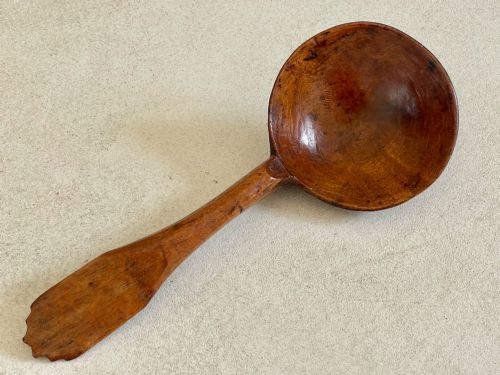
When you search for carved wooden folk art, you encounter a diverse range of vernacular objects produced for domestic use, trade, or personal expression. These pieces span utility and ornamentation, crossing paths with treen, devotional carvings, and domestic furnishings.
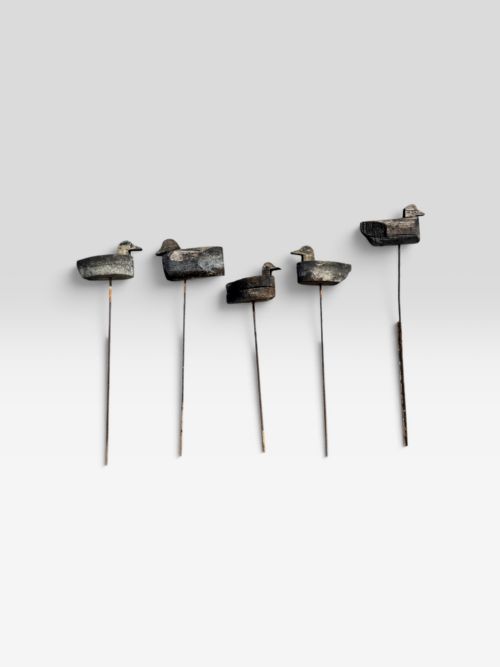
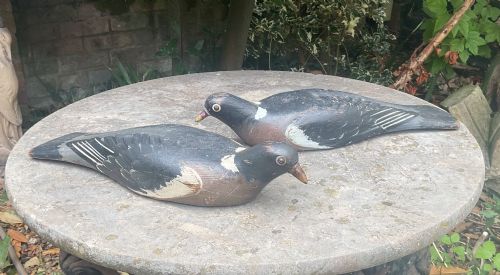
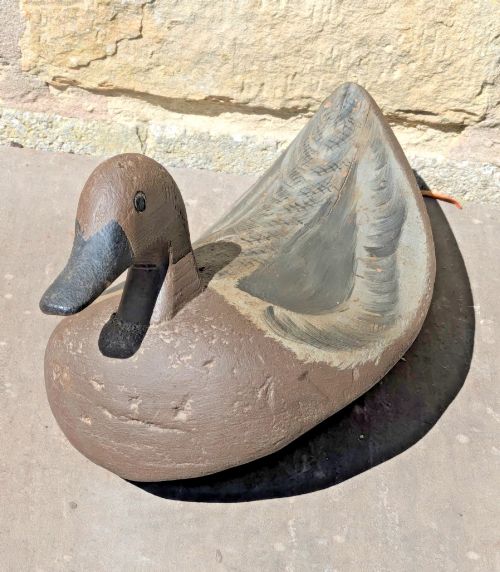
The inventory on this page draws heavily from the nineteenth and early twentieth centuries, though earlier examples from the seventeenth and eighteenth centuries appear through specialised forms like chip carved foot stoves and mangle boards. Typical utilitarian survivals include painted duck decoys, snuff boxes, knitting sheaths, and foot warmers, alongside sculptural figures and architectural elements.
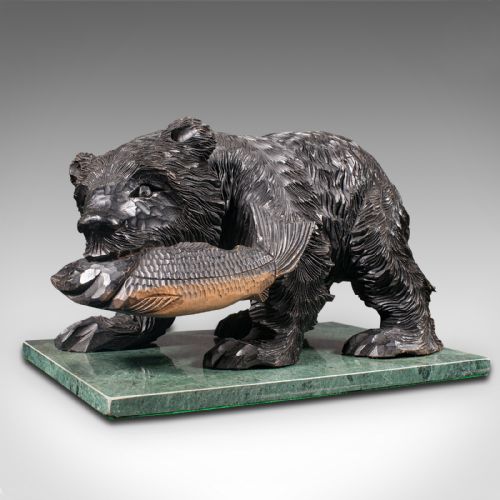
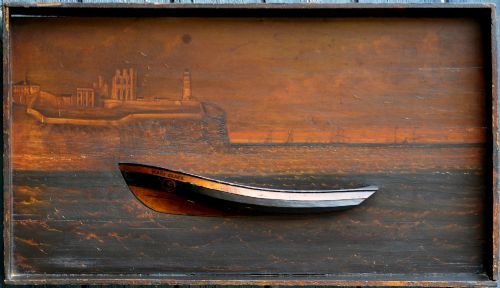
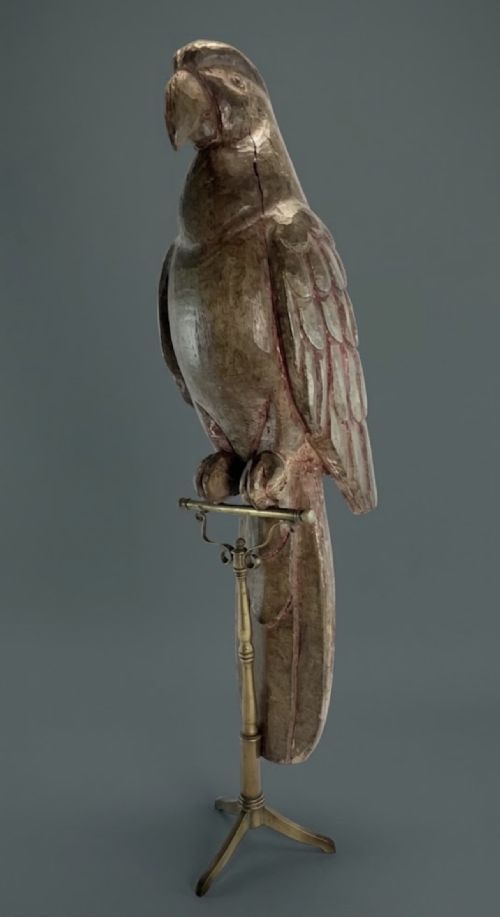
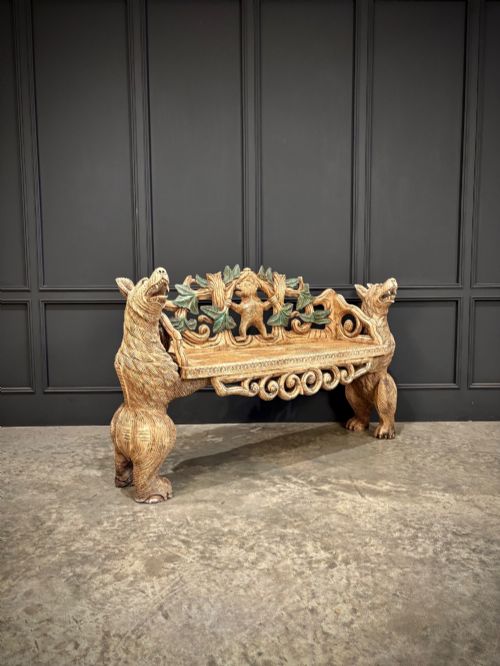
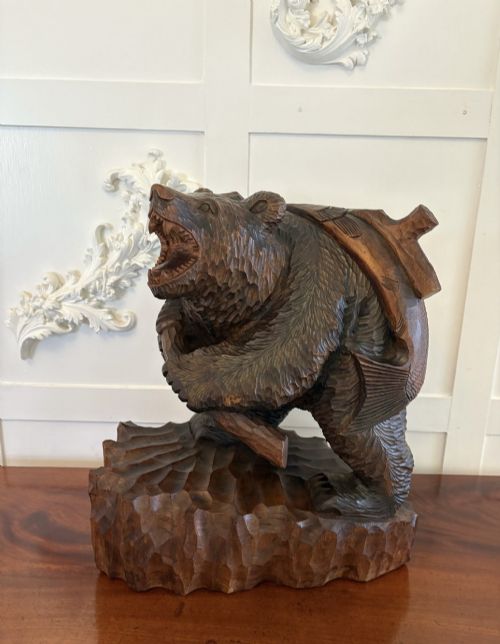
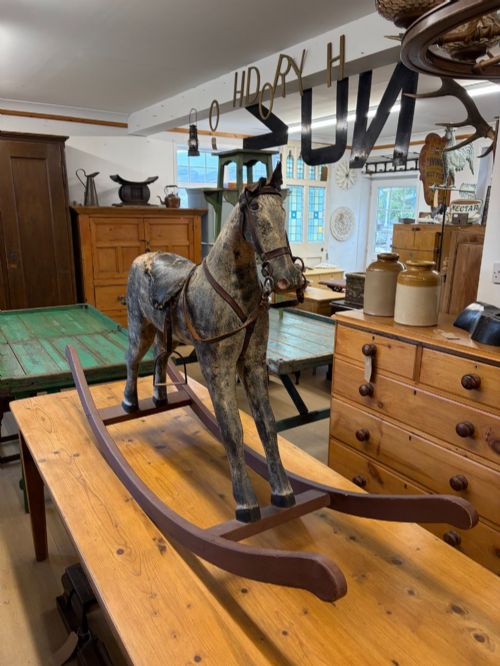
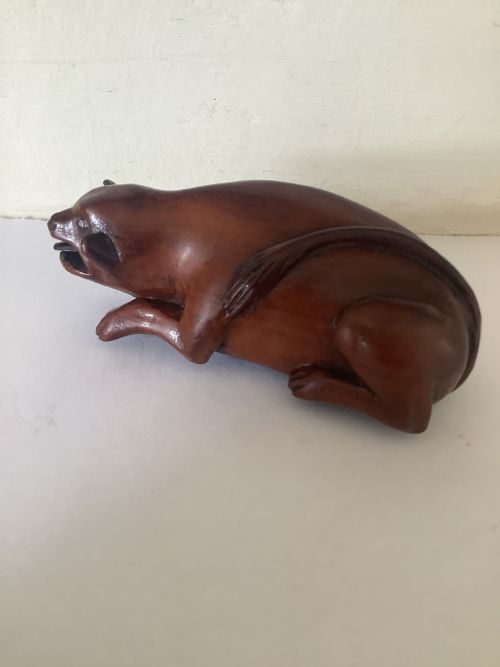
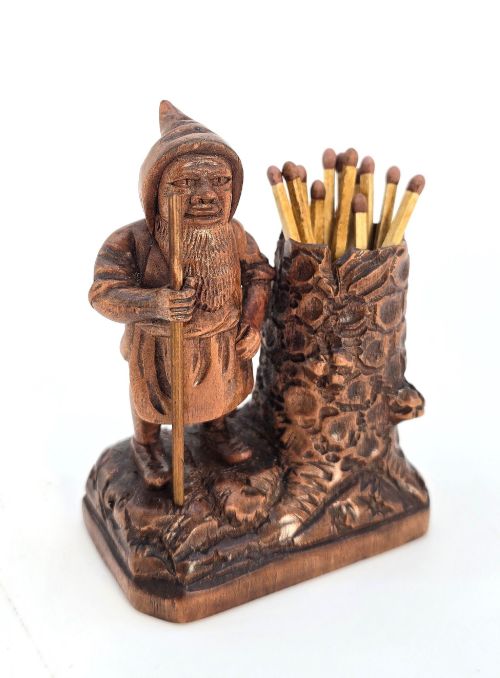
Regional styles surface distinctly across the selection, encompassing English, Scandinavian, French tramp art, Frisian, and Black Forest traditions. Animal figures, human characters, and structural models dominate the sculptural forms, each carrying the distinct marks of individual maker habits rather than industrial uniformity.
How they were made
Makers utilised available local timbers such as oak, pine, fruitwood, linden, and walnut, selecting woods based on immediate utility or suitability for detailed incision. Many objects rely on basic hand tools, featuring knife cuts, chip carving, punchwork, and incised line decoration.
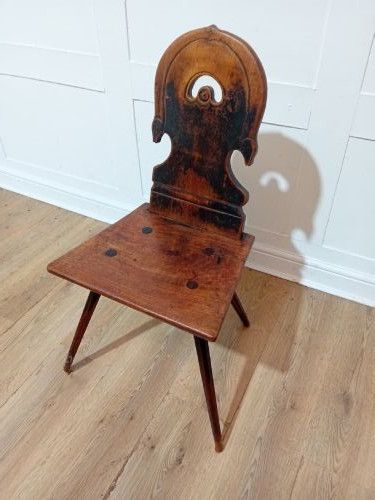
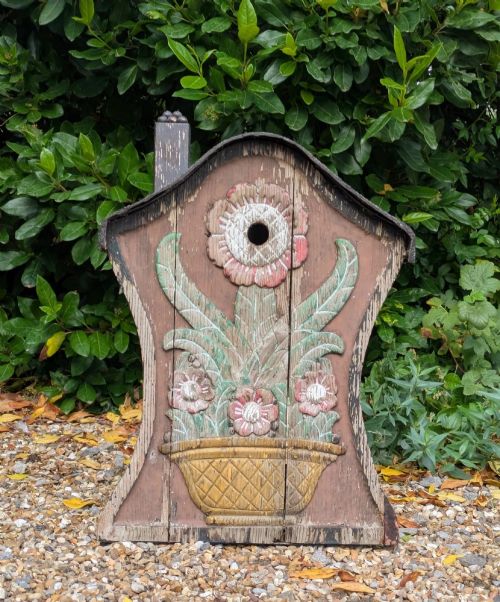
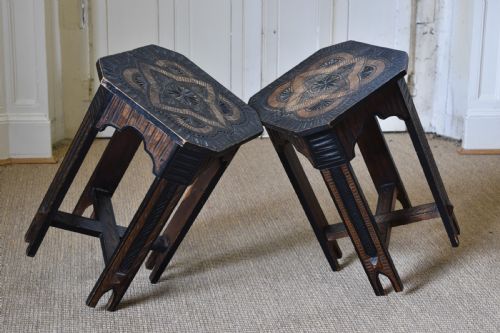
Surface treatment plays a significant role in the construction of these pieces, with many items retaining original paint, varnish, or natural patination built up through handling and age. Scratched construction, pegged joints, and hand-carved hinges appear frequently across boxes, toys, and furniture.
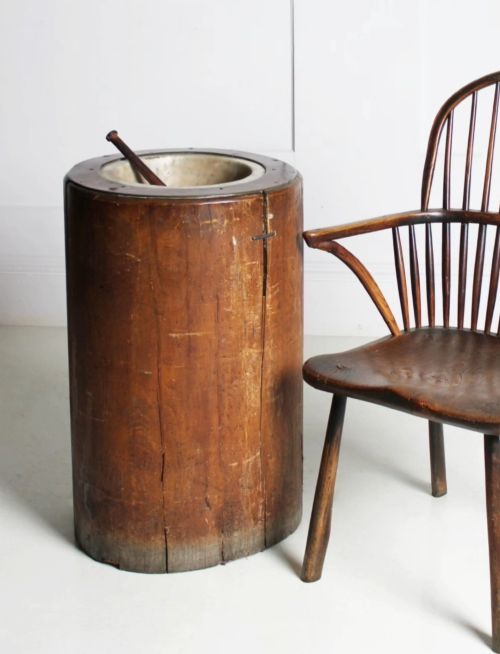
Listings feature woods such as oak, pine, fruitwood, and walnut, alongside painted surfaces, iron fittings, and brass details.
What varies in quality
Quality rests upon the confidence of the hand and the clarity of the carving, distinguishing casual domestic efforts from more accomplished vernacular execution. Strong sculptural proportion and deliberate tool work elevate simple forms above purely repetitive items.
Surface preservation dictates much of the appeal, rewarding pieces that retain their original untampered paint, integrated patination, and legible dates or signatures. Extent of wear, structural integrity, and the survival of delicate applied details also divide standard domestic survivals from exceptional examples.
The Carved Wooden Folk Art Glossary
- Treen
- Small handmade wooden household objects and utilitarian wares produced before the widespread adoption of plastics. These items include kitchen implements, boxes, and personal accessories shaped for daily domestic service.
- Chip carving
- A decorative technique where small chips are removed from the surface of a piece of wood using knives or chisels to create geometric patterns. It appears frequently on boxes, foot stoves, and functional boards.
- Decoy
- A carved and painted wooden bird or animal used by hunters to attract wildlife. These objects are prized for their working utility and the expressive nature of their surface paint.
- Mangle board
- A flat wooden board with a handle, used historically in Scandinavia and Northern Europe to smooth linen around a roller. They are often heavily carved with dates, initials, and symbolic motifs.
- Knitting sheath
- A small carved wooden sleeve tucked into a belt to hold a knitting needle steady during hand production. They often feature punchwork and incised line decoration reflecting personal carving traditions.
- Tramp art
- A style of chip carving where pieces of wood from discarded cigar boxes or packing crates are notched and layered to form decorative objects. This technique creates textured surfaces on small furniture and frames.
Carved Wooden Folk Art: Frequently Asked Questions
What is carved wooden folk art?
Carved wooden folk art encompasses objects made by self-taught or traditional craftspeople outside academic art training. These items range from practical household tools and boxes to figures and animal sculptures.
Materials are typically local woods shaped with hand tools, often finished with paint or simple chip carving. The category prioritizes utility, personal expression, and regional tradition over high-style academic design.
How were foot stoves used?
Foot stoves were small wooden boxes pierced with decorative fretwork or chip carving, designed to contain a small metal pan of hot coals. Individuals placed their feet on top of the wooden casing to stay warm during cold church services or horse-drawn journeys.
These objects often feature pierced patterns that allowed heat to escape safely while displaying intricate geometric carving. Their survival offers insight into historical domestic heating methods.
How do you date folk art carvings?
Dating relies on material patination, tool marks, construction methods, and stylistic conventions associated with specific periods like the nineteenth century or earlier. Many pieces carry direct evidence through carved dates, maker initials, or inscriptions.
Comparative analysis with dated examples of treen, decoys, or regional boxes helps establish a reliable timeframe. Wear patterns and original surface treatments further assist in confirming an era.
What are tramp art items?
Tramp art consists of objects constructed by layering notched, chip carved pieces of wood sourced from scrap materials like cigar boxes. Makers utilised pocket knives to fashion small furniture, frames, and household containers.
The resulting texture relies on geometric layering rather than solid timber carving. These pieces gained popularity during the nineteenth and early twentieth centuries.