


Antique Folk Art Treen
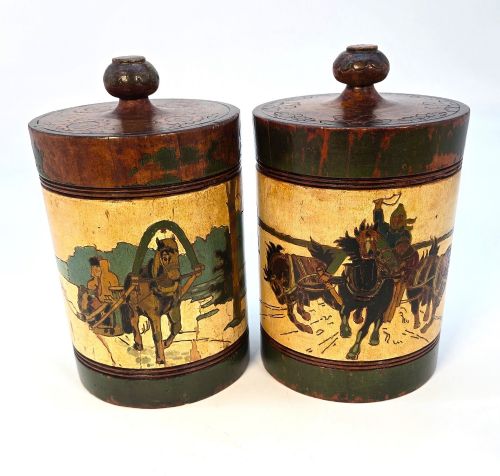
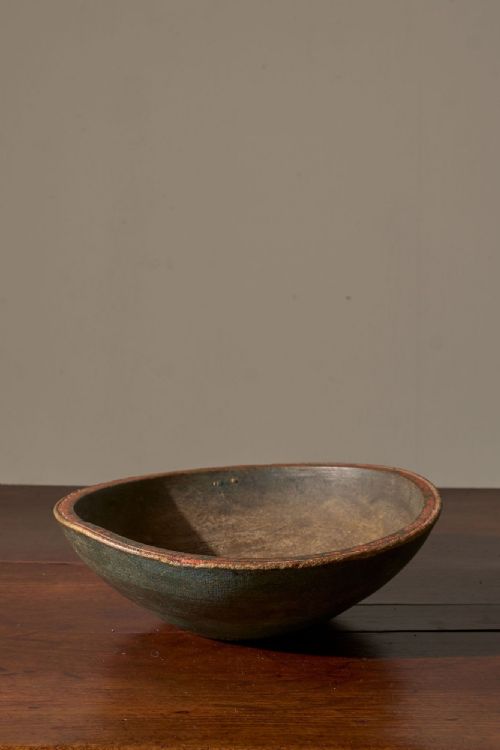
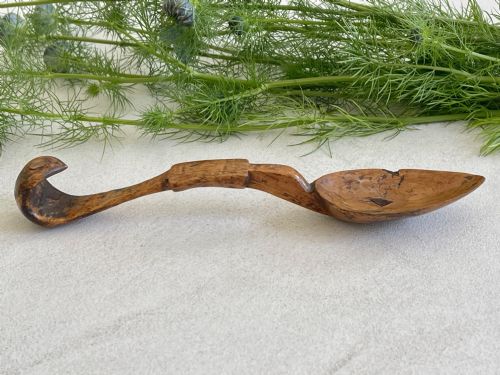
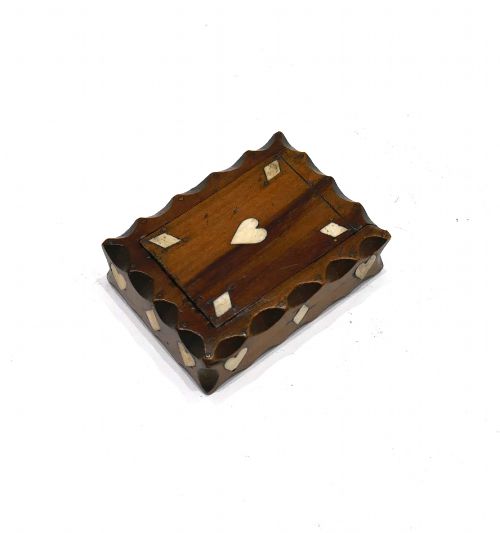
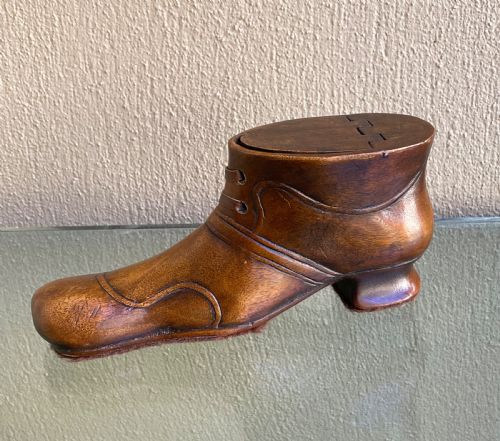
These antique folk art treen pieces are small, beautifully carved wooden utilitarian objects that bring immense tactile character to a room.
What antique folk art treen pieces are
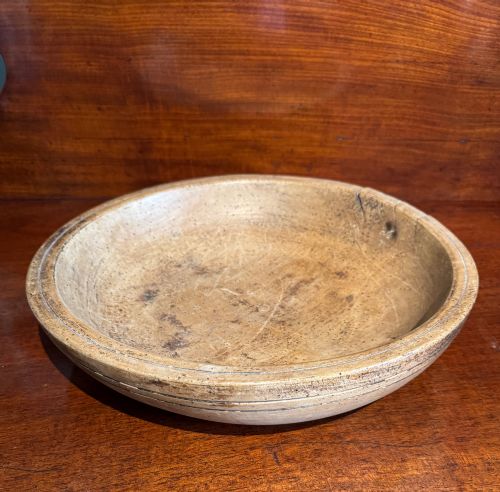
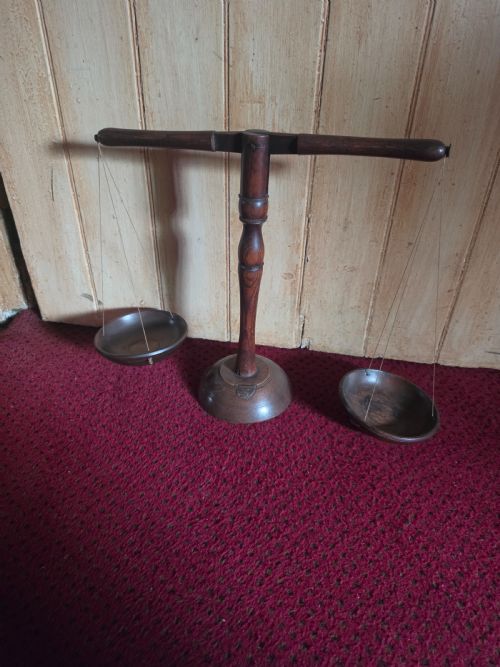
When you search for antique folk art treen, you encounter small domestic wooden items carved by hand for everyday use. These items bridge utility and personal expression, created mostly during the eighteenth and nineteenth centuries.
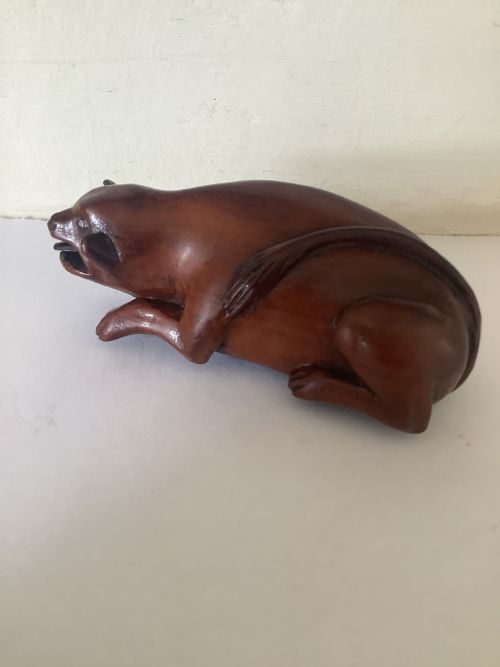
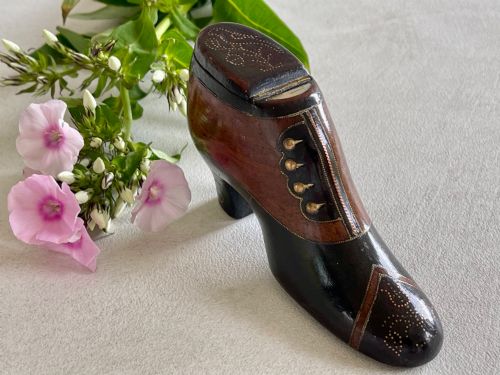
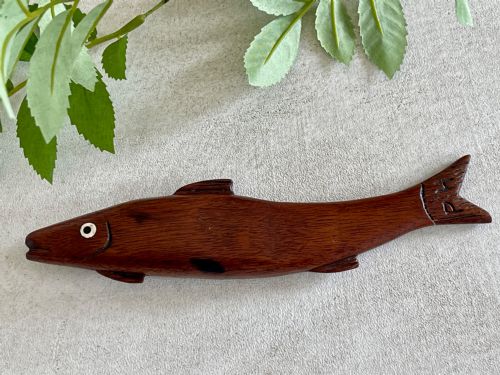
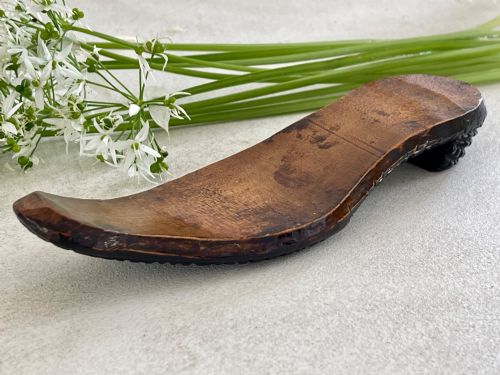
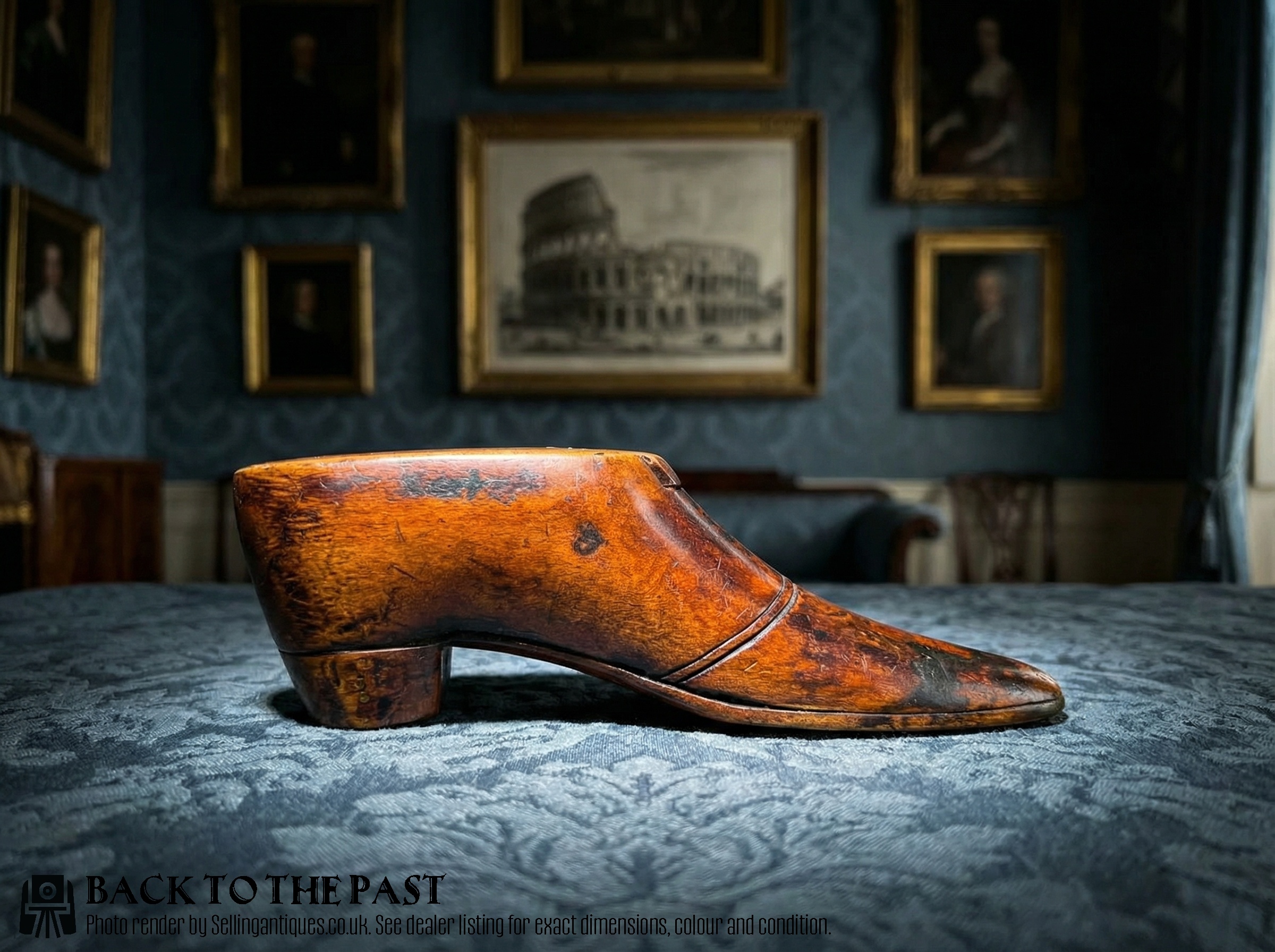
You are most likely to meet pocket-sized snuff boxes, knitting sheaths, and shoe-shaped containers on this page. Makers shaped these objects from hardwoods and fruitwood, often decorating them with chip carving, inlay, or figurative bird and fish designs.
How they were made
Craftspeople utilised native timbers such as fruitwood and various dense hardwoods to shape these objects by hand. They relied on traditional bench tools like gouges and small knives to achieve the intricate contours seen on birds, fish, and shoes.
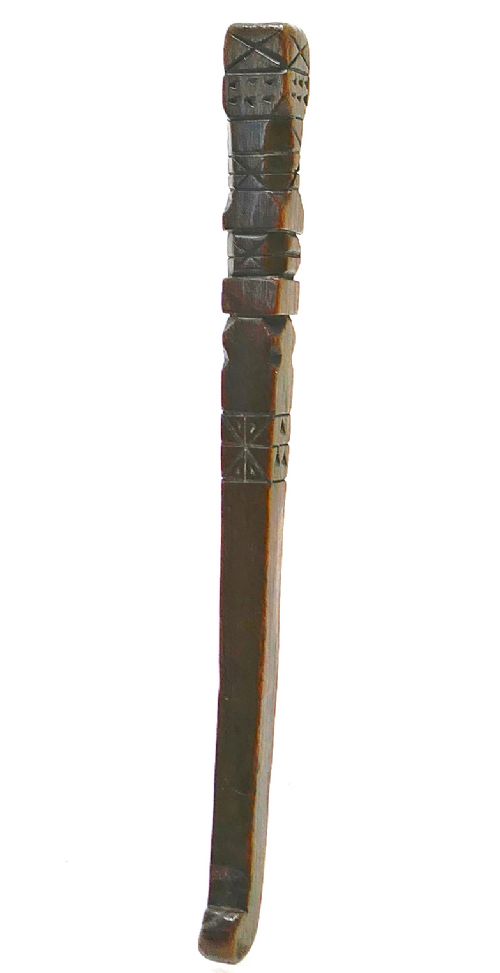
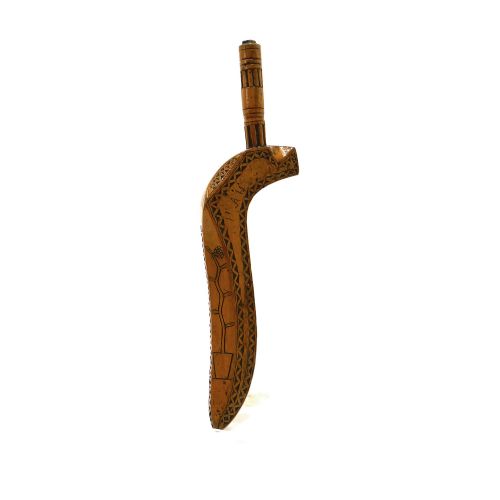
Decoration often involved chip carving directly into the timber surface to create geometric patterns of diamonds, circles, and triangles. Artisans also incorporated contrasting materials, adding bone, brass, glass, and fruitwood inlay to accentuate the carved details.
Retail Price Guide 2026
Typical UK retail prices for folk art treen, calculated from the Sellingantiques database of over a million retail prices indexed since 2003. This retail price guide relies exclusively on Sellingantiques data; no external sources or auction records are used, so the figures do not describe the wider market.
Listings feature items dated across the eighteenth and nineteenth centuries, constructed from fruitwood, hardwood, bone, and brass.
What varies in quality
The distinction between standard items and exceptional pieces rests on the ambition of the carving and the crispness of the surface detail. Bold figurative forms like birds, fish, and figural shoes demand greater sculptural skill than simple geometric containers.
Surface patina and the integration of decorative inlays heavily influence the desirability of a piece. Well-handled timber develops a warm, smooth finish over generations of touch, while precise chip carving remains sharp and deliberate despite centuries of age.
The Antique Folk Art Treen Glossary
- Treen
- Small handmade wooden objects for domestic or personal use. The word derives from the old English word for tree.
- Chip carving
- A technique where small chips of wood are removed from a single piece to create geometric surface patterns. This method relies entirely on knife work rather than applied decoration.
- Knitting sheath
- A domestic device tucked into a belt or apron to hold a knitting needle steady. They frequently take imaginative shapes like fish or carry detailed inlaid motifs.
- Snuff box
- A small pocket container designed to hold powdered tobacco. Examples in this category often feature sliding lids or figural bird and shoe forms.
- Seam rubber
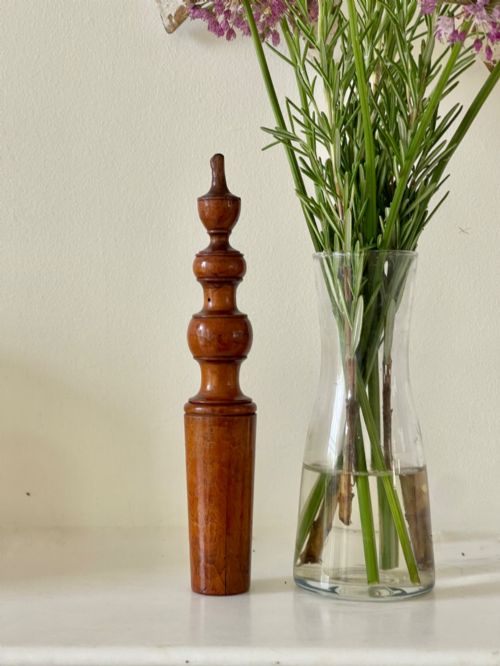
- A smooth handheld tool utilised by tailors and sailors to flatten fabric seams without heat. They are typically shaped from dense hardwood for durability.
Frequently Asked Questions
What is antique treen?
Antique treen encompasses small, functional wooden objects made before the mass production of household goods. These items include kitchenware, personal accessories, and desk items shaped by hand.
Craftsmen and amateurs alike turned, carved, and whittled these pieces from local timber. They served practical daily functions while often carrying decorative or sentimental value.
How were snuff boxes used?
Snuff boxes held finely ground tobacco that users consumed by inhaling a small pinch into the nose. These pocket-sized containers kept the powder dry and secure during daily activities.
Carved wooden examples often feature sliding lids or hinged compartments. Their tactile forms made them satisfying personal objects to carry and handle.
What is a knitting sheath?
A knitting sheath anchored one end of a knitting needle against the user's body to speed up hand production. Knitters tucked the base into a belt, apron string, or waistband while working.
Because workers spent countless hours using them, these sheaths were frequently carved with care or given as tokens of affection. Collectors prize them for their sculptural variety.
How do I care for treen?
Treen requires stable environmental conditions away from direct heat sources and dramatic humidity shifts. Excessive dryness causes old hardwood and fruitwood to split or warp.
Apply a microcrystalline wax sparingly if the timber appears dry, buffing it gently with a soft cloth. Avoid harsh liquid cleaners or soaking wooden pieces in water.