
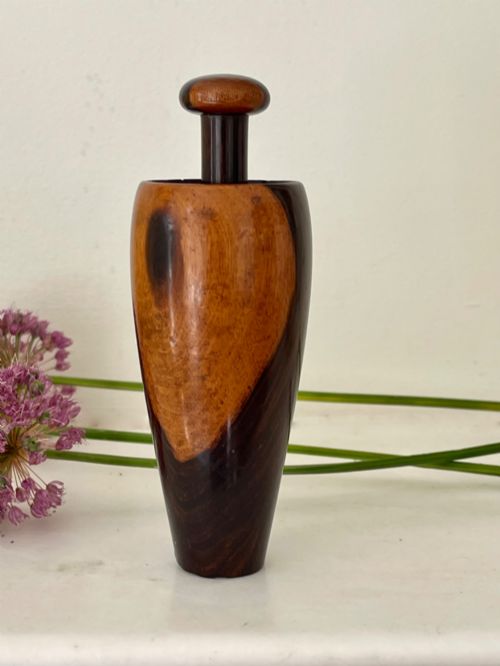
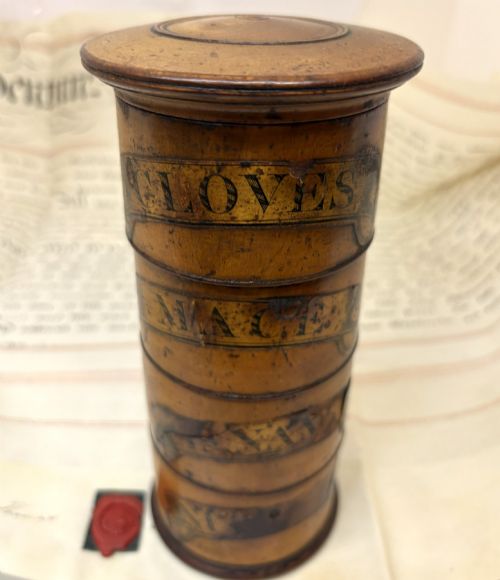
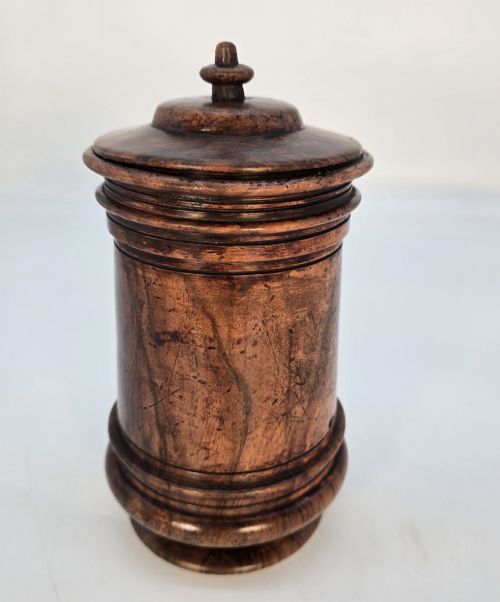
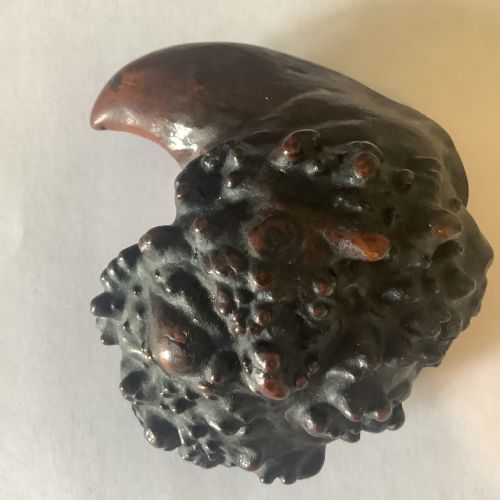



Georgian Treen Box
A georgian treen box is a small wooden container shaped for function and formed by hand.
Georgian Treen Box
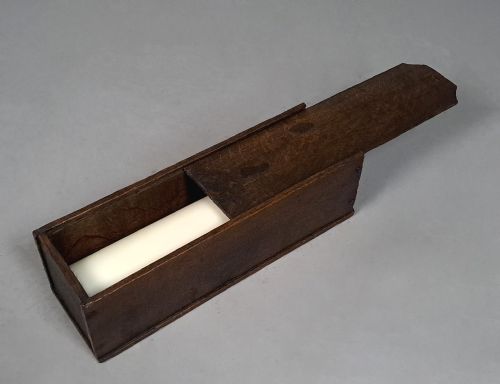
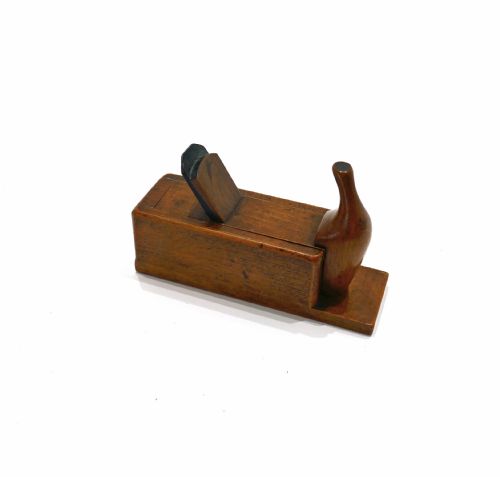
A georgian treen box encompasses utilitarian wooden containers made primarily during the eighteenth and nineteenth centuries. These pieces range from simple spice towers and snuff boxes to candle boxes, tobacco jars, and money boxes.
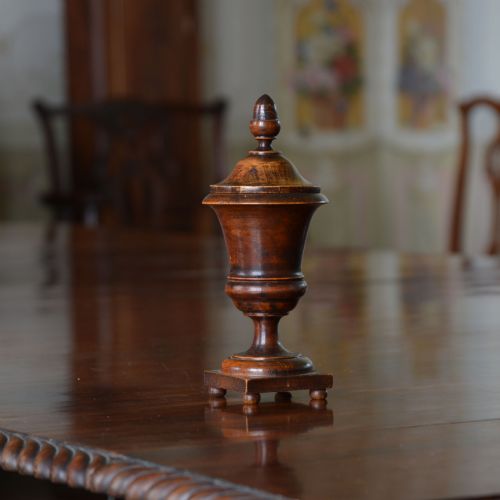
You will frequently encounter fruitwood, boxwood, and oak examples shaped into specialised objects like shoes, barrels, and campana urns. Many retain their original domestic purpose, such as holding nutmeg, tobacco, or matches.
The selection spans vernacular pieces from the Georgian era alongside later Victorian and Edwardian interpretations. Makers utilised native timbers to produce functional smallwares that served everyday household needs.
Materials and Construction
Turned wood and solid timber form the foundation of these smallwares, with fruitwood, boxwood, walnut, and oak appearing frequently across the inventory. Artisans selected dense hardwoods that tolerated intricate turning on a lathe and fine hand carving.
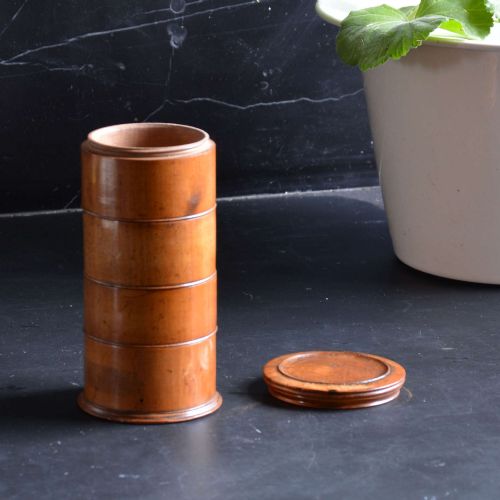
Construction techniques include coopered staves for barrels and tobacco boxes, joined panels for candle boxes, and turned sections for multi-tier spice towers. Metal hinges, brass piqué work, and pewter components occasionally reinforce or decorate the wooden bodies.
Listings feature multiple timber varieties including boxwood, fruitwood, oak, walnut, yew-wood, and mahogany.
Assessing Quality and Execution
The distinction between ordinary and superior pieces lies in the precision of the turning and the crispness of the carved detail. Elaborate forms such as shoe snuff boxes, figural hand fists, and tiered spice towers demonstrate greater artisanal skill than plain cylindrical containers.
Patina and surface preservation heavily influence the character of each box. Untreated wood that displays natural grain, age-related warmth, and minimal surface disruption commands greater attention from collectors than heavily restored examples.
The Georgian Treen Box Glossary
- Treen
- Small handmade wooden objects for domestic use. The term derives from the old English word for tree.
- Spice tower
- A multi-tiered cylindrical container designed to hold various culinary spices. Sections typically stack or screw together.
- Coquilla nut
- The hard, mottled brown seed of the Brazilian palm tree, frequently carved into small snuff and patch boxes during the Georgian period.
- Tunbridge Ware
- Small wooden items decorated with precise mosaic patterns formed from multiple tiny blocks of naturally coloured woods.
- Coopered
- Constructed from wooden staves bound together with hoops, a method traditional to barrels, buckets, and certain tobacco containers.
Georgian Treen Box: Frequently Asked Questions
What was a spice tower used for?
A spice tower held powdered culinary spices in separate stacked compartments for kitchen or dining table use.
Travellers and households utilised these compact containers to keep flavourings accessible in a single portable unit.
Why are so many boxes shaped like shoes?
Shoe snuff boxes were whimsical personal accessories popular in the eighteenth and nineteenth centuries.
Carvers fashioned footwear containers from fruitwood and mahogany to amuse users during social snuff-taking rituals.
How do I care for antique treen?
Keep wooden boxes away from direct sunlight and sudden temperature changes to prevent the timber from splitting.
Apply a light microcrystalline wax occasionally to protect the surface without building up sticky residue.
How can I tell Georgian treen from later copies?
Examine the tool marks, timber choice, and wear patterns visible on the interior and base of the object.
Georgian items typically display hand-turned ridges and aged patination consistent with centuries of handling.