

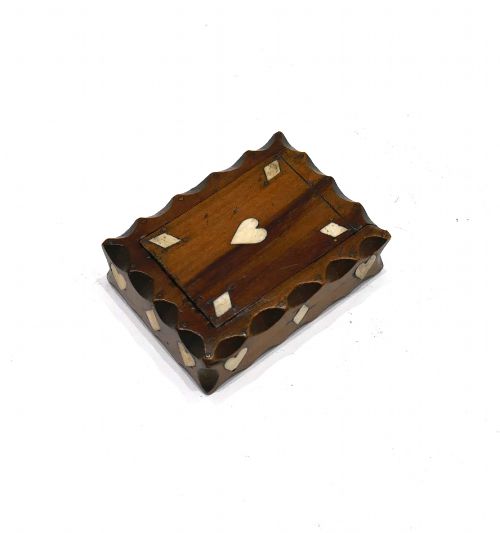


Victorian Wooden Snuff Box
A Victorian wooden snuff box is a pocket-sized piece of material history that once carried powdered tobacco, offering tactile charm and clever folk artistry.
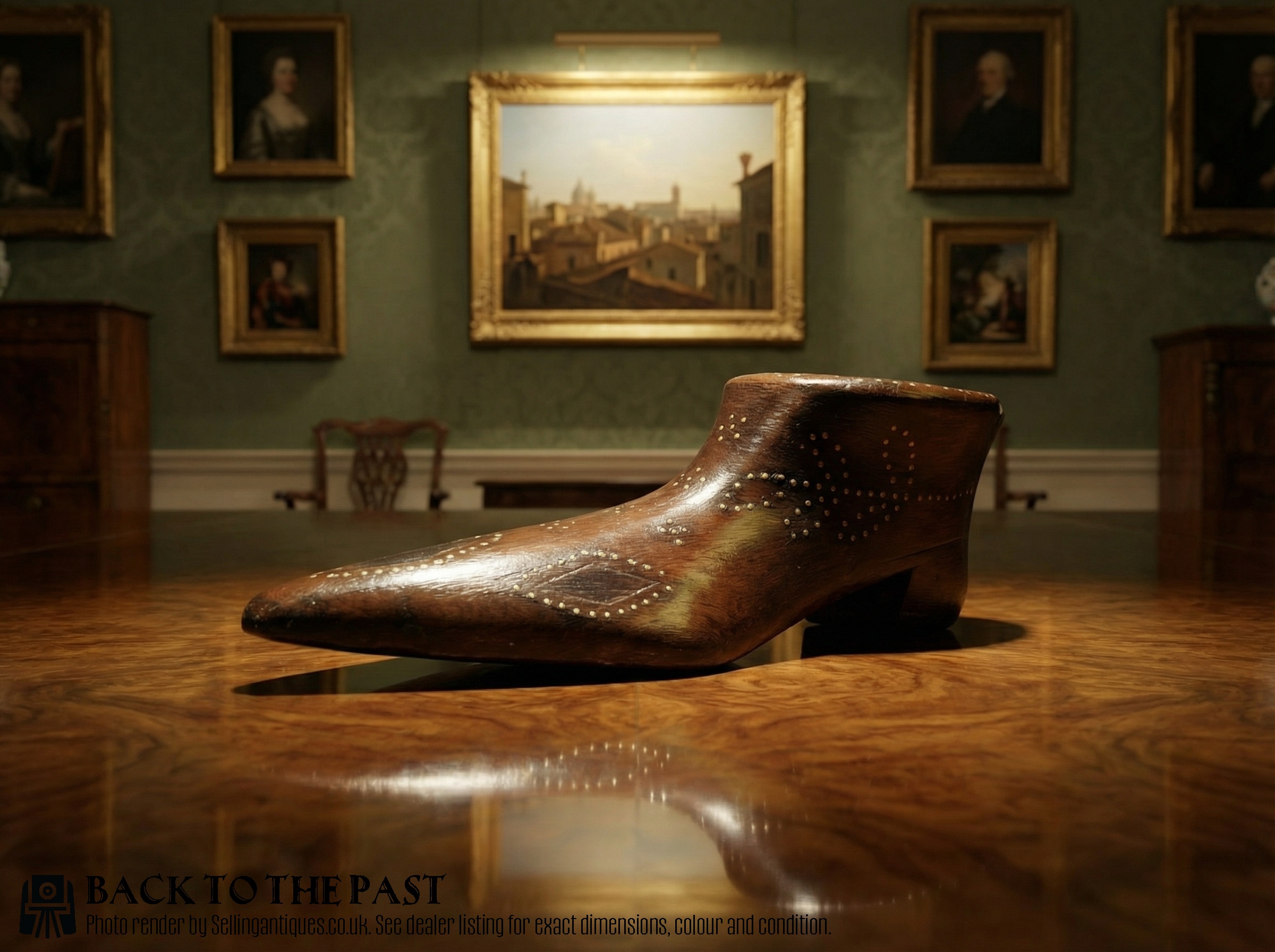
Victorian Wooden Snuff Box
When you search for a victorian wooden snuff box, you encounter small personal containers designed to hold dry tobacco for nasal consumption. These pocket vessels served as daily accessories for gentlemen and gentlewomen throughout the nineteenth century.
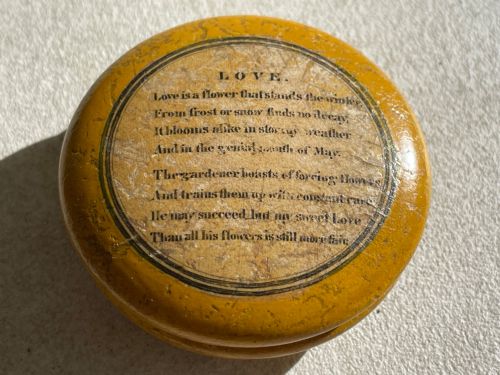
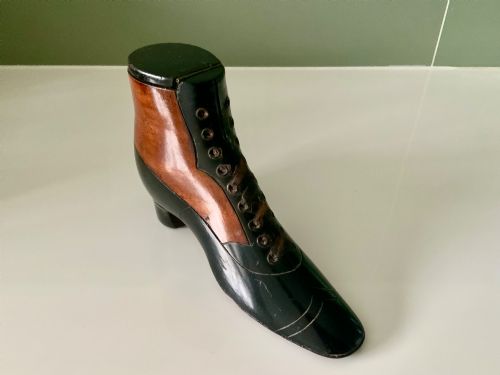
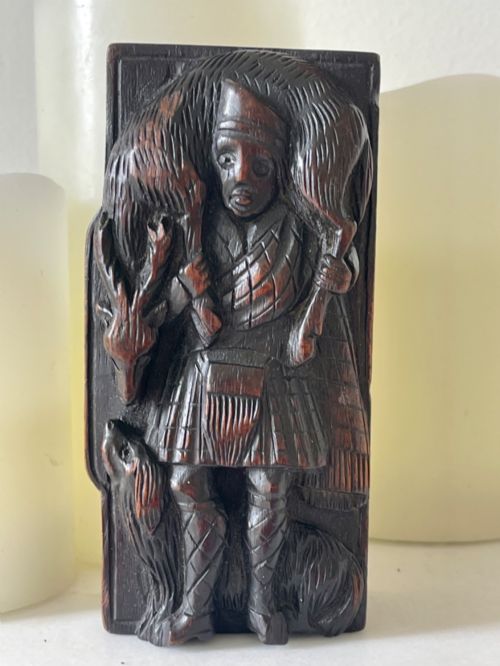
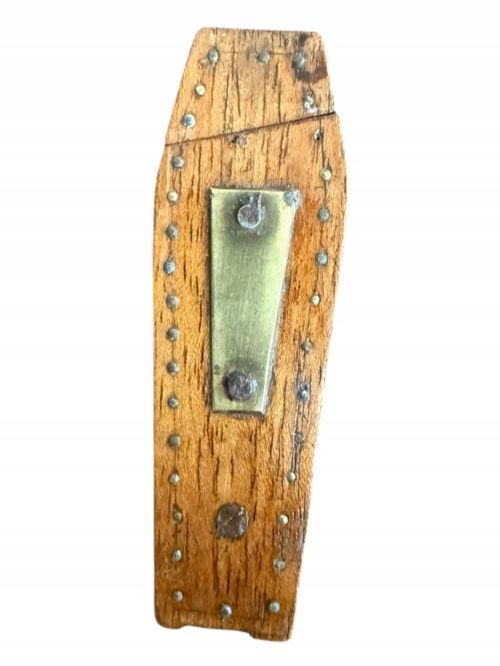
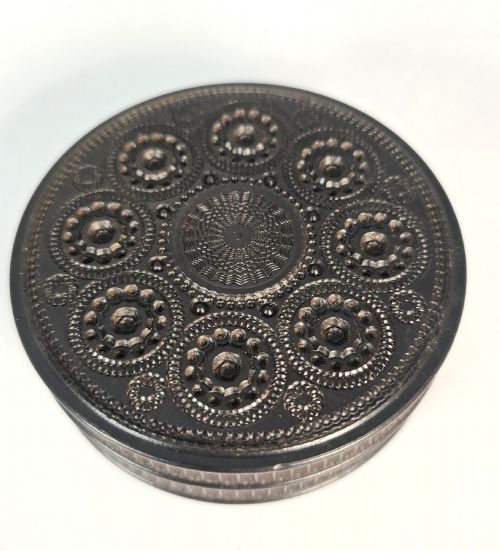
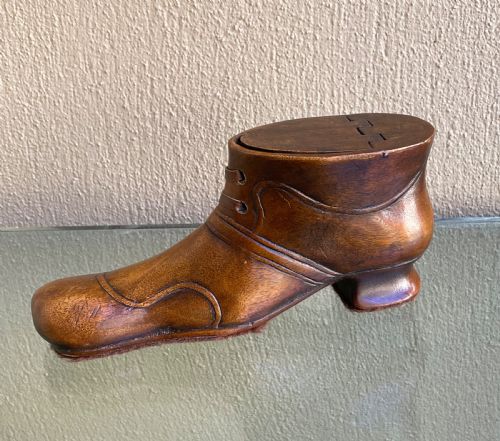
Object types on this page include simple decorative boxes, book-shaped containers, and carved shoe forms. Many pieces reflect vernacular creativity, such as Welsh chip carved examples and folk art interpretations featuring inlaid details.
How they were made
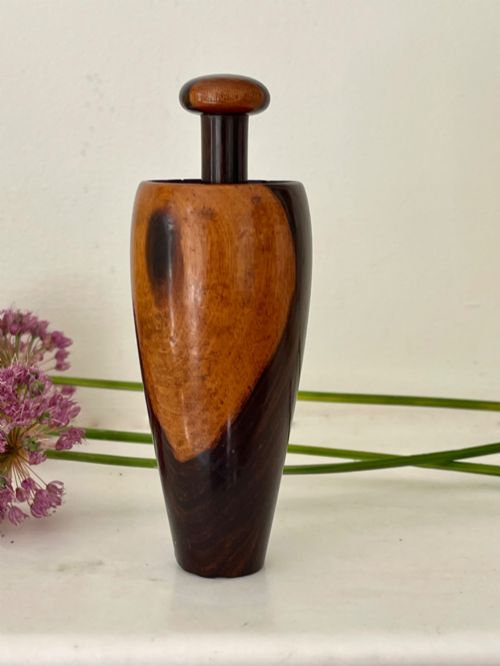
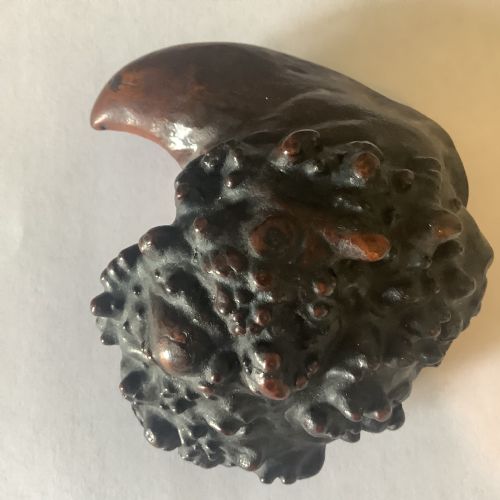
Craftsmen utilised wood, timber, and burr walnut to construct these containers, often selecting figured grain to highlight the natural patterns of the material. Specialised specimens incorporated sections of specimen woods alongside bone, glass, and metal elements.
Decoration relied on hand-carving, chip carving, and delicate inlay work. Artisans embellished surfaces with brass pique work foliage, flowers, heart inlays, and figurative elements such as horses' heads and pictures of ladies.
Victorian Wooden Snuff Box Retail Price Guide 2026
Typical asking prices for victorian wooden snuff box among the pieces listed under this phrase on Sellingantiques today, from the lower quarter to the upper quarter. They describe what is for sale here now, not the wider market.
This selection spans the Georgian and Victorian eras, utilising wood, burr walnut, bone, glass, and metal.
What varies in quality
Quality rests in the ambition of the carving and the cleverness of the form, distinguishing standard utilitarian containers from sculptural folk art. Pieces shaped as books, shoes, or carved horses demonstrate greater hand skill than simple boxes.
The choice of material also dictates distinction, with burr walnut and multi-wood specimen constructions offering richer visual depth than plain timber. Finer pieces integrate secondary materials like bone or metal pique work with precise alignment.
The Victorian Wooden Snuff Box Glossary
- Burr walnut
- A figured wood grain prized for its swirling, knotty patterns that create decorative surface movement. It comes from the tree's growth deformities.
- Pique work
- A method of decorating wood surfaces by embedding tiny pins or points of metal to form delicate floral or geometric patterns. This technique requires immense patience from the maker.
- Chip carving
- A style of relief carving where small chips are removed from a single piece of wood with a knife. Welsh makers frequently utilised this method on geometric trinket containers.
- Specimen woods
- Collections of different native and exotic timbers assembled into a single surface to display contrasting colours and grains. Artisans often gathered these offcuts from larger cabinet-making projects.
- Treen
- Small, functional wooden household objects made by turners and craftsmen before the era of mass production. These items were shaped entirely by hand for daily domestic use.
Victorian Wooden Snuff Box: Frequently Asked Questions
What did people keep in a wooden snuff box?
These small containers held finely ground tobacco known as snuff, which users inhaled through the nose for a stimulating effect. Owners carried them in pockets or waistcoats for quick access throughout the day.
Fashionable society treated snuff-taking as a social ritual, making the container an important accessory for personal expression. The hinged lids and tight-fitting wooden joints kept the dry powder fresh and prevented spills.
How do I date a wooden snuff box?
Dating relies on identifying stylistic markers, timber types, and decorative techniques associated with the Georgian and Victorian eras. Folk art chip carving and specific structural forms often align with nineteenth-century British traditions.
Examining the hinges, interior wear, and fastening methods helps distinguish older pieces from later reproductions. Natural patination and hand-tool marks provide further clues to the age of the timber.
Why are some snuff boxes shaped like shoes?
Shoe-shaped containers represent a long-standing folk art tradition in British woodworking, often associated with courtship gifts or tokens of affection. The shoe or clog motif held symbolic meaning in rural communities.
Carvers used the small scale of a shoe to demonstrate their skill with difficult wooden angles and inlaid decorations. Many incorporate sliding lids or concealed compartments beneath the heel.
How should I clean my antique wooden box?
Maintenance requires nothing more than gentle dusting with a soft, dry cloth to protect the historic surface and natural wood oils. Avoid using modern polishes, water, or chemical cleaners that can damage the timber.
Keeping the container away from direct sunlight and rapid humidity changes preserves the wood and prevents warping. Natural beeswax applied very sparingly can help maintain dry timber if needed.