


Hand Carved Snuff Box
These hand carved snuff box pieces are tactile pocket containers shaped from timber, bone, and metal that reward close handling.
What a hand carved snuff box is
When you search for a hand carved snuff box, you are looking at small personal containers designed to hold powdered tobacco for the pocket or tabletop. The items found here span the Victorian era and the nineteenth century, including the year eighteen fifty, alongside broader nineteenth century British periods.
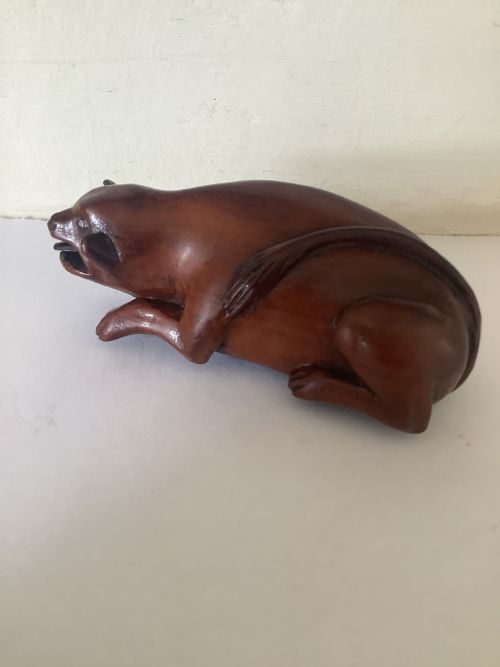
The forms vary from natural pieces of wood and standard timber boxes to novelty shapes such as birds and shoes. You will also encounter Scottish table versions depicting literary figures like Tam O'Shanter.
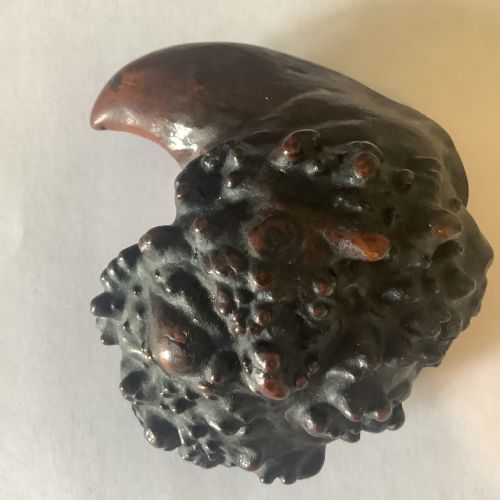
The styles range from functional Georgian treen and traditional folk art to more decorative nineteenth century British pieces. Most examples rely on the natural grain of the timber or deliberate surface ornament to create visual interest.
How they were made
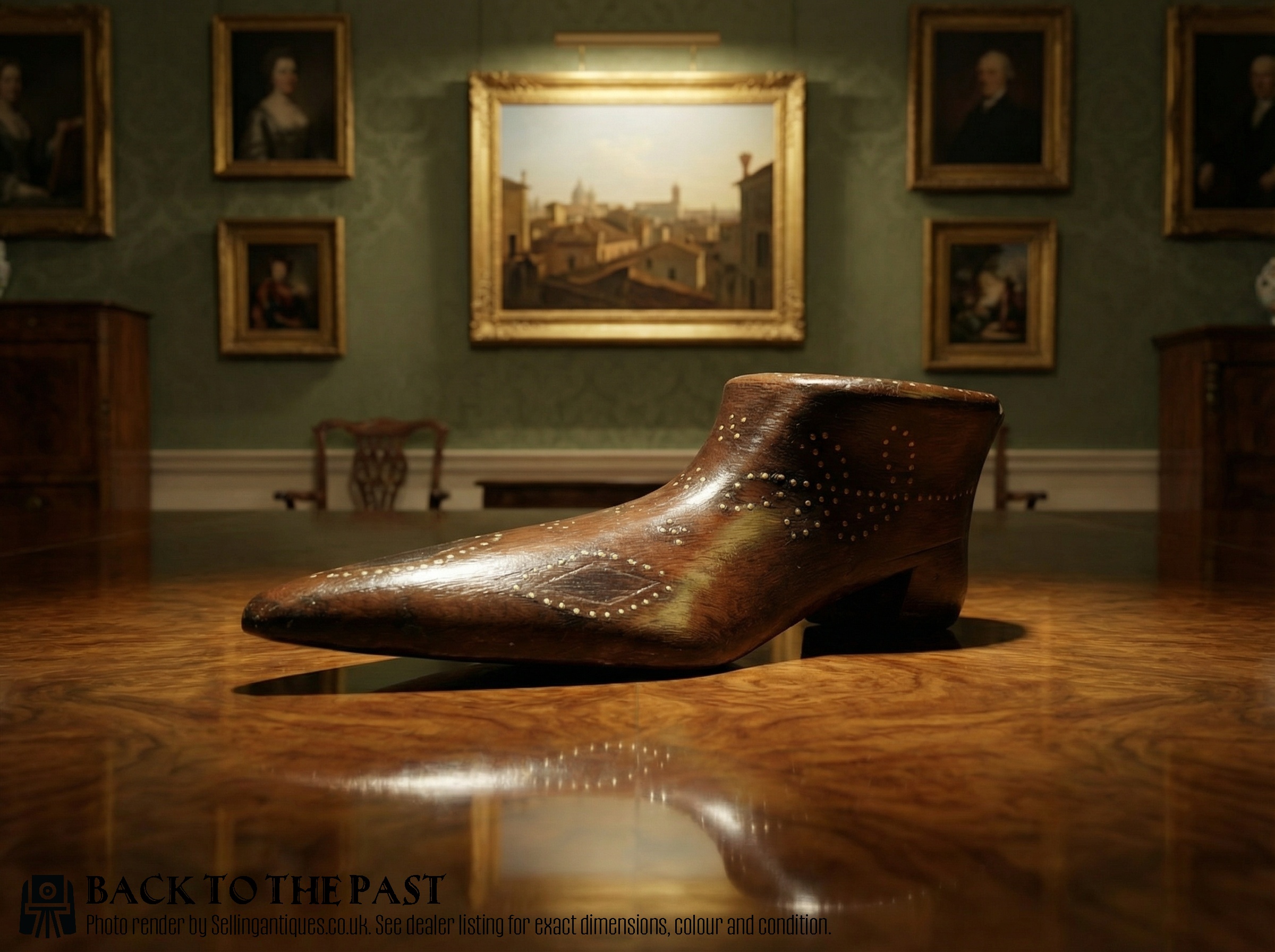
Maker hands shaped these objects from timber, specifically burr walnut and other burr woods, alongside bone and metal components. Artisans utilised brass pique work for foliage and flowers, and inlaid diamonds to embellish the surface of wooden shoes.
Carving knives and gouges sculpted the wood from natural pieces or blocks of timber into hollow vessels with fitted lids. The combination of carved wood, applied brass, and inlaid materials demonstrates traditional workshop techniques from the nineteenth century.
Retail Price Guide 2026
Typical UK retail prices for hand carved snuff box, calculated from the Sellingantiques database of over a million retail prices indexed since 2003. This retail price guide relies exclusively on Sellingantiques data; no external sources or auction records are used, so the figures do not describe the wider market.
What varies in quality
The distinction between standard containers and superior examples rests on the ambition of the carving and the complexity of the materials. Natural burr walnut with rich grain patterns sits at one end, while novelty forms like birds or shoes represent a higher level of sculptural effort.
Refinement in surface decoration, such as detailed brass pique work foliage and inlaid diamonds, elevates the piece above plain timber boxes. The integration of the natural shape of the wood into the final design also defines the better pieces.
The Hand Carved Snuff Box Glossary
- Treen
- Small handmade wooden objects for domestic use. This term covers nineteenth century items shaped by hand rather than factory machinery.
- Burr walnut
- A prized timber harvested from the growths on walnut trees. It yields swirling, highly figured grain patterns that catch the light.
- Pique work
- A method of decorating wood or tortoise shell with tiny points or pins of metal. Brass foliage and flowers are common motifs.
- Snuff
- Ground tobacco leaves taken through the nose. Containers were made specifically to keep this powder dry and portable.
Frequently Asked Questions
What is a snuff box?
A small lidded container used to hold dry powdered tobacco for personal consumption during the eighteenth and nineteenth centuries.
These portable items were carried in pockets or kept on tables for easy access by gentlemen and ladies.
How do I date a wooden box?
Dating relies on the wood types, tool marks left by the maker, and the style of decoration. Burr walnut and folk art carvings often point firmly to the Victorian period.
Comparing the hinge construction and wear patterns with documented examples helps narrow down the decade of manufacture.
Why are some boxes shaped like shoes?
Novelty shapes like shoes and animals reflect the playful folk art tradition of the nineteenth century. Makers enjoyed transforming everyday containers into witty conversation pieces.
These decorative forms often combine carved wood with inlaid brass and other contrasting materials.