





Carved Wooden Snuff Box
A carved wooden snuff box is a pocket container for tobacco powder, offering tactile folk art craft shaped like shoes, animals and everyday objects.
Carved Wooden Snuff Box
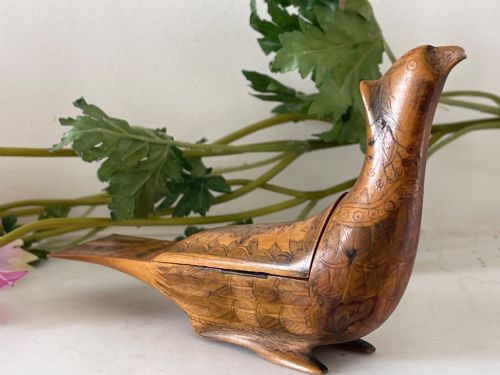
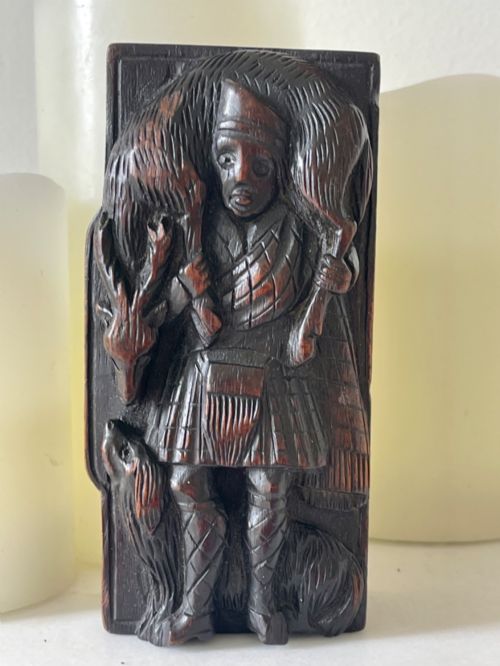
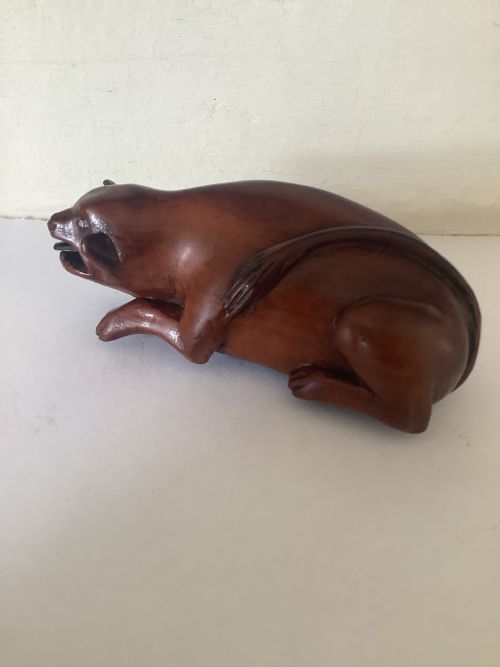
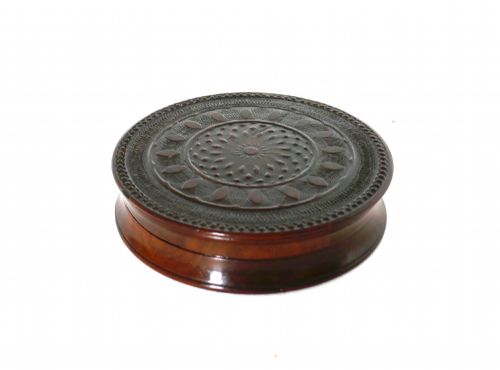
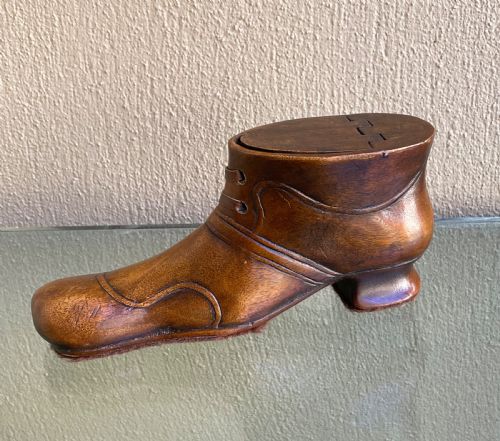
A carved wooden snuff box represents small scale domestic woodworking from the eighteenth and nineteenth centuries, created to hold tobacco powder for personal use. These pocket vessels take varied forms, ranging from simple oblong blocks to figurative shapes including shoes, books, animals and human hands.
The examples found here draw on Georgian, Victorian and Edwardian periods, alongside regional British and European folk art traditions. Common stylistic expressions include chip carving, engine turning and applied inlay work in bone and brass wire.
Materials and Construction
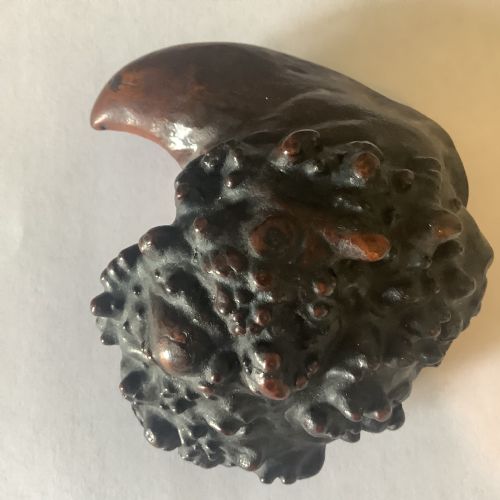
Maker selection focused on dense timbers capable of holding sharp detail, including fruitwood, laburnum, mahogany, burr walnut and birch root. These native and exotic hardwoods were shaped using gouges, knives and small lathes to create tight-fitting lids and hollowed receptacles.
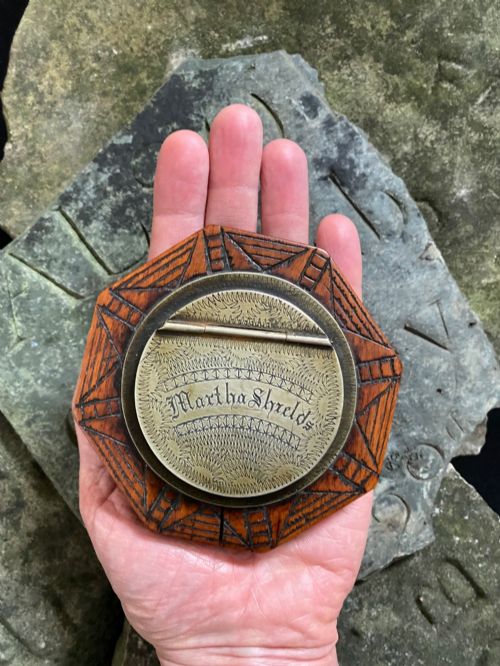
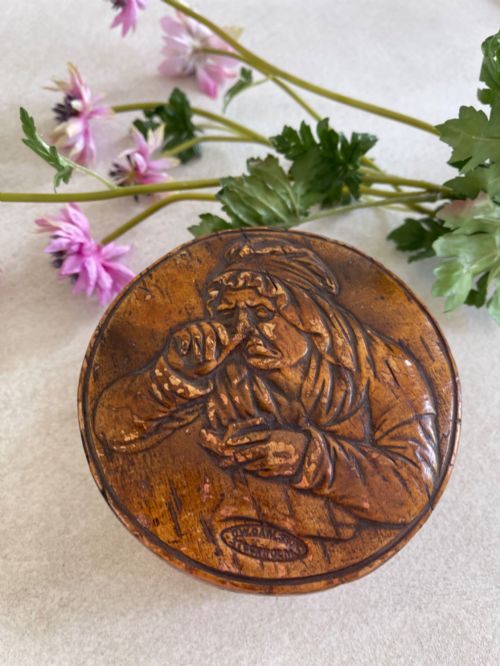
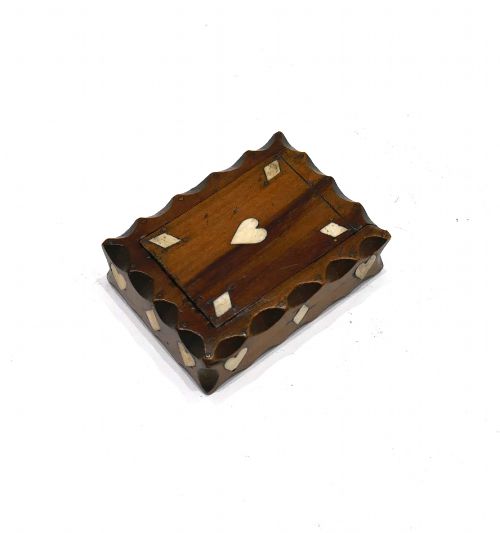
Decoration relied on surface embellishment rather than applied finishes, utilising bone inlay in heart and diamond motifs, brass pique work, and pressed maple techniques. Natural figuring in timbers like burr walnut and pollard birch provided intrinsic visual pattern.
Carved Wooden Snuff Box Retail Price Guide 2026
Typical asking prices for carved wooden snuff box among the pieces listed under this phrase on Sellingantiques today, from the lower quarter to the upper quarter. They describe what is for sale here now, not the wider market.
Listings feature items spanning the eighteenth, nineteenth and early twentieth centuries, constructed from fruitwood, burr walnut, maple, brass and bone.
Assessing Quality and Hand
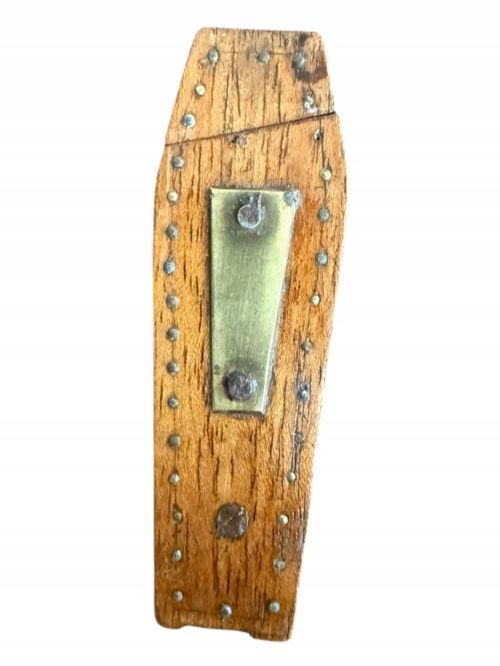
Quality rests upon the crispness of the carving and the invention shown in the object's form, distinguishing mass production from individual hand work. Pieces shaped as shoes, coffins or hands demonstrate greater ambition than standard oblong boxes.
Material choice and surface handling separate standard boxes from superior examples, with rich patination accumulated through handling adding depth. Fine execution appears in flush-fitting lids, precise bone or brass inlay, and retained structural integrity across hinged or sliding joints.
The Carved Wooden Snuff Box Glossary
- Treen
- Small wooden domestic objects made before the widespread adoption of plastics. These items display the turning and carving skills of regional woodworkers.
- Snuff
- Finely ground tobacco inhaled through the nose, popular across the eighteenth and nineteenth centuries. Specialised containers evolved to keep the powder dry and accessible.
- Pique work
- A decorative technique using tiny pins or wire inlaid into a hard surface to form patterns. On these pieces, brass pique creates foliage and floral details.
- Engine turning
- Mechanical surface decoration applied using a lathe to cut geometric patterns into wood. This method produces precise, repeating lines across the box body.
- Patina
- The surface sheen and colour developed through age, handling and wax application over decades. A rich patina indicates prolonged interaction with human hands.
Carved Wooden Snuff Box: Frequently Asked Questions
What is a shoe snuff box?
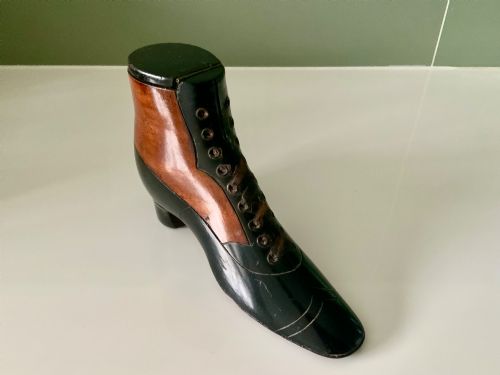
A shoe snuff box is a small container carved in the likeness of a footwear item, often featuring a sliding or hinged sole lid.
These pieces frequently incorporate bone inlay, metal pique work or carved dates, reflecting popular folk art motifs of the period.
How do you date these wooden boxes?
Dating relies on timber selection, style of carving, construction methods and any inscribed dates or contemporary costume details seen on painted inserts.
Earlier pieces often display simple fruitwood construction with chip carving, while later Victorian examples utilise dense burr walnut or engine turned decoration.
Were these boxes used every day?
These containers were functional daily accessories carried in pockets or kept on tables for dispensing tobacco powder during social gatherings.
Frequent handling by owners over generations is what produced the deep surface patination seen on better examples today.
What woods were used for carving?
Woodworkers utilised close-grained hardwoods that accepted fine detail without splintering, including fruitwood, laburnum, mahogany and maple.
Figured timbers such as burr walnut and pollard birch root were also chosen for their natural grain patterns and tonal variation.