




19th Century Treen Box
These small turned and carved wooden objects, known as a 19th century treen box, offer tactile daily utility and intimate folk art charm.
19th Century Treen Box
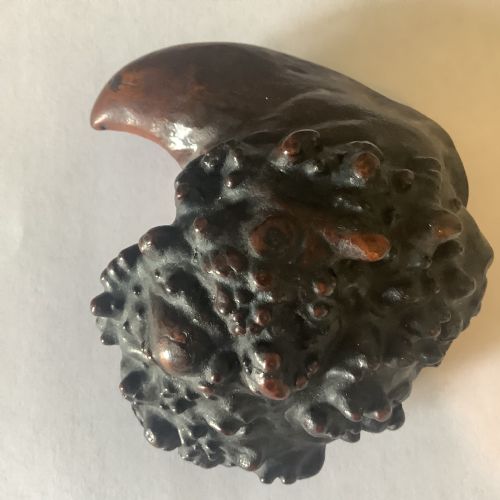
A 19th century treen box encompasses small domestic wooden items made for practical storage, personal use, and kitchen collectables. The selection spans the Georgian, Victorian, and Edwardian periods, stretching from roughly eighteen-twenty to the late nineteenth century.
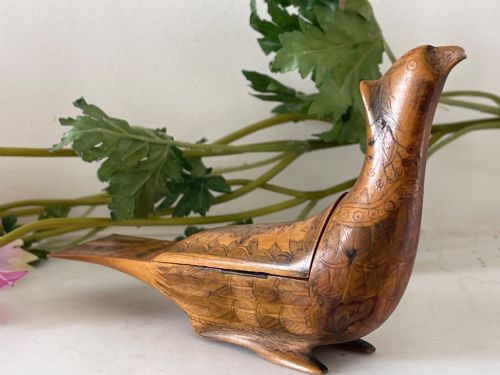
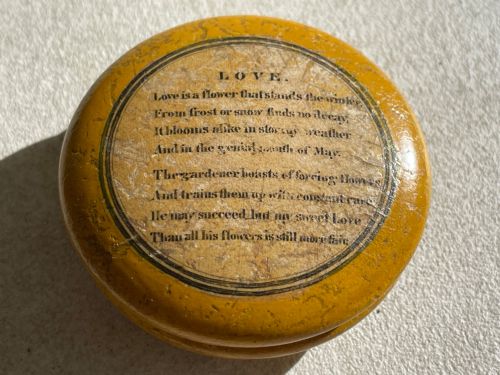
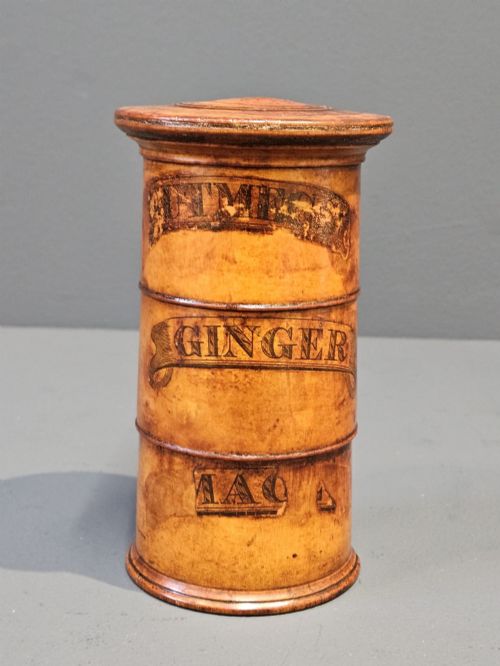
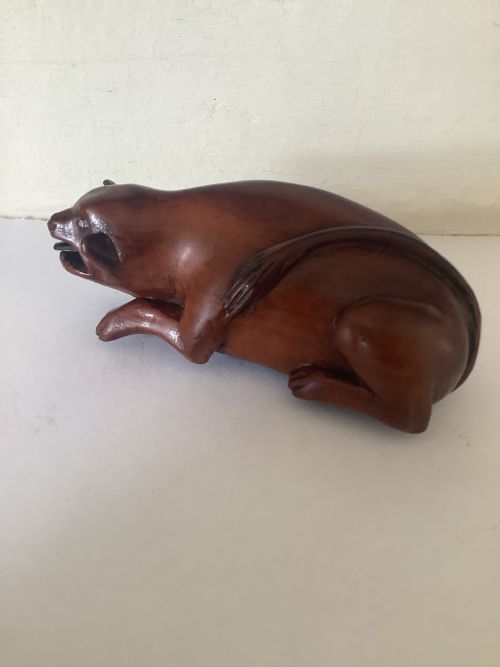
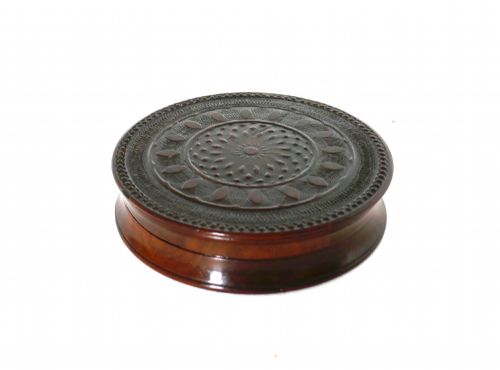
Buyers most frequently encounter snuff boxes, spice towers, and string holders alongside containers shaped like shoes, birds, and books. The forms reflect both rural craftsmanship and urban production across English and Scottish workshops.
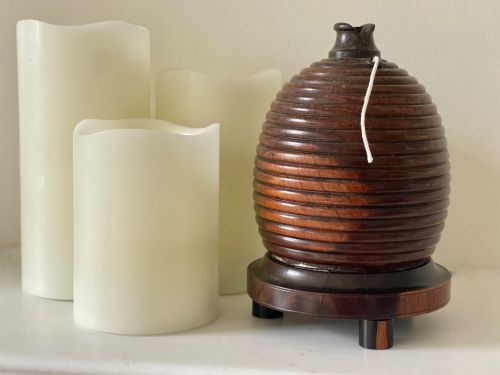
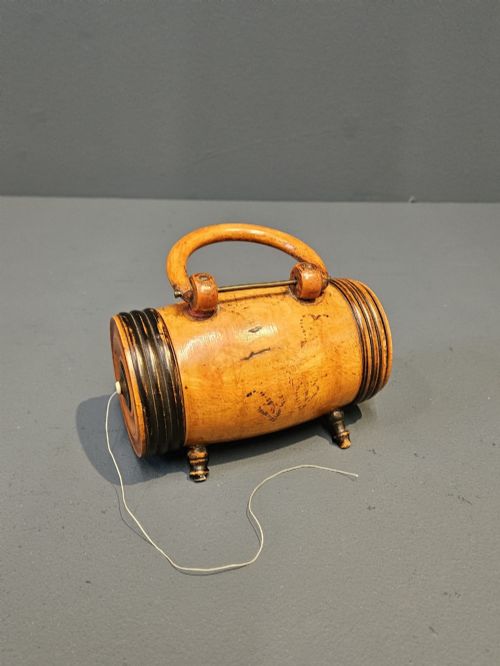
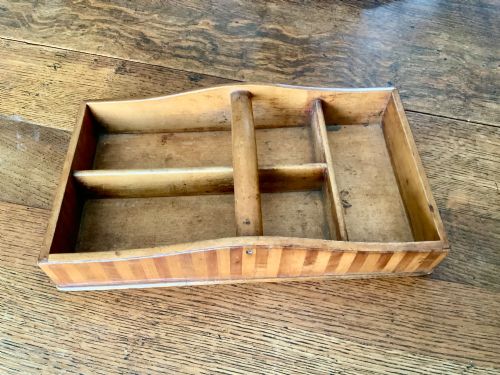
Many items serve specific historical functions, from nutmeg graters and apothecary measures to cutlery trays and mortar and pestle sets. Others take playful shapes, including beehives, barrels, and miniature wooden planes.
Materials and technique
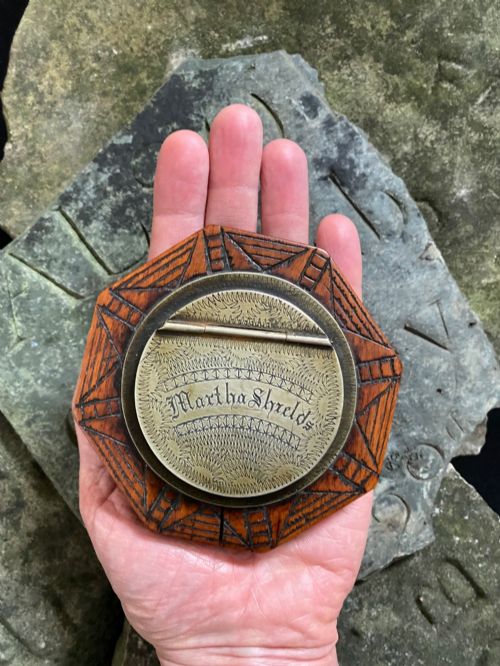
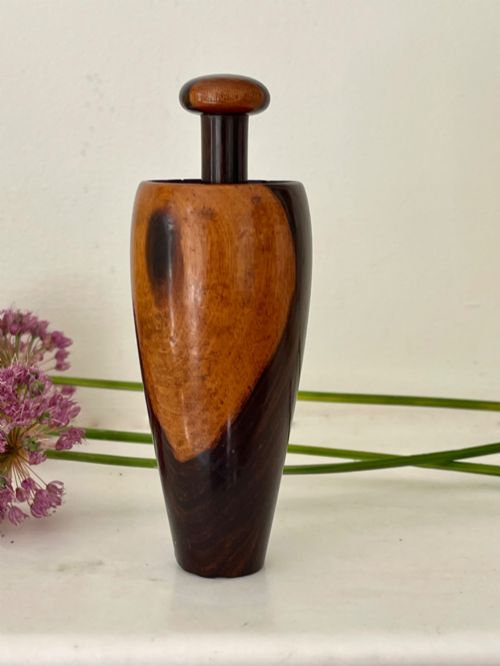
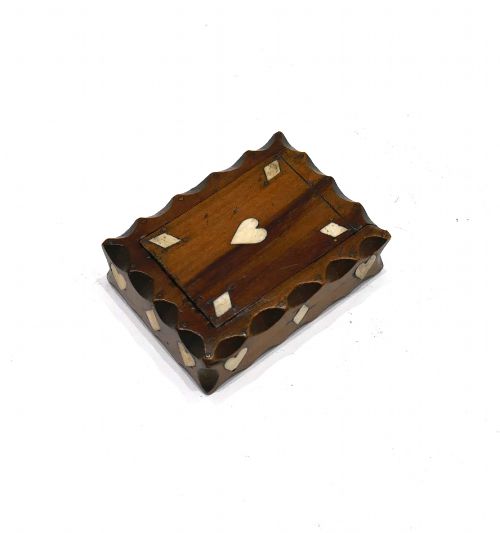
Turners and carvers utilised dense local timbers such as fruitwood, boxwood, laburnum, sycamore, and lignum vitae, selecting woods that held fine detail. Artisans also incorporated bone inlay, tortoiseshell, metal, and hand painting to embellish the surfaces.
Makers shaped the pieces using lathes for engine turned cylindrical vessels alongside chip carving, naive knife work, and parquetry. Some items rely on clever engineering, such as multi-tiered spice towers and double opening shoe boxes.
19th Century Treen Box Retail Price Guide 2026
Typical asking prices for 19th century treen box among the pieces listed under this phrase on Sellingantiques today, from the lower quarter to the upper quarter. They describe what is for sale here now, not the wider market.
Several nineteenth century treen boxes take the exact shape of human feet wedged inside open toed shoes.
What varies in quality
The standard of carving and turning dictates the visual success of the piece, separating crisp geometric engine turning from softer, worn execution. Whimsical figural forms succeed when the proportions of shoes, birds, or books remain convincing and expressive.
Condition and original surface patina determine desirability, particularly where warm wax finishes, contrasting bone inlays, or original paint survive intact. Complexity of form, such as multiple internal tiers or dual opening compartments, elevates individual examples.
The 19th Century Treen Box Glossary
- Treen
- Small handmade wooden domestic objects. The term derives from old English meaning tree or wood.
- Engine turned
- Geometric decoration cut into wood using a lathe with a rotating cutting mechanism. This technique creates precise, repeating patterns.
- Spice tower
- A multi-sectioned stacking container used for holding various culinary spices. Individual tiers fit securely together to form a vertical column.
- Parquetry
- Geometric patterns assembled from small pieces of wood veneer. This decorative technique creates contrasting visual panels on box lids.
19th Century Treen Box: Frequently Asked Questions
How were spice towers used?
Spice towers held distinct culinary spices in separate stacked compartments for easy access during cooking or dining.
Each level fitted snugly into the next, preserving the aroma of precious imports in domestic kitchens.
Why are shoe snuff boxes shaped that way?
Shoe and boot shaped snuff boxes reflect Georgian and Victorian folk art traditions of playful miniature carving.
Cobblers and folk artists often carved them from single blocks of fruitwood, sometimes incorporating hidden sliding lids.
How do I care for antique treen?
Keep wooden objects away from direct heat sources and sudden humidity changes to prevent the timber from splitting.
Apply a microcrystalline wax occasionally to feed the grain and maintain the natural handling patina.
What is engine turning?
Engine turning is a mechanical lathe technique that carves precise repetitive geometric patterns into wooden surfaces.
It appears frequently on nineteenth century Scottish treen boxes and small treen containers.