



Antique Treen Collectable
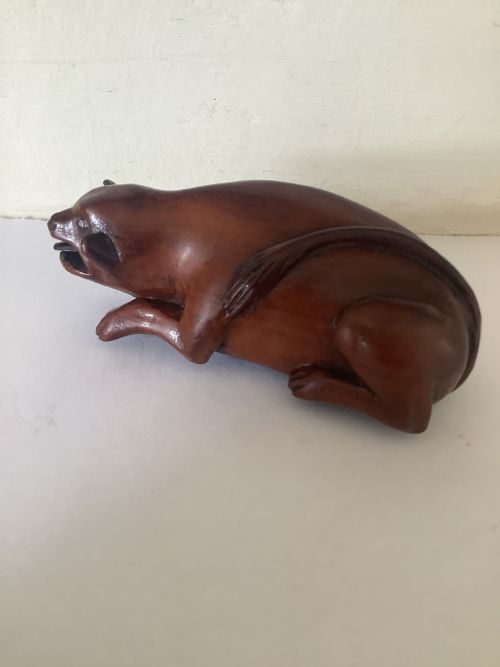
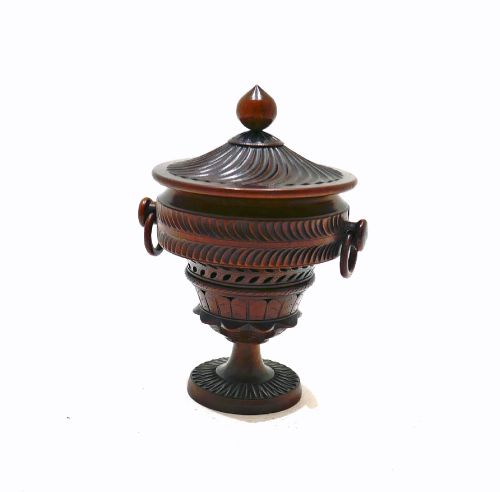
These small turned and carved wooden objects, known broadly as antique treen collectable, bring the tangible warmth of past domestic life into a modern room.
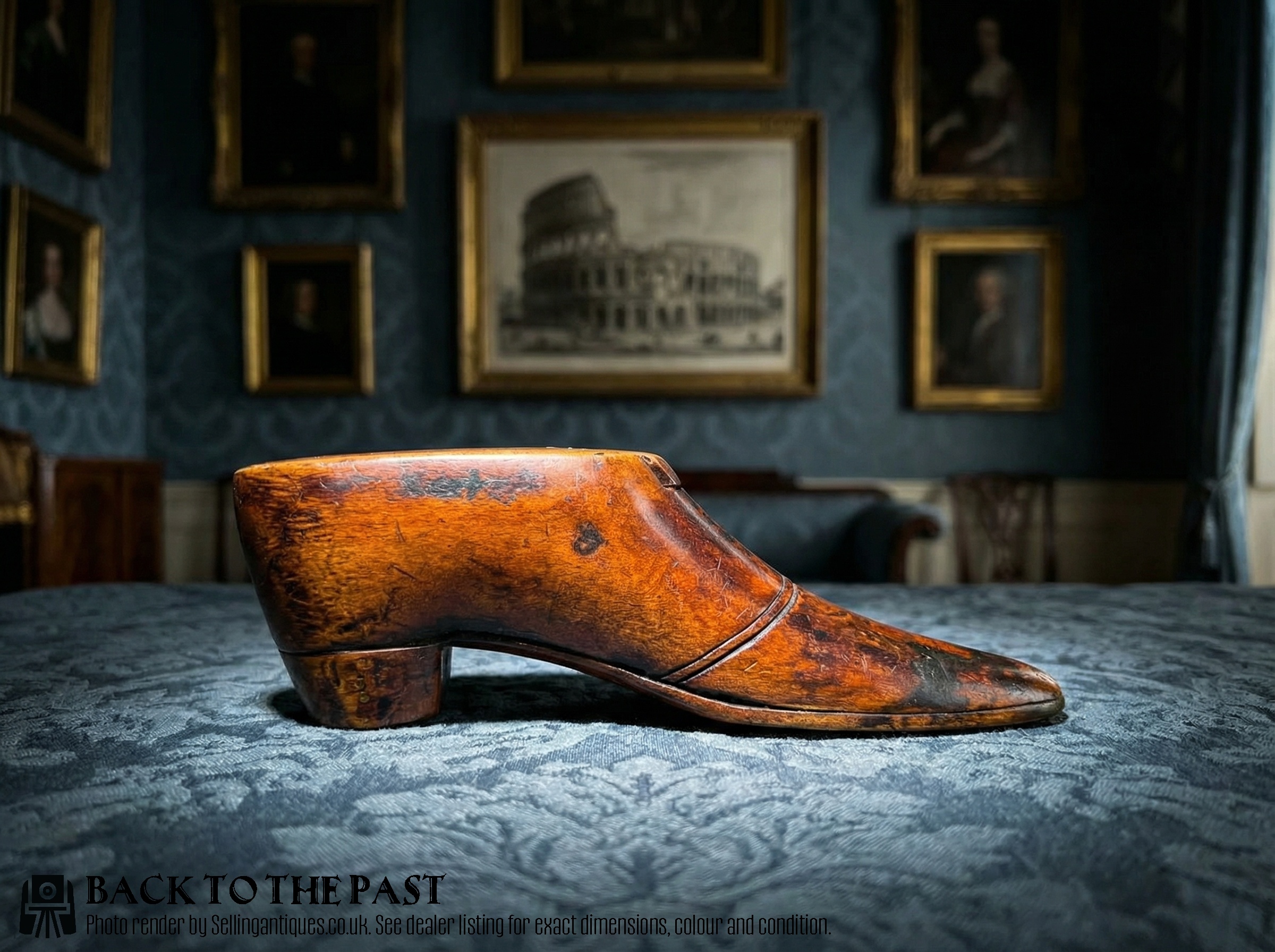
What these pieces are
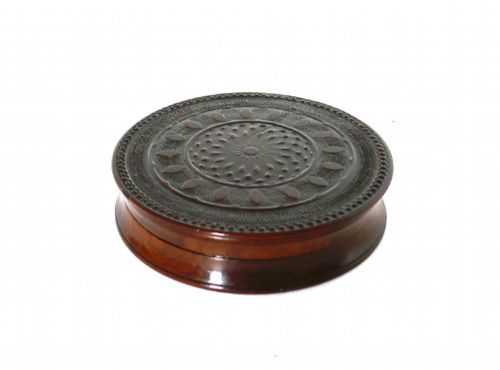
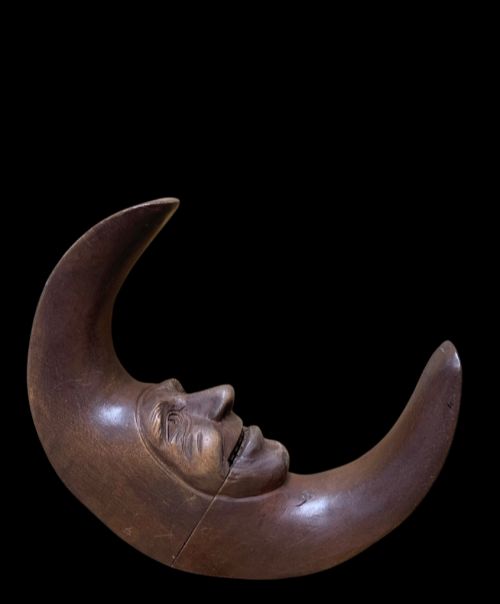
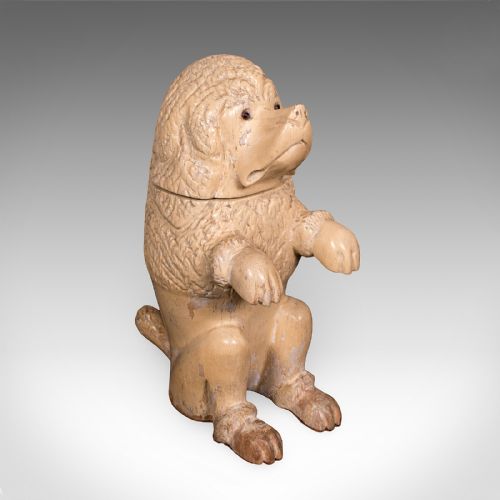
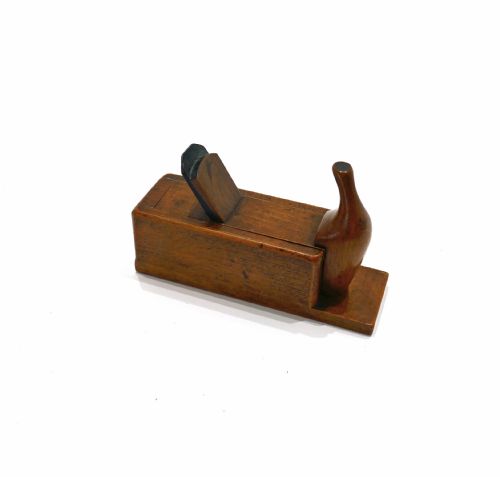
The pieces on this page are predominantly from the nineteenth century, with examples reaching back into the eighteenth century. You will encounter turned boxes, dairy bowls, games, and utility items.
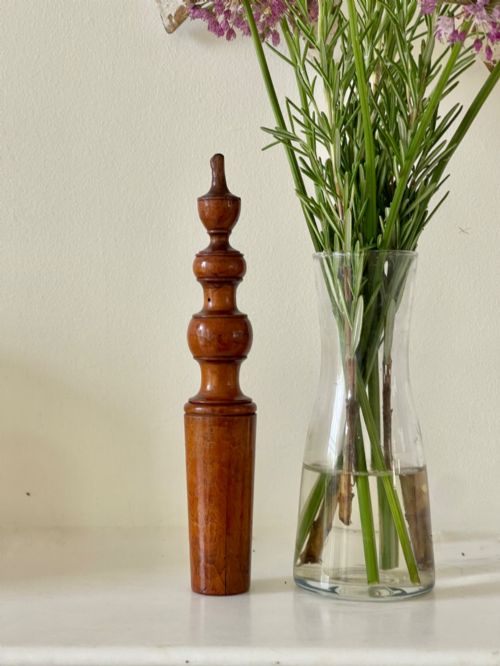
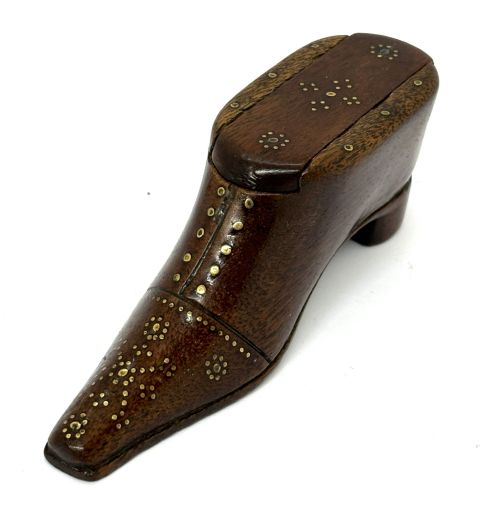
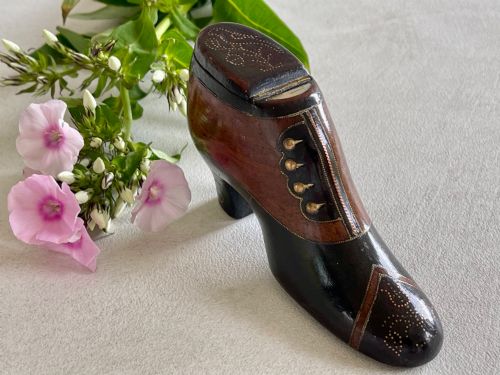
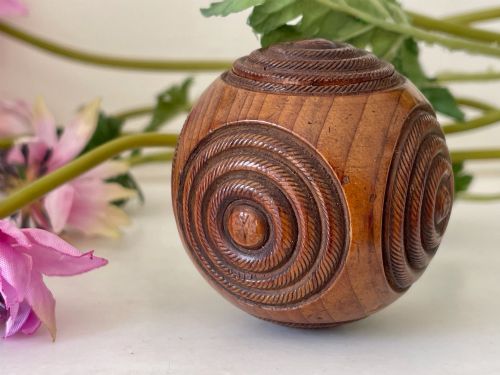
Forms include snuff boxes shaped as shoes, turned fruitwood dairy bowls, oak costrals, and small turned items like teachers' clickers and bilboquet ball and cup games.
How they were made
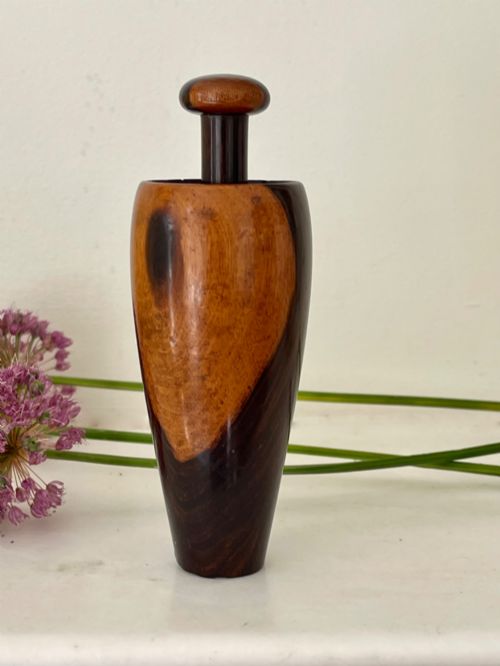
Maker's workshops relied heavily on the lathe, producing clean turned profiles in dense timbers such as lignum vitae, boxwood, and fruitwood. Other pieces utilised coopered construction with ash staves or joined panels reinforced with brass wire and steel.
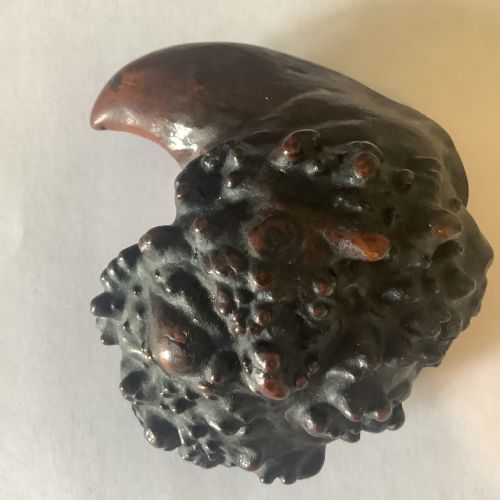
Surface decoration involved careful hand carving, fine painted finishes, and inlaid details in bone. Selected pieces show the distinct grain of burr walnut, oak, and fruitwood enhanced through simple handling and wear.
Retail Price Guide 2026
Typical UK retail prices for treen collectable, calculated from the Sellingantiques database of over a million retail prices indexed since 2003. This retail price guide relies exclusively on Sellingantiques data; no external sources or auction records are used, so the figures do not describe the wider market.
What varies in quality
Quality rests in the crispness of the turning and the density of the chosen wood. Dense timbers like lignum vitae and boxwood hold sharp decorative lines and wear down smoothly over generations.
Visual appeal depends upon the survival of original surfaces, such as painted pipe racks with fine colour or crisp shoe snuff boxes featuring detailed double openings and carved motifs.
The Antique Treen Collectable Glossary
- Treen
- Small wooden objects made for domestic or personal use. The term derives from old English words for tree.
- Lignum Vitae
- A remarkably heavy and dense tropical hardwood often used for turned mallets and implements. Its natural oils give it a self-lubricating quality.
- Costral
- A small wooden flask or vessel, often coopered with staves or turned from a single piece, used for carrying liquids. They frequently feature bands of wood or metal.
- Muffineer
- A small perforated shaker used for dusting sugar or salt onto food. These turned wooden vessels are typical of nineteenth-century dining tables.
- Bilboquet
- A traditional hand-held skill game consisting of a cup and a ball attached by a cord. Players attempt to catch the ball in the cup.
Frequently Asked Questions
What is antique treen?
Antique treen encompasses small, functional wooden objects created for everyday use in the home, workshop, or parlor. These items include boxes, bowls, games, and personal accessories shaped by hand or lathe.
Over time, objects once treated as mundane utilities became collectible for their honest craftsmanship and the rich patination acquired through use.
How were old wooden boxes used?
Many small wooden boxes served specific daily functions, such as holding snuff, tobacco, or personal trinkets. Pocket snuff boxes often featured clever mechanisms or novelty shapes like shoes.
Other items, like turned fruitwood dairy bowls or ash muffineers, played active roles in food preparation and serving before mass-manufactured wares took over.
How do I care for wooden items?
Keep wooden objects away from direct heat sources and sudden humidity changes to prevent timber from splitting. Gentle handling allows the natural oils in your hands to maintain the surface sheen.
Avoid harsh cleaning agents or excessive water when dusting or maintaining nineteenth-century turned wood and painted surfaces.
How can I tell the period?
Dating relies on the tooling marks left by lathes, the construction methods used in coopering, and the specific material choices typical of Georgian or Victorian workshops. Examining the wear patterns and fasteners also helps determine age.
Certain pieces carry explicit dates, inscriptions, or styles that anchor them firmly within the eighteenth or nineteenth century.