


Nineteenth Century Snuff Container
A nineteenth century snuff container holds the small measures of tobacco once carried in the pocket or set upon a table.
Nineteenth Century Snuff Container
A nineteenth century snuff container is a pocket or table box designed to hold ground tobacco, appearing in forms such as snuff mulls, tobacco boxes, and decorative boxes. Buyers searching this phrase will find pieces spanning the Victorian and Edwardian eras, alongside items dated around eighteen-fifty.
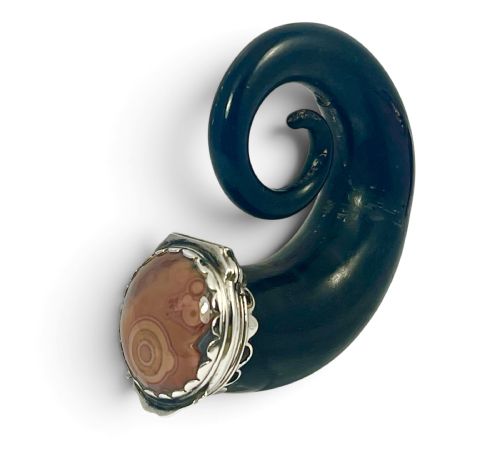
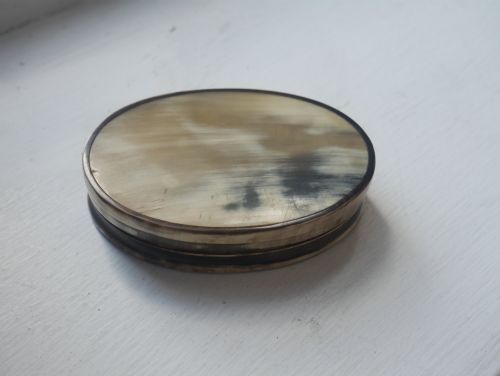
The most common examples on this page are pocket-sized horn mull boxes and carved wooden pieces, often originating from Britain, continental Europe, or the Netherlands. These containers reflect the varied personal habits of the era, shifting from functional pocket carriers to more decorative table pieces.
How they were made
The makers utilised natural materials like horn, tortoiseshell, and burr walnut, alongside metals including brass, silver, and fourteen-karat gold. Artisans shaped hard wood through detailed carving, bringing out a rich deep patina on table pieces.
Techniques varied from simple metal engraving and hand painting on tole ware to silver mounting on horn mulls. Papier-mache and pressed horn formed alternative methods for shaping smooth containers.
Listings feature four distinct materials: horn, silver, brass, and hardwood.
What varies in quality
Quality rests upon the depth and precision of the carving, particularly on wooden table pieces and horn mulls where intricate detail elevates the work. The choice of materials also dictates the standard, distinguishing simpler brass or painted metal boxes from those mounted in silver or gold.
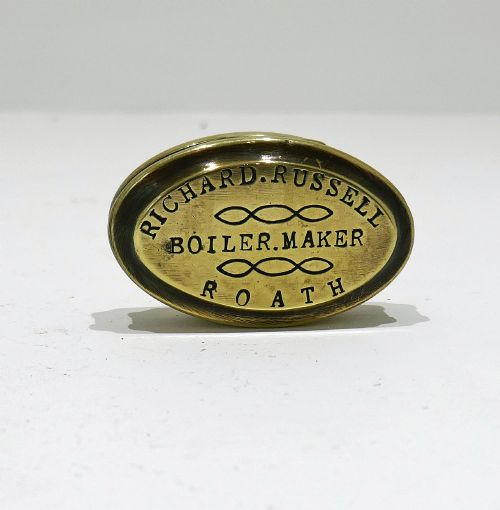
The finish of the surface defines the tactile appeal, seen in the smooth polish of a natural horn or the rich deep patina developed on hard wood over time. Inscriptions, such as engraved names or specific dates, add distinct character to individual metal and horn examples.
The Nineteenth Century Snuff Container Glossary
- Snuff mull
- A pocket container for ground tobacco, traditionally made from animal horn and often mounted with silver. Scottish examples frequently feature a curled shape.
- Tole ware
- Enamelled or japanned metalware, often hand painted with decorative motifs. This technique was commonly applied to tobacco boxes.
- Patina
- The surface sheen and mellow appearance developed on materials like wood and horn through handling and age. A rich deep patina indicates extensive use.
- Papier-mache
- A composite material made from paper pulp mixed with glue or resin, pressed into moulds and dried. It formed a smooth base for painted and lacquered boxes.
Nineteenth Century Snuff Container: Frequently Asked Questions
How were snuff containers used?
Owners carried pocket versions for daily use or placed larger table boxes in rooms for guests. Taking snuff was a widespread social habit that required secure, portable storage.
These containers kept the dry powder protected from moisture and allowed users to dispense small amounts cleanly when needed.
How do I live with these pieces?
These small boxes suit display on mantelpieces, desks, or within glass cabinets where their materials and carved details can be seen. They require minimal handling and protection from direct sunlight.
Keeping them away from excessive heat prevents natural materials like horn and wood from drying out or warping over time.
How do I tell periods apart?
Distinguishing periods relies on observing the materials, decorative styles, and any inscribed dates found on the metal or wood. Victorian and Edwardian pieces often show distinct revival styles or folk art characteristics.
Examining the construction methods, such as silver mounts or specific hinges, helps place a container within the nineteenth century.