


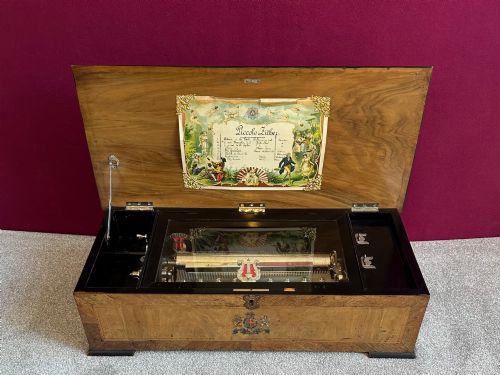
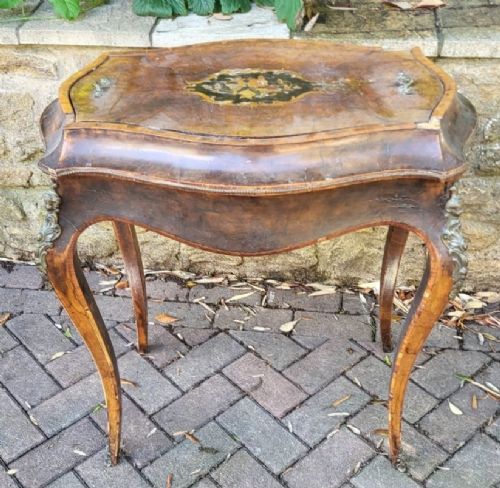
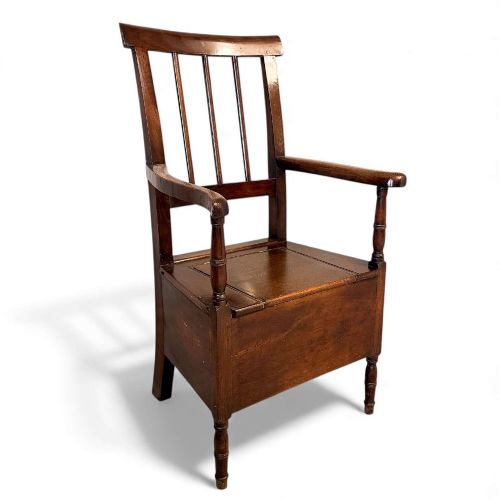
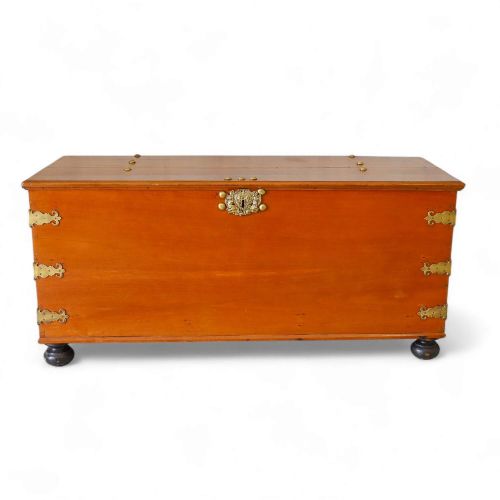
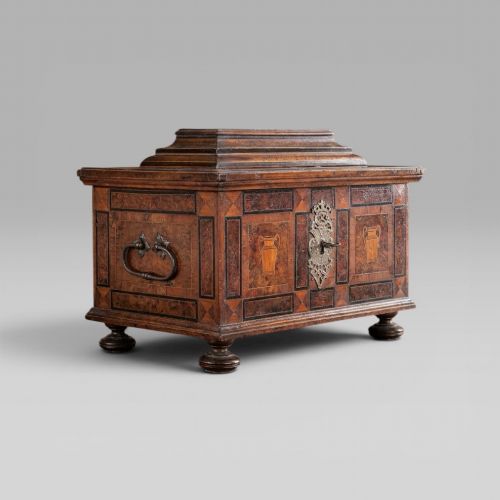
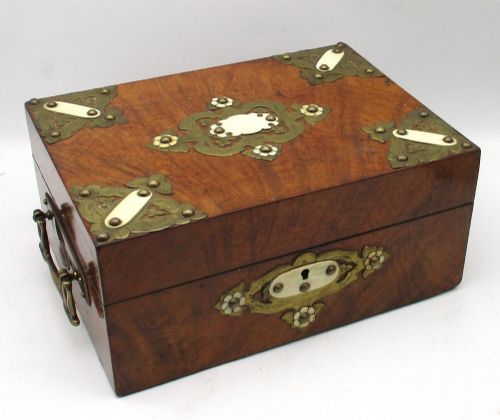
Brown Walnut Box
A brown walnut box brings rich grain and practical utility to any room, offering a durable repository for letters, tea, or keepsakes.
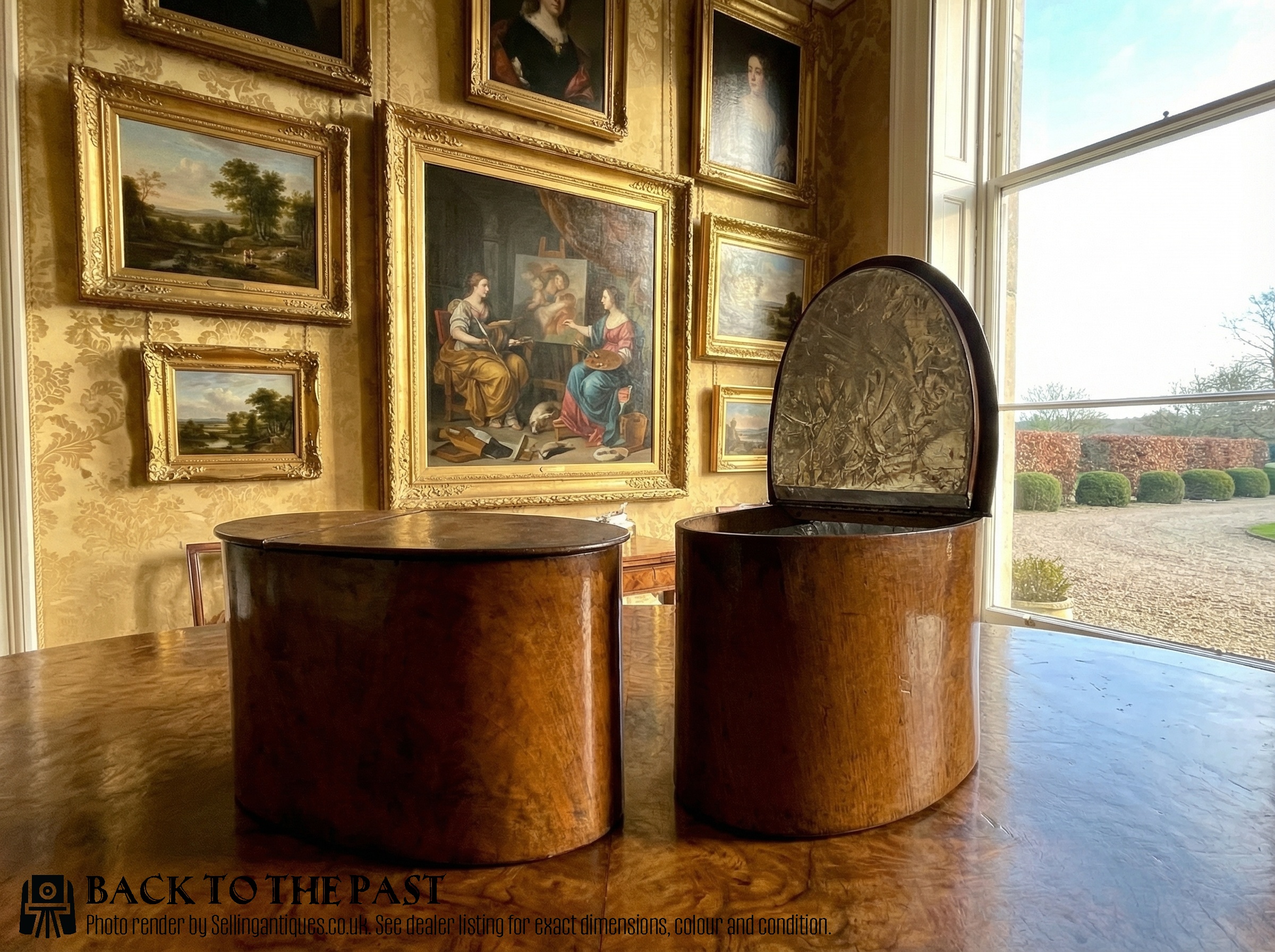
Brown Walnut Box
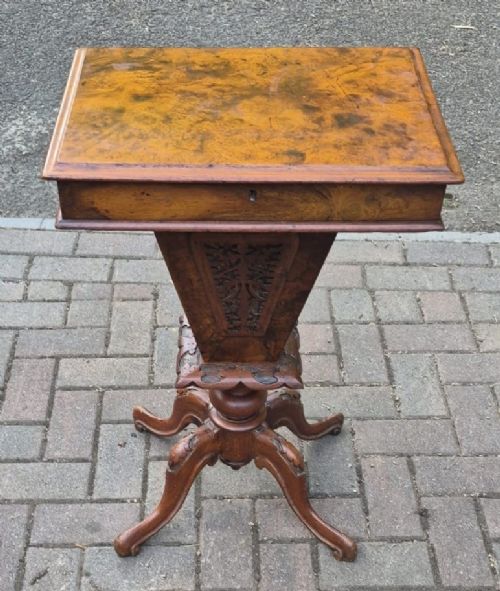
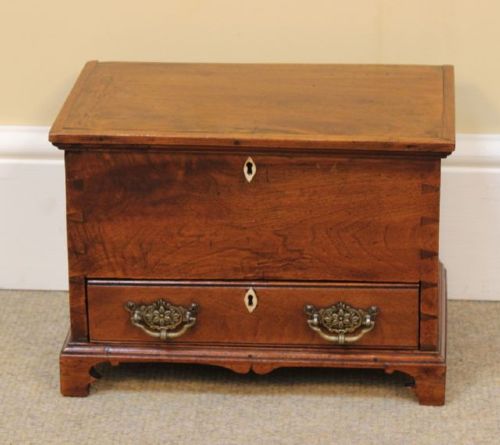
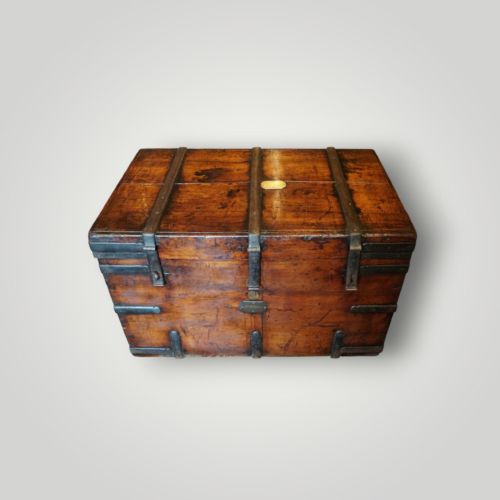
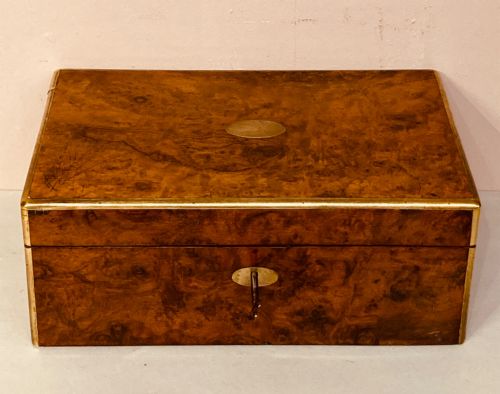
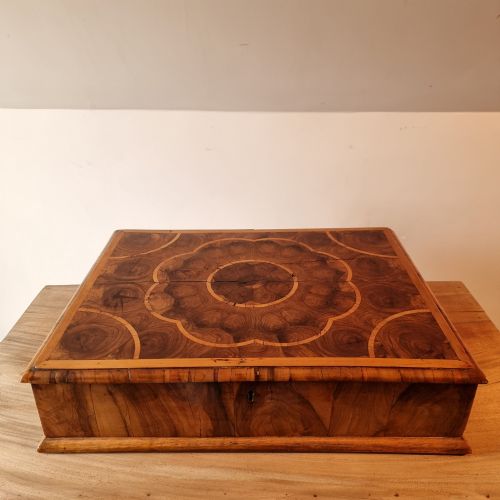
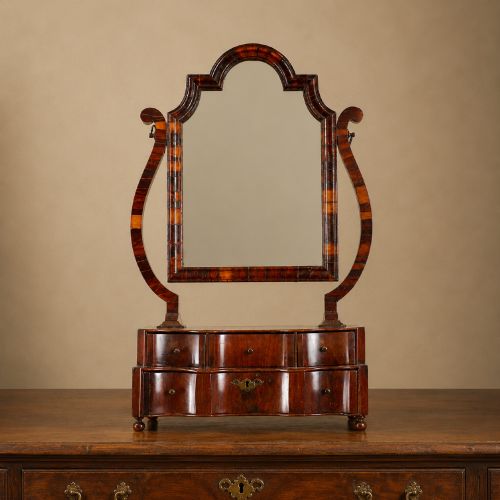
When you search for a brown walnut box, you uncover a diverse array of containers designed for storage and display across several centuries. The pieces available range from compact Georgian and Victorian tea caddies and writing slopes to larger correspondence boxes and work tables.
The historical scope spans from the late seventeenth century through to the Edwardian period and the early twentieth century. Each object reflects the prevailing design sensibilities of its era, whether plain and functional or heavily ornamented.
Materials and construction methods
Cabinet makers utilised solid timber and delicate veneers of walnut and burr walnut, laid over secondary woods to create rich, figured surfaces. The distinctive grain patterns were chosen to catch the light and add visual depth to the exterior.
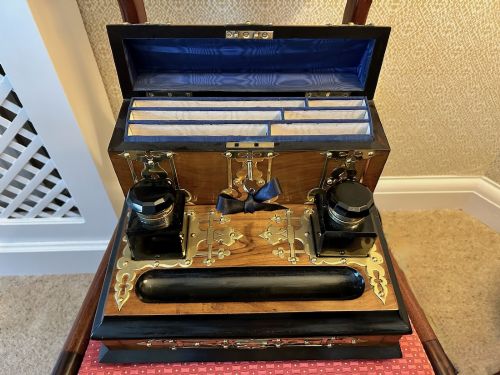
Metal fittings such as brass hinges, locks, and binding provided both structural reinforcement and decorative contrast against the dark wood. Interiors frequently incorporated fitted compartments lined with velvet, leather, or paper to protect valuable contents.
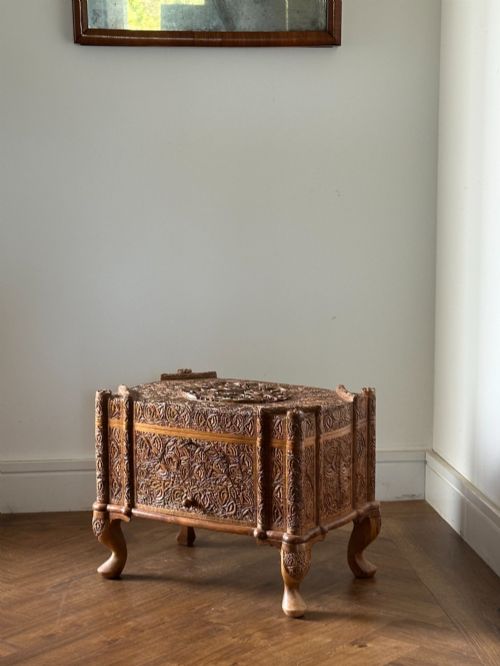
Specialised decorative techniques like Tunbridge ware inlay appear on specific tea caddies and stationery boxes, displaying intricate geometric wood mosaics. Carved wooden elements also feature on pieces influenced by Black Forest or Gothic Revival styles.
Brown Walnut Box Retail Price Guide 2026
Typical asking prices for brown walnut box among the pieces listed under this phrase on Sellingantiques today, from the lower quarter to the upper quarter. They describe what is for sale here now, not the wider market.
The listings here include items spanning from the seventeenth-century William and Mary period through to Art Deco designs.
Assessing craftsmanship and finish
The division between standard items and superior examples lies in the selection of the timber and the precision of the joinery. Finer pieces display symmetrical burr walnut figuring that wraps seamlessly around the corners of the lid and sides.
Internal fittings dictate the utility and sophistication of the piece, with secret drawers, original glass inkwells, and working locks marking out superior workshops. The crispness of inlaid banding and the retention of the original surface patina further separate everyday containers from exceptional items.
Edmund Nye·Austin
The Brown Walnut Box Glossary
- Burr walnut
- A veneer taken from the growth excrescence of a walnut tree, prized for its swirling, highly figured grain patterns. It was frequently utilised on the primary visible surfaces of high-end nineteenth-century boxes.
- Tea caddy
- A small container specifically constructed to store loose tea leaves securely. They often featured internal compartments and fitted lids to preserve the aroma of expensive teas.
- Writing slope
- A portable desk hinged to open at an angle, providing a firm surface for correspondence. These often contained hidden drawers, pen trays, and slots for stationery.
- Tunbridge ware
- A form of decorative woodwork produced in Kent, featuring tiny mosaic tiles made from different coloured woods to create pictorial or geometric designs. It is commonly found on Victorian boxes and tea chests.
- Sarcophagus
- A box shape characterised by a sloping, gabled lid and a wider body, reminiscent of ancient stone coffins. This silhouette was popular for larger nineteenth-century tea caddies and jewellery caskets.
Brown Walnut Box: Frequently Asked Questions
What is a brown walnut box used for?
These containers served multiple domestic purposes depending on their internal layout. Many held loose tea leaves, writing materials, sewing equipment, or jewellery.
Today, they adapt easily to modern living as desk tidies or decorative storage for small personal items.
How do I date a walnut box?
Dating relies on observing construction details, timber types, and hardware styles. Georgian pieces often display simpler interior arrangements and solid carcases, whereas Victorian examples frequently utilise burr veneers and elaborate brass mounts.
Secondary woods inside the drawers and the style of the locks also offer reliable clues to the period of manufacture.
Are these boxes made of solid walnut?
Most antique examples utilise a secondary wood base, such as pine or mahogany, covered with a thin layer of walnut veneer. Burr walnut, in particular, was applied as a veneer because the swirling grain is too unstable to use as solid timber.
Only simpler or earlier pieces might be constructed from solid planks throughout.
How should I care for a walnut box?
Keep the wood away from direct sunlight and sudden temperature changes to prevent the veneer from lifting or cracking. Occasional treatment with a suitable microcrystalline wax helps protect the surface patina.
Avoid using modern liquid polishes that can penetrate old finishes and degrade the timber.