


Antique Decorative Box
When you handle an antique decorative box, you hold centuries of portable craftsmanship designed to safeguard everything from precious letters to fragrant tea leaves.
Antique Decorative Box
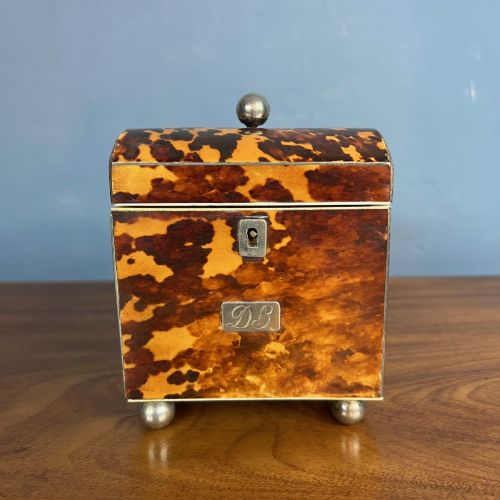
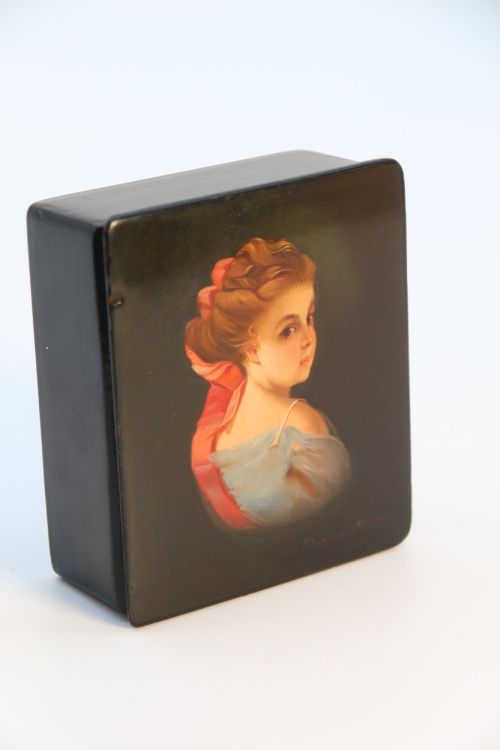
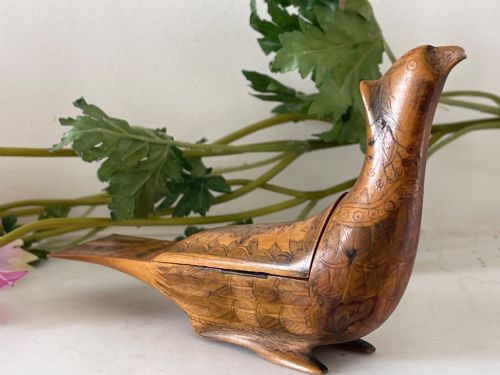
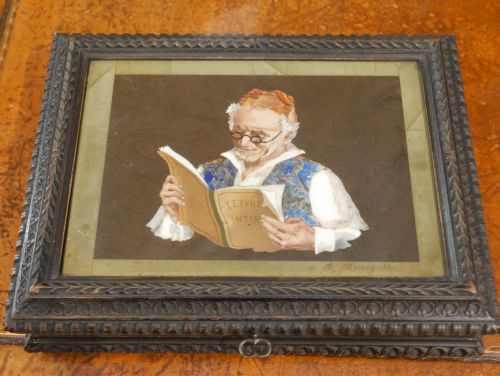
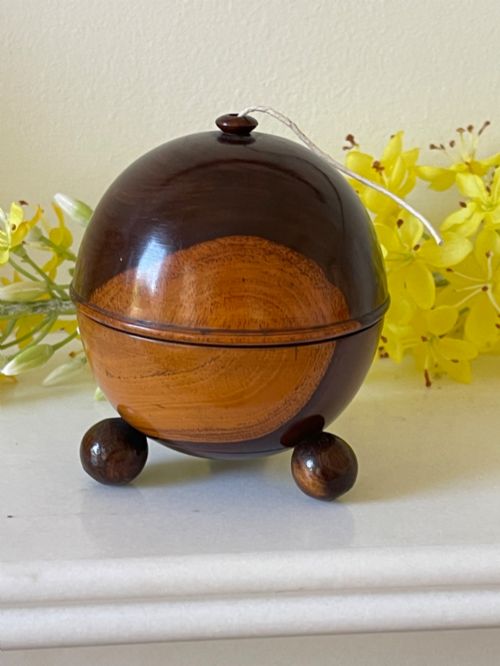
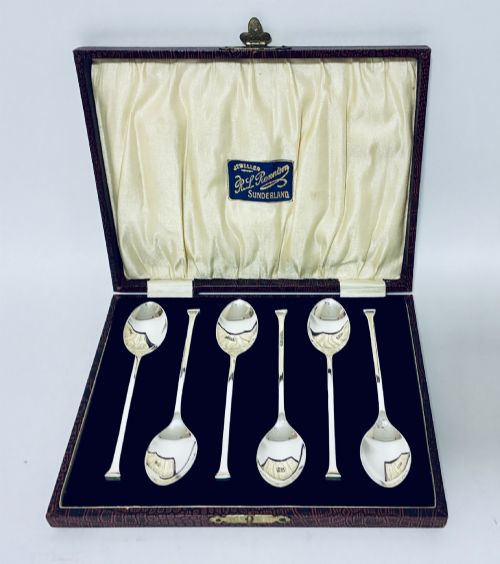
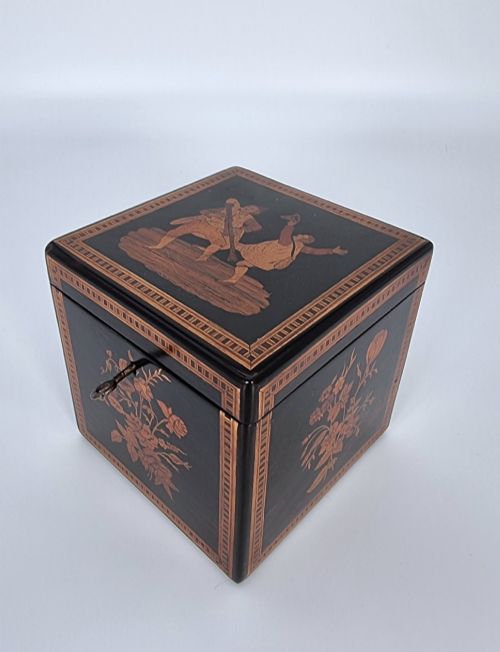
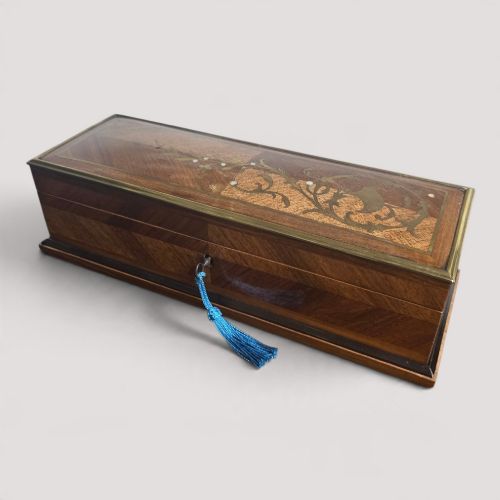
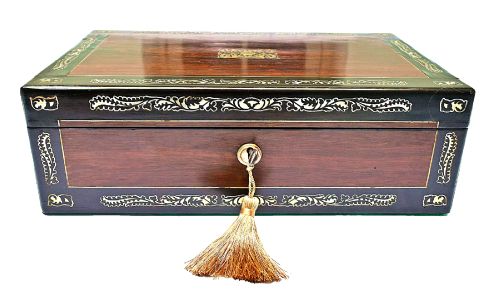
An antique decorative box encompasses a vast array of functional receptacles produced across the seventeenth, eighteenth, and nineteenth centuries. The pieces on this page range from small trinket boxes and snuff boxes to larger tea caddies, writing desks, and stationery caskets.
Originating from diverse European, Asian, and Middle Eastern workshops, these items reflect the global reach of decorative arts in periods spanning from William and Mary to the Edwardian era. Their primary purpose has shifted from utilitarian storage to ornamental display, retaining intricate hinges, locks, and fitted interiors.
How They Were Made
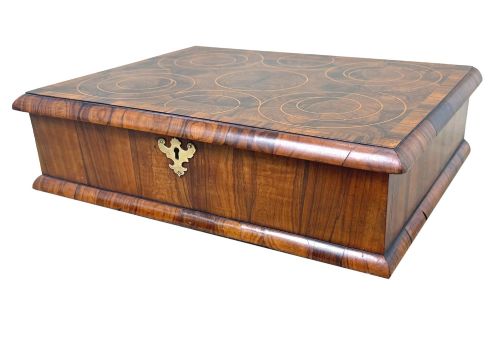
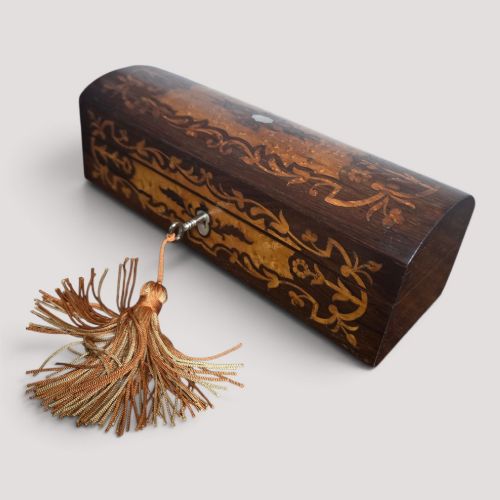
Cabinetmakers and metalworkers utilised rich natural materials, combining solid hardwoods like walnut, oak, and yew with exotic veneers such as burr maple and tortoiseshell. Surface decoration relied heavily on detailed inlay techniques, incorporating mother of pearl, brass, and boxwood bandings.
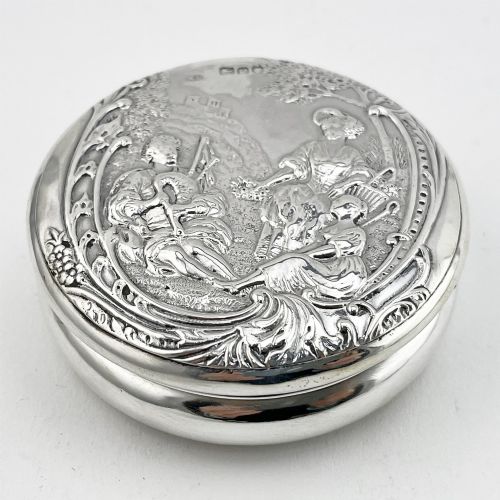
Lacquerwork played a major role in both European chinoiserie and Asian export pieces, building up layers of polished surface through painstaking application. Metal boxes relied on sterling silver, gilt brass, and bronze casting, frequently enhanced by hand-chased repoussé work, cloisonné enamel, and gilt highlights.
Antique Decorative Box Retail Price Guide 2026
Typical asking prices for decorative box among the pieces listed under this phrase on Sellingantiques today, from the lower quarter to the upper quarter. They describe what is for sale here now, not the wider market.
What Varies in Quality
The distinction between standard utility items and masterwork pieces rests upon the precision of the joinery and the complexity of the decorative program. Superior boxes demonstrate seamless parquetry, tightly fitted internal compartments, and original working locks with matching keys.
Artisanal execution dictates overall merit, visible in the depth of hand-carved bone, the clarity of cloisonné enamel, and the crispness of gesso moulding. Lesser examples rely on printed transfers or repetitive stamped motifs, whereas finer specimens showcase bespoke metal casting and delicate paper filigree.
Susse Freres Paris·Doulton Lambeth·Gill And Reigate
The Antique Decorative Box Glossary
- Tea caddy
- A receptacle originally designed to store loose tea leaves securely under lock and key. These containers often featured internal foil-lined compartments to preserve the aroma of expensive imports.
- Parquetry
- A geometric mosaic of wood veneer arranged in repeating patterns across a flat surface. Cabinetmakers applied this technique to create striking optical illusions on desk boxes and tea chests.
- Cloisonné
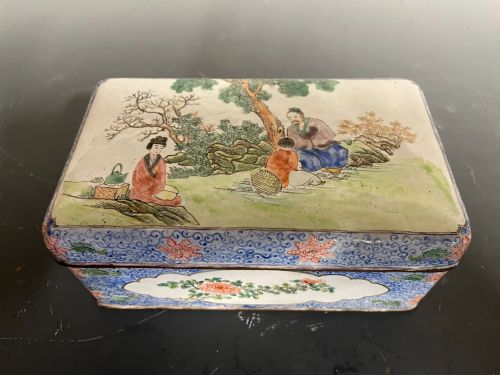
- An ancient enamelling technique where vitreous paste is applied within compartments created by soldered metal wires. Artisans fired the vessel repeatedly to achieve a smooth, glossy decorative finish.
- Filigree
- Delicate ornamental work composed of twisted metal threads soldered together into intricate openwork designs. This technique frequently appears in eighteenth-century paper and wire creations.
- Sarcophagus
- A box shape featuring a domed or sloping lid resting on a rectangular base, highly popular during the Regency period. The silhouette mimics classical stone tombs translated into fine cabinet timber.
Antique Decorative Box: Frequently Asked Questions
What were tea caddies used for?
Tea caddies served as secure storage containers for expensive tea leaves when tea was a highly rationed luxury commodity in British households. They frequently included internal lids or divided canisters to keep different blends separate.
Wealthy homeowners kept these boxes locked in the parlour or dining room, dispensing the leaves personally to household staff. This practical necessity drove cabinetmakers to produce increasingly ornate vessels featuring mother of pearl inlay and fine timbers.
How can I tell a Victorian box from a Georgian one?
Georgian boxes generally favor restrained classical proportions, featuring understated mahogany or walnut veneers with subtle stringing and symmetrical brasses. The joinery is often characterised by hand-cut dovetails and simpler interior layouts designed for letters or dry goods.
Victorian pieces embrace eclectic revival styles like Rococo Revival and Chinoiserie, alongside heavy use of papier-mâché, mother of pearl, and burr maple. The interiors of Victorian trinket and stationery boxes tend to be more complex, utilising plush velvet linings and tiered compartments.
What is Tunbridge ware?
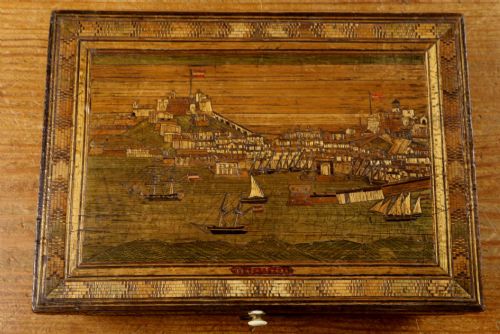
Tunbridge ware is a specialised form of mosaic woodwork produced in Kent, featuring tiny blocks of naturally coloured timbers assembled to form pictorial scenes. Craftsmen sliced these multi-wood blocks into ultra-thin veneers to wrap around keepsake and desk boxes.
These geometric and floral motifs required immense patience, often incorporating thousands of individual wood squares in a single panel. Collectors prize these pieces for their topographical precision and distinct regional provenance.
How should I care for an antique lacquered box?
Antique lacquer surfaces require stable indoor humidity away from direct sunlight to prevent the underlying wood or papier-mâché from warping. Dusting should be done gently with a dry, soft microfibre cloth without commercial cleaning sprays.
Avoid placing damp items or heavy moisture directly onto antique lacquer or tortoiseshell finishes. Maintaining a consistent room temperature preserves the integrity of delicate surface glazes and prevents crazing.