





Antique Memory Box
An antique memory box is a repository for letters and keepsakes, offering tactile connection to the past through fine cabinetwork.
Antique Memory Box
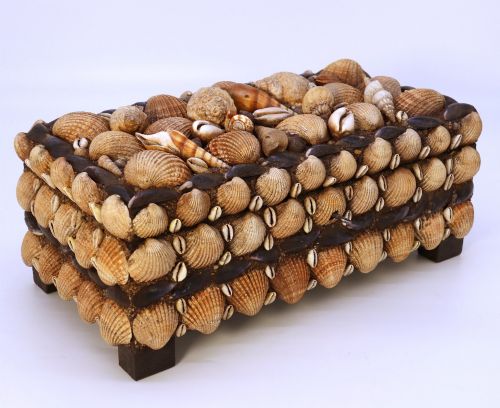
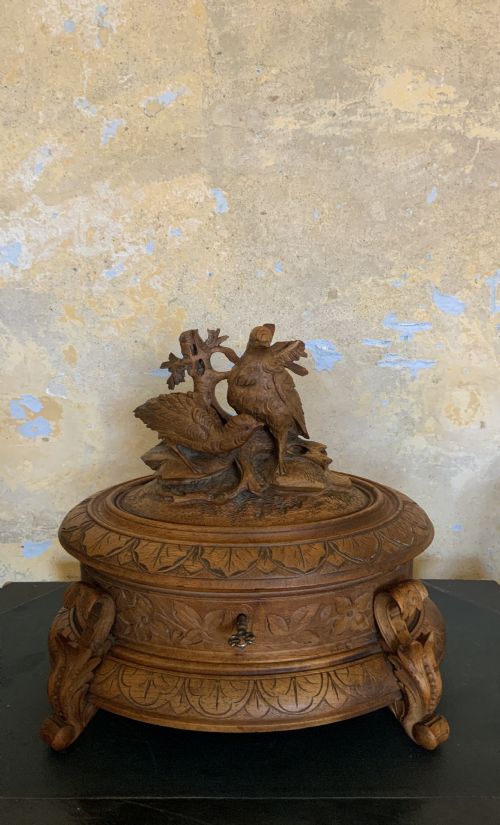
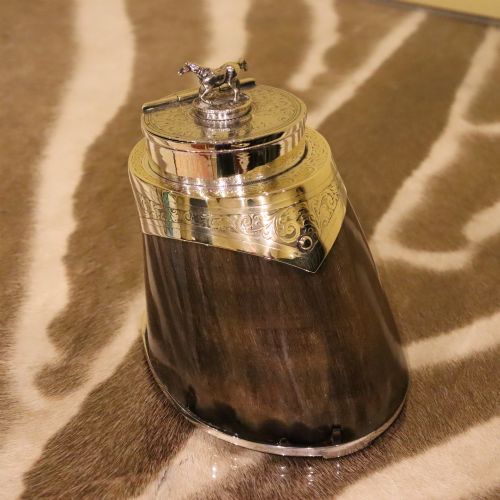
An antique memory box encompasses a diverse group of receptacles designed to safeguard correspondence, jewellery and treasured keepsakes. When exploring this selection, buyers encounter pieces spanning the Georgian, Regency and Victorian eras, alongside later interpretations.
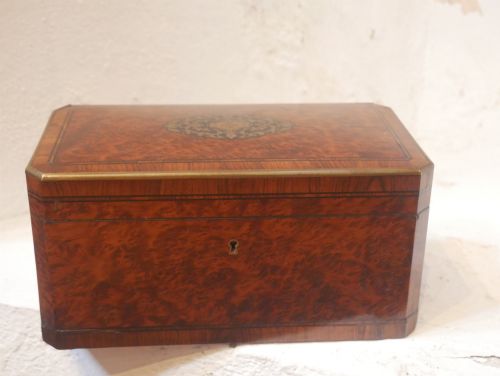
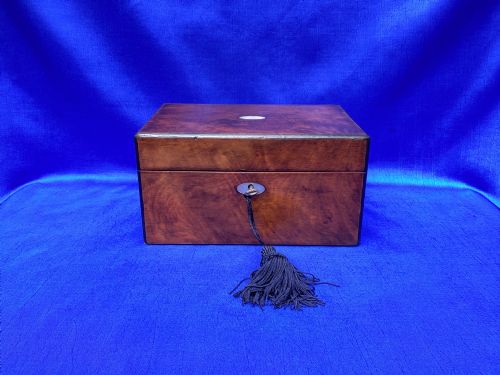
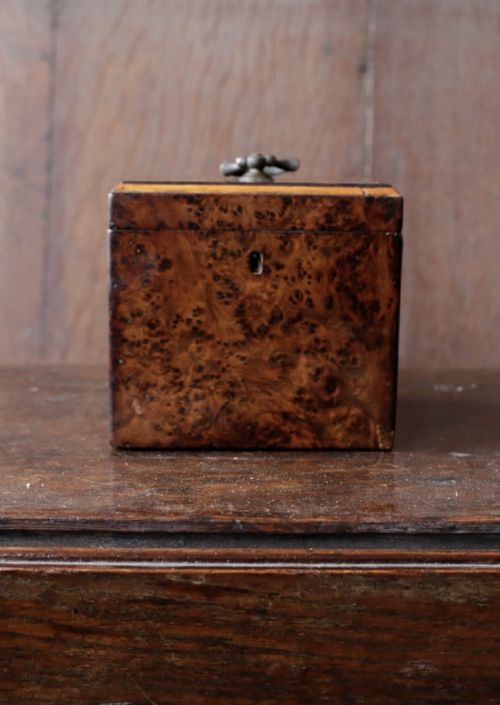
The forms vary considerably, ranging from slope-front writing desks and tea caddies to sarcophagus-shaped caskets and fitted dressing boxes. Rosewood and mahogany appear frequently, often enhanced by intricate brass work or specialised internal compartments.
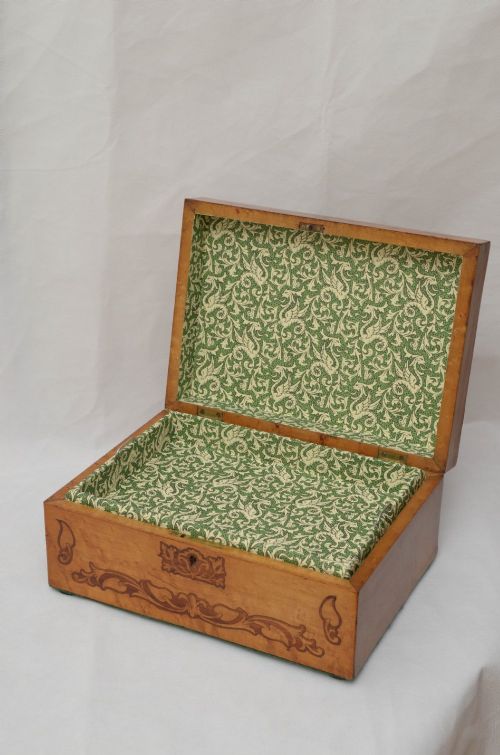
Originating from domestic and campaign contexts alike, these objects reflect the social habits of past centuries. Many incorporate mirrors, secret drawers or velvet linings tailored for personal mementoes.
Markers of Distinction
Superior examples distinguish themselves through the precision of their timber selection and the complexity of their decorative inlays. Grain alignment across lid and sides demonstrates the artisan's intent.
The integrity of internal fittings, such as secret drawers, original mirrors and fitted velvet trays, elevates a piece significantly. High-grade hardware, including flush brass campaign handles and working locks with functional keys, marks the upper tier of manufacture.
Antique Memory Box Retail Price Guide 2026
Typical asking prices for memory box among the pieces listed under this phrase on Sellingantiques today, from the lower quarter to the upper quarter. They describe what is for sale here now, not the wider market.
The listings demonstrate a strong presence of nineteenth-century rosewood and mahogany, complemented by exotic materials like tortoise-shell, mother-of-pearl and brass.
The Antique Memory Box Glossary
- Writing slope
- A portable desk featuring a slanted writing surface that often folds flat, traditionally fitted with inkwells and compartments for stationery. These pieces represent a sophisticated sub-category of personal storage.
- Parquetry
- A geometric mosaic of wood pieces used for decorative veneer on box lids and surfaces. Master artisans utilised contrasting timbers to create three-dimensional optical effects.
- Sarcophagus
- A box form featuring a stepped or domed lid tapering towards the base, reminiscent of ancient monumental tombs. This classical shape was favoured by Regency and Victorian cabinetmakers for large presentation caskets.
- Tea caddy
- A container originally constructed with lead-lining and interior compartments to preserve expensive loose leaf tea. Many surviving examples have been repurposed over generations to hold letters and small treasures.
Antique Memory Box: Frequently Asked Questions
What is the difference between a writing slope and a standard box?
A writing slope opens to reveal a slanted writing surface and designated compartments for ink and pens, whereas a standard box provides an open cavity or tiered trays for general storage.
Both forms utilise similar fine cabinet timbers and decorative inlays, but their internal architecture serves distinct domestic purposes.
How can I tell a Regency box from a Victorian one?
Regency boxes often showcase restrained classical proportions, frequently featuring bold brass banding, recessed campaign handles, and penwork decoration dating from the early nineteenth century.
Victorian pieces tend towards exuberant ornamentation, incorporating elaborate mother-of-pearl inlay, burr walnut veneers, and deeply fitted interiors with built-in vanity mirrors.
Were these boxes used exclusively for jewellery?
While many served as jewellery caskets or dressing boxes with velvet-lined compartments, others functioned as document boxes, tea caddies, games receptacles, or desk tidies.
The interior layout usually indicates the intended original contents, though owners adapted them for personal mementoes over time.
Are keys typically included with antique boxes?
Original working keys are occasionally present, but many antique boxes survive without them due to centuries of displacement.
A missing key does not detract from the cabinetwork quality, though specialised locksmiths can sometimes provide replacement mechanisms.