






Decorative Wooden Casket
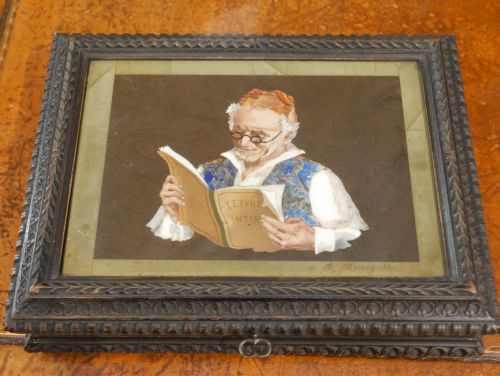
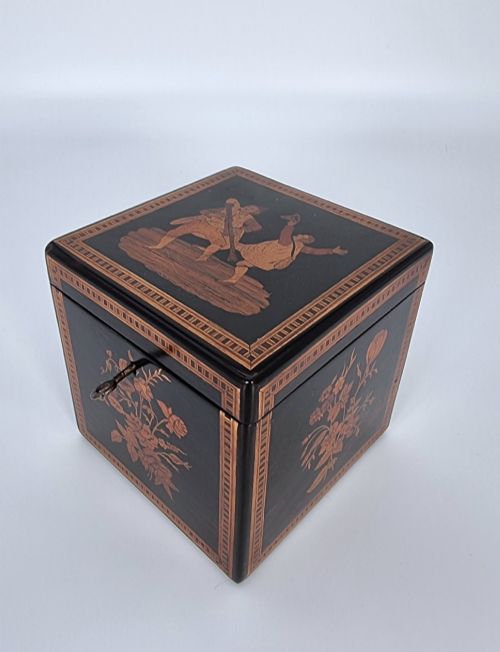
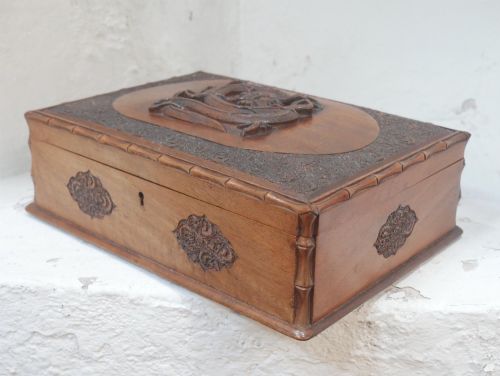
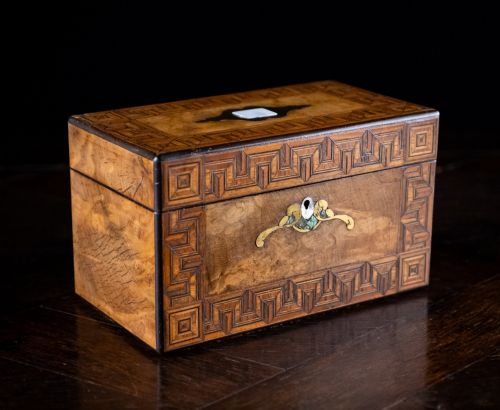
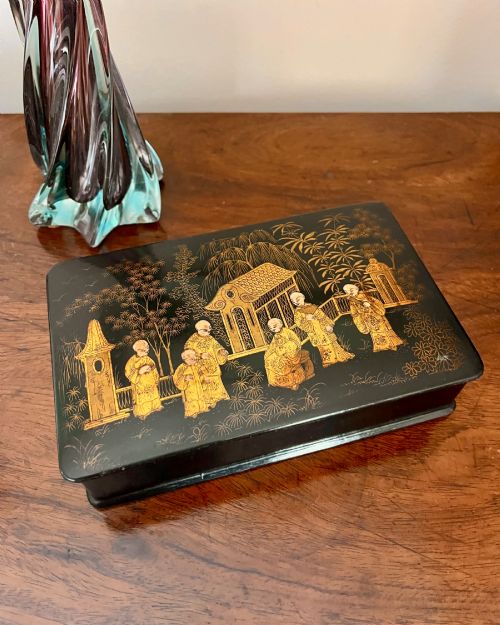
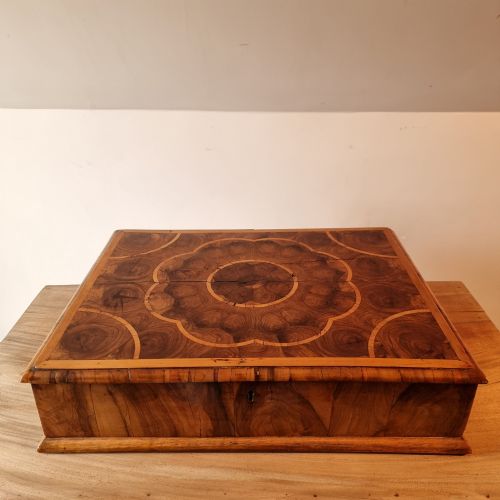
These decorative wooden caskets are nineteenth-century containers crafted to hold tea, games, or jewellery.
Decorative Wooden Casket
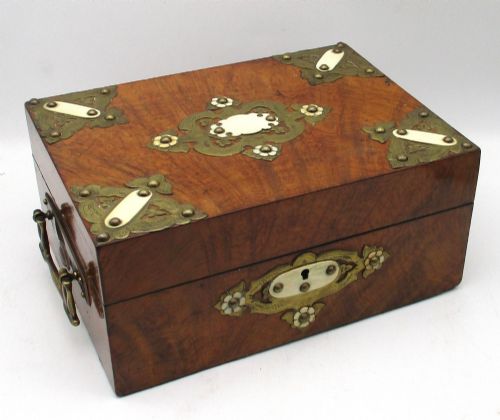
A decorative wooden casket serves as a personal repository for valuables, tea leaves, or parlour games, sitting securely upon a table or sideboard. These objects reflect the Victorian taste for combining utility with ornate surface decoration in domestic spaces.
The pieces listed here date from the nineteenth century, including specific years such as eighteen sixty, eighteen eighty, and eighteen ninety. They take the form of tea caddies, games boxes, jewellery boxes, and general decorative boxes.
How they were made
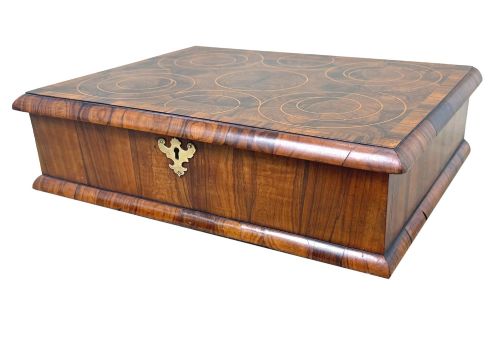
Cabinet makers utilised a range of timbers including walnut, burr walnut, oak, pollard oak, and mahogany as the structural base for each casket. These woods were often selected for their prominent grain patterns and rich natural tones.
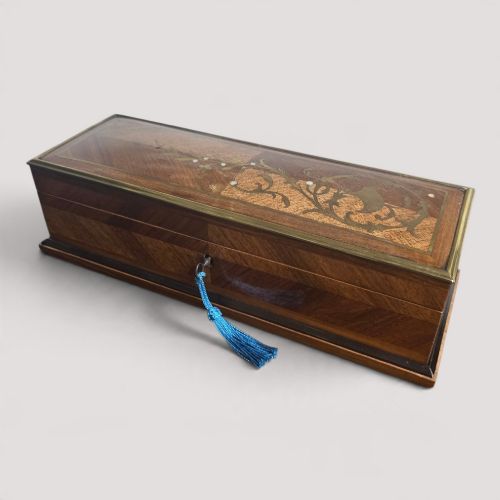
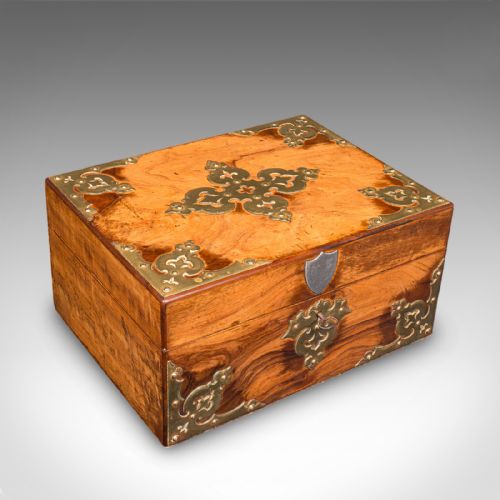
Surface decoration involved meticulous inlay work using brass, mother of pearl, and malachite, alongside parquetry techniques and domed brass binding. This combination of timber and applied ornament required precise hand-fitting by skilled artisans.
Decorative Wooden Casket Retail Price Guide 2026
Typical asking prices for decorative wooden casket among the pieces listed under this phrase on Sellingantiques today, from the lower quarter to the upper quarter. They describe what is for sale here now, not the wider market.
Materials recorded across these decorative wooden caskets comprise walnut, burr walnut, oak, pollard oak, mahogany, brass, mother of pearl, and malachite.
What varies in quality
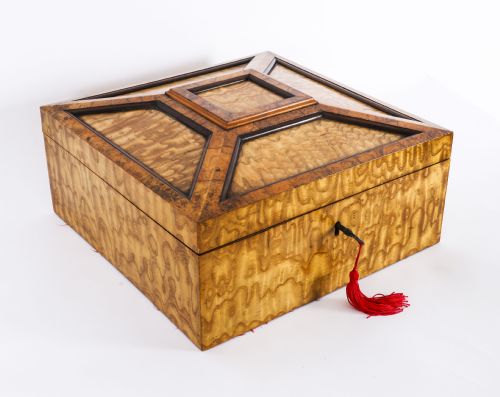
Quality rests in the precision of the parquetry and the harmonious integration of contrasting materials such as brass, malachite, and mother of pearl into the timber lid and sides. Superior examples demonstrate tight joints and flush surfaces where the inlays meet the surrounding wood.
The choice of timber grain also dictates distinction, with burr walnut and pollard oak exhibiting complex, swirling patterns that elevate the visual depth of the casket far beyond plain-grained alternatives.
The Decorative Wooden Casket Glossary
- Parquetry
- A geometric mosaic of wood pieces used for decorative veneer on furniture and boxes. It creates repeating patterns across flat surfaces.
- Burr walnut
- A highly prized wood featuring swirling, knotty growths that produce intricate patterns. Cabinet makers select it for prominent display panels.
- Mother of pearl
- An iridescent inner layer of mollusc shells used for delicate inlay work. It reflects light in pearlescent hues.
- Malachite
- A green copper carbonate mineral cut into decorative plaques and inlays. Its banded coloration adds distinct vibrant contrast to wood.
- Pollard oak
- Oak timber taken from trees that have been pollarded, resulting in closely grained and heavily figured wood. This produces distinctive clustered knot patterns.
Decorative Wooden Casket: Frequently Asked Questions
What did they hold?
These caskets served specific domestic functions in nineteenth-century homes, frequently holding dry tea leaves, card games, or personal jewellery.
Their sturdy timber construction and compartmented interiors protected valuable household items from dust and handling.
How old are they?
The pieces available date from the nineteenth century, with specific examples originating around eighteen sixty, eighteen eighty, and eighteen ninety.
Victorian makers produced these decorative containers using traditional hand-tool methods and natural materials.
How do I care for the wood?
Keep wooden caskets away from direct sunlight and sudden temperature shifts to protect the timber and delicate inlay work from warping.
Apply a dry, soft cloth for dusting and avoid harsh chemical polishes that can damage the antique finish.
What materials were used?
Makers constructed the boxes from timbers such as walnut, burr walnut, oak, pollard oak, and mahogany.
They embellished these surfaces with brass mounts, mother of pearl, and malachite panels.