

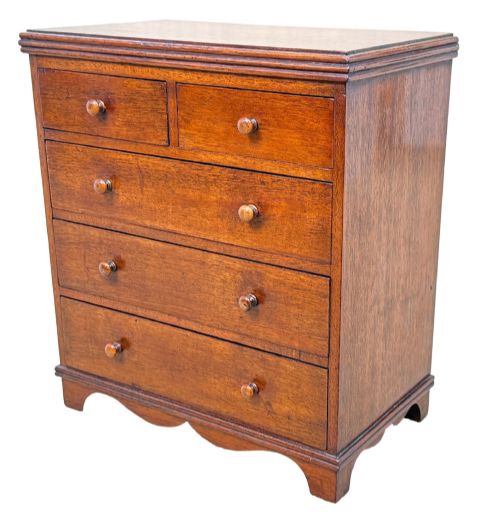


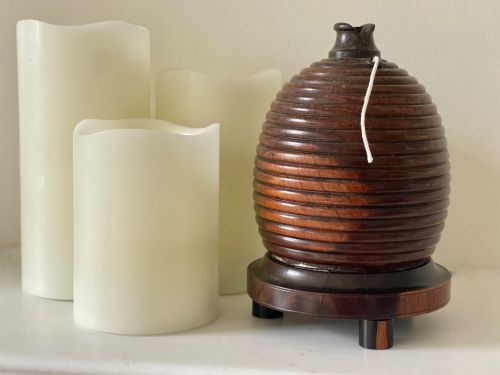
19th Century Wooden Box
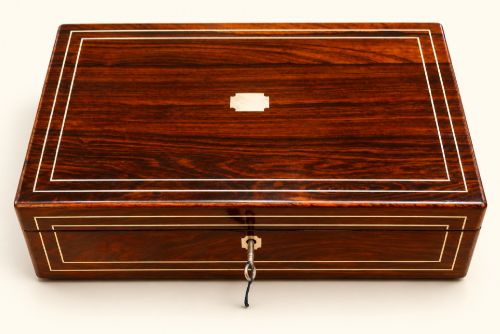
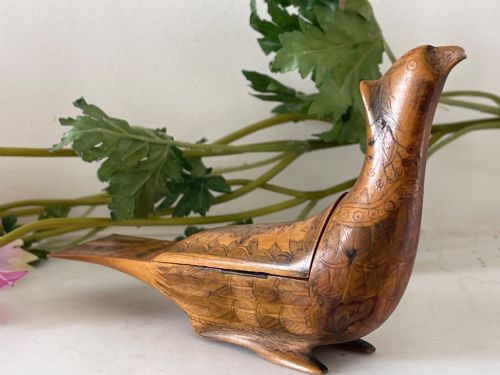
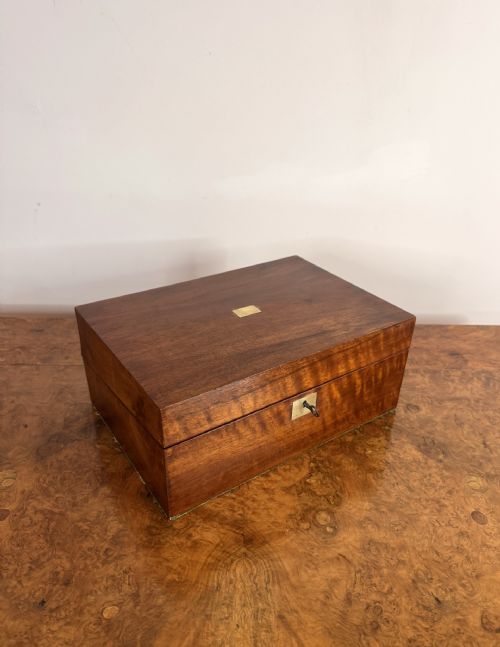
A 19th century wooden box serves as both a practical desktop repository and a lasting piece of history for daily storage.
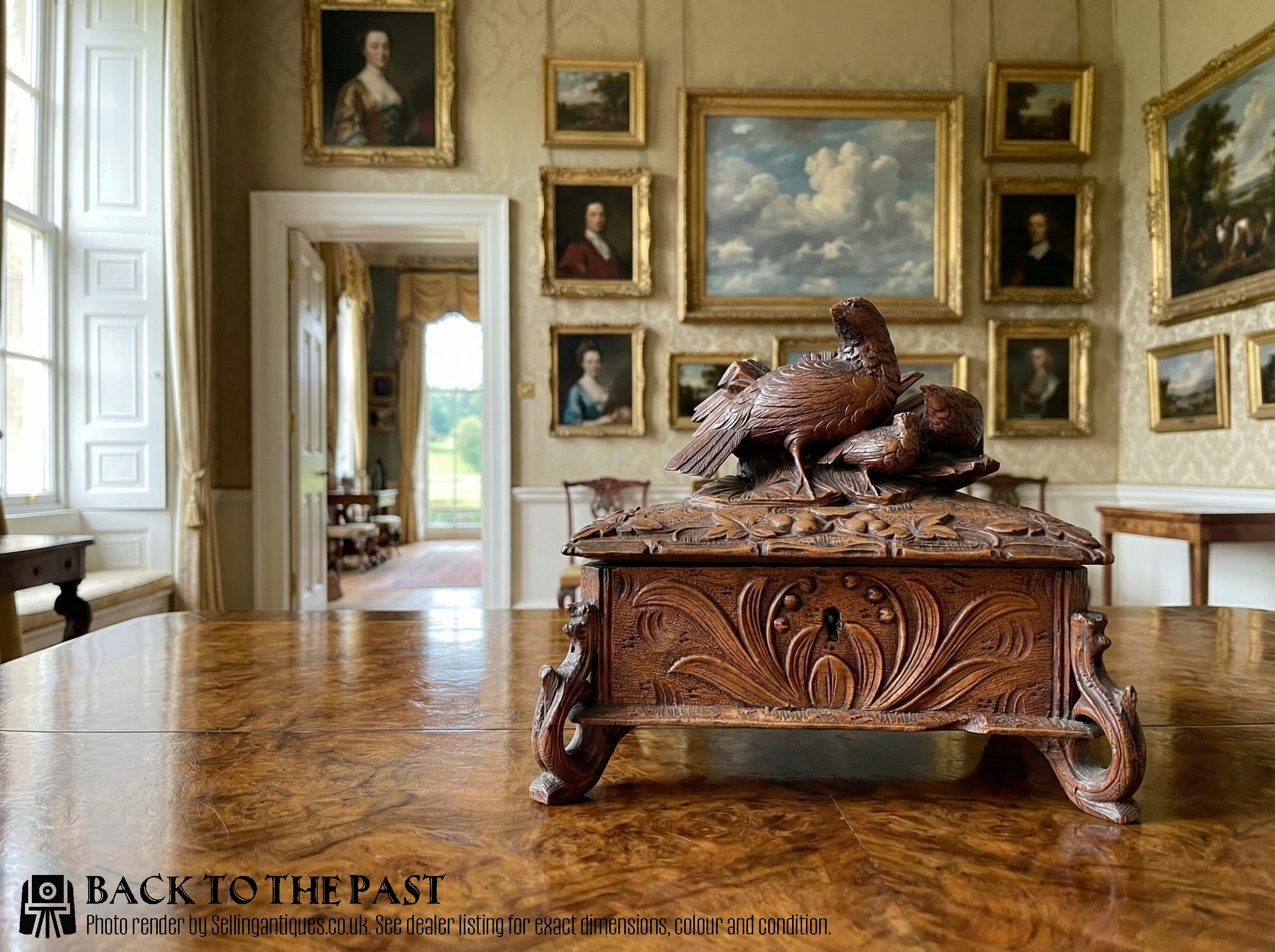
19th Century Wooden Box
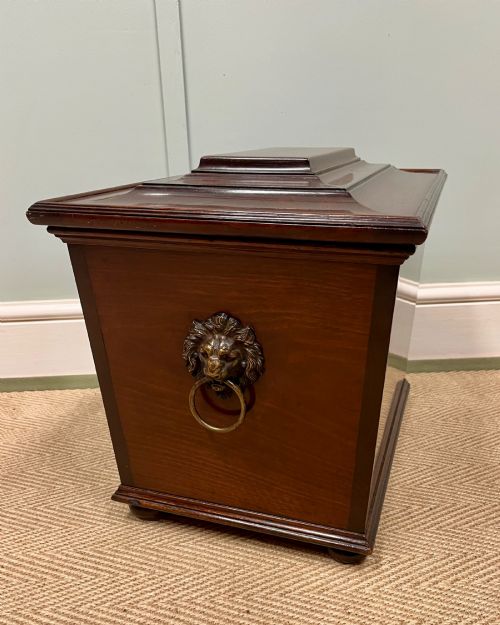
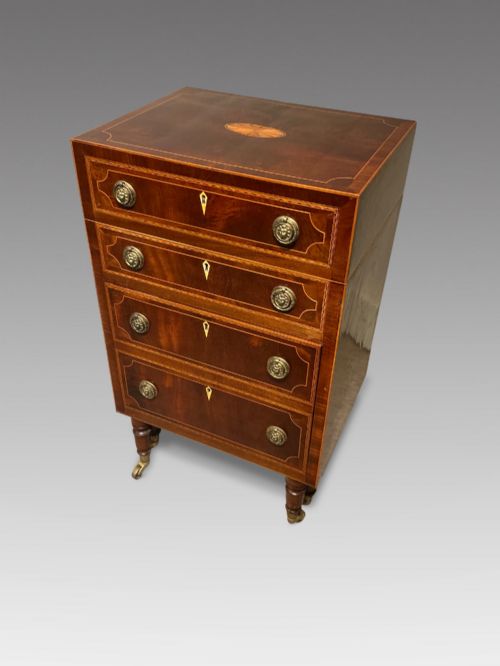
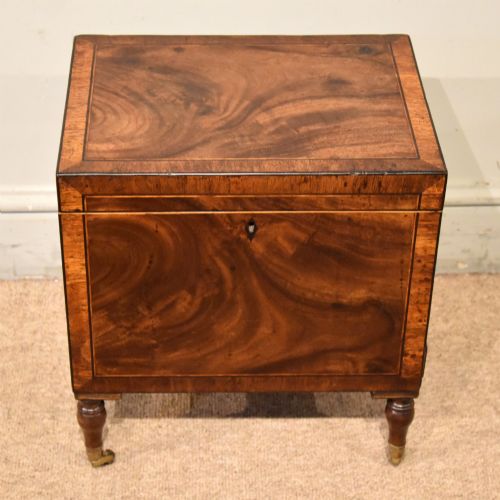
The selection ranges from robust storage chests and blanket boxes in stripped or painted pine to refined jewellery boxes and stationery cabinets veneered in burr walnut, mahogany, and satinwood.
How They Were Made
Cabinet makers utilised dense hardwoods such as mahogany, walnut, and rosewood for luxury items, employing meticulous dovetail joints and decorative veneers like amboyna and bird's eye maple.
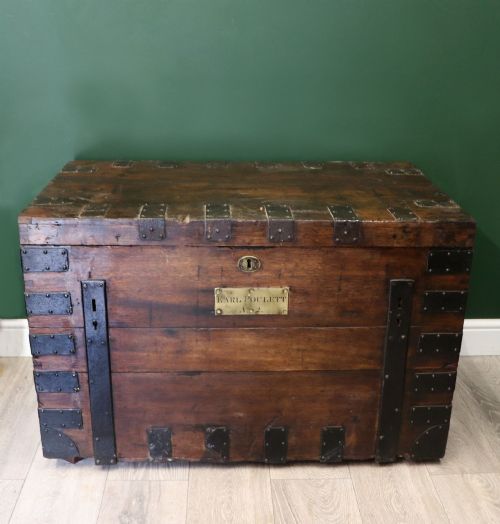
Utility pieces relied on durable softwoods including pine, oak, and camphor wood, frequently reinforced with brass corners, iron straps, and flush carrying handles designed for travel.
19th Century Wooden Box Retail Price Guide 2026
Typical asking prices for 19th century wooden box among the pieces listed under this phrase on Sellingantiques today, from the lower quarter to the upper quarter. They describe what is for sale here now, not the wider market.
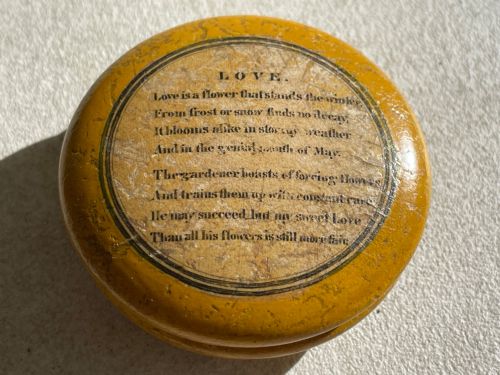
Survival stories include a sturdy trunk that once travelled with a Waterloo commissary general and tiny bone teetotums carved by prisoners of war.
What Varies in Quality
The hierarchy of quality rests on the selection of timber figure, the precision of internal fittings, and the integrity of brass or mother-of-pearl inlays rather than mere age alone.
Simpler country items show robust hand-carved joinery, while finer salon boxes exhibit complex parquetry, working original locks, and intact silk-lined interiors.
Tahan Paris·G. Davis of Leeds
The 19th Century Wooden Box Glossary
- Caddy
- A small container originally designed for storing loose tea leaves securely under lock and key. These receptacles often feature internal compartments and delicate wood veneers.
- Campaign trunk
- A robust chest built in sections with recessed brass hardware for military officers on the move. They frequently utilise camphor wood to deter insects.
- Teapoy
- A pedestal table fitted with a lidded box on top for storing tea. They emerged during the Georgian and Regency periods.
- Coffer bach
- A small Welsh oak chest used for household storage. The term translates simply from Welsh as little coffer.
19th Century Wooden Box: Frequently Asked Questions
What were tea caddies used for?
Tea caddies served to store expensive tea leaves securely in the nineteenth century when tea was a precious commodity. They frequently included internal compartments and a central lock.
Today, collectors appreciate them for their fine veneers, intricate inlays, and compact proportions that fit easily on modern sideboards.
Where were blanket boxes placed?
Blanket boxes sat primarily in bedrooms or hallways to store heavy woollen bedding and linens out of season. Their sturdy pine or oak construction ensured contents remained protected from dust.
In modern homes, they function well at the foot of a bed or as living room coffee tables with hidden storage.
What is burr walnut?
Burr walnut refers to the highly figured grain taken from a tree growth or burl, prized for its swirling patterns. Cabinet makers sliced this wood into thin veneers to ornament luxury boxes and tables.
Pieces featuring burr walnut typically date from the Victorian era and represent high-status domestic objects.