

Antique Folk Art Box
An antique folk art box holds personal treasures and everyday items, shaped by hands across centuries using pine, wood, iron, and paint.
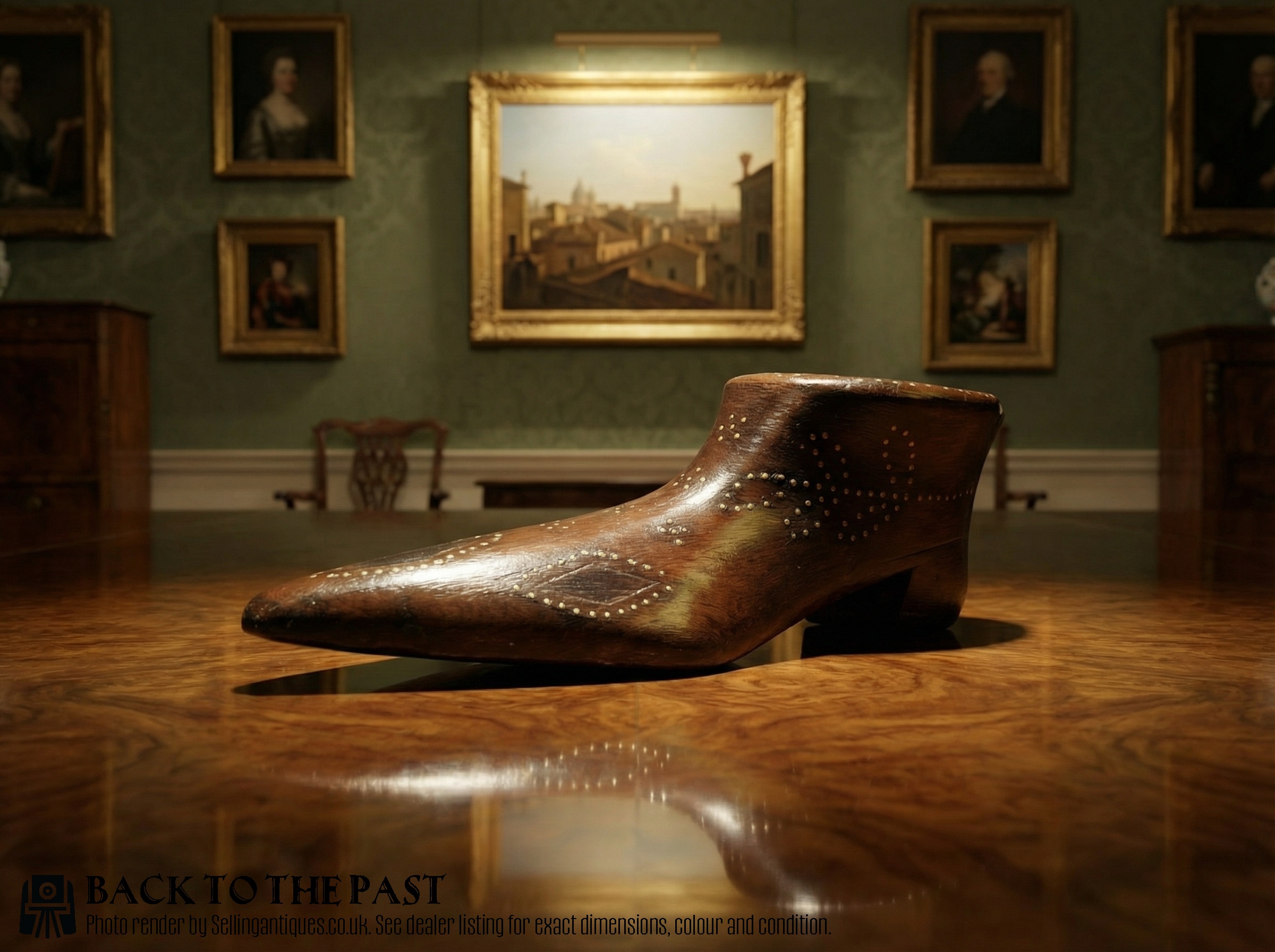
Antique Folk Art Box
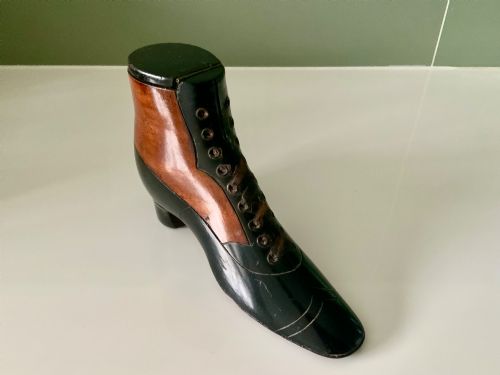
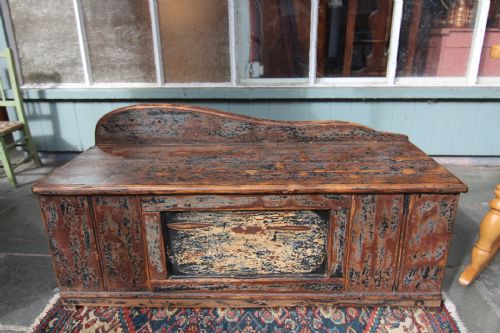
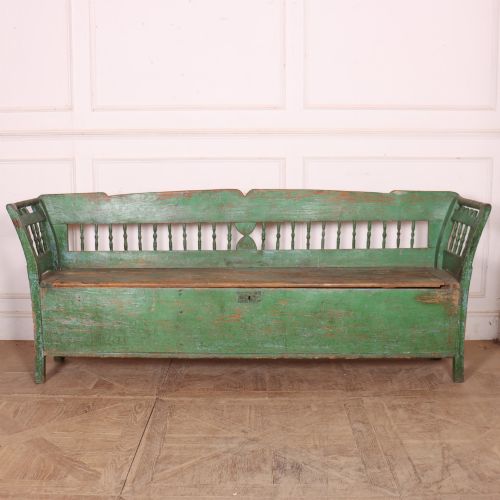
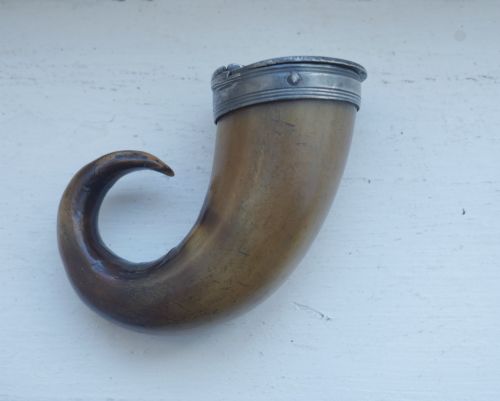
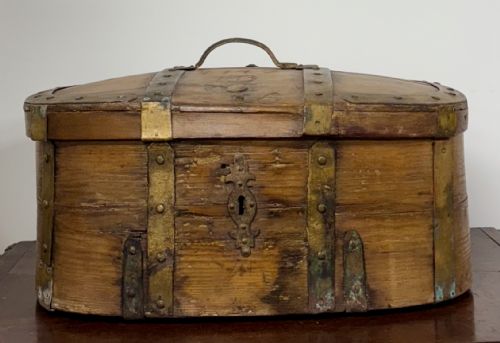
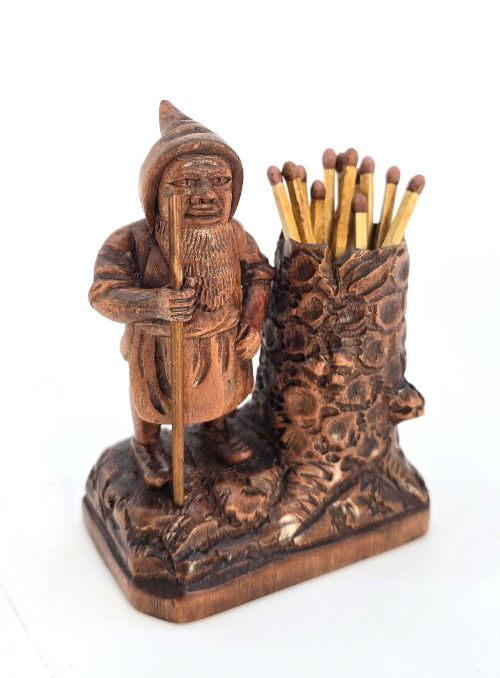
Every antique folk art box originates from domestic traditions across regions such as Scandinavia, Britain, France, and central Europe. Buyers encounter forms ranging from small pocket snuff boxes and match holders to larger marriage chests, blanket boxes, and foot stoves.
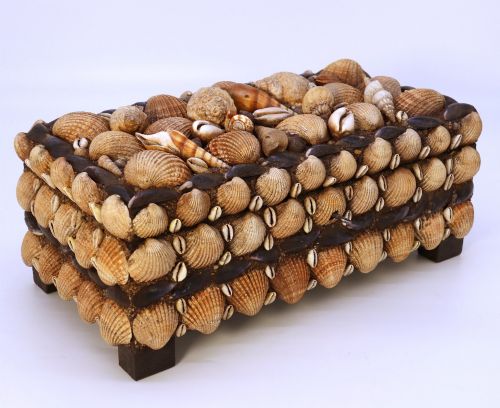
The materials reflect local availability, with painted pine, oak, hardwood, and fruitwood forming the primary bodies. Decoration often incorporates regional styles like Scandinavian country work, Frisian chip carving, and British shellwork.
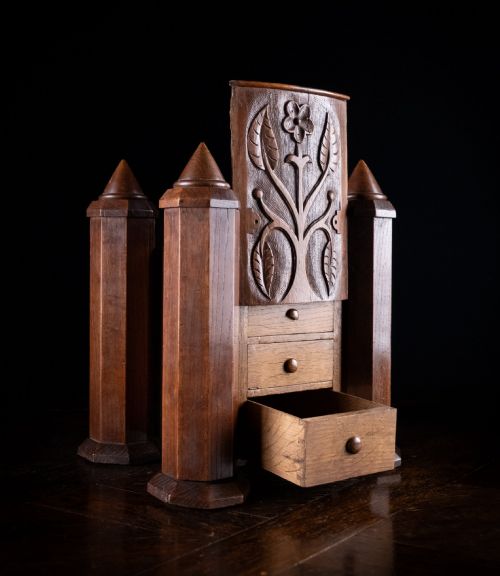
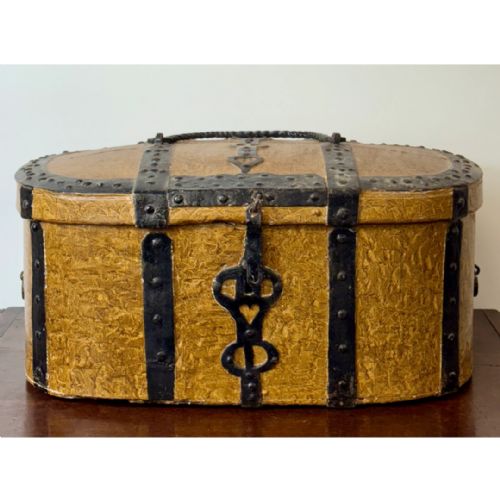
Domestic life dictated the creation of these containers, serving practical storage needs for tobacco, spices, coins, and documents. Makers utilised available timber and simple hardware such as hand-forged iron strapwork to finish each piece.
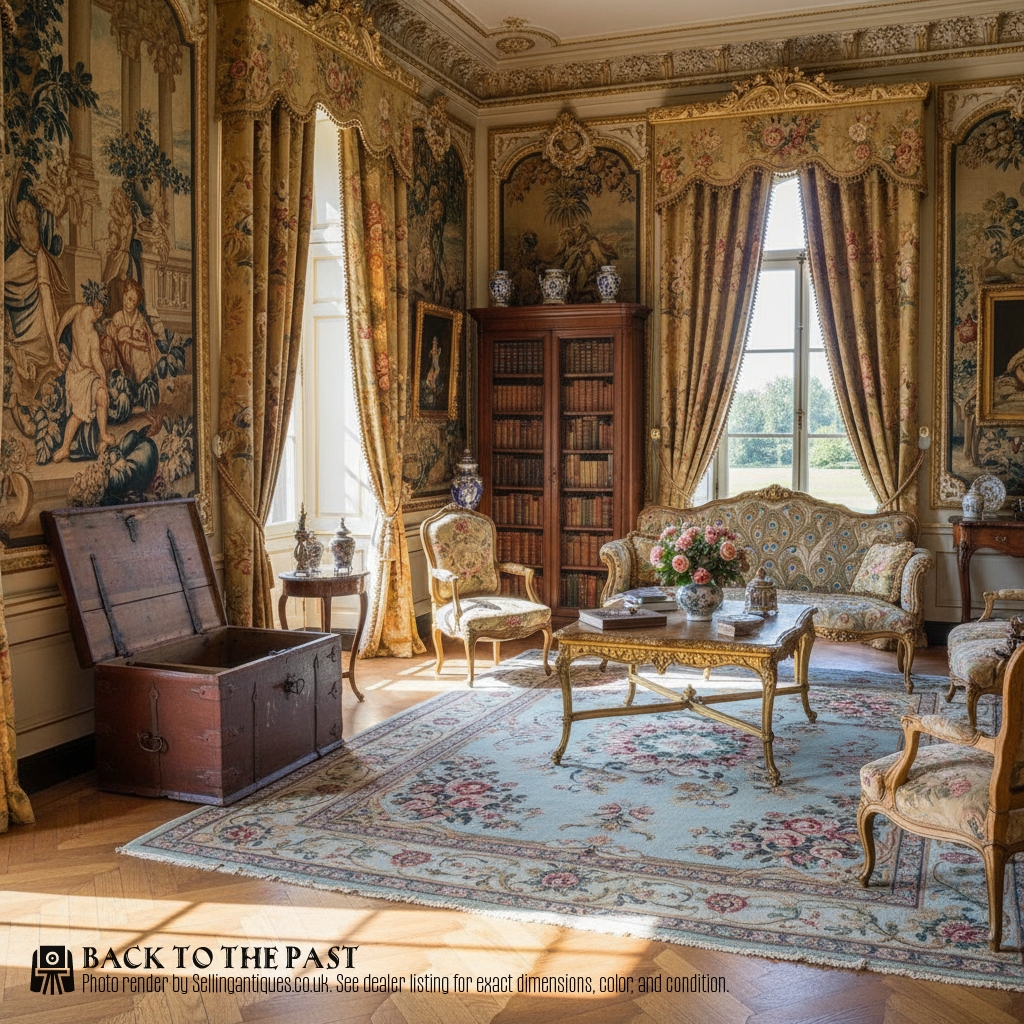
Materials and construction methods
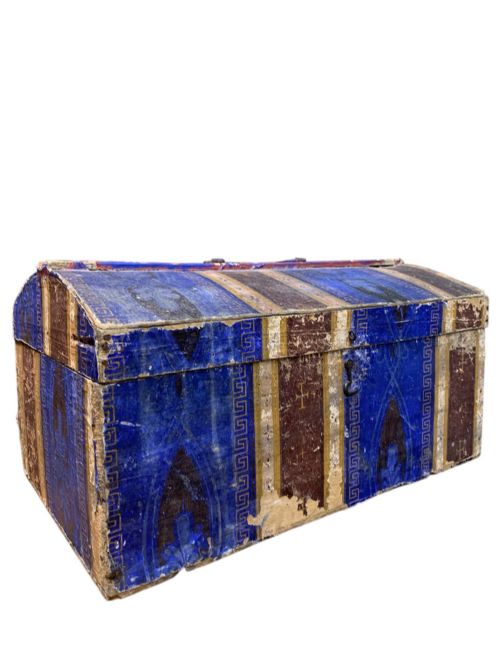
Carpenters and makers constructed the larger trunks and chests from solid pine or oak planks, securing joints with iron strapwork and hinges. Smaller items like snuff boxes and match holders relied on dense fruitwood, boxwood, and limewood suitable for detailed handling.
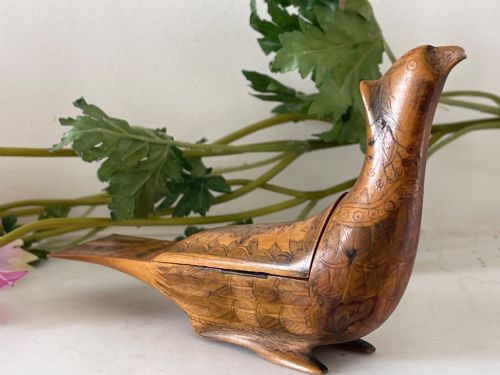
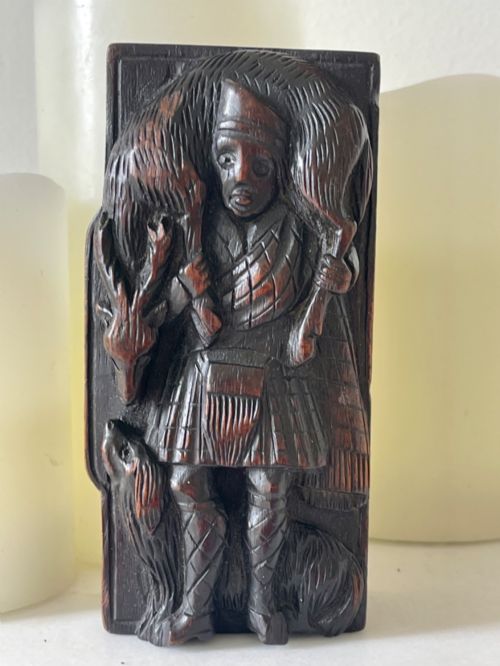
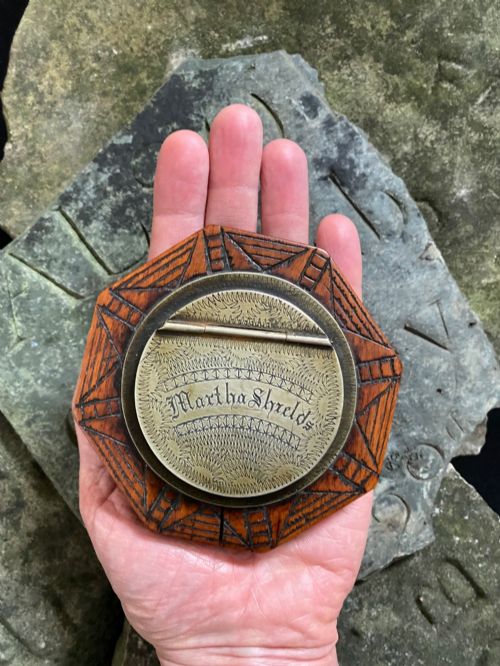
Surface decoration defined much of the production, employing hand-mixed paint, lacquer, and intricate chip carving or tramp art layering. Artisans also applied bone inlays, shellwork, and paper Mâché to embellish the exterior surfaces of smaller caskets and containers.
Antique Folk Art Box Retail Price Guide 2026
Typical asking prices for folk art box among the pieces listed under this phrase on Sellingantiques today, from the lower quarter to the upper quarter. They describe what is for sale here now, not the wider market.
Listings feature items spanning the 18th, 19th, and early 20th centuries, constructed primarily from pine, oak, painted wood, and iron.
Distinctions in craftsmanship and survival
Quality rests upon the crispness of the carving, the integrity of the original paint surface, and the harmony of the proportions. Pieces displaying untouched regional decoration and secure, period-correct ironwork stand apart from heavily restored examples.
The complexity of the technique also separates standard containers from superior pieces, such as multi-layered chip carving, precise bone inlay, or detailed pictorial shellwork. Original patination accumulated through decades of domestic handling indicates a well-preserved surface.
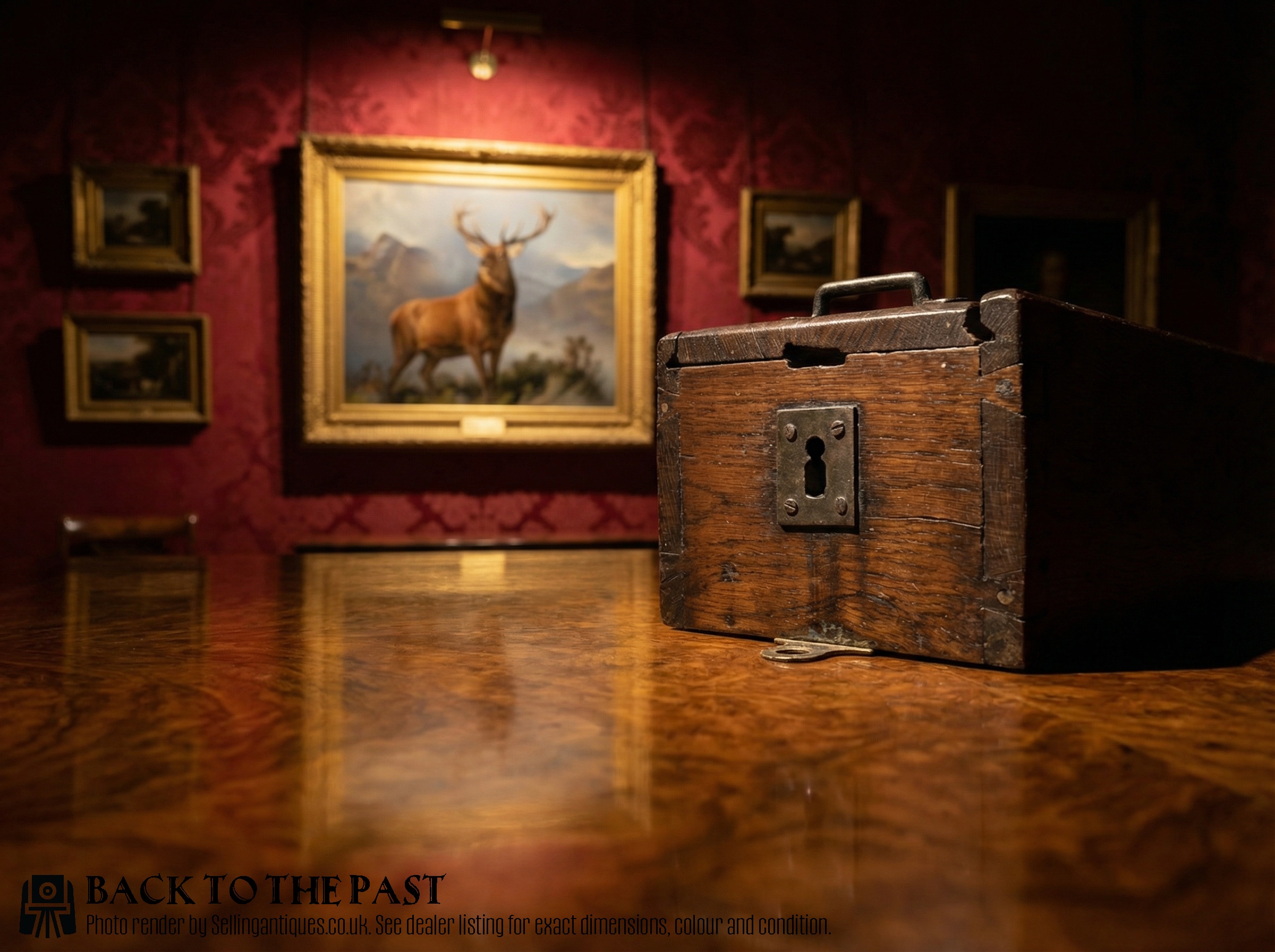
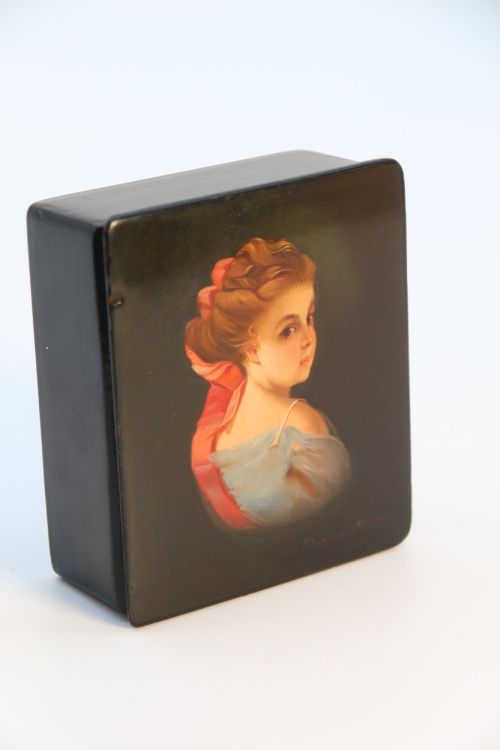
Vishnyakov Workshop
The Antique Folk Art Box Glossary
- Treen
- Small handmade wooden household objects. These items include treen snuff boxes, match holders, and tobacco containers.
- Tramp art
- A style of woodworking involving the chip carving of salvaged wood layers. Artisans built boxes and frames using pocket knives.
- Chip carving
- A decorative technique where small chips are removed from a wooden surface in geometric patterns. This method appears frequently on Frisian and Scandinavian boxes.
- Snuff box
- A small container designed to hold pulverized tobacco. These boxes often feature intricate wooden carving, bone inlay, or painted decoration.
- Memento mori
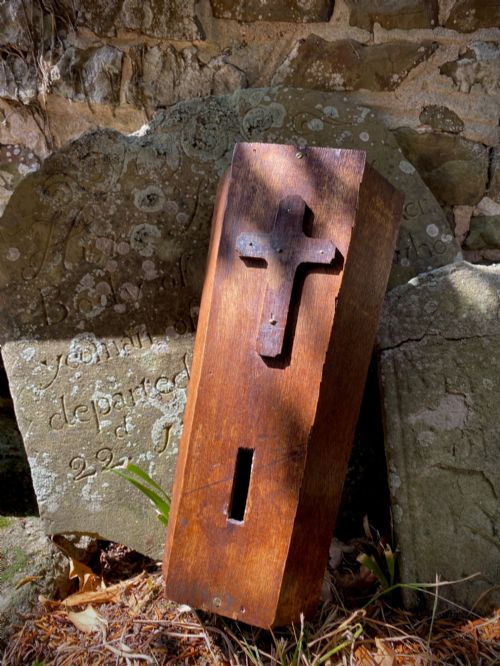
- An artistic reminder of the inevitability of death. Carved bone items of this type occasionally appear within the category.
Antique Folk Art Box: Frequently Asked Questions
What is an antique folk art box used for?
These containers served practical functions in domestic settings, holding items such as snuff, tobacco, spices, coins, and personal documents. Larger chests provided secure storage for household linens and dowries.
Over time, many of these utilitarian objects transitioned into decorative display pieces. Today, collectors utilise them to store small personal items while exhibiting the historic woodwork.
How do I identify the period of a wooden box?
Dating relies on examining construction methods, timber types, and wear patterns. Georgian and 18th-century pieces often display hand- forged ironwork and pegged joinery, while 19th-century examples may incorporate machine-cut elements or distinct regional paint styles.
Surface finish provides further clues, as original paint, historic wax patination, and the tools used by the maker help narrow down the decade of production.
Are painted finishes original on these boxes?
Original painted surfaces show natural wear, craquelure, and stable integration with the underlying wood. Pigments matched local availability and regional decorating traditions.
Examining the paint under natural light reveals whether the pigment has aged uniformly with the timber or if later layers were applied over the original surface.
Where were these decorative boxes made?
Production occurred across diverse European regions, including Scandinavia, Britain, France, Austria, and Russia. Each area developed distinct decorative traits, such as Frisian chip carving or Scandinavian country painting.
Makers utilised locally accessible woods like pine, oak, and fruitwood, which often links a piece to a specific geographic provenance.