



Brown Wooden Snuff Box
A brown wooden snuff box is a pocket-sized container for tobacco that offers a tangible connection to nineteenth-century social habits.
What They Are
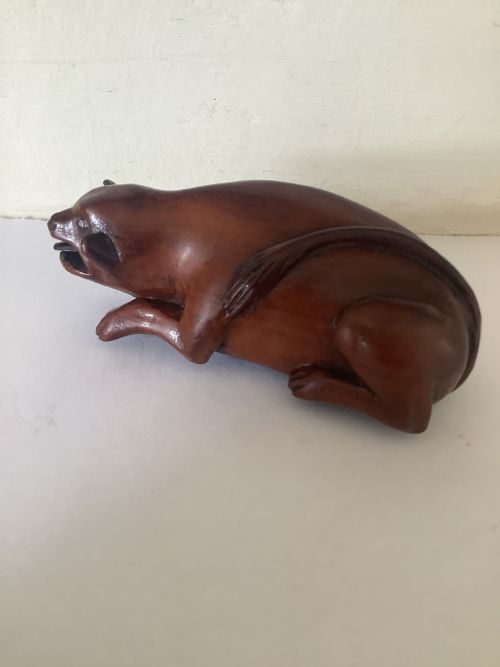
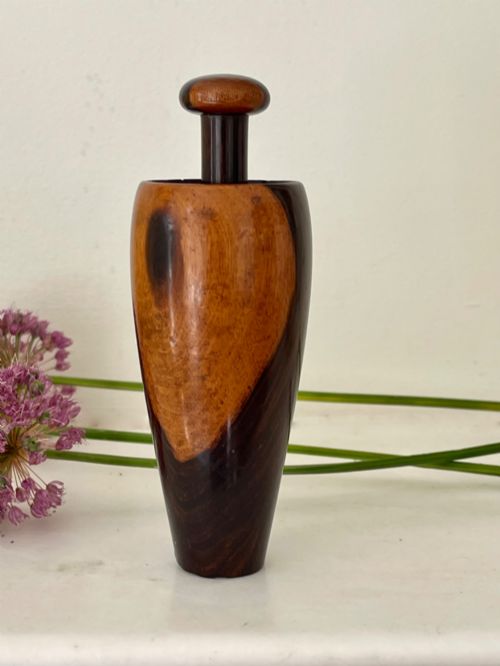
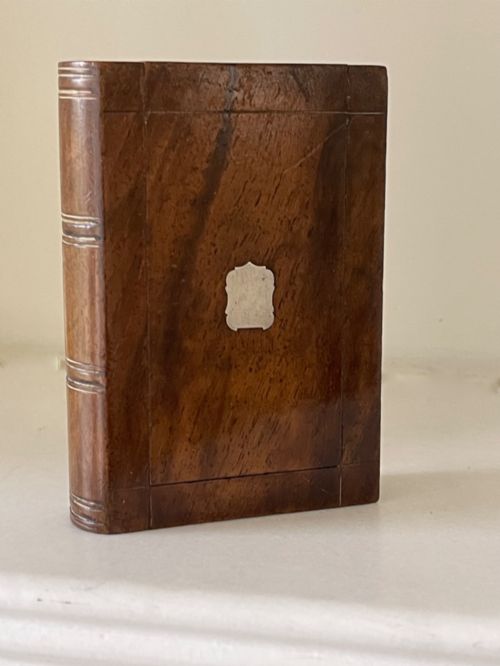
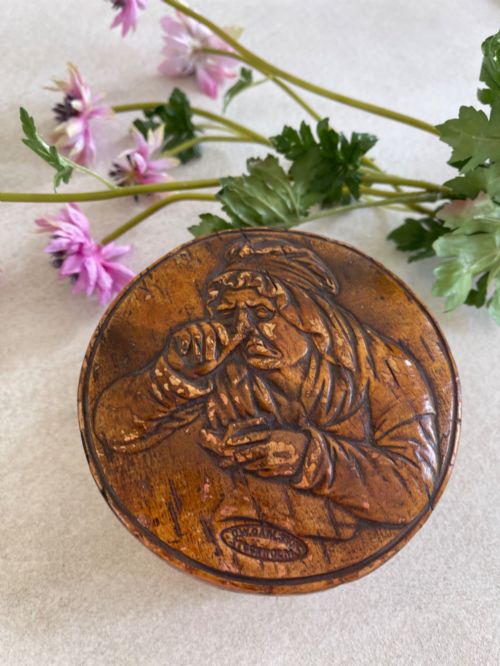
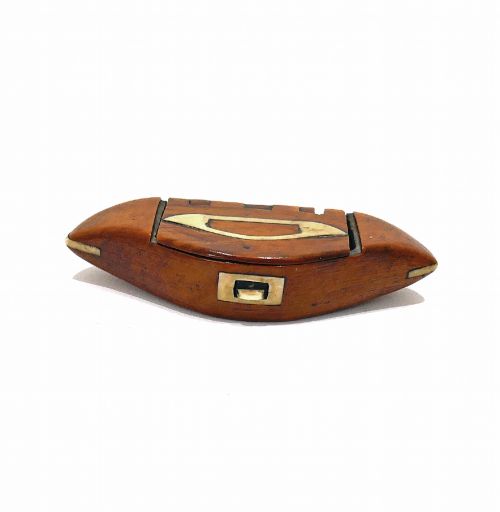
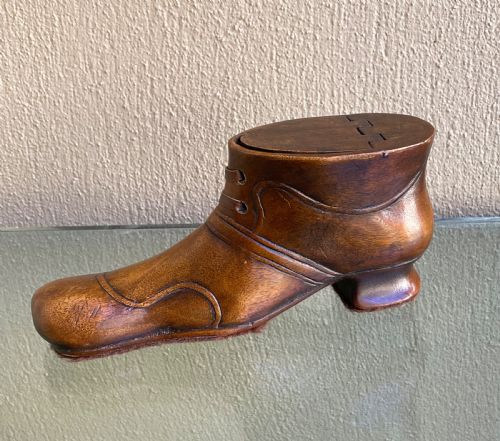
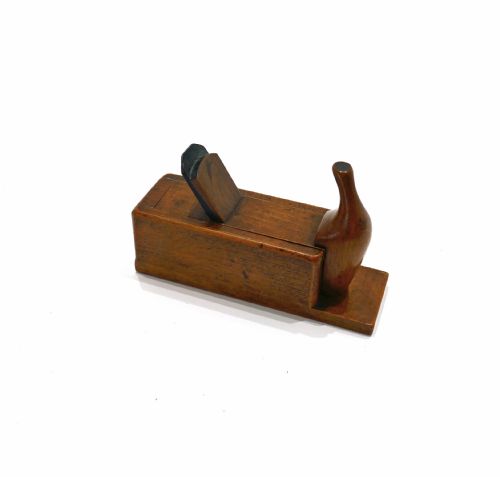
When you search for a brown wooden snuff box, you are looking at small personal containers designed to hold powdered tobacco for ingestion through the nose. The pieces on this page span the nineteenth century and the Victorian era, taking forms such as table boxes, shuttle shapes, shoes, and carved decorative vessels.
Makers of these objects drew on folk art traditions from Britain and Scandinavia, creating functional items that also served as curiosities or conversation pieces. You will encounter utilitarian treen alongside more elaborate examples carved from burr walnut, fruitwood, and oak.
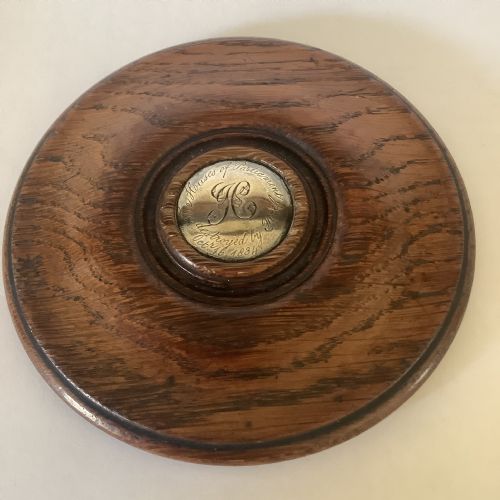
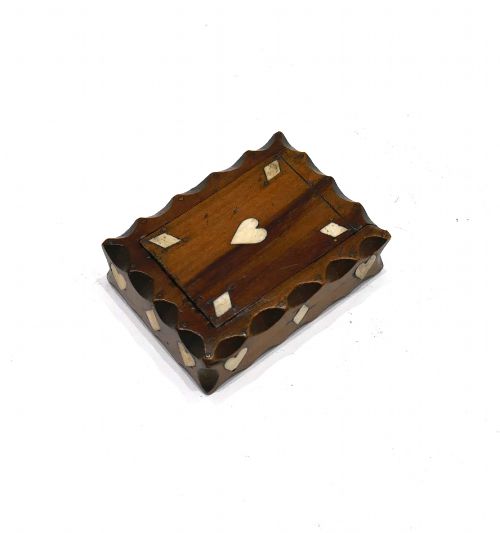
Some items carry specific historical associations, such as a box fashioned from timber salvaged from the fire of the Houses of Parliament in 1834. Others feature detailed carving, bone inlay, or depictions of figures taking snuff on the lid.
How They Were Made
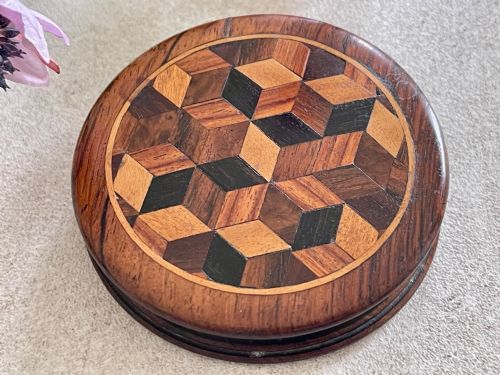
Cabinetmakers and turners shaped these objects from dense hardwoods, fruitwoods, oak, and pollard birch root, often utilising the natural grain patterns of burr walnut to create visual movement across the surface. Artisans worked the wood on lathes or carved it by hand, exploiting the tight grain of fruitwood and boxwood to achieve crisp miniature details.
Construction techniques combined turned bodies with fitted lids, sometimes incorporating contrasting materials like bone inlay for decorative effect or silver mounts for reinforcement. Folk art pieces show direct carving with gouges and knives, leaving tool marks that record the maker's hand.
Retail Price Guide 2026
Typical UK retail prices for brown wooden snuff box, calculated from the Sellingantiques database of over a million retail prices indexed since 2003. This retail price guide relies exclusively on Sellingantiques data; no external sources or auction records are used, so the figures do not describe the wider market.
What Varies in Quality
Quality in a brown wooden snuff box rests on the crispness of the carving and the fidelity of the joinery between lid and base. Superior pieces display smooth operation of sliding or hinged lids that fit snugly without warping or gaping.
The choice of material also distinguishes the range, as heavily figured burr walnut or meticulously inlaid treen demand greater skill from the maker than plain utility pieces. Furthermore, strong provenance, such as documented historical associations or distinct regional folk art characteristics, elevates an example above standard production.
The Brown Wooden Snuff Box Glossary
- Treen
- Small handmade wooden objects for domestic use. This term derives from the old English word for tree.
- Fruitwood
- Dense timber gathered from fruit-bearing trees such as pear, apple, or plum. Woodworkers prized it for its smooth texture and ability to hold fine carved detail.
- Burr walnut
- Wood taken from a growth on a walnut tree where the grain has grown in a deformed, swirling manner. It yields highly decorative veneers and solid sections with complex patterns.
- Pollard birch root
- Timber harvested from the root burls of birch trees that have been pollarded or pruned. It exhibits dramatic, organic figuring favoured in Scandinavian design.
- Shuttle box
- A container shaped like a weaver's shuttle. These elongated forms fit easily into a pocket or hand.
Frequently Asked Questions
How were these boxes used?
Owners carried them daily to dispense pinches of tobacco at social gatherings or in private rooms. The tight-fitting lids kept the dry powder fresh and prevented spills in pockets.
Many designs doubled as talking points, featuring carved scenes, local materials, or historical connections that invited inspection.
How do I date a wooden snuff box?
Dating relies on examining the timber species, tool marks, style of carving, and mechanical construction of the hinge or lid. Nineteenth-century pieces often show distinct folk art motifs or vernacular forms like shoes and shuttles.
Comparing the wear patterns and finish with documented examples from the Victorian period helps narrow down the decade of manufacture.
How do I care for a wooden snuff box?
Keep the wood away from direct sunlight and sudden changes in humidity to prevent splitting or warping. A light application of microcrystalline wax can help nourish the dry surface.
Handle the piece gently, particularly around fragile elements like bone inlay or thin carved edges.