
Wooden Tobacco Box
A wooden tobacco box offers tangible history in the palm of your hand, bringing 19th century craftsmanship and personal ritual directly into your daily routine.
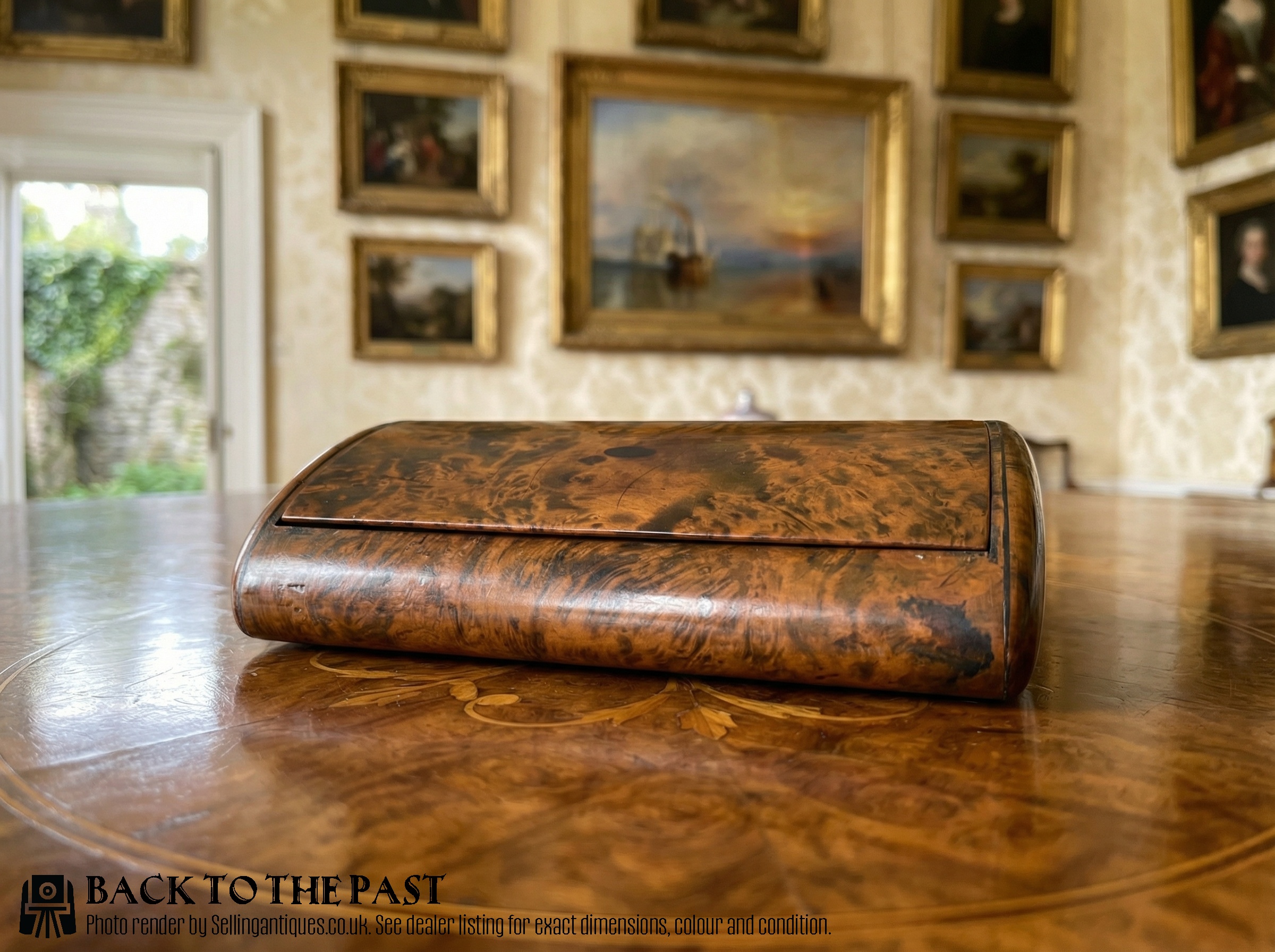
What a wooden tobacco box is
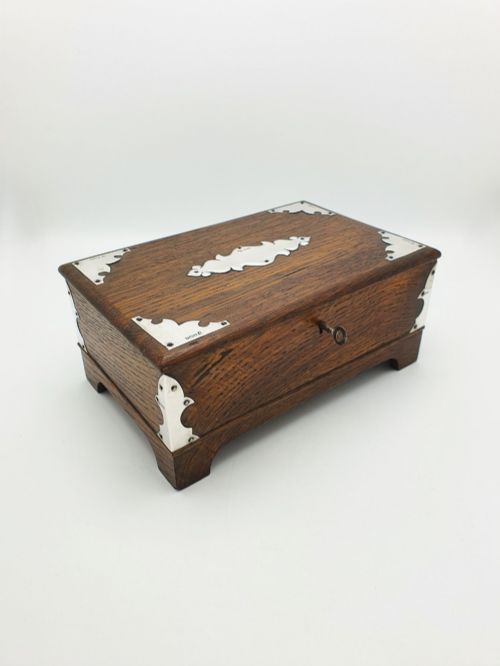
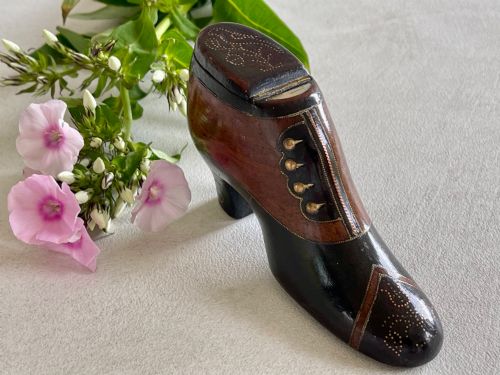
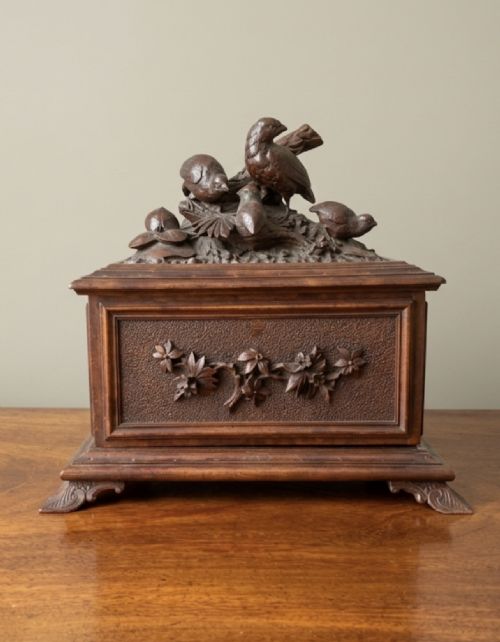
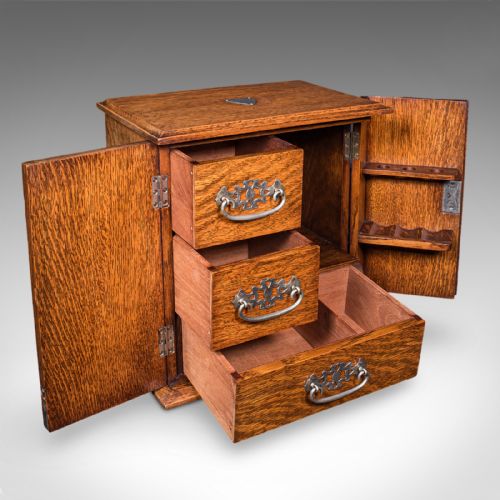
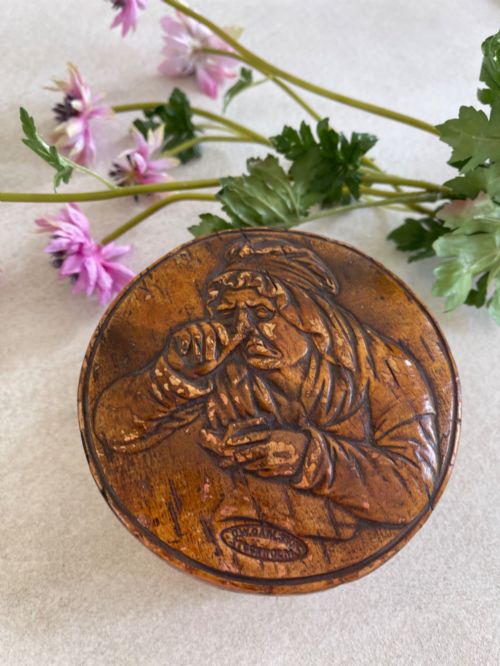
A wooden tobacco box encompasses small pocket vessels, table snuff boxes and larger smokers cabinets intended for personal indulgence. These pieces survive primarily from the nineteenth century, reflecting varied domestic habits across English, Scottish, and French origins.
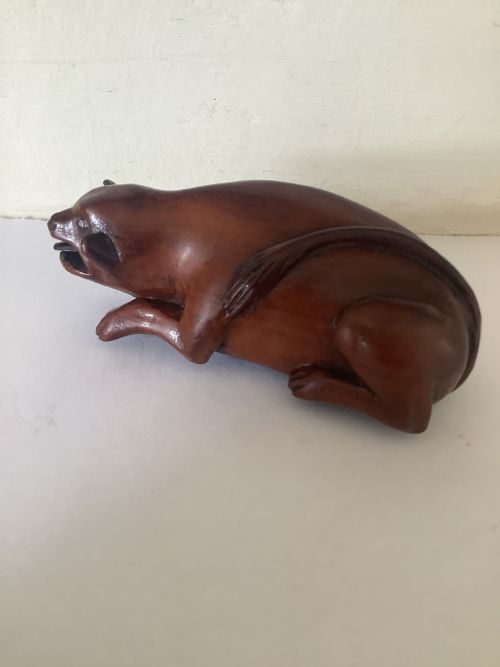
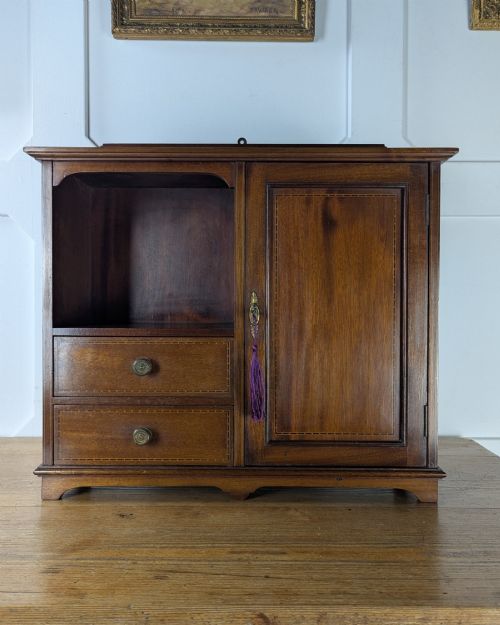
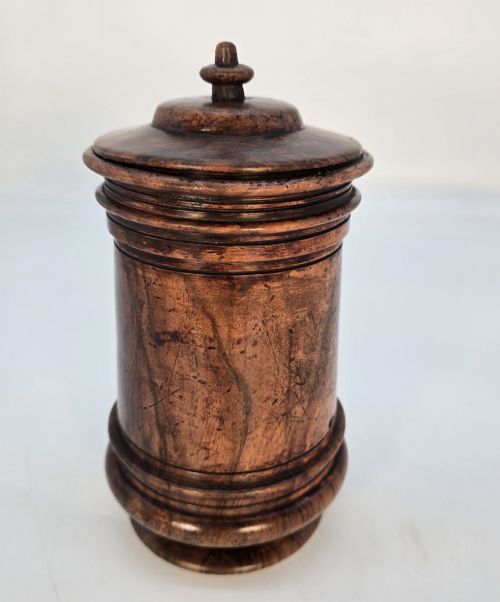
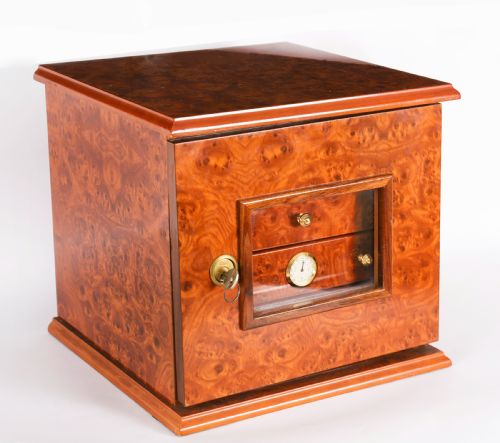
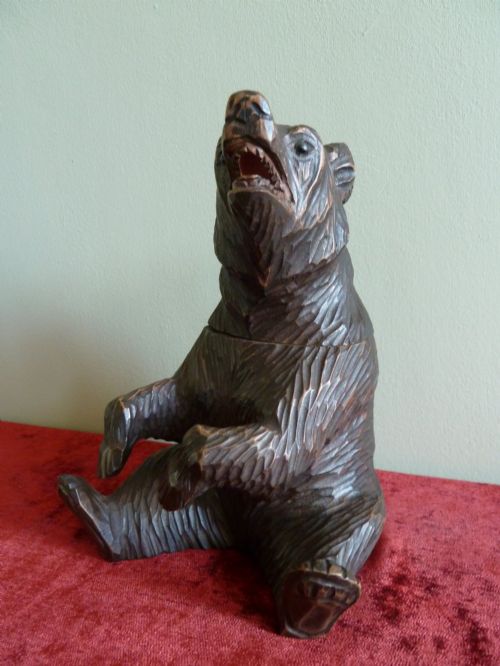
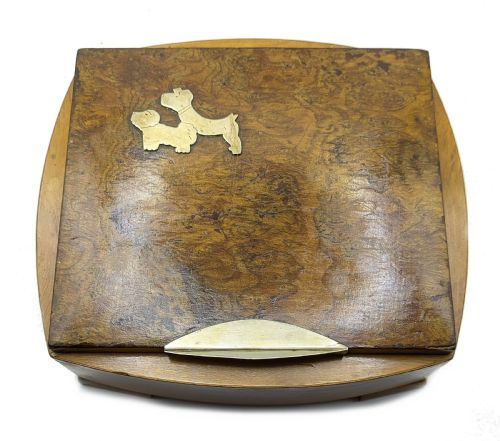
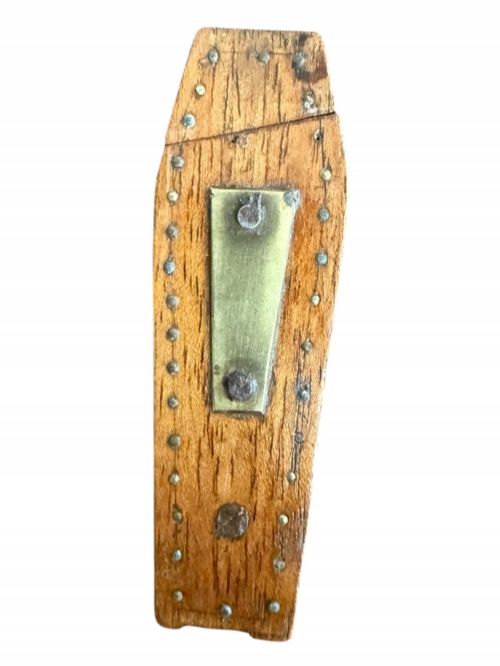
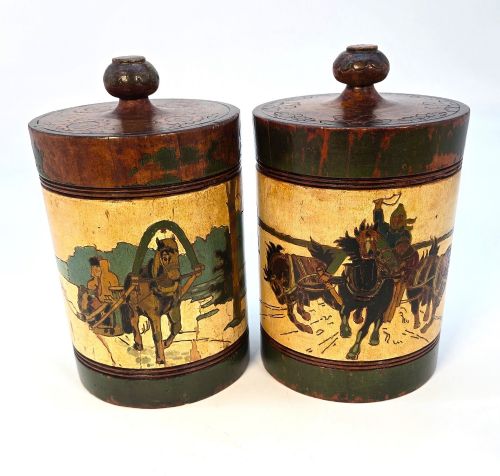
The most common form you will encounter here is the small pocket or table snuff box, often shaped as novelty items like a miniature wood plane, a horse head, or executed in folk art styles. Cabinet forms also appear, represented by twentieth century oak smokers cabinets alongside nineteenth century treen and turned examples.
Makers utilised distinct regional styles, ranging from Regency and French Empire elegance to Victorian folk art and Edwardian utility. Each piece serves as a tactile reminder of historical smoking and snuff-taking customs.
How they were made
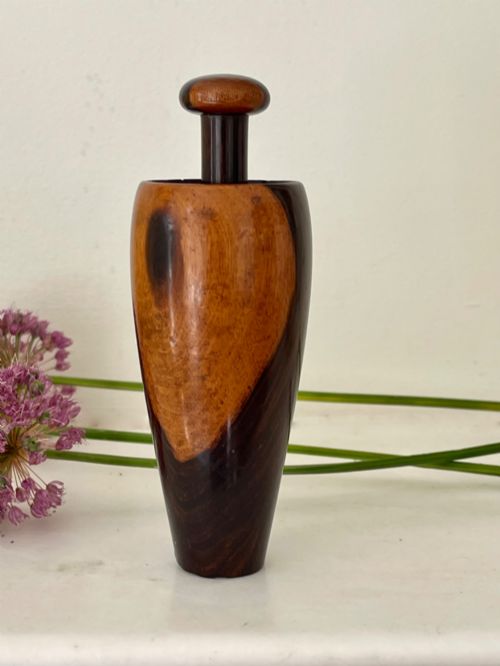
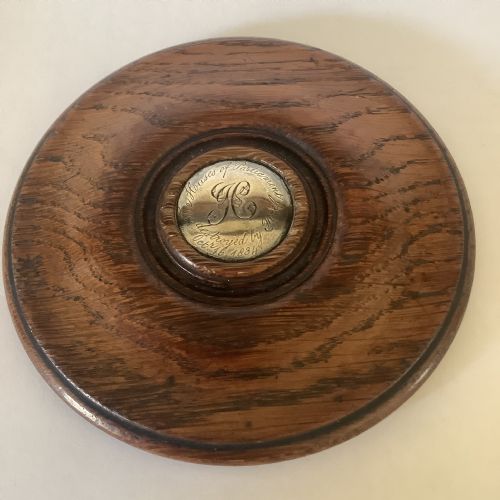
Artisans relied on a diverse palette of timber and organic materials, shaping fruitwood, amboyna wood, oak, burr walnut, and pressed maple wood. Selected pieces incorporate tortoiseshell inlay or meticulous hand carving to achieve their distinctive surface textures.
Techniques varied from simple lathe turning and traditional treen production to delicate pressing and figural carving. Craftspeople exploited the natural grain of the wood to highlight the contours of novelty shapes like woodworking planes and animal heads.
Retail Price Guide 2026
Typical UK retail prices for wooden tobacco box, calculated from the Sellingantiques database of over a million retail prices indexed since 2003. This retail price guide relies exclusively on Sellingantiques data; no external sources or auction records are used, so the figures do not describe the wider market.
Materials represented include standard oak alongside specialised media such as tortoiseshell, pressed maple wood, and fruitwood.
What varies in quality
The choice of material and secondary decoration dictates the upper tier of the range, where exotic timbers such as amboyna and contrasting tortoiseshell panels are skilfully integrated. Simpler utilitarian boxes rely entirely on honest timber selection and patination built through handling.
The Wooden Tobacco Box Glossary
- Treen
- Small handmade wooden household objects and utilitarian wares. This term covers turned and carved boxes produced before the era of mass manufacturing.
- Snuff box
- A small container designed to hold ground tobacco leaves for nasal ingestion. These pocket or table items often feature tight-fitting lids to preserve the contents.
- Pressed maple
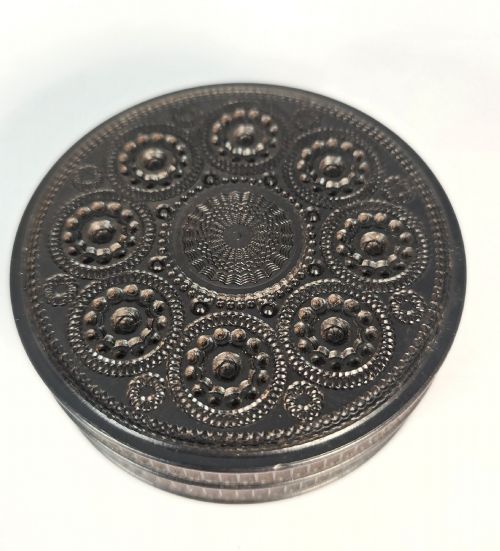
- Wood softened and stamped with metal dies under high pressure to create sharp relief patterns. French workshops frequently employed this technique on nineteenth century boxes.
- Smokers cabinet
- A small enclosed piece of furniture designed to store pipes, tobacco, and matches. These larger receptacles emerged strongly by the early twentieth century.
Frequently Asked Questions
What is a wooden tobacco box used for?
These boxes were historically designed to store loose tobacco, smoking mixtures, or finely ground snuff safely. They kept the contents dry and aromatic for daily personal use.
Today, collectors use them as decorative display objects on desks, coffee tables, or shelves to showcase historical craftsmanship and natural materials.
How do I date a wooden tobacco box?
Dating relies on examining the timber species, construction methods, and stylistic cues such as Regency or Victorian design motifs. Wear patterns and patination also provide clues to the age of the item.
Makers often left subtle indicators in the hinge construction, lining materials, and carving style that align with known nineteenth or early twentieth century production periods.
Are these boxes durable?
Most boxes are remarkably sturdy, having survived for over a century through careful use and handling. Woods like oak, fruitwood, and maple provide natural strength for daily interaction.
Care should be taken to protect delicate elements like tortoiseshell inlays or thin carved details from extreme humidity and direct sunlight.