




Turned Wood Box
When you handle a turned wood box, you hold centuries of lathe work designed to protect everything from pinches of snuff to precious spices.
Turned Wood Box
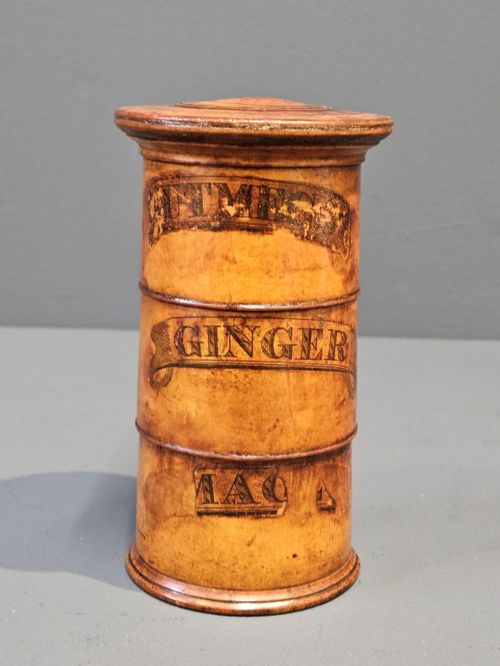
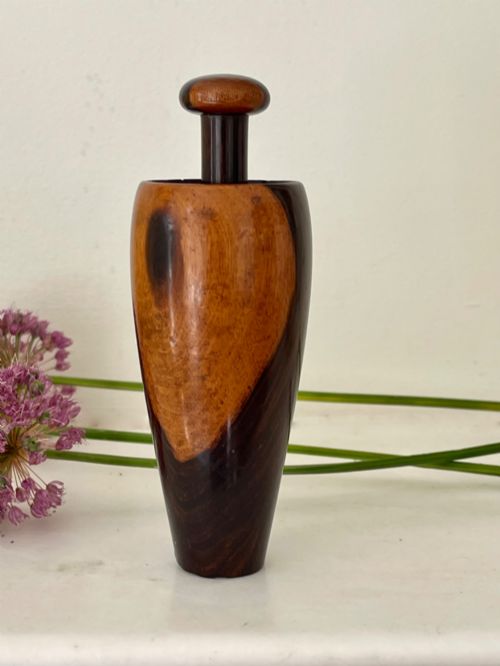
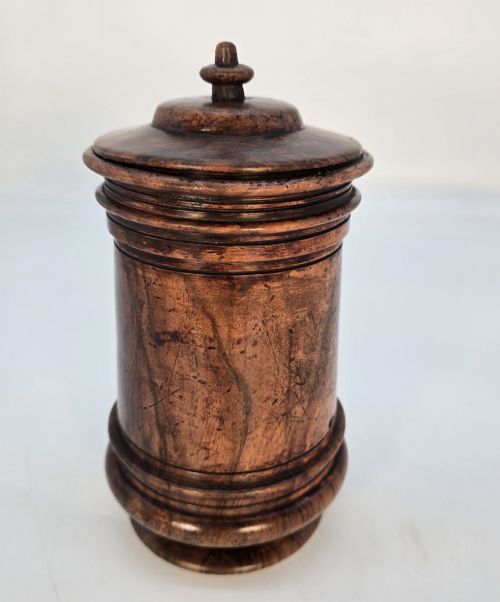
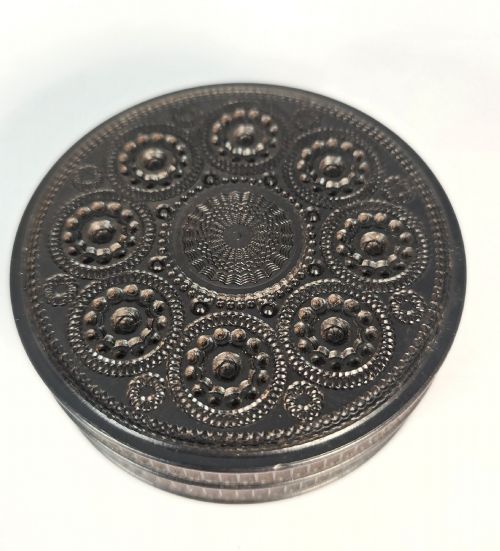
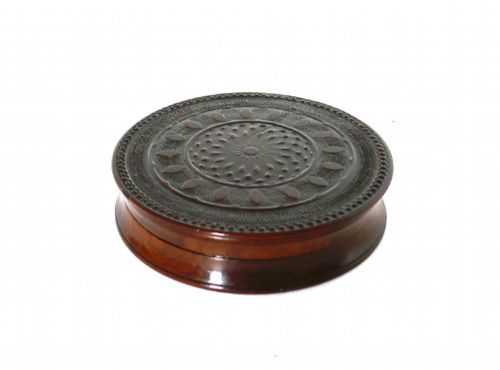
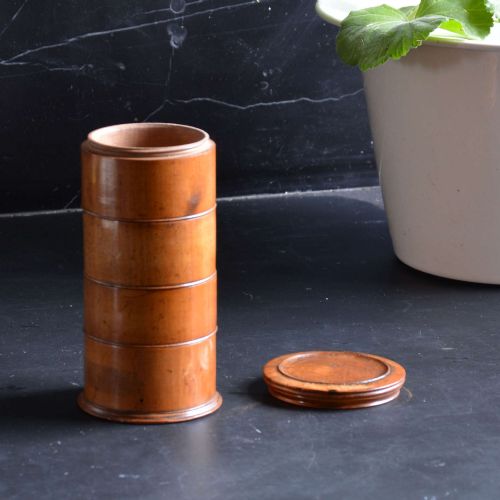
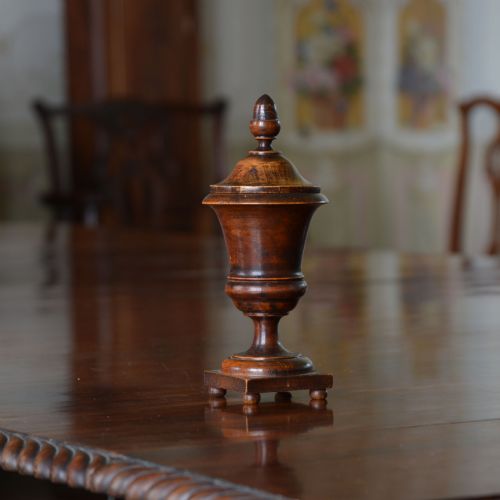
A turned wood box represents the pinnacle of early lathe craftsmanship, encompassing small containers made for functional domestic and personal use. These items range from pocket-sized snuff boxes to larger apothecary jars and spice towers.
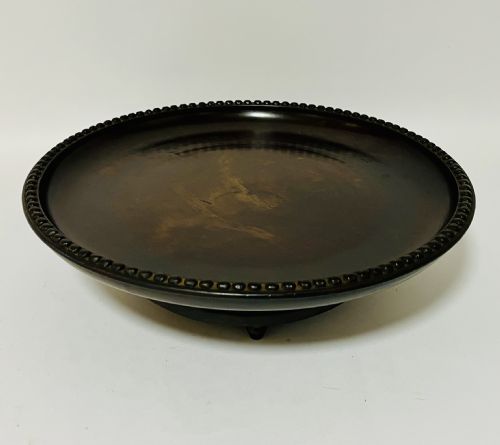
The pieces appearing on this page stretch from the seventeenth century through the Victorian era and into the early twentieth century. Buyers encounter domestic treen alongside specialised containers fashioned from dense timbers.
Makers shaped these objects on foot-powered or pole lathes, turning blocks of boxwood, fruitwood, and mahogany into symmetrical vessels with tight-fitting lids. Many items served specific daily rituals, such as dispensing string or holding tobacco.
Materials and Technique
Craftsmen selected hard, close-grained timbers such as boxwood, laburnum, fruitwood, and lignum vitae to achieve crisp details on the lathe. These dense woods resisted splitting and allowed artisans to cut fine threads for screw-top lids and delicate engine-turned patterns.
The manufacturing process relied on the lathe to impart radial symmetry to the walls, bases, and lids of each vessel. Artisans hollowed the interiors from solid blocks of timber, ensuring uniform thickness and smooth interior surfaces.
Listings feature turned wood containers spanning the 17th, 18th, and 19th centuries, alongside Edwardian and 1920s examples.
Quality Variations
Quality rests in the precision of the turning and the crispness of any decorative reeding or engine-turned engraving. Superior examples retain perfectly round rims and lids that close with an exact, airtight fit.
The choice of timber significantly dictates the grade of the piece, with rarer exotic woods and deeply figured burls commanding higher regard among collectors. The preservation of the original surface patina and turning marks further separates standard domestic items from exceptional works.
The Turned Wood Box Glossary
- Treen
- Small handmade wooden domestic objects. This category includes everything from spice towers and nutmeg graters to small bowls and pipkins.
- Engine turned
- Geometric decoration cut into wood or metal using a specialised lathe. This technique produces precise patterns of lines, rosettes, or waves.
- Spice tower
- A multi-tiered cylindrical container used to store various culinary spices. Sections typically stack together and secure with a central threaded rod or snug friction fit.
- Lignum vitae
- An extremely dense and heavy tropical hardwood used for string barrels and mallets. Its natural oily resin makes it highly durable.
- String holder
- A hollow spherical or barrel-shaped vessel designed to dispense twine through a central aperture. These frequently date from the Victorian period.
Turned Wood Box: Frequently Asked Questions
What were small turned wood boxes used for?
These vessels held personal commodities such as snuff, dry spices, sewing pins, and wax seals. Their snug lids protected delicate contents from moisture and air.
Larger variations served on writing desks or in kitchens to dispense string and hold tobacco safely away from dampness.
How do I date an old turned wood box?
Dating relies on timber selection, tool marks left by the lathe, and the evolution of object forms across centuries. Seventeenth and eighteenth-century pieces often display heavier proportions and hand-cut threads.
Victorian examples frequently introduce denser foreign hardwoods like ebony and more complex multi-tiered constructions such as spice towers.
How should I care for antique wooden boxes?
Keep wooden containers away from direct sunlight and sudden shifts in central heating to prevent the timber from drying and splitting. Maintain stable indoor humidity levels.
Apply a light coat of microcrystalline wax occasionally to feed the wood and preserve the historic surface sheen without clogging fine engine-turned details.