


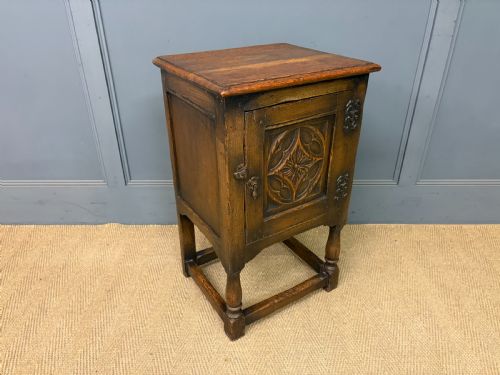
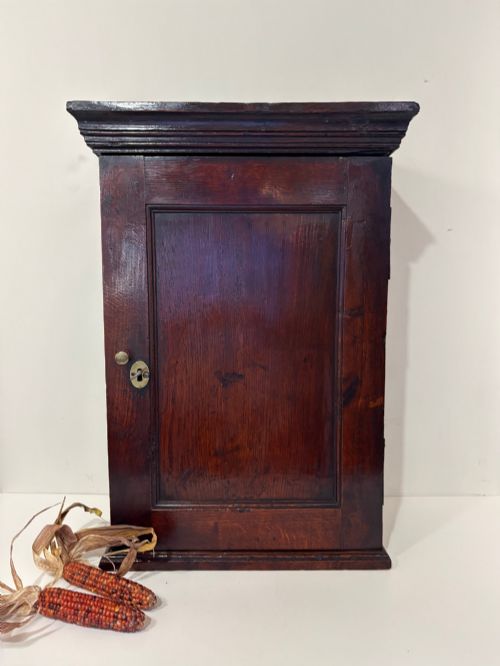
Small Oak Cupboard
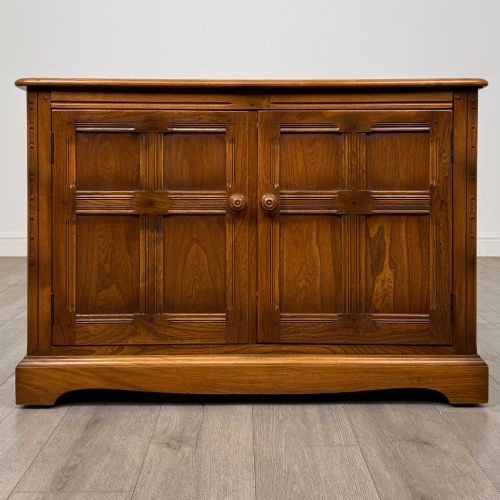
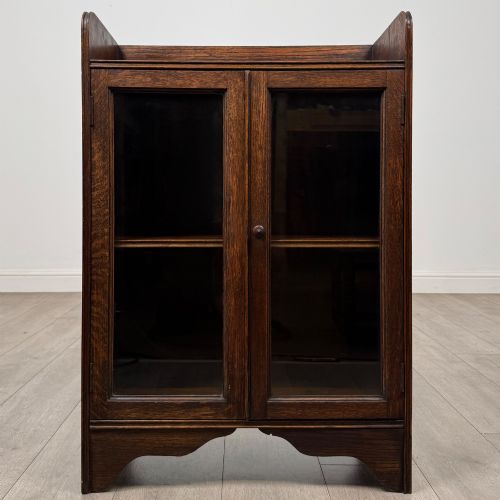
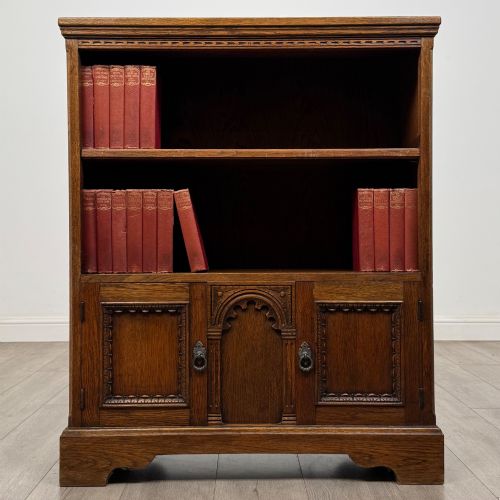
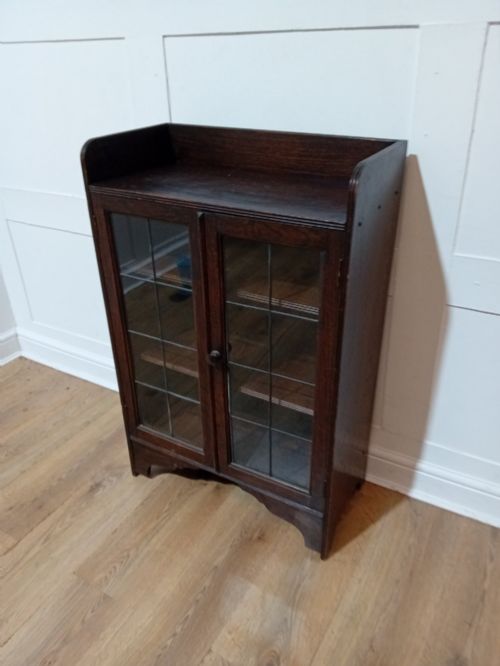
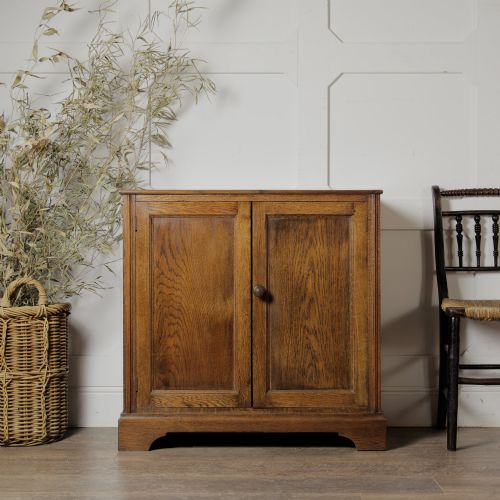
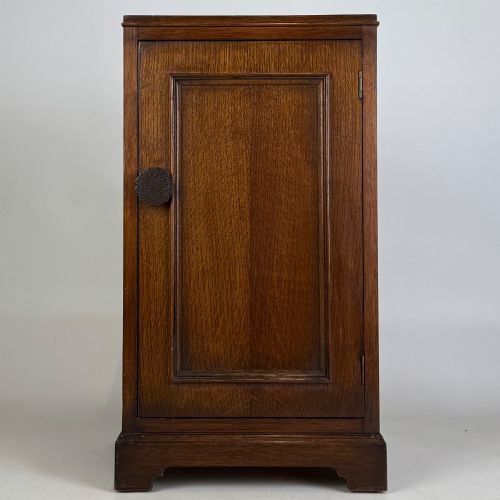
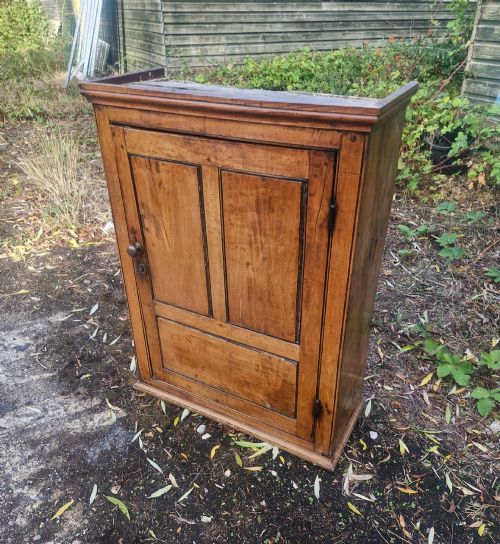
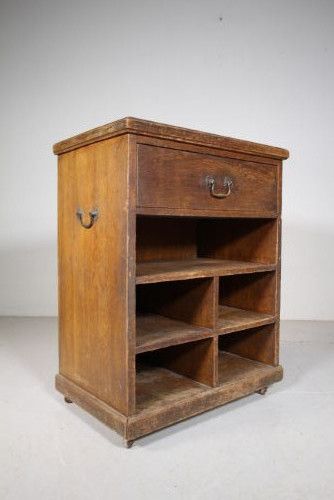
A small oak cupboard organises a room with compact storage while showing the rich grain of a durable timber.
What a small oak cupboard is
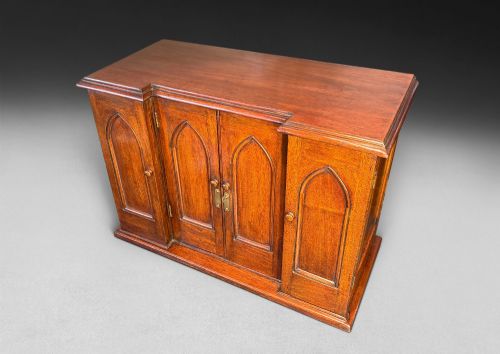
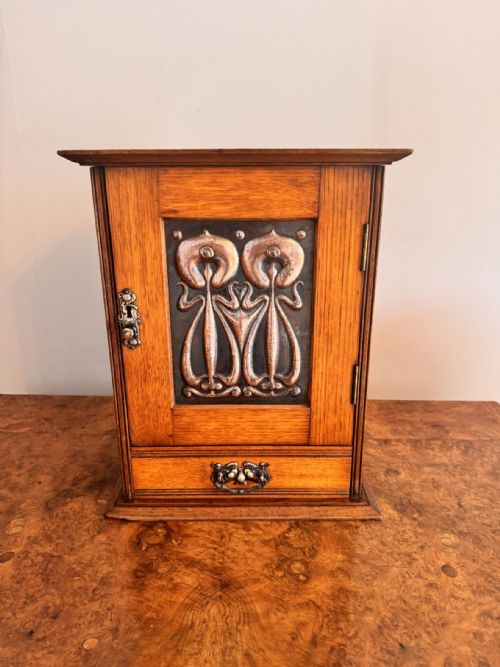
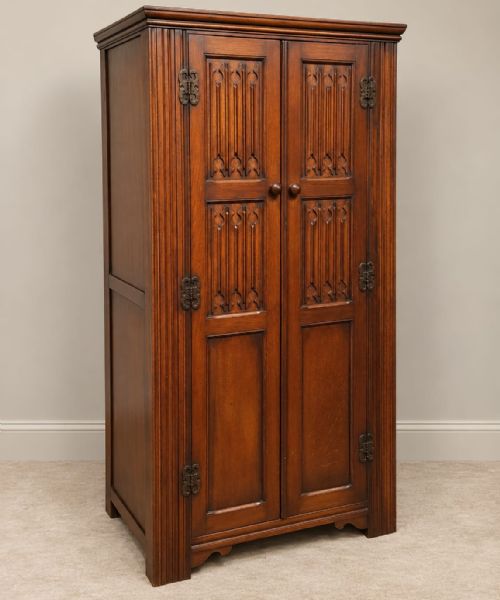
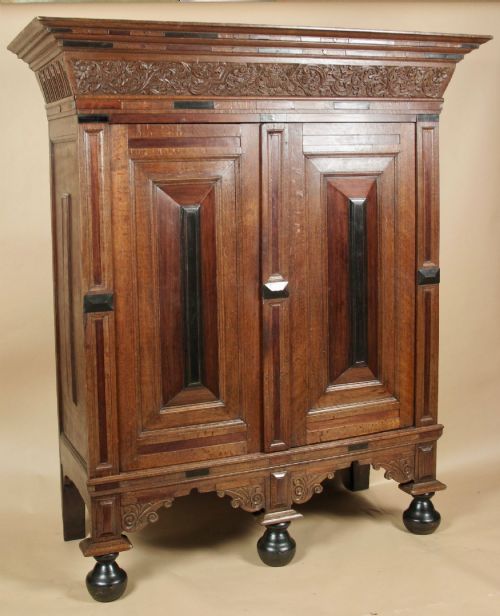
A small oak cupboard provides compact storage in forms ranging from bedside cabinets and smokers cabinets to spice cupboards, corner units, and press cupboards. These pieces appear across multiple periods, including the seventeenth, eighteenth, nineteenth, and twentieth centuries, reflecting changing domestic needs over hundreds of years.
The versions most common on this page date from the twentieth century, specifically around nineteen hundred and nineteen twenty, often carrying Arts and Crafts styling alongside bedside and smokers cabinet formats. Alongside these modern examples, archive pieces demonstrate that the form spans centuries of regional British cabinet making.
How they were made
Makers construct these pieces primarily from solid oak, sometimes combining it with elm or mahogany, and mount doors with brass hinges and locks or fit glass panels. Surfaces often receive carving or simple panel construction depending on the period and regional workshop origin.
Earlier pieces rely on traditional joinery and pegged frames, while twentieth-century examples utilise contemporary workshop methods while retaining the visible grain and warm tones of the timber.
Listings feature oak combined with brass and glass across Arts and Crafts and Edwardian styles.
What varies in quality
The standard of a small oak cupboard rests on the selection of the timber, the crispness of any carved decoration, and the integrity of the original brass hardware and glass panels. Better pieces display thoughtful proportion and careful jointing that survive centuries of daily use.
Simpler vernacular examples rely on utility and honest construction rather than elaborate decoration, while finer works from periods like the seventeenth or eighteenth century show sophisticated regional styles and fitted internal compartments.
The Small Oak Cupboard Glossary
- Pot cupboard
- A small bedside cabinet designed originally to house a chamber pot. These practical items often feature a single door and a small internal shelf.
- Smokers cabinet
- A small tabletop or wall-mounted cabinet made to store pipes and tobacco. They frequently include small internal drawers and glass doors.
- Spice cupboard
- A small wall-hung or tabletop cabinet containing multiple internal drawers for storing spices and precious ingredients. They are typical of eighteenth-century country workshops.
- Corner cupboard
- A triangular cabinet shaped to fit neatly into the corner of a room. These save floor space while providing display or storage.
- Press cupboard
- A large storage piece featuring upper and lower sections enclosed by doors. Smaller examples provide dual-level storage in a compact footprint.
Frequently Asked Questions
What rooms suit a small oak cupboard?
These compact pieces fit easily into bedrooms, hallways, and corners where floor space is limited. Their traditional timber tones complement both historic interiors and modern living spaces.
Bedside cabinets and smokers cabinets serve practical storage functions, while corner cupboards and spice cupboards utilise overlooked wall space effectively.
How do I identify the age of an oak cupboard?
Dating relies on construction methods, hardware types, and stylistic details like Arts and Crafts carving or Georgian proportions. Earlier pieces show hand-cut joinery and period-specific regional designs.
Twentieth-century examples often display machine-made elements and cleaner internal structures while imitating earlier seventeenth or eighteenth-century styles.
Were these cupboards always used for storage?
Most of these pieces served specific domestic storage needs, from keeping tobacco and pipes to holding spices or bedroom necessities. Their varied forms reflect the exact habits of past households.
Specialised interior fittings like small drawers and spice compartments reveal the precise original purpose of each cabinet.
How should I care for historic oak timber?
Protect the wood by keeping it away from direct heat sources and sudden temperature changes that can dry out the natural oak. Regular dusting with a dry cloth maintains the surface.
A light application of appropriate wax occasionally helps nourish the timber grain without building up heavy residues.