


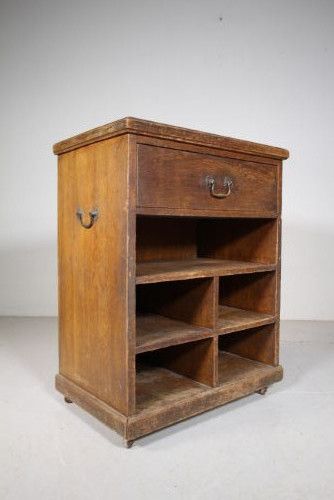
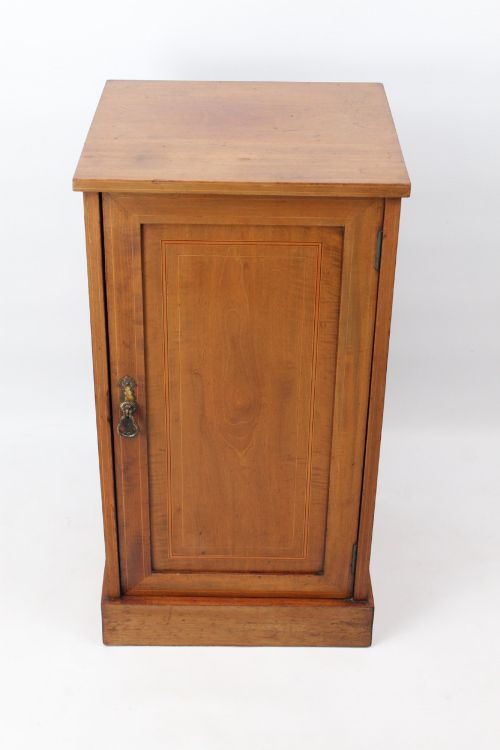
Small Wooden Cupboard
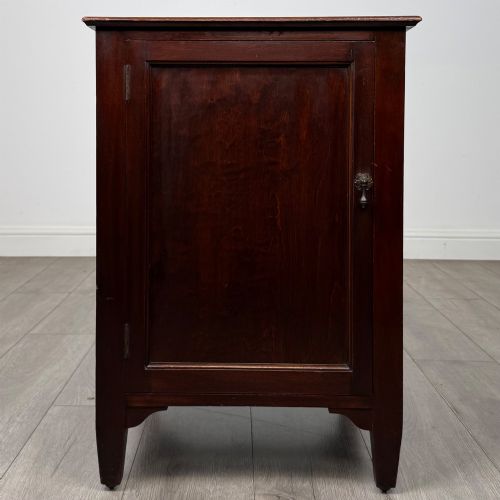
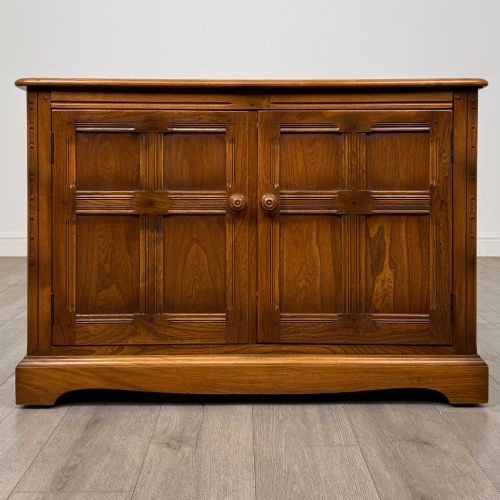
A small wooden cupboard brings timeless utility to a room, offering compact storage shaped by centuries of cabinet-making tradition.

Small Wooden Cupboard
A small wooden cupboard spans several centuries of domestic storage, appearing in forms from early spice cabinets to bedside tables and wall-hanging units. Buyers seeking this phrase encounter pieces dating from the eighteenth century through to the nineteen-thirties, reflecting diverse regional workshops and changing interior needs.
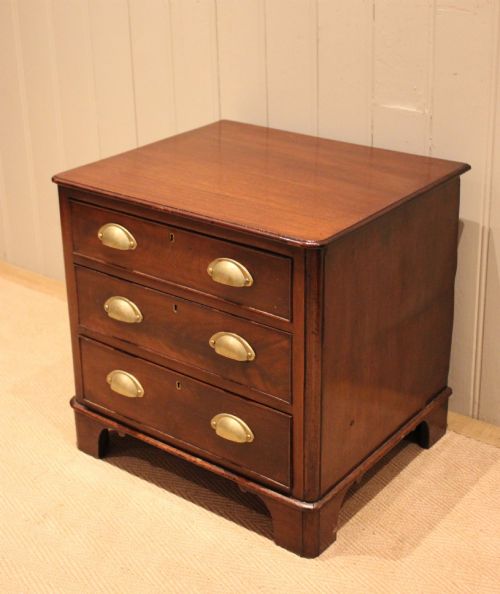
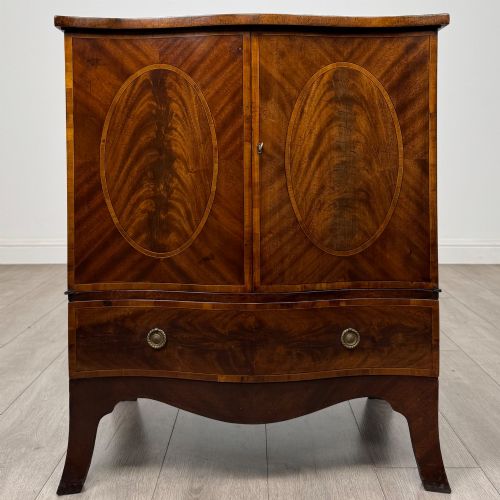
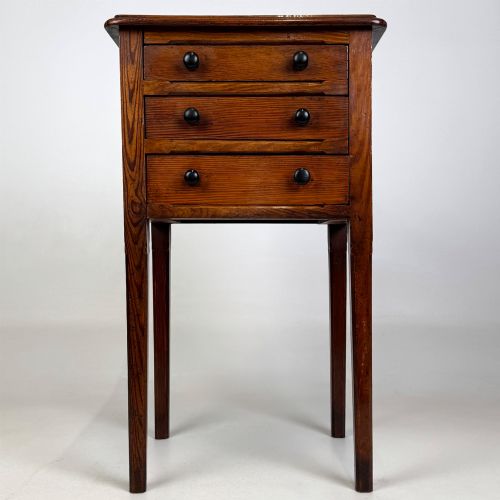
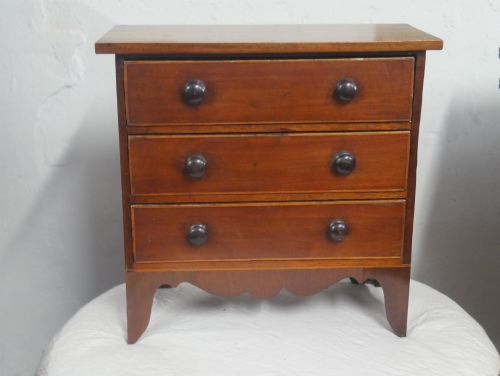
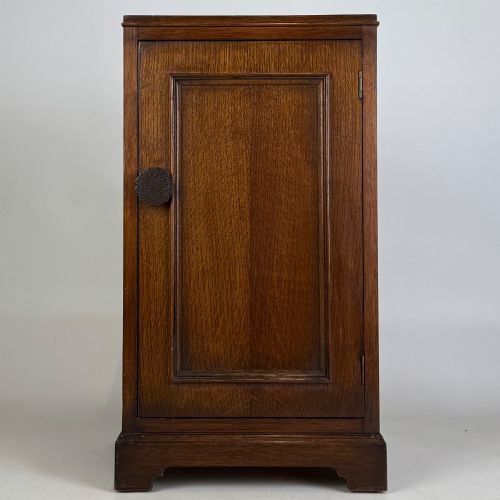
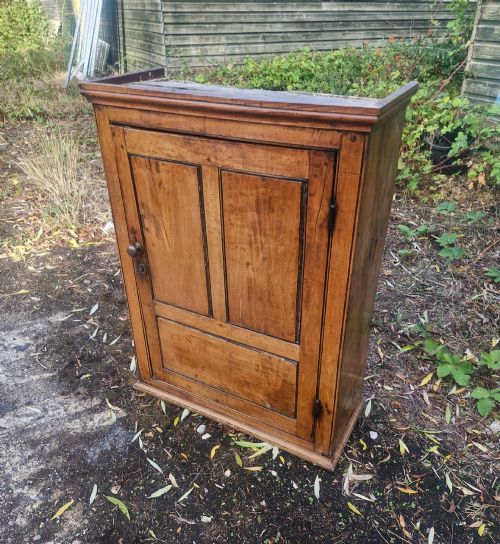
The selection ranges from Georgian oak spice cupboards and hanging corner units to Victorian mahogany bedside chests and Edwardian inlaid cabinets. Oak and mahogany dominate the selection, alongside pine, walnut, elm, and fruitwoods, often taking the form of bedside cabinets, wall cabinets, and miniature apprentice pieces.
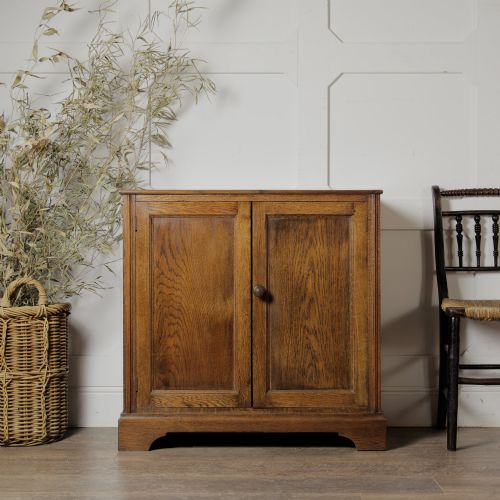
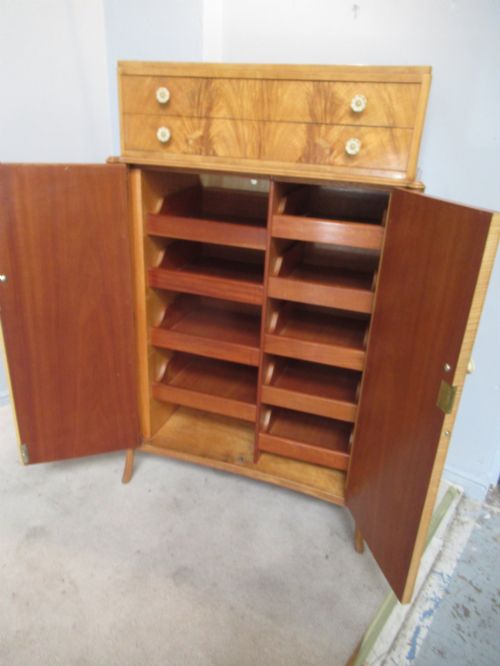
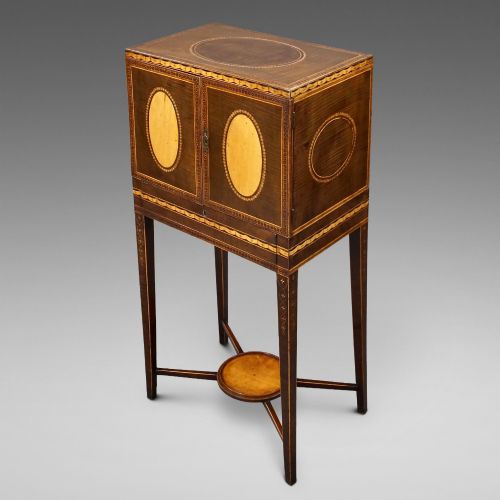
Earlier examples often display vernacular charm in solid oak or elm, while nineteenth and twentieth-century pieces introduce refined veneers, satinwood, and sophisticated stringing. Whether placed beside a bed or mounted to a wall, these compact vessels provide functional storage with distinct period character.
Materials and Construction
Makers constructed these pieces using solid native timbers such as oak, elm, and pine for sturdy vernacular forms, while finer metropolitan furniture utilised imported hardwoods like mahogany, rosewood, and walnut. Timber selection dictated construction methods, with dense hardwoods allowing for precise dovetailing, delicate mouldings, and crisp carved details.
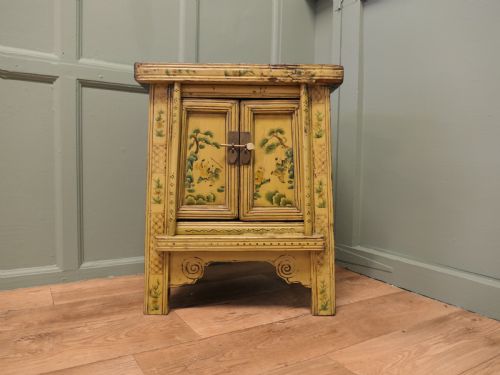
Surfaces frequently showcase decorative techniques including floral Chinoiserie decoration, painted finishes, satinwood banding, and intricate boxwood inlay. Brass hardware, from drop handles to escutcheons, secures doors and drawers while adding functional contrast to the polished timber grain.
Listings feature woods spanning mahogany, oak, walnut, pine, boxwood, and satinwood across periods from the eighteenth century to the nineteen-thirties.
Craftsmanship and Proportion
Quality rests in the integrity of the timber selection, the crispness of hand-carved mouldings, and the precision of structural joinery such as dovetailing in drawer construction. Superior examples maintain original hardware, uncompromised patination, and balanced proportions that reflect the aesthetic standards of their period.
Later or utility-driven pieces often display simpler construction methods and plain secondary timbers, distinguishing them from the refined proportions and select veneer work found in formal Georgian and Edwardian commissions.
Gomme
The Small Wooden Cupboard Glossary
- Spice cupboard
- A small wall-hanging or table-top timber cabinet traditionally used for storing culinary spices and valuable provisions. These early pieces frequently feature multiple internal small drawers behind a panelled door.
- Apprentice piece
- A miniature item of furniture created by a craftsman to demonstrate skill and secure entry into a trade guild. These scaled-down chests and cabinets mirror full-size domestic forms with precise construction.
- Chinoiserie
- European decorative style inspired by Chinese art, typically executed in painted and lacquered motifs on furniture surfaces. This technique appears on eighteenth and nineteenth-century cabinets.
- Inlay
- A decorative technique where pieces of contrasting timber, such as boxwood or satinwood, are inserted into recesses in the primary wood surface. It defines formal Edwardian and Georgian cabinetry.
- Close stool
- An eighteenth-century piece of enclosed furniture designed to conceal a chamber pot, often disguised as a small bedside chest or cupboard. These items utilise panelled timber doors and lift-top surfaces.
Small Wooden Cupboard: Frequently Asked Questions
How were small wooden cupboards used historically?
These compact pieces served versatile roles in domestic interiors, holding valuable spices, medical supplies, nighttime necessities, or personal linens. Their modest dimensions allowed them to fit into tight spaces, serving private rooms rather than grand public areas.
Over generations, their functions shifted from utilitarian storage to decorative display. Bedside versions held chamber pots and books, while wall-hanging models kept precious commodities secure and within reach.
Where should I place a small wooden cupboard?
A bedside cabinet or small chest suits a bedroom as a functional table with enclosed storage. Wall-hanging cupboards work well in kitchens, hallways, or bathrooms where floor space is limited.
Pairing a compact Georgian or Edwardian cabinet with modern interiors adds warmth and historic texture. Their neutral timber tones blend easily with various decorative schemes.
How do I identify eighteenth-century pieces?
Eighteenth-century examples typically feature solid native oak, elm, or early mahogany with hand-cut dovetails and pegged joints. Surface patination tends to show deep, warm tones developed through prolonged handling and waxing.
Construction details like hand-beaten brass hinges and secondary pine or oak framing indicate older vernacular workshops. Examining the interior construction reveals the hand tools used by period craftsmen.
What is the difference between a chiffonier and a bedside cabinet?
A chiffonier is a low sideboard or small cabinet, often featuring shelves or a superstructure, designed for a living or dining room. Bedside cabinets are specifically scaled to sit beside a bed for night-time storage.
While both fall under small storage categories, bedside versions have narrower footprints. Chiffoniers generally incorporate greater decorative display elements.