





Antique Medicine Cabinet
An antique medicine cabinet offers a tangible link to domestic and professional health of past centuries, housing everything from spice storage to chemist remedies.
Antique Medicine Cabinet
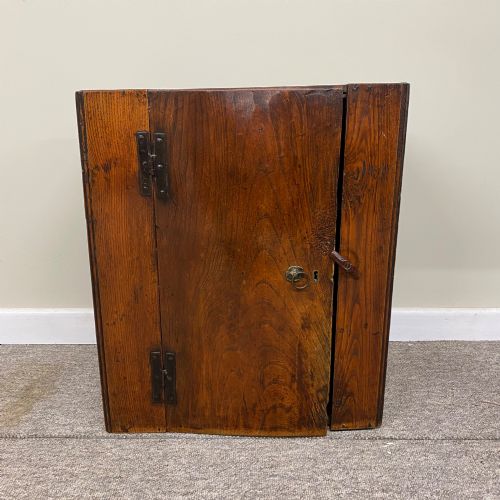
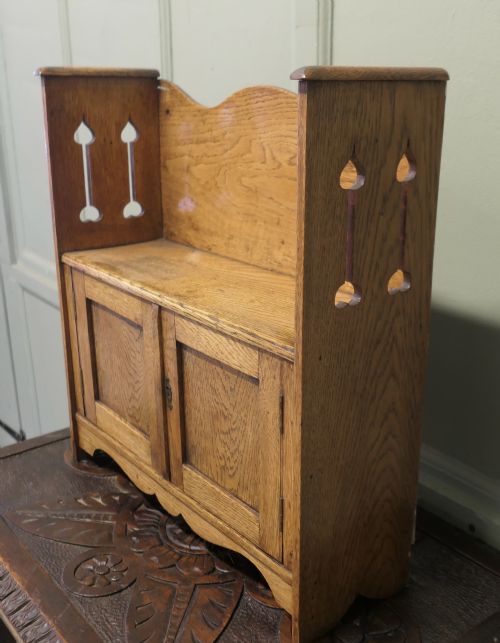
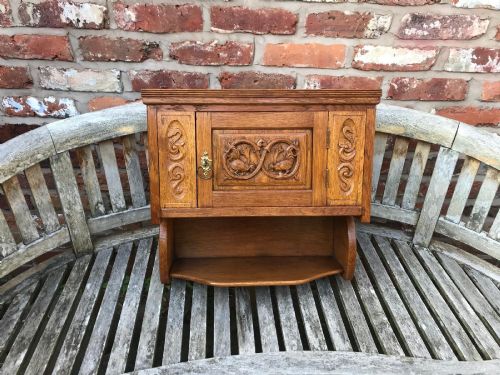
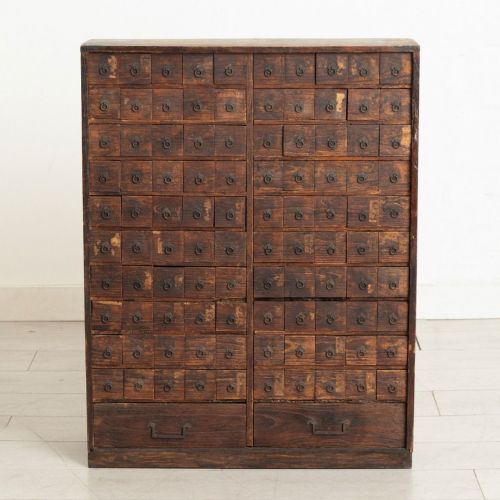
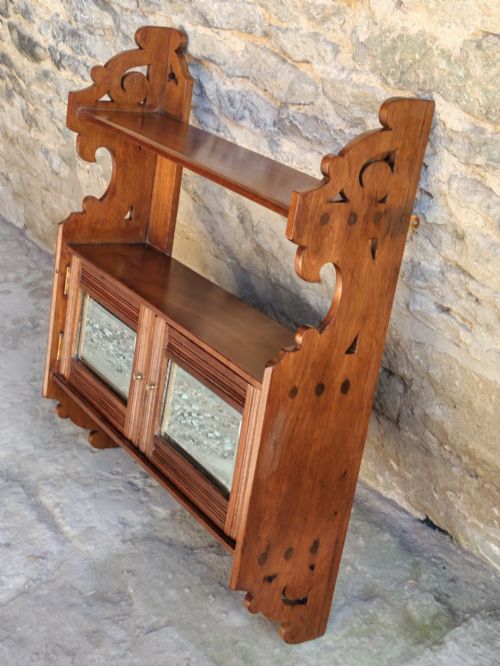
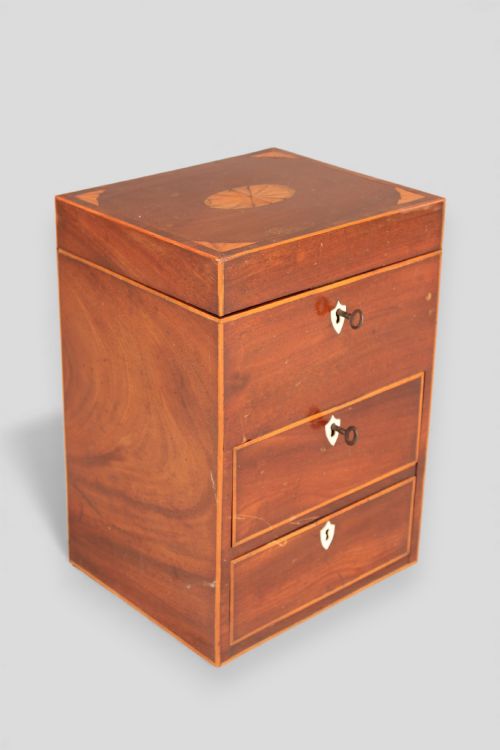
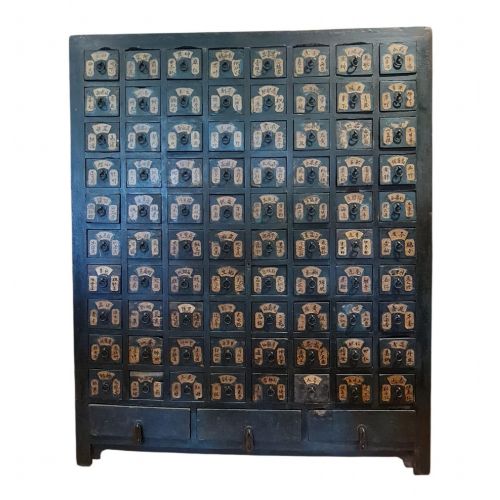
When you search for an antique medicine cabinet, you encounter a varied selection of wall-mounted cupboards, apothecary chests of drawers, and tabletop boxes originating from the eighteenth, nineteenth, and early twentieth centuries.
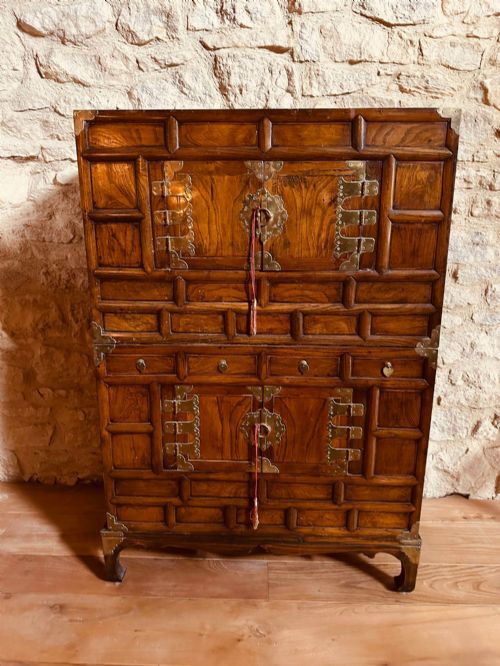
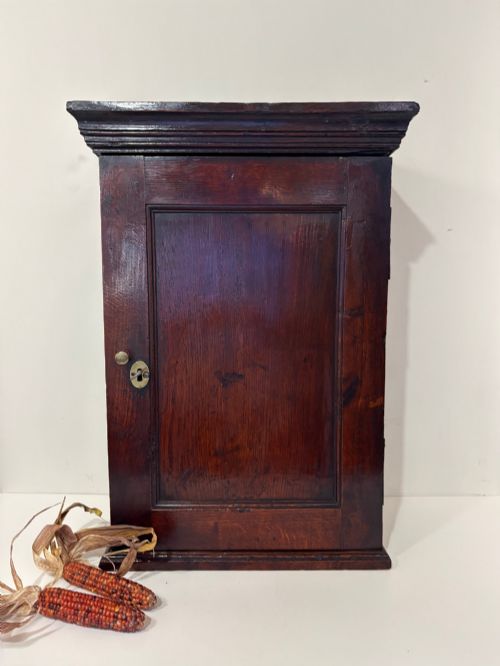
The versions most commonly met on this page span Georgian mahogany spice cupboards, Victorian oak wall cabinets, and multi-drawer apothecary chests from diverse origins including Britain, Europe, and Asia.
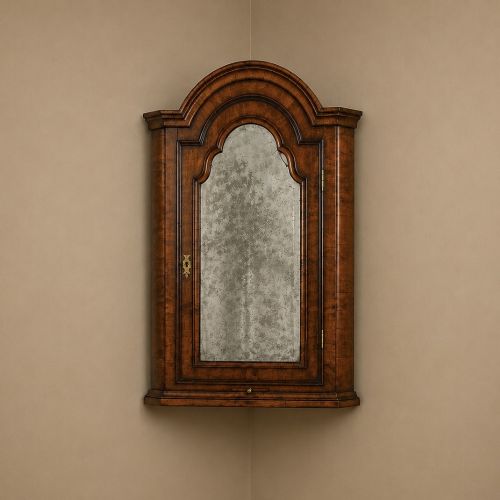
These pieces served practical roles in holding medicines, herbs, spices, and personal provisions, taking the form of hanging corner cupboards, small lockable containers, and bank of drawer units.
How They Were Made
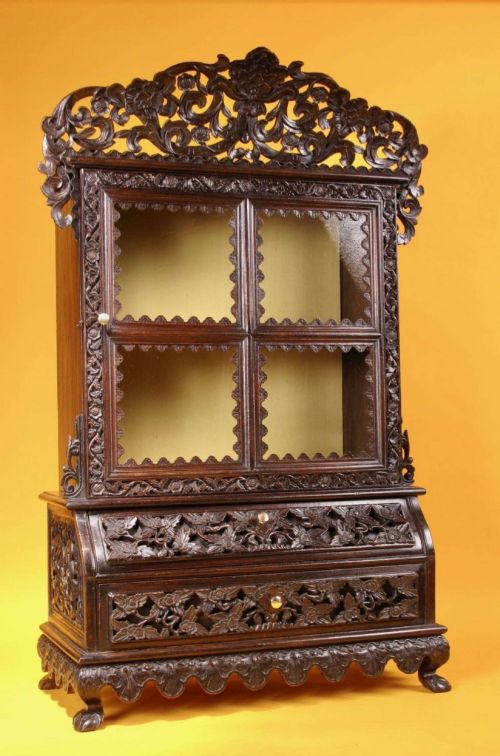
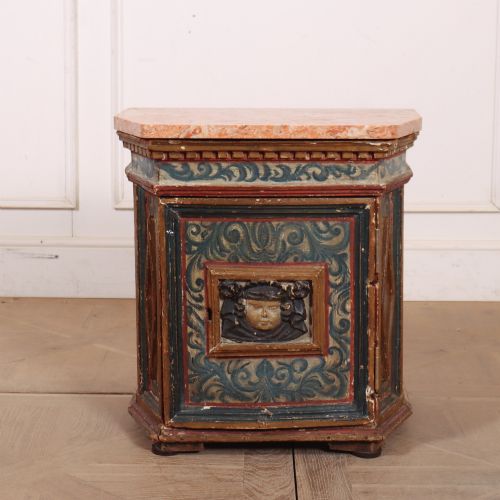
Cabinet makers utilised sturdy timbers such as oak, mahogany, walnut, pine, and elm, often applying brass hardware, glass panels, or painted finishes to protect the contents and enhance the appearance.
Construction techniques combine traditional joinery with carved panels, inlay work, and intricate banks of small drawers designed to organise varied botanical and chemical specimens securely.
Antique Medicine Cabinet Retail Price Guide 2026
Typical asking prices for medicine cabinet among the pieces listed under this phrase on Sellingantiques today, from the lower quarter to the upper quarter. They describe what is for sale here now, not the wider market.
The selection includes wall-mounted cupboards, tabletop boxes, corner units, and multi-drawer apothecary chests with brass hardware.
What Varies In Quality
The standard of an antique medicine cabinet is determined by the selection of cabinet timbers, the crispness of the hand-carved or inlaid details, and the survival of original brass fittings and internal glass bottles.
Pieces that retain their original painted surfaces, working locks with keys, and uncompromised internal drawer arrangements stand apart from heavily restored or altered examples.
The Antique Medicine Cabinet Glossary
- Apothecary cabinet
- A storage unit featuring numerous small drawers or compartments designed for holding medicinal herbs, powders, and remedies.
- Spice cupboard
- A small wall-hanging wooden cupboard historically used in domestic kitchens for preserving culinary spices before evolving into general storage.
- Hanging corner cupboard
- A triangular cabinet shaped to fit snugly into a room angle, conserving interior space while displaying contents.
- Tabletop cabinet
- A portable or surface-standing storage box featuring small doors or drawers, often utilised for travel or clinical dispensing.
- Brass hardware
- Metal fittings including hinges, escutcheons, and drop handles cast or wrought in copper-zinc alloy.
Antique Medicine Cabinet: Frequently Asked Questions
What were antique medicine cabinets used for?
These cabinets held medicinal preparations, dried herbs, tinctures, and apothecary bottles for household or professional use. They kept delicate remedies secure and organised away from moisture and light.
Over time, many of these storage units transitioned into general domestic use for toiletries, small valuables, and kitchen condiments.
How do I date an antique medicine cabinet?
Dating relies on examining the timber species, construction joinery, and style of hardware used in the piece. Georgian and Victorian examples show distinct moulding profiles and timber selections compared to later twentieth-century medical units.
Secondary woods inside drawers and the ageing patterns of any painted or polished surfaces provide further clues to the exact period of manufacture.
Are apothecary chests different from medicine cabinets?
Apothecary chests typically feature a large bank of numerous small drawers to sort diverse botanical ingredients and dry compounds. Medicine cabinets generally lean towards wall-mounted or tabletop cupboards with shelving and doors.
Both categories overlap significantly in historical purpose and appear under similar collector searches.
How should I care for an antique wooden cabinet?
Keep wooden cabinets away from direct sunlight and fluctuating heat sources to prevent timber splitting or warping. Dust gently with a dry cloth and occasionally feed polished surfaces with appropriate traditional wax.
Ensure brass hardware and locks are handled with care to preserve their original mechanical integrity.