



Antique Shop Display
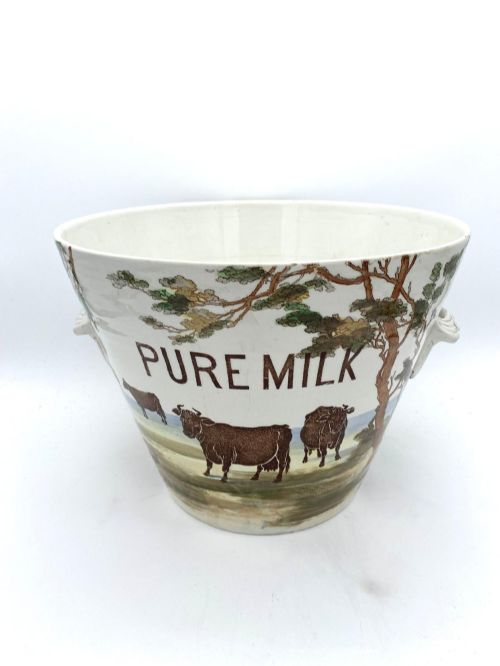
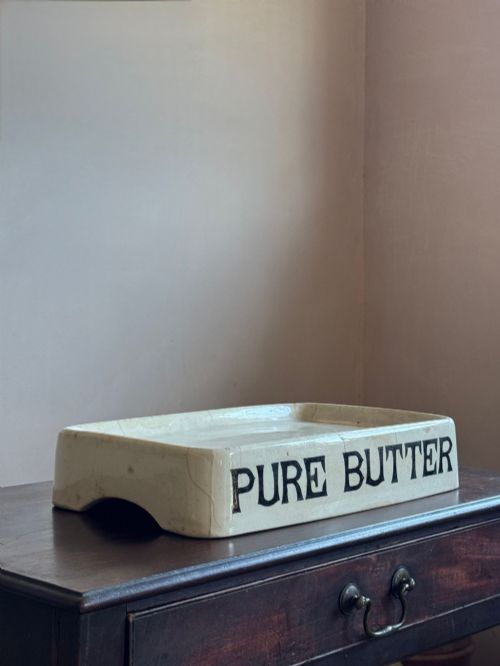
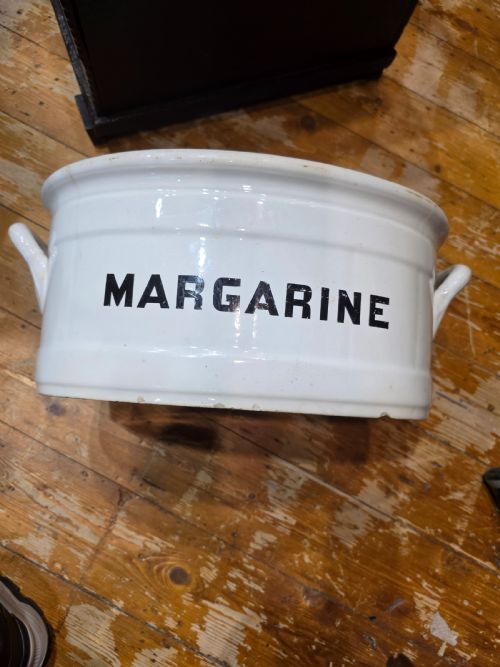
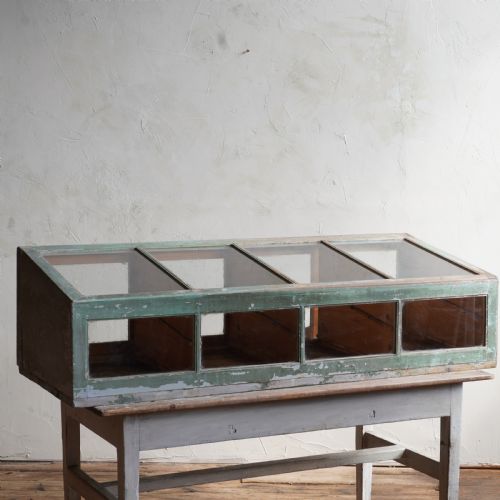
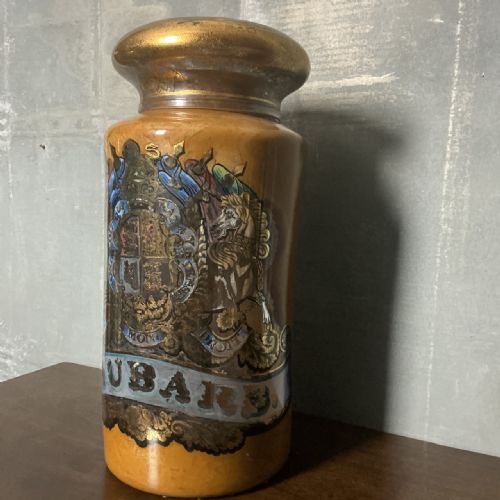
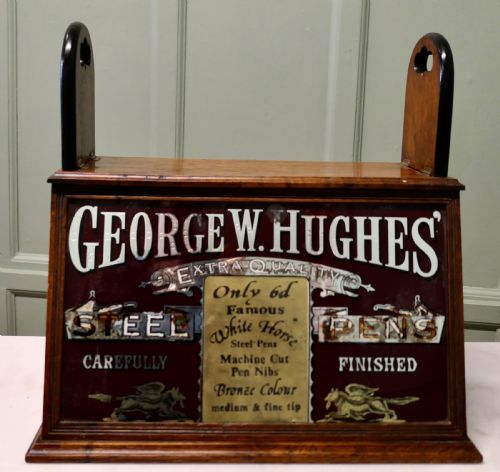
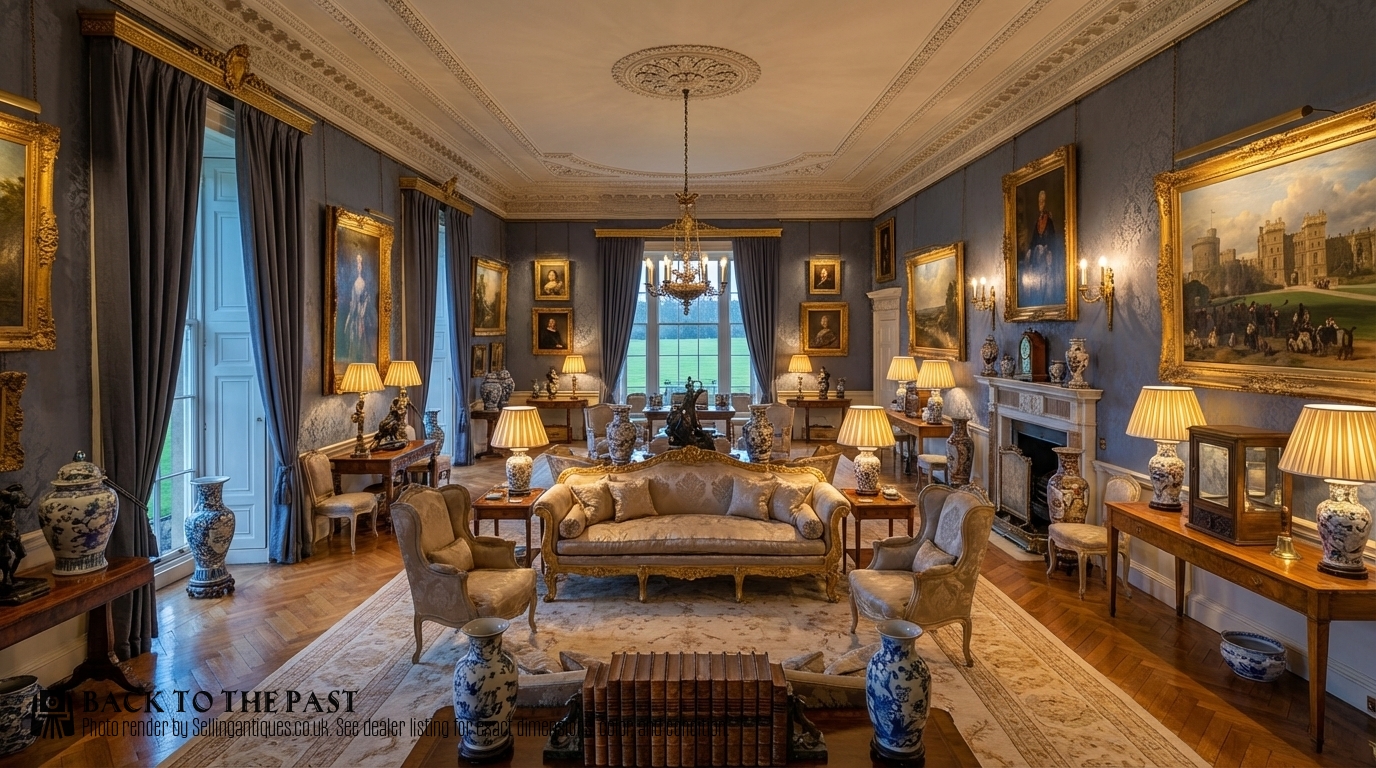
These pieces of antique shop display organise merchandise behind glass and timber, offering period retail fittings for modern domestic interiors.
Antique Shop Display
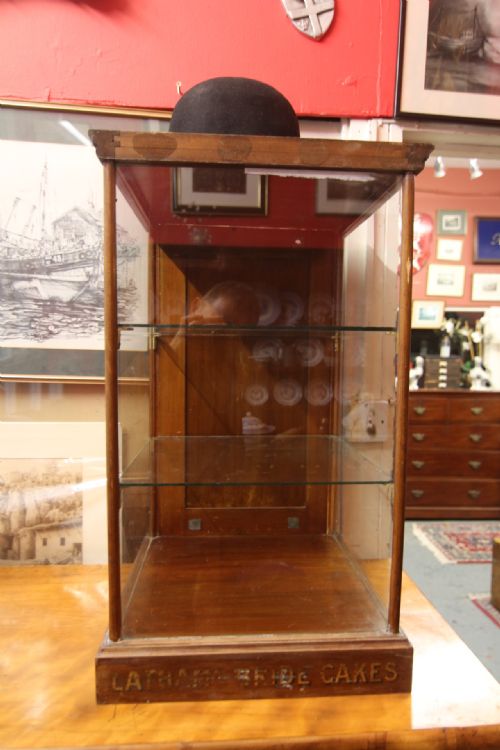
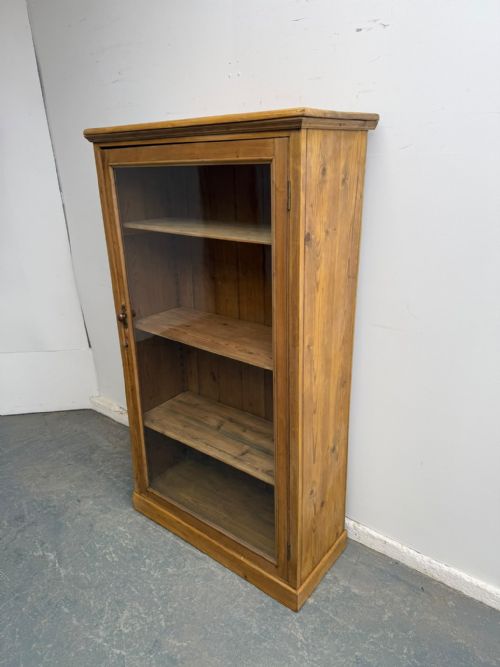
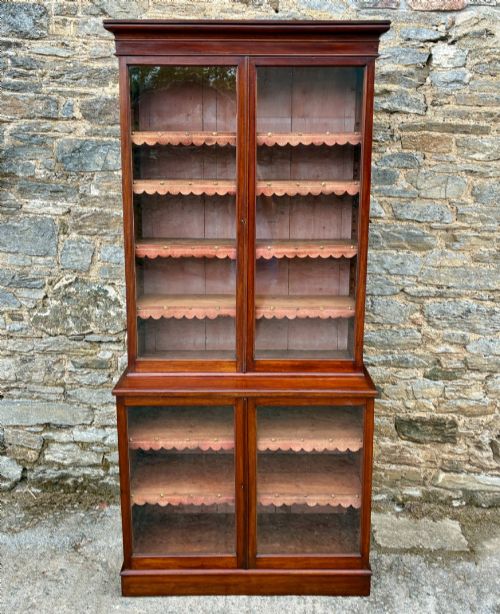
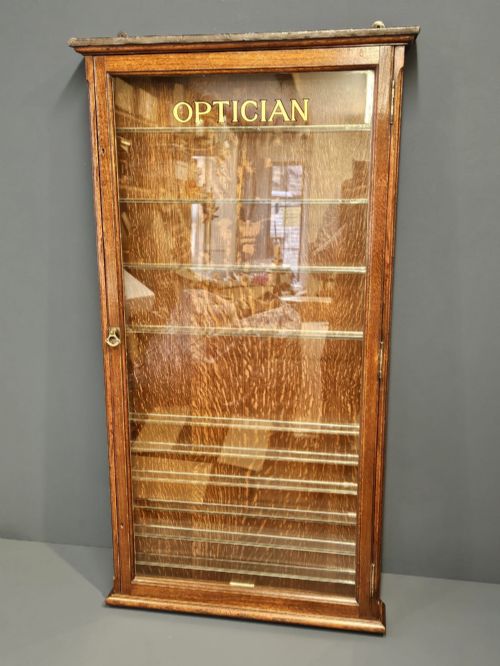
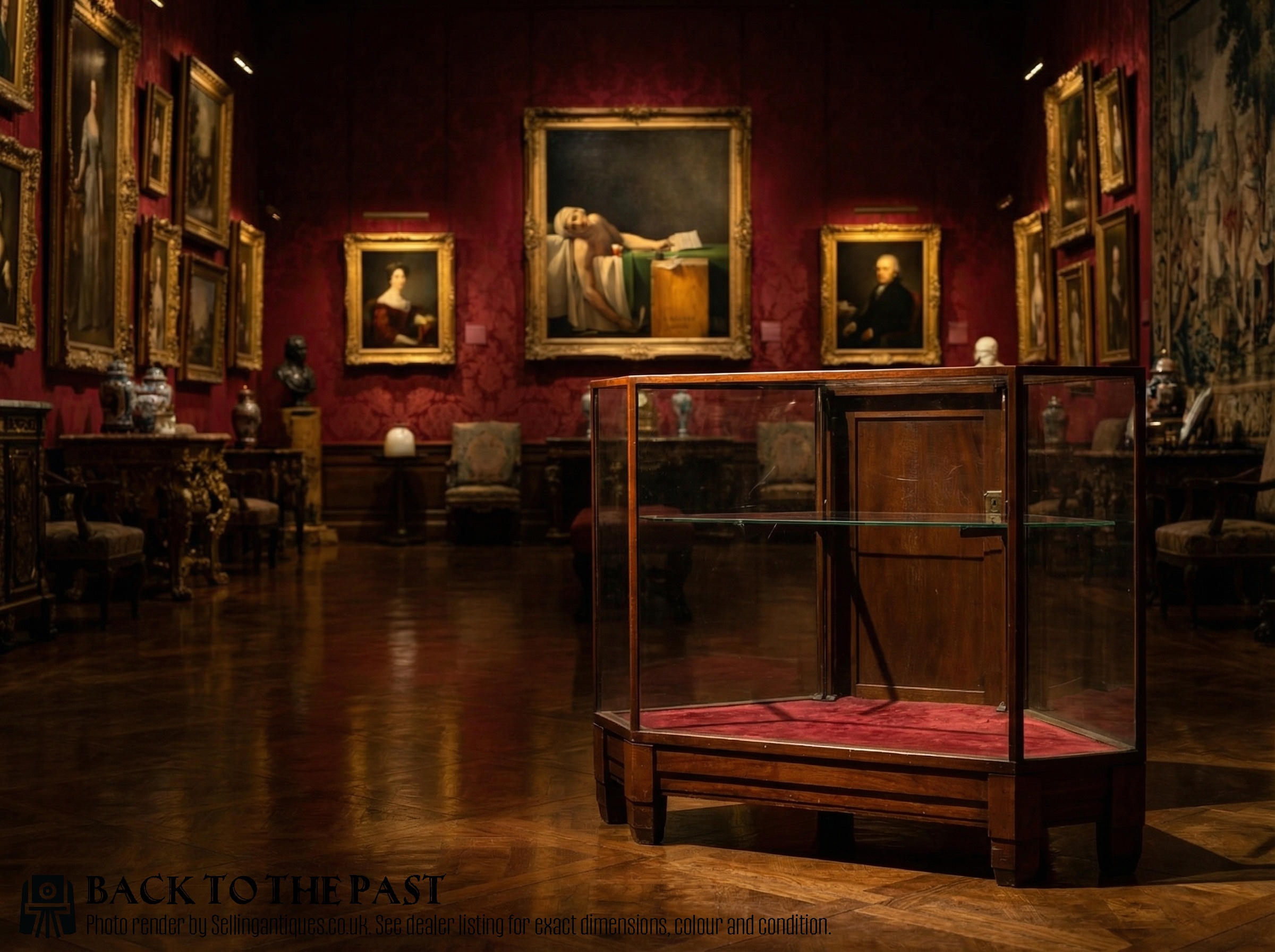
An antique shop display takes many physical formats, spanning countertop bijouterie cases, tall glazed cabinets, wall-mounted vitrines, and dedicated retail counters designed for merchants.
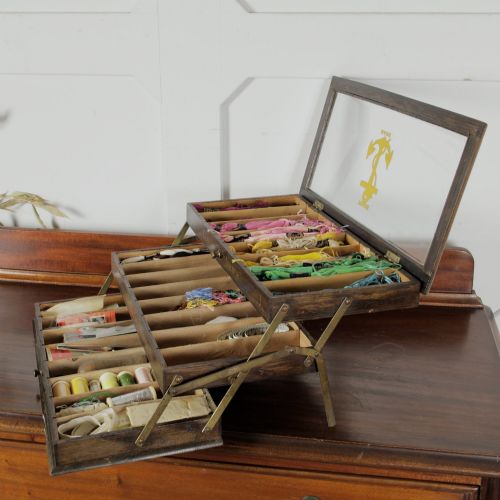
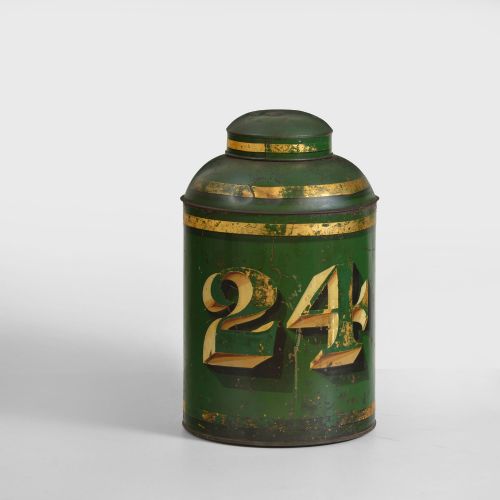
The material record shows a prevalence of Edwardian and Victorian pieces alongside items from the 1920s, ranging from large oak haberdashery showcases to small tabletop apothecary jars.
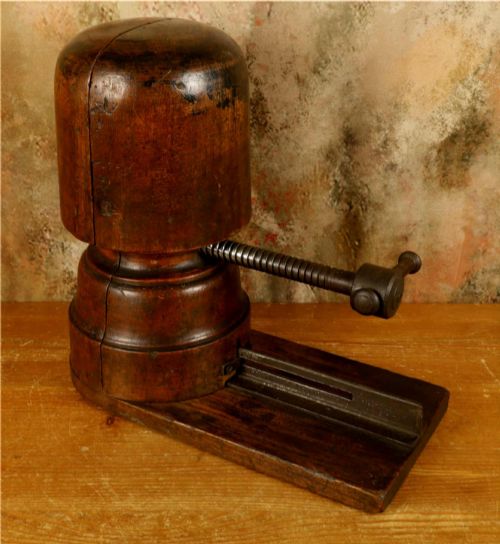
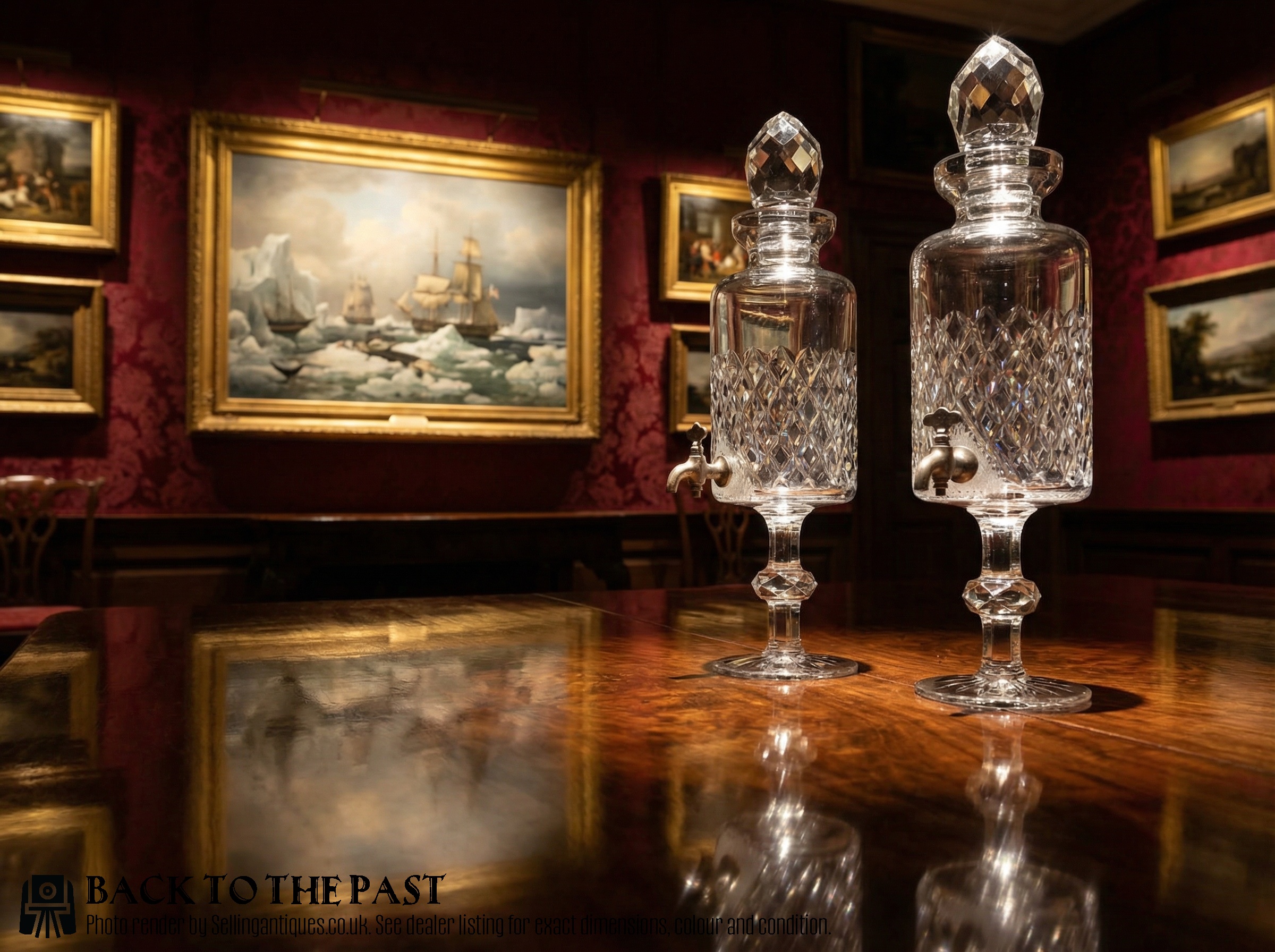
Specialised trade apparatus also appears within the category, including milliner hat stretchers, chemist scales, advertising funnels, and perfume bottles intended for commercial counters.
Judging construction and finish
The hierarchy of quality rests on the integrity of the original joinery, the clarity of the glass, and the retention of working brass hardware rather than later replacement parts.
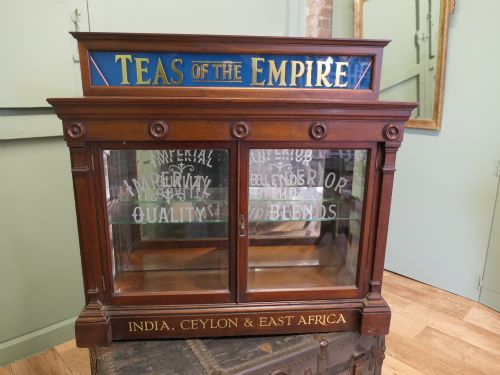
Finer examples distinguish themselves through thoughtful proportions, timber selection, and intact commercial branding such as hand sign-written advertising panels or maker stamps.
Antique Shop Display Retail Price Guide 2026
Typical asking prices for shop display among the pieces listed under this phrase on Sellingantiques today, from the lower quarter to the upper quarter. They describe what is for sale here now, not the wider market.
Listings span Victorian, Edwardian, and 1920s periods, incorporating materials from mahogany and oak to bronze, velvet, and creamware.
Parnall & Sons
The Antique Shop Display Glossary
- Haberdashery cabinet
- A tall multi-drawer or glass-fronted counter designed to organise textiles, ribbons, and small dry goods for retail customers.
- Bijouterie case
- A shallow glass-topped tabletop display unit specifically built to showcase jewellery, watches, and delicate small valuables.
- Chemist jar
- A large glass vessel with a stopper utilised in apothecary shops to hold medicinal ingredients or display coloured liquids.
- Hat block
- A carved wooden form shaped to the human head, used by milliners to construct and display headwear.
Antique Shop Display: Frequently Asked Questions
How do I clean wooden display cabinets?
Dust surfaces regularly with a dry cloth and feed the timber periodically with a traditional beeswax polish to protect the finish.
Avoid applying liquid cleaners directly to glass or wood junctions where moisture might seep into old joints.
Can I use counter displays at home?
Countertop glass cases work well on sideboards for organising collections of small objects, pocket watches, or natural curiosities.
The clear glazing keeps items free from dust while offering a full view from all angles.
What timber was used most often?
Oak and mahogany appear most frequently in larger floor-standing showcases and haberdashery counters from the Victorian and Edwardian eras.
Pine and walnut also feature prominently in regional cabinetry and specialised retail furniture.
Are shop display cases secure?
Many retain their original brass locks and keys, though period mechanisms should be treated with care during daily use.
Some smaller tabletop vitrines lift open from the back or top depending on the specific retail design.