



Glass Fronted Cabinet
A glass fronted cabinet holds treasured objects safely behind clear panes, bringing elegance and order to any room.
Glass Fronted Cabinet
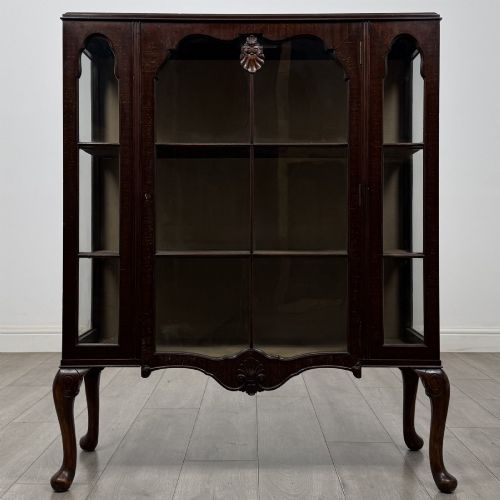
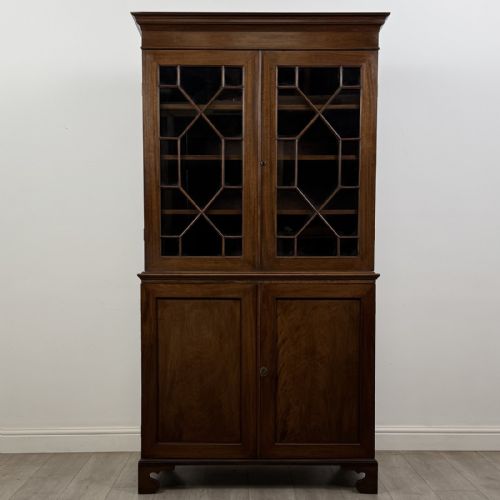
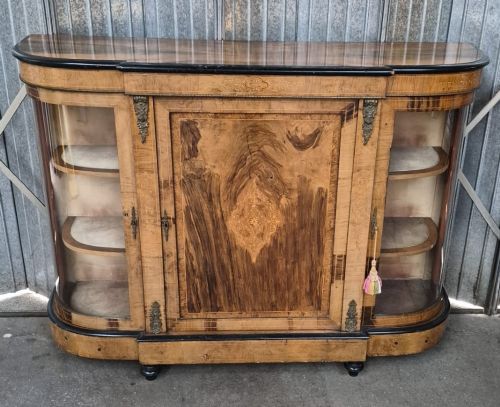
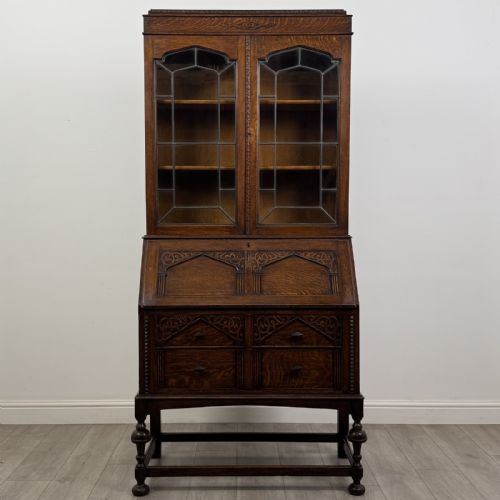
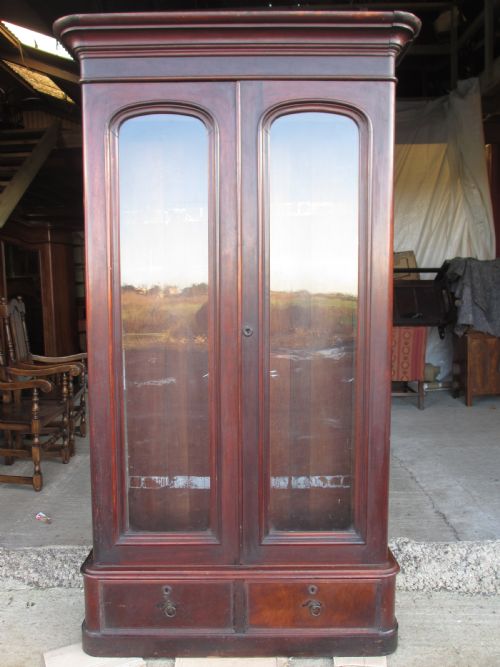
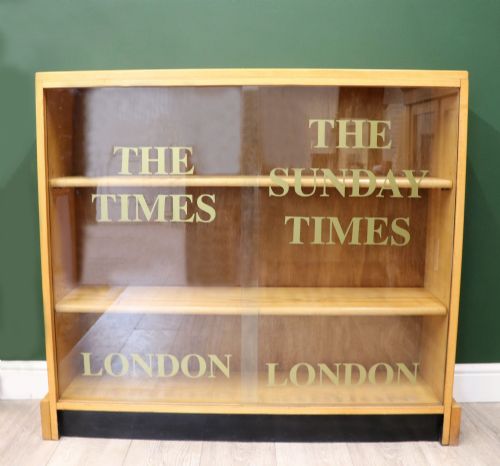
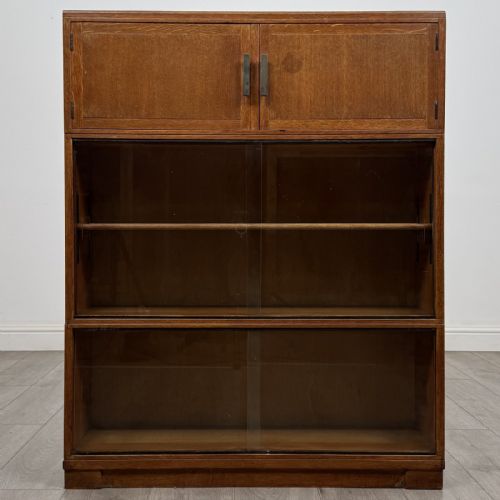
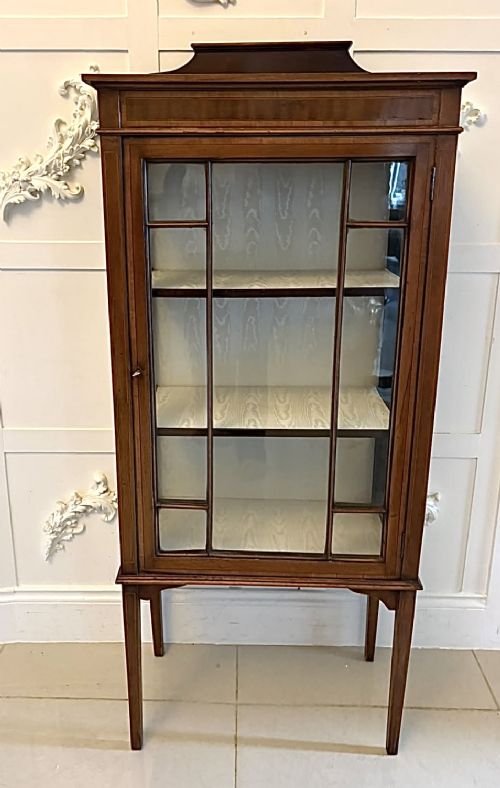
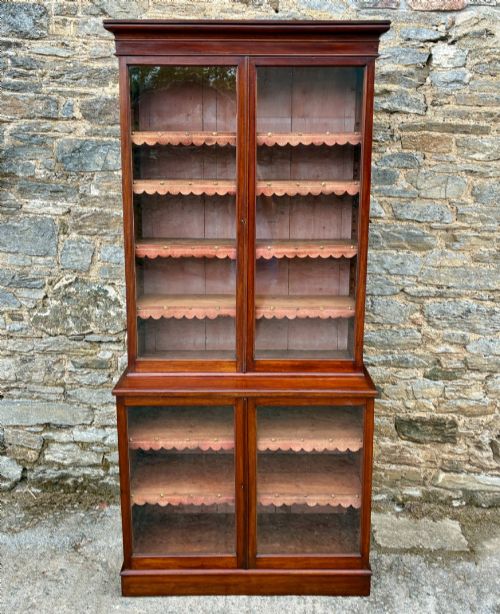
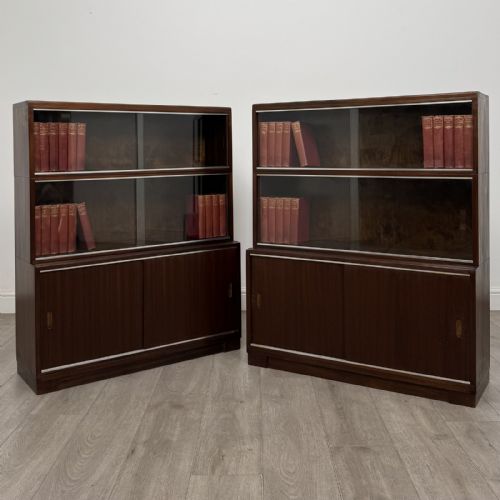
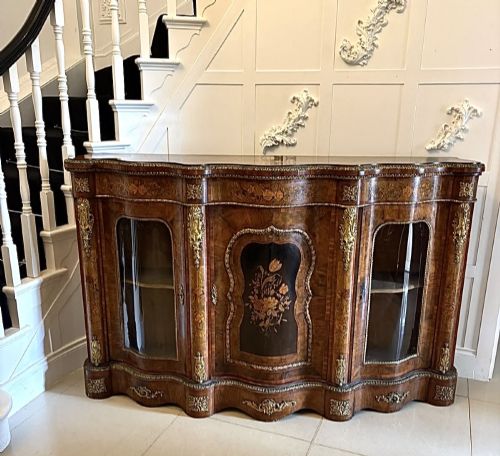
A glass fronted cabinet serves primarily to display and protect books, china, or curiosities within a domestic or commercial setting. Buyers searching this phrase encounter diverse forms ranging from tall library bookcases and slim pier cabinets to serpentine credenzas and shop display counters.
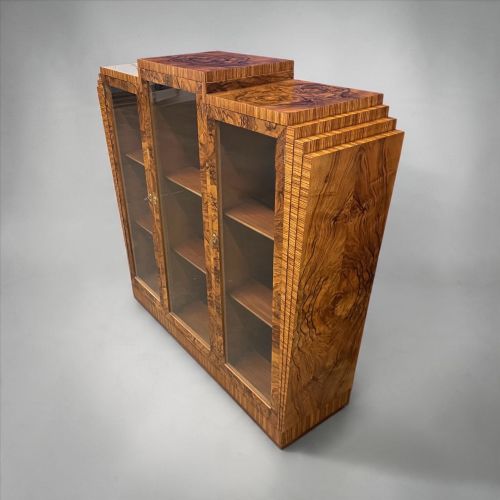
The pieces appearing here span the Victorian, Edwardian, and later twentieth-century periods, utilising styles such as Sheraton Revival, Arts and Crafts, and Art Deco. Mahogany, walnut, and oak dominate the timber frames, enclosing glazed shelving designed to keep dust from delicate possessions.
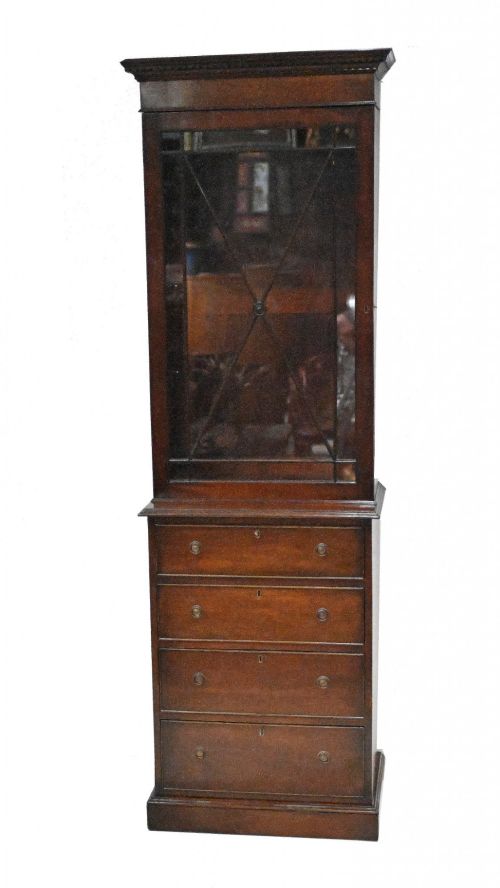
Most examples hail from the nineteenth and early twentieth centuries, reflecting the domestic appetite for organised display in parlours and studies. Bureau bookcases and vitrines combine storage drawers with glass doors, offering dual functionality for the collector.
Materials and construction methods
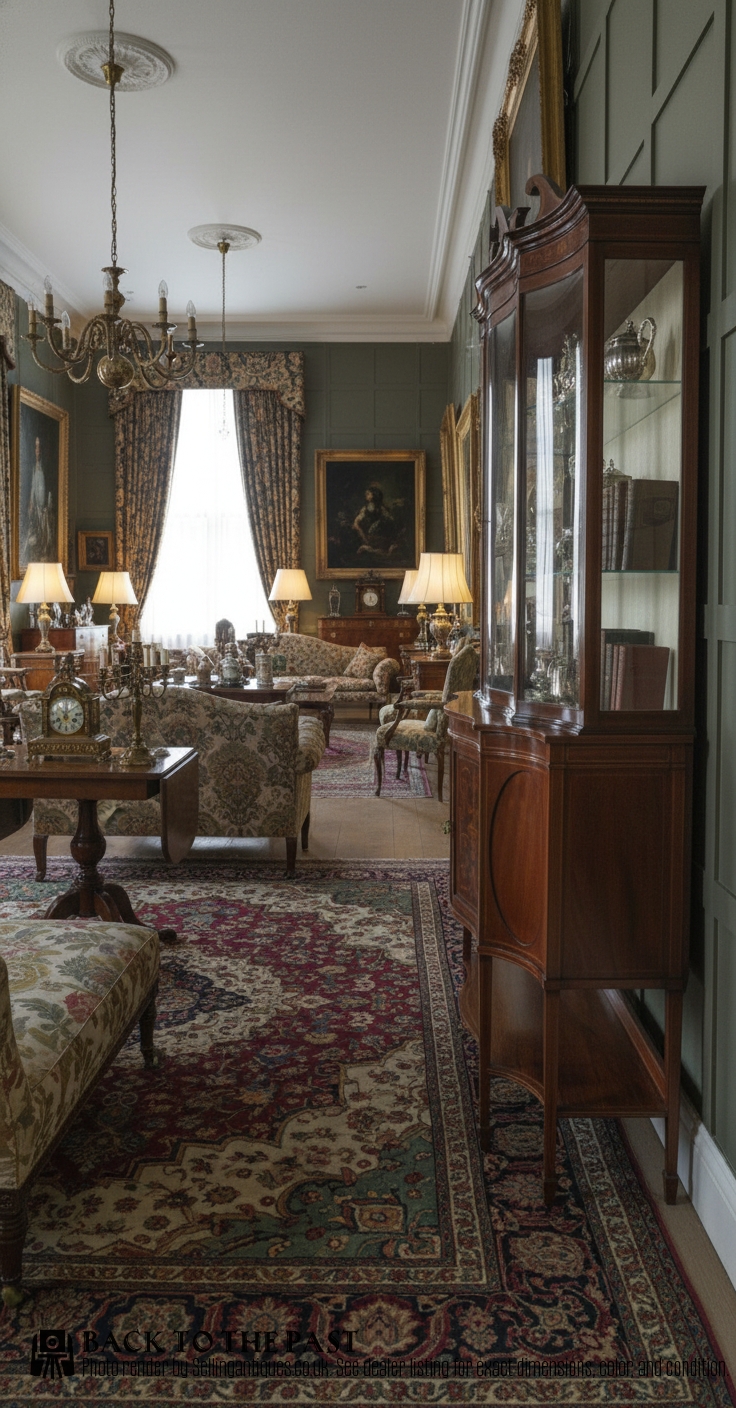
Cabinet makers utilised dense hardwoods like mahogany, walnut, and oak for structural integrity, often applying figured veneers and decorative marquetry to primary surfaces. Brass hardware, ormolu mounts, and delicate inlay work embellished the exterior frames of finer Victorian and Edwardian examples.
Glazing techniques required skilled joinery to fix glass panes securely into wooden lattice doors, whether flat, bow-ended, or serpentine in profile. Interior shelving rested on adjustable wooden brackets or metal tracks, while lower sections frequently incorporated solid wooden doors or stacked drawers.
Glass Fronted Cabinet Retail Price Guide 2026
Typical asking prices for glass fronted cabinet among the pieces listed under this phrase on Sellingantiques today, from the lower quarter to the upper quarter. They describe what is for sale here now, not the wider market.
Mahogany and walnut are the dominant timbers across these listings, accompanied by decorative satinwood, oak, and brass or ormolu mounts.
Distinguishing quality in cabinet making
The calibre of a piece rests upon the selection of timber veneers, the precision of marquetry inlay, and the finesse of bronze or ormolu mounts. Finer cabinets demonstrate seamless grain matching across drawer fronts and doors, alongside hand-cut dovetail joints in the internal construction.
Structural harmony also dictates value, where proportion and decorative restraint elevate a piece above standard utilitarian furniture. Superior examples retain original glass panes, functional brass locks, and intact internal fabric linings without heavy restoration.
F. Sage and Co·Edwards and Roberts·Dudley and Co·Rowland Ward Ltd·Maison Gagneau
The Glass Fronted Cabinet Glossary
- Ormolu
- Gilded bronze mounts applied to furniture surfaces for decorative effect. This technique was favoured by nineteenth-century cabinet makers working in revival styles.
- Marquetry
- Inlaid patterns formed from different coloured wood veneers fitted into a background panel. It frequently depicts floral or geometric motifs on Victorian and Edwardian furniture.
- Vitrine
- A glass-sided display cabinet designed primarily for the exhibition of porcelain and small ornaments. These pieces often feature glazed doors on all sides to maximise interior light.
- Pier cabinet
- A low cabinet built specifically to fit the narrow stretch of wall between windows. Victorian examples commonly feature glazed doors and walnut construction.
- Credenza
- A low sideboard or display unit, often serpentine in shape and mounted with ormolu. It served as a formal serving and display surface in nineteenth-century reception rooms.
Glass Fronted Cabinet: Frequently Asked Questions
How do I clean the interior glass?
Use a soft microfibre cloth and a mild glass cleaning solution sprayed onto the cloth rather than directly onto the wood. This prevents moisture from damaging antique timber frames and delicate veneer.
Take care around leaded or antique glass panes, which can be fragile and loose within their original putty or wooden muntins.
Can these cabinets support heavy books?
Many larger examples, such as library bookcases and barrister bookcases, were engineered specifically to hold heavy volumes. Solid oak and mahogany frameworks provide robust structural support.
Lighter display cabinets and satinwood vitrines suit porcelain, glassware, and lighter curiosities rather than dense shelves of heavy hardcover books.
How do I distinguish Edwardian from Victorian styles?
Victorian cabinets generally display heavier proportions, darker walnut or mahogany timbers, and ornate ormolu mounts or elaborate floral marquetry. They often convey a sense of formal grandeur.
Edwardian pieces tend to be lighter in scale, frequently utilising satinwood, inlaid mahogany, or lighter oak with simpler, airier aesthetic influences derived from Sheraton Revivals.
Where should I place a cabinet in my home?
Position glass fronted furniture away from direct sunlight to protect antique timber veneers and interior fabrics from fading over time. Stable room temperatures also prevent wood from warping.
Ensure the floor is level so that heavy glazed doors hang correctly and swing smoothly on their original brass hinges without binding.