
Victorian China Cabinet
A victorian china cabinet displays porcelain behind glass, offering a disciplined view of nineteenth-century interiors.
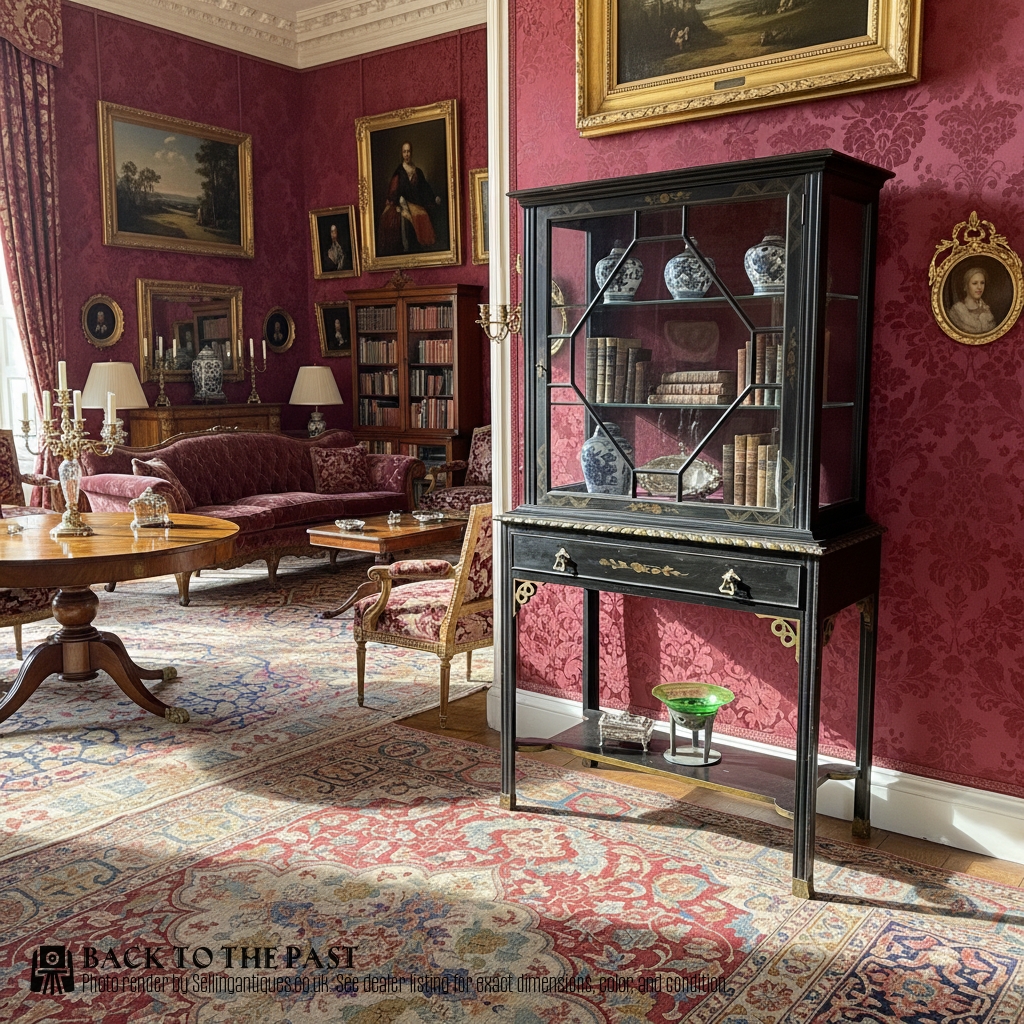
Victorian China Cabinet
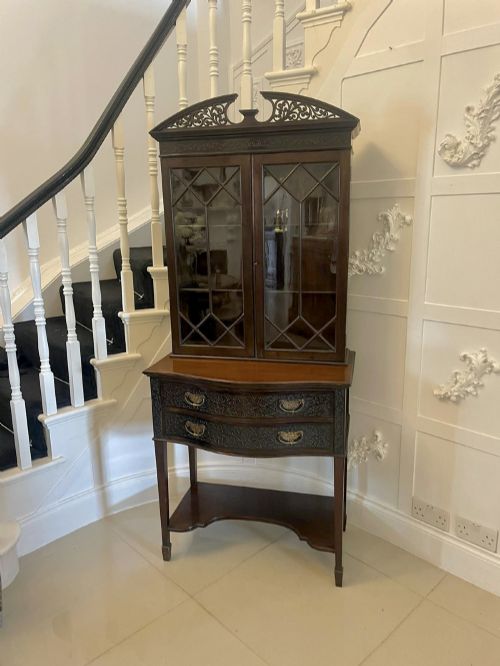
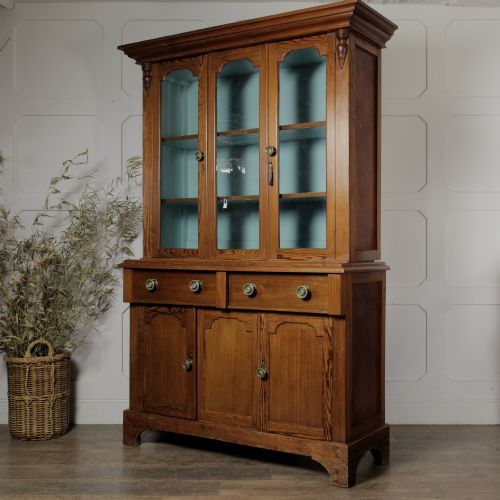
A victorian china cabinet functions as a glazed enclosure designed to protect and display household ceramics. These pieces bridge the gap between utilitarian storage and formal reception room display.
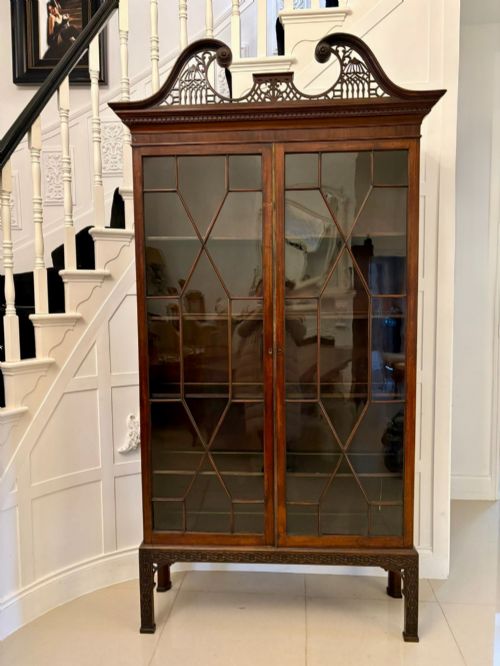
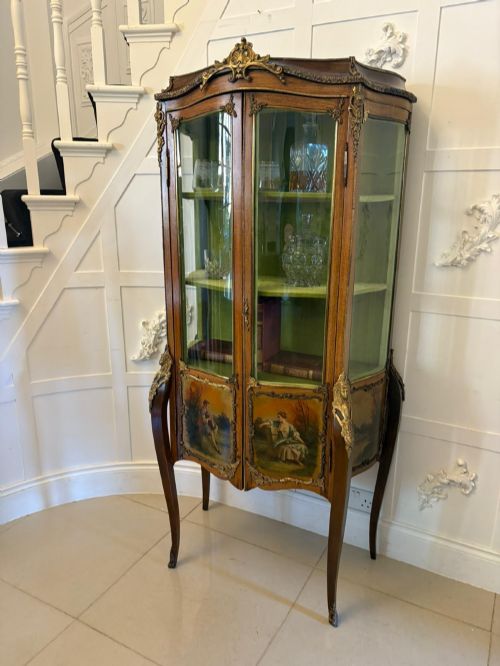
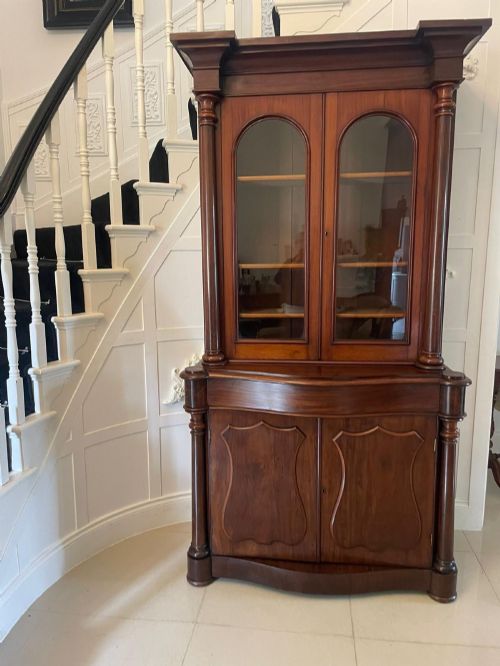
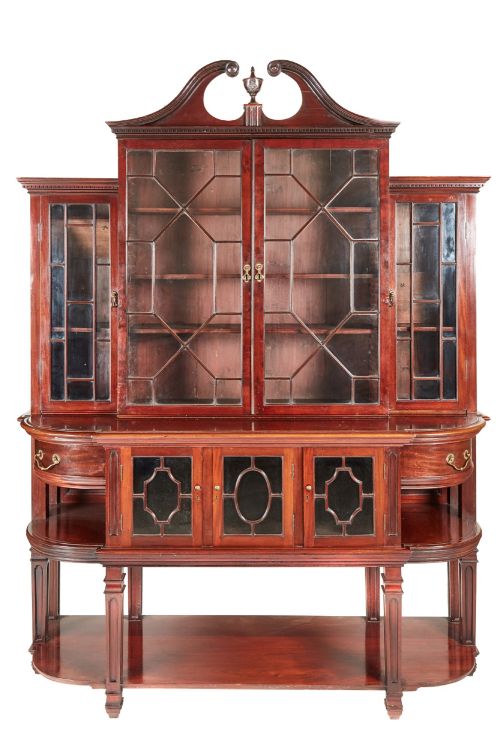
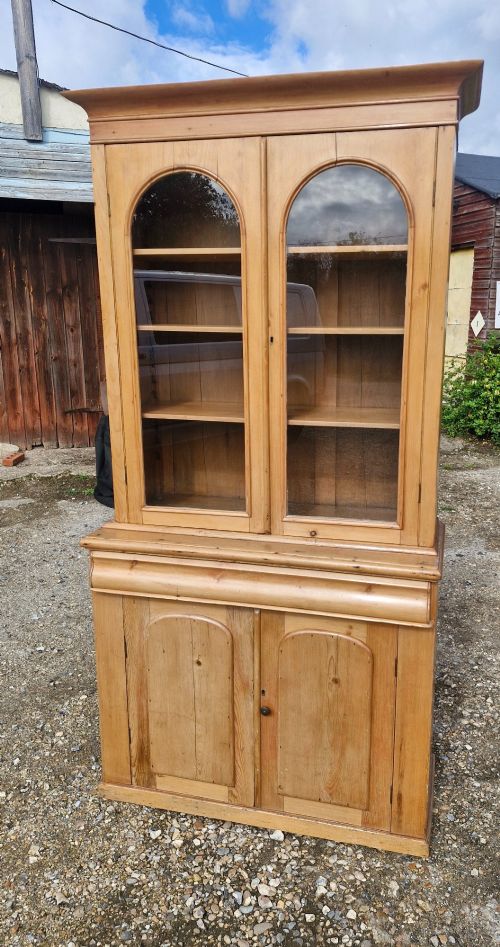
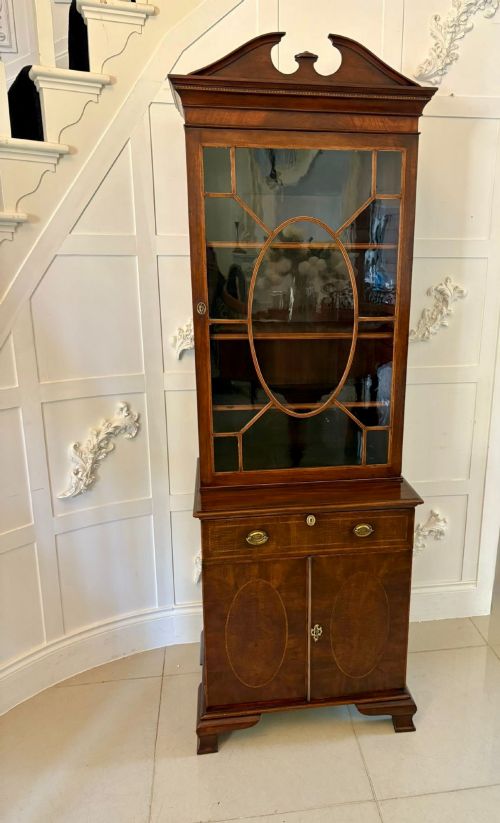
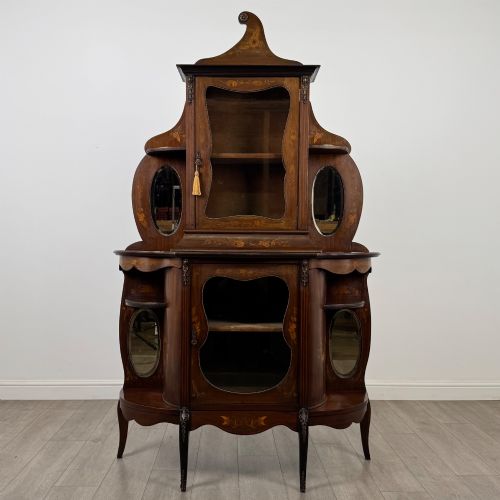
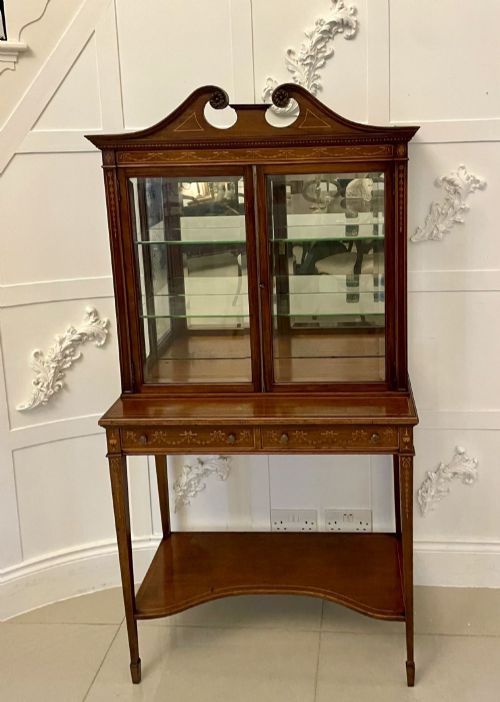
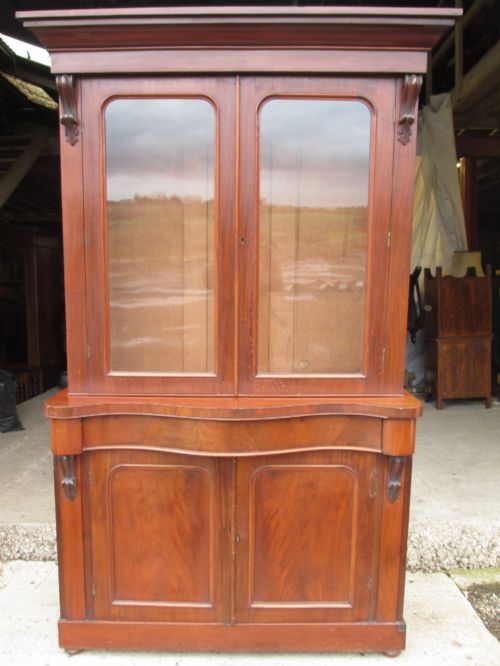
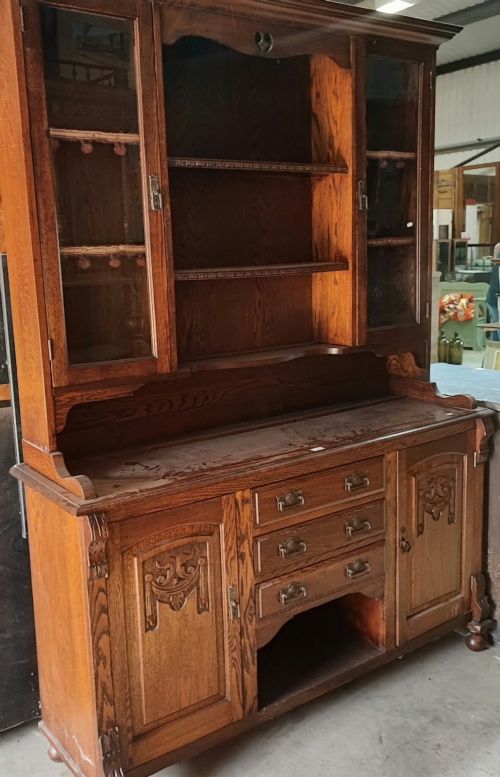
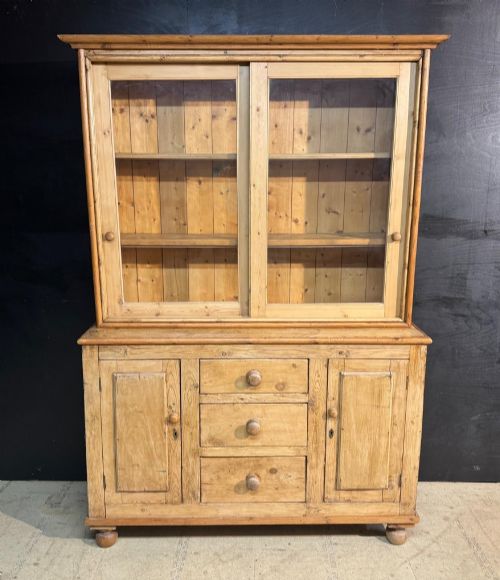
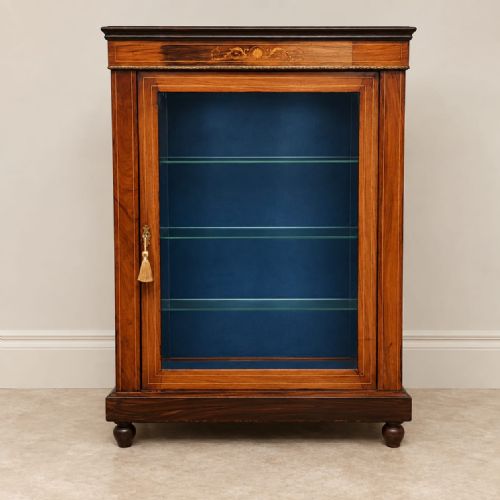
Makers produced these cabinets in forms ranging from slim pier cabinets to broad breakfront bookcases and glazed cupboards. Mahogany forms the backbone of the selection here, alongside walnut, satinwood, and pine.
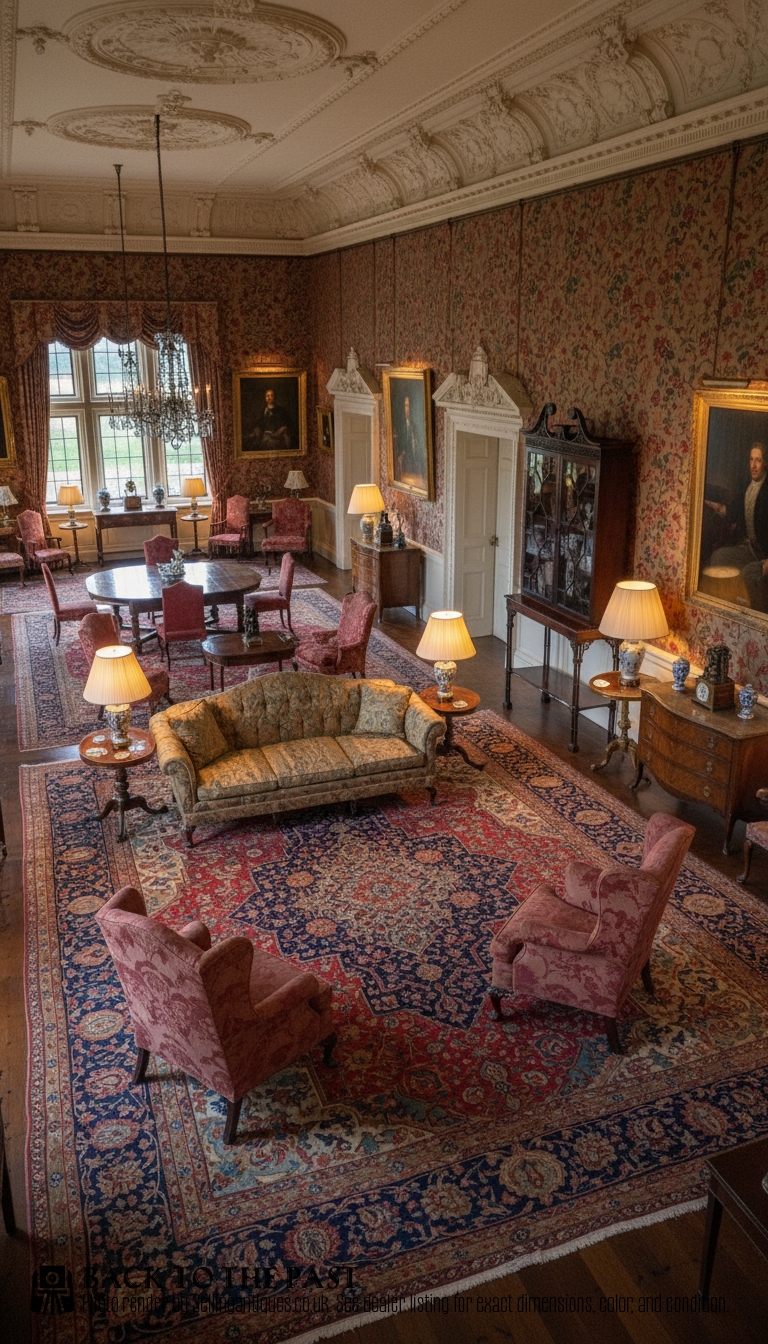
How they were made
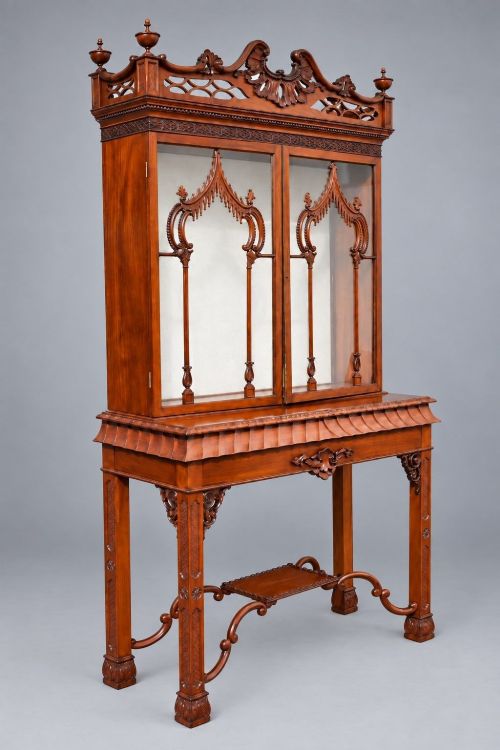
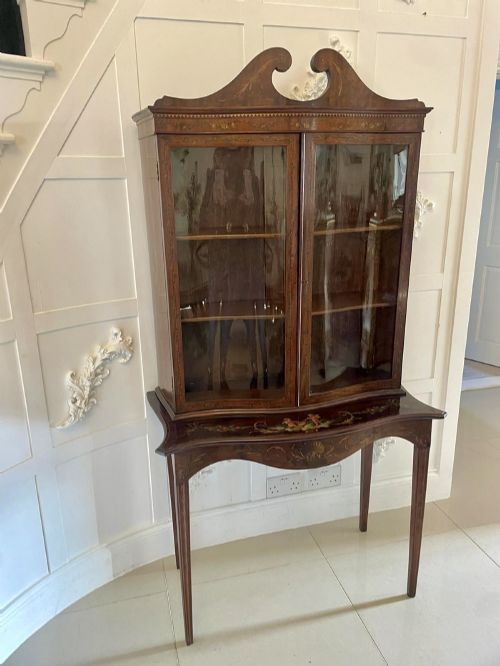
Cabinet makers utilised dense timbers such as mahogany and walnut, frequently applying satinwood inlay or marquetry details to door panels and friezes. Glazing relies on astragal bars that divide the glass panes into geometric patterns.
Internal surfaces occasionally receive painted decoration or fabric lining to contrast with the porcelain displayed within. Brass hardware secures the doors, while carved elements define revival styles from Chippendale to Sheraton.
Victorian China Cabinet Retail Price Guide 2026
Typical asking prices for victorian china cabinet among the pieces listed under this phrase on Sellingantiques today, from the lower quarter to the upper quarter. They describe what is for sale here now, not the wider market.
Some pine kitchen cupboards retain traces of paint from domestic spaces where cauliflowers met porcelain.
What varies in quality
The sophistication of the timber figure and the precision of the inlay determine the tier of a piece. Delicate carving on mahogany frames and balanced proportions distinguish superior workshops from standard output.
Original glass panes, intact painted interior decoration, and retained brass fittings elevate an example. The crispness of revival styling, whether Sheraton or Chinese Chippendale, reveals the hand of skilled cabinet makers.

Jas Shoolbred·Collinson & Lock·Edwards & Roberts
The Victorian China Cabinet Glossary
- Astragal
- Moulding that holds glass panes within a door frame. These slender wooden bars create grid patterns across the front of a display cabinet.
- Vitrine
- A glass-fronted cabinet intended specifically for the display of small decorative objects and porcelain. The term denotes a refined french-influenced form.
- Marquetry
- Decorative veneer work forming pictures or patterns using various tinted woods. Craftsmen applied these panels to mahogany carcases.
- Pier cabinet
- A low freestanding cabinet designed to fit narrow wall spaces between windows. They often feature single glazed doors and walnut construction.
- Breakfront
- A piece of furniture where the central section projects forward from the flanking wings. This architectural arrangement adds depth to large mahogany bookcases.
Victorian China Cabinet: Frequently Asked Questions
What is a victorian china cabinet used for?
These cabinets housed decorative porcelain and ceramic plates safely behind glass doors while keeping dust away.
Owners placed them in drawing rooms to exhibit prized tableware to visiting guests.
How do I clean the wood?
Apply traditional beeswax sparingly with a soft cloth to nourish the polished timber surface.
Avoid modern liquid polishes that build up silicones and dull the original grain.
Where should I place it?
Position the cabinet away from direct sunlight to protect interior fabrics and polished wood finishes.
Ensure floor levels are even so the tall glazed doors hang square and close properly.
How do I date these cabinets?
Examine the timber species, construction joints, and decorative revival styles recorded in the listing details.
Nineteenth-century pieces often combine machine-cut elements with hand-finished carving and original glass.