


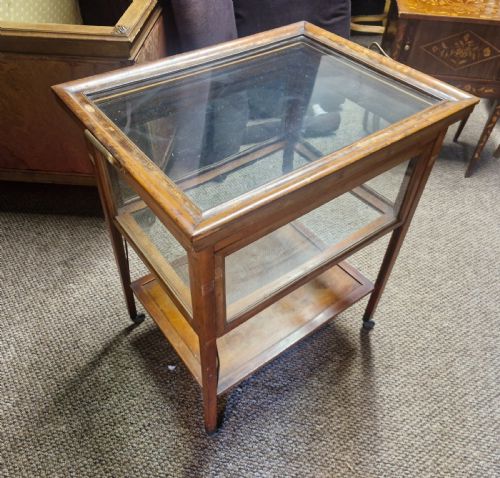


Brown Wooden Vitrine
A brown wooden vitrine is a glazed display cabinet designed to showcase fine objects, bringing warmth and structured elegance to a room.
Brown Wooden Vitrine
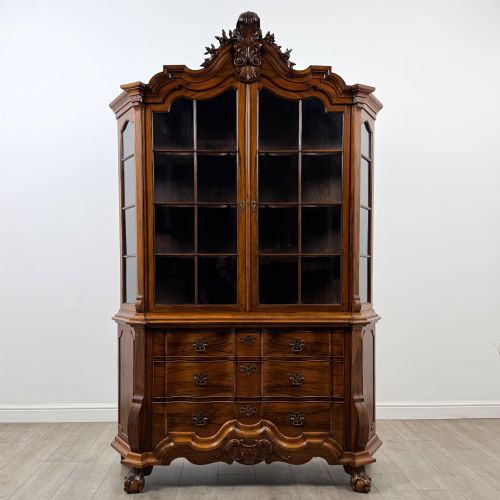
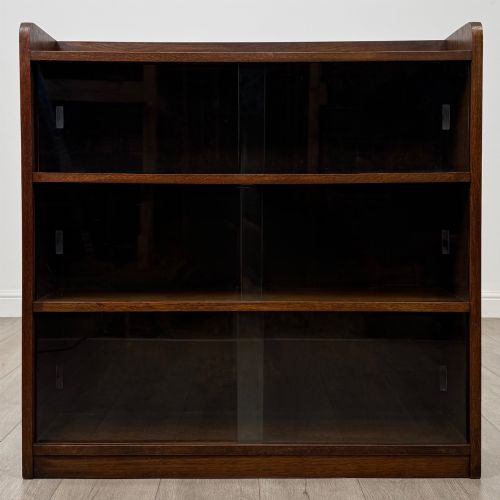
A brown wooden vitrine serves primarily as a refined enclosure for precious objects, ceramics, and books. When searching for a brown wooden vitrine, a buyer encounters pieces originating from the Victorian and Edwardian eras, alongside notable 19th-century examples.
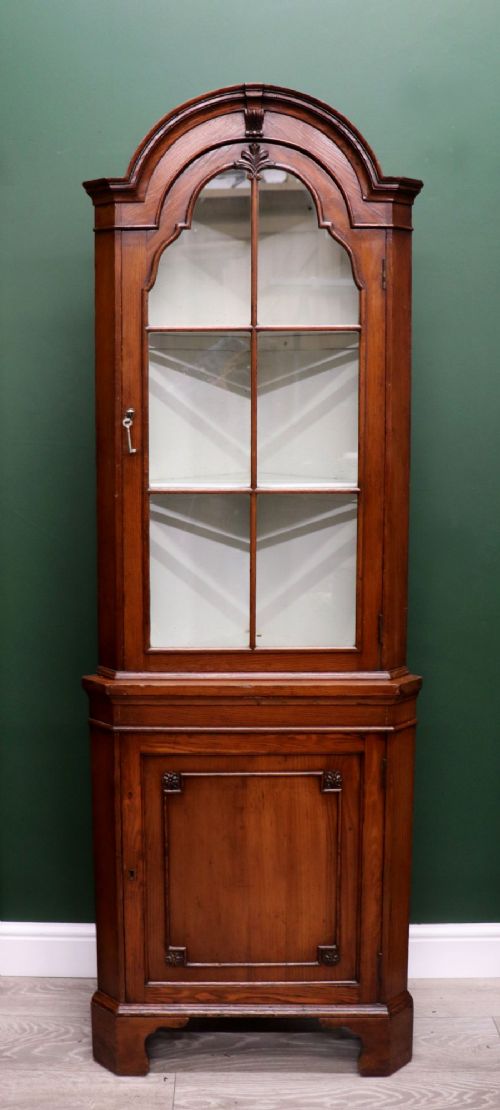
The construction typically takes the form of standing display cabinets, corner units, and table top cases. Walnut, mahogany, and oak form the structural core of these items, frequently paired with extensive glass panels.
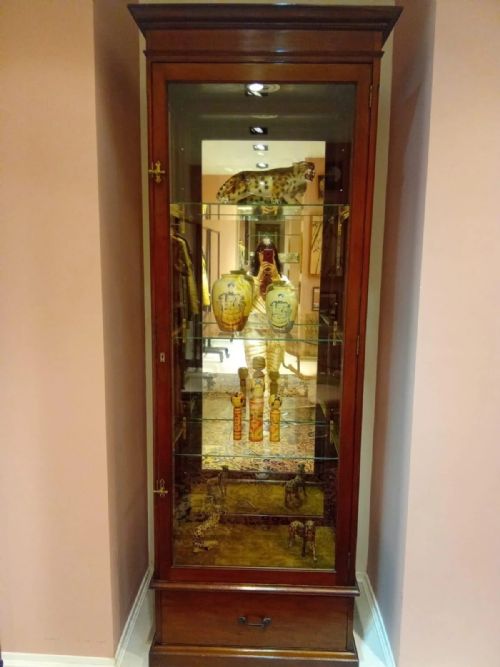
Makers often drew upon French Louis XV style, Dutch rococo, and Sheraton revival influences to shape the timber frames. Interior arrangements incorporate adjustable glass shelves or mirrored backs to enhance the reflection of light.
Materials and construction methods
Cabinet makers utilised dense hardwoods such as mahogany, walnut, and oak to build the structural framework of each brown wooden vitrine. Satinwood and kingwood veneers appear in marquetry and inlay work, adding tonal contrast to the primary timber.
Glass panels are fitted into glazed doors and sides to permit all-around visibility of the interior. Brass hardware and ormolu mounts provide structural joints and decorative highlights, while mirrored backs amplify internal light.
Brown Wooden Vitrine Retail Price Guide 2026
Typical asking prices for brown wooden vitrine among the pieces listed under this phrase on Sellingantiques today, from the lower quarter to the upper quarter. They describe what is for sale here now, not the wider market.
French revival and Dutch styles appear frequently alongside British Edwardian designs in this category.
Distinctions in quality and execution
The refinement of a brown wooden vitrine depends significantly on the precision of its timber selection and inlay. Fine examples integrate delicate marquetry, satinwood banding, and cast ormolu mounts rather than relying on plain surfaces.
Structural integrity reveals itself in the fit of the glazed doors, the condition of the glass panels, and the execution of carved details on the oak, walnut, or mahogany frame.
The Brown Wooden Vitrine Glossary
- Vitrine
- A glass-fronted cabinet designed for displaying fine objects and porcelain. These pieces usually feature extensive glazing on the sides and doors.
- Marquetry
- Decorative veneer work forming intricate pictures or geometric patterns using various coloured woods. Craftsmen apply these thin wood sections to the primary carcase.
- Ormolu
- Gilt bronze mounts applied to furniture for decorative effect. This technique was favoured in French revival pieces.
- Breakfront
- A cabinet design where the central section projects forward from the flanking wings. This architectural form creates depth in larger display cases.
- Demi lune
- A half-moon shape used for the footprint of specific cabinets and tables. Such pieces fit flush against walls while offering curved display fronts.
Brown Wooden Vitrine: Frequently Asked Questions
What is a brown wooden vitrine used for?
These cabinets serve as dedicated enclosures for displaying porcelain, glassware, and small collectibles safely behind glass. They keep dust away from delicate items while maintaining full visibility.
Historically, they occupied drawing rooms and parlours where hosts exhibited their finest possessions to visitors. Today, they function similarly in domestic interiors to protect and present treasured objects.
How do I date an antique wooden vitrine?
Dating relies on identifying timber choices, construction techniques, and stylistic revival periods. Victorian pieces often use heavy mahogany with robust carving, whereas Edwardian examples frequently feature lighter mahogany with inlaid satinwood.
硬件 and glass characteristics also provide clues, as machine-sawn timber and plate glass point towards the later nineteenth and early twentieth centuries.
Where should I place a corner cabinet?
Corner cabinets fit directly into room angles, making efficient use of space that standard rectangular furniture leaves empty. They work well in dining rooms or living areas to anchor an awkward junction between walls.
Placing them away from direct sunlight protects the timber finish and prevents excessive temperature fluctuations that could affect the wood and glass.
How do I maintain the glass and timber?
Maintenance involves dusting the timber regularly with a dry cloth and occasionally applying suitable furniture wax to nourish the wood. Glass panels require standard glass cleaner applied to a cloth rather than sprayed directly onto the frame.
Avoiding placement near heat sources prevents the mahogany, walnut, or oak from drying out and keeps the joints stable over time.