


Inlaid Wooden Cabinet
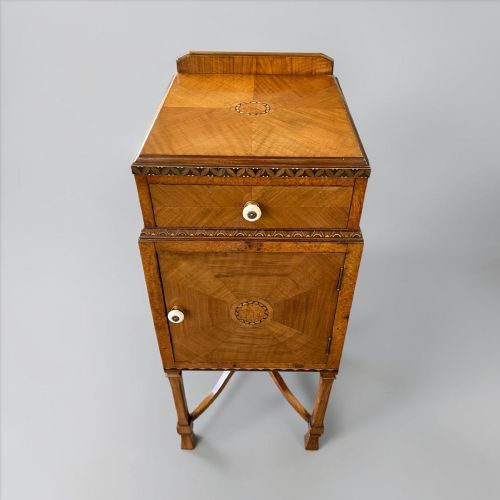
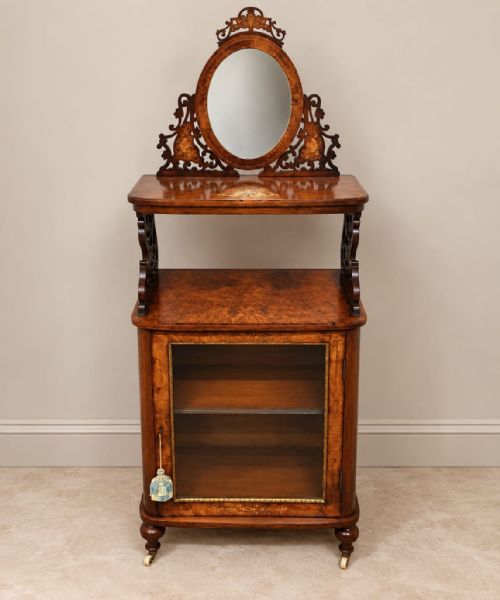
An inlaid wooden cabinet brings together rich timber surfaces and precise decorative banding to anchor a room.
Inlaid Wooden Cabinet
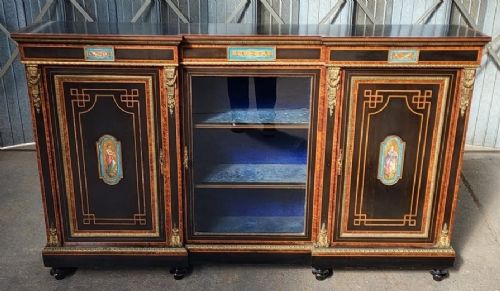
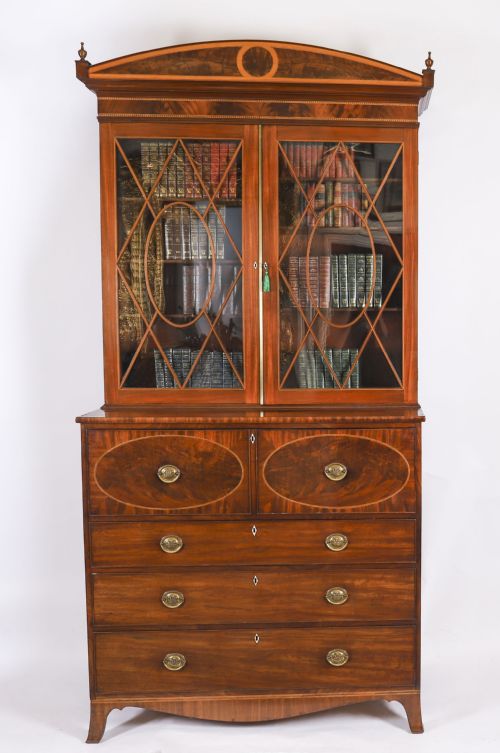
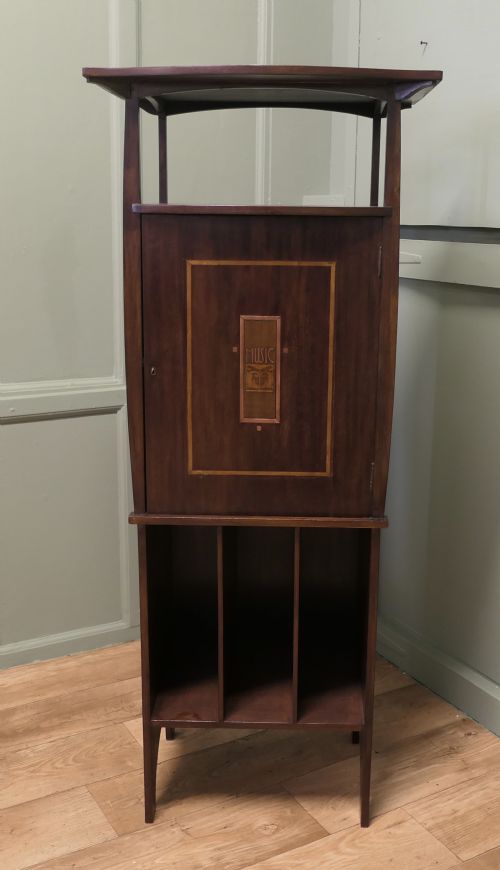
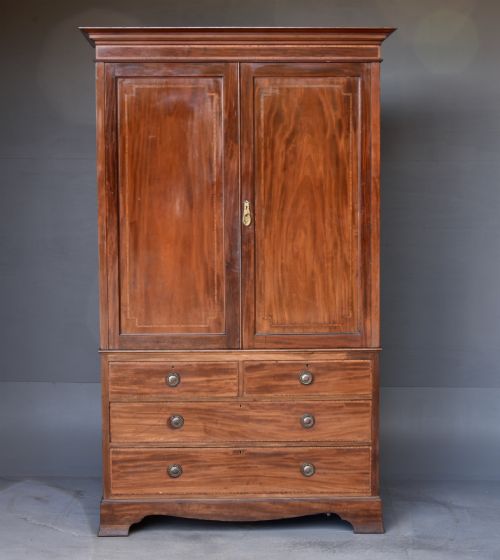
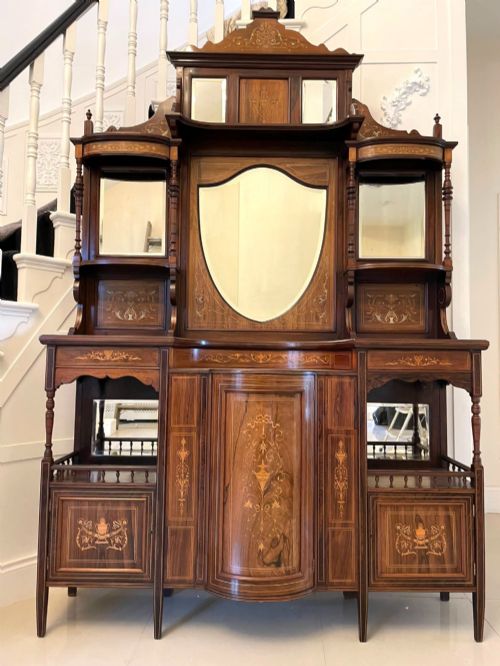
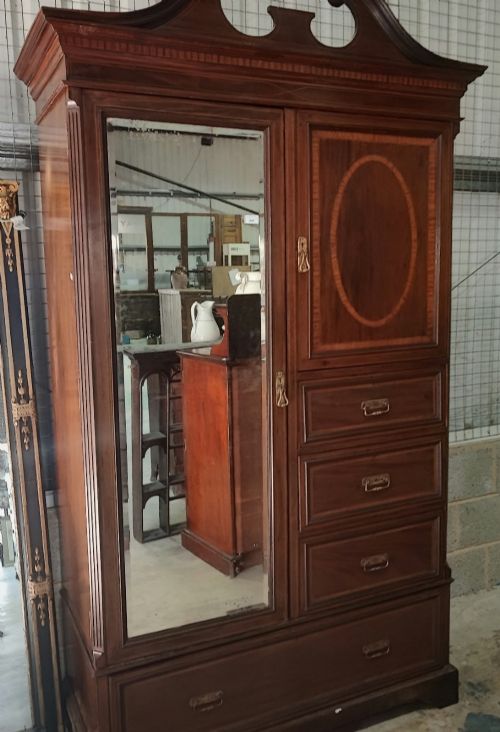
An inlaid wooden cabinet spans utilitarian storage pieces and formal display furniture across several distinct eras. A buyer searching for an inlaid wooden cabinet encounters wardrobe designs, side cabinets, and compact music storage units. These items emerge primarily from the Georgian, Victorian, and Edwardian periods.
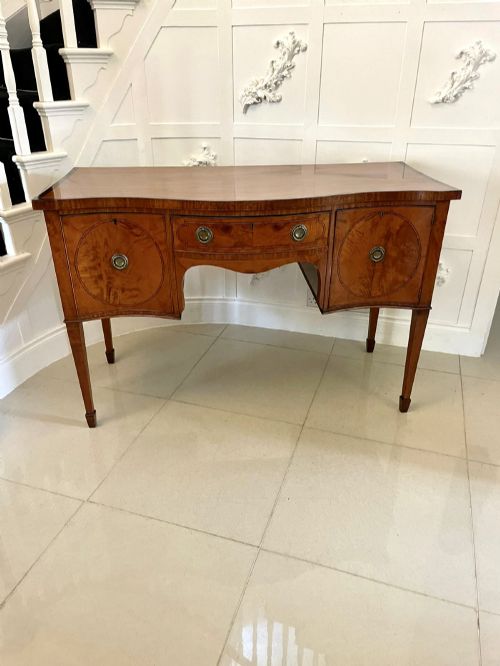
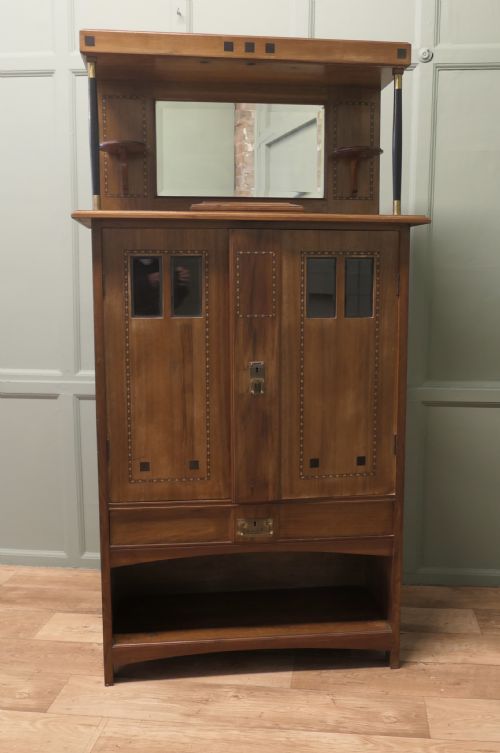
The assortment on this page ranges from compact bedside cupboards to large serpentine sideboards and towering bookcases. Edwardian satinwood pieces and Victorian ebonised designs appear frequently alongside earlier Georgian mahogany examples. Each form serves a specific domestic function while displaying contrasting wood veneers.
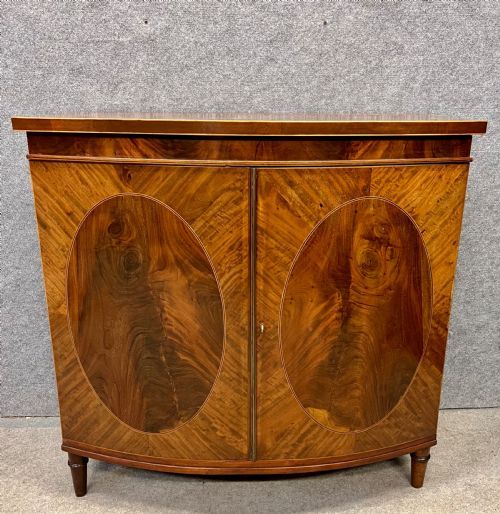
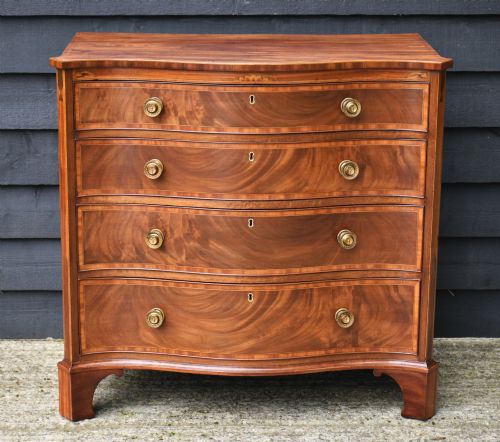
Makers and workshops of the eighteenth, nineteenth, and early twentieth centuries utilised various carcass shapes, including bow-front, serpentine, and demi-lune profiles. Smaller items such as smokers' cupboards and bedside tables sit alongside multi-door side cabinets and gentleman's wardrobes.
Materials and construction
Cabinet makers constructed solid wood carcasses and applied decorative veneers of mahogany, satinwood, burr walnut, and harewood. Surface ornamentation relied on contrasting timbers such as boxwood and ebony, inlaid directly into the primary wood.
Hardware additions include cast brass handles, escutcheons, and brass castors supporting heavier bookcase and wardrobe bases. Specialised mounts such as ormolu appear on select Victorian ebonised pieces to accentuate architectural lines.
Inlaid Wooden Cabinet Retail Price Guide 2026
Typical asking prices for inlaid wooden cabinet among the pieces listed under this phrase on Sellingantiques today, from the lower quarter to the upper quarter. They describe what is for sale here now, not the wider market.
Listings feature woods including mahogany, satinwood, oak, walnut, boxwood, burr walnut, and brass furniture mounts.
Craftsmanship and distinction
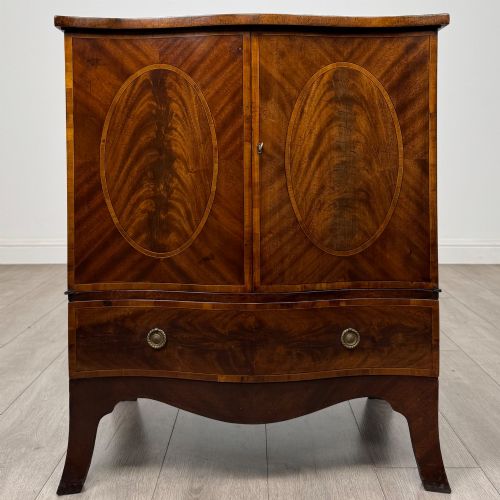
Superior examples display precise alignment in geometric or floral wood inlays, where individual pieces fit flush without gaps. Finer carcasses utilise dense, highly figured timbers like flame mahogany and burr walnut rather than plain secondary woods.
Design complexity separates standard utility items from distinguished decorative pieces, evident in shaped serpentine drawer fronts and matched veneer panels. Original mounts, intact internal fittings, and balanced proportions elevate the standing of a cabinet.
GM Elwood for JS Henry·maples and co·Edwards and Roberts
The Inlaid Wooden Cabinet Glossary
- Satinwood
- A durable exotic timber with a lustrous yellow sheen, frequently utilised in Sheraton Revival and Edwardian satinwood display cabinets. It provides a bright contrasting background for darker wood inlays.
- Compactum
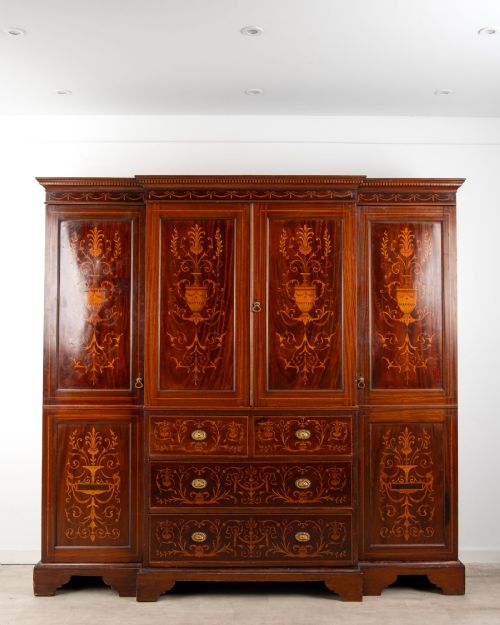
- A large fitted wardrobe or combination wardrobe designed to hold multiple categories of clothing efficiently. These pieces often feature internal drawers, sliding trays, and hanging space.
- Serpentine
- A curved shape featuring a convex centre flanked by concave ends, common on high-quality Georgian and Victorian sideboards and chests of drawers. This contour requires skilled carpentry to execute.
- Ormolu
- Gilded bronze ornamentation mounted onto furniture frames, seen on select nineteenth-century ebonised cabinets. The metallic finish contrasts sharply against dark polished timber.
- Marquetry
- The art of forming decorative patterns using thin veneers of different woods, shell, or ivory fitted together. Eighteenth-century Dutch examples rely heavily on this technique.
Inlaid Wooden Cabinet: Frequently Asked Questions
What periods do these cabinets date from?
The pieces span from the seventeenth century through the Georgian and Victorian eras into the Edwardian period and early twentieth century.
Designs reflect prevailing aesthetic shifts, moving from classical Georgian mahogany proportions to ornate Victorian ebonised finishes and lighter Edwardian satinwood creations.
How do I identify a Sheraton Revival piece?
Sheraton Revival furniture draws inspiration from late eighteenth-century neoclassical designs, typically showcasing light satinwood veneers and painted or inlaid classical motifs.
These items frequently date from the late Victorian or Edwardian periods rather than the original eighteenth-century Sheraton era.
What woods are most common?
Mahogany forms the structural base for many Georgian and Victorian items, while satinwood and burr walnut appear on decorative display pieces.
Inlay work frequently incorporates contrasting boxwood and ebony details to create sharp geometric or floral borders.
How were music cabinets used?
Music cabinets provided dedicated storage for sheet music and scores inside Victorian and Edwardian parlours.
They typically feature internal shelving or vertical compartments behind a single door or drop-front mechanism.