

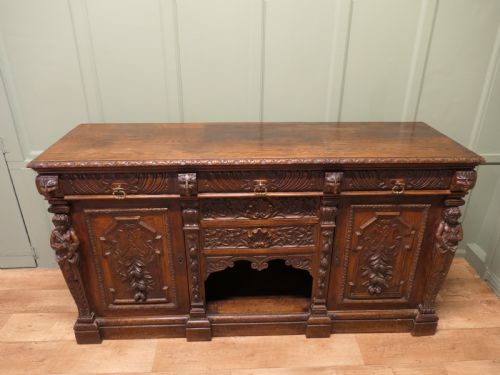
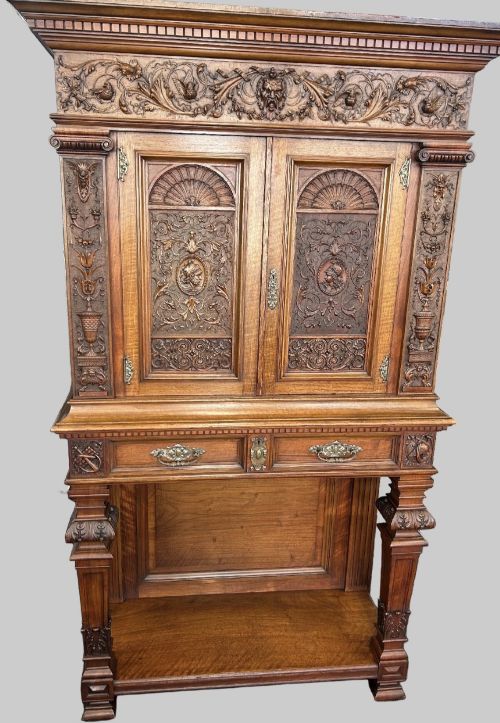
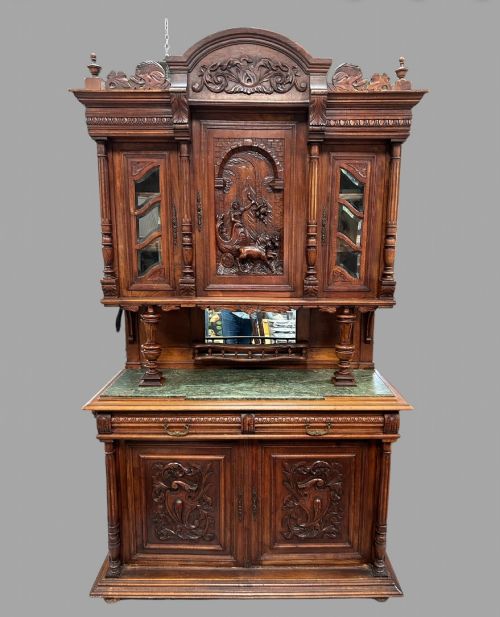
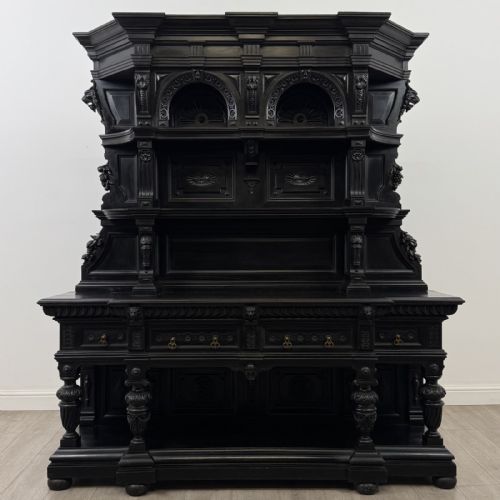
Renaissance Revival Cabinet
A renaissance revival cabinet brings the bold, sculptural forms of the sixteenth century into nineteenth-century interiors with heavy architectural carving and dark woods.

Renaissance Revival Cabinet
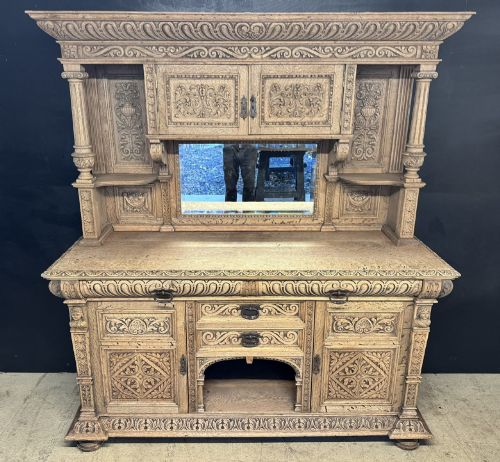
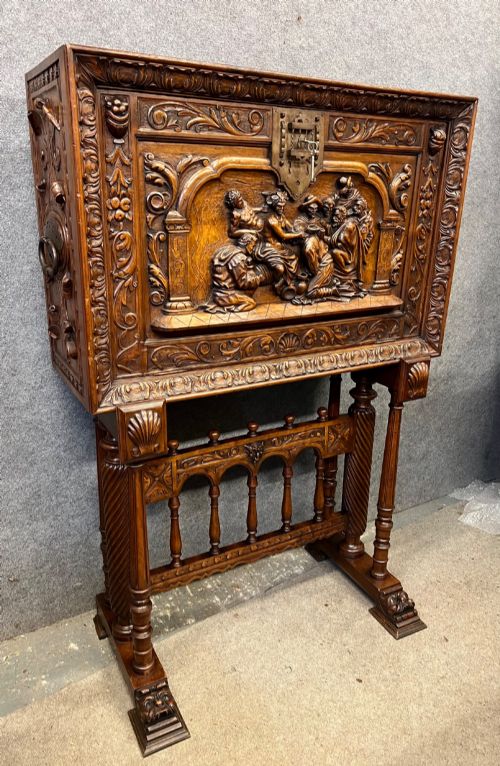
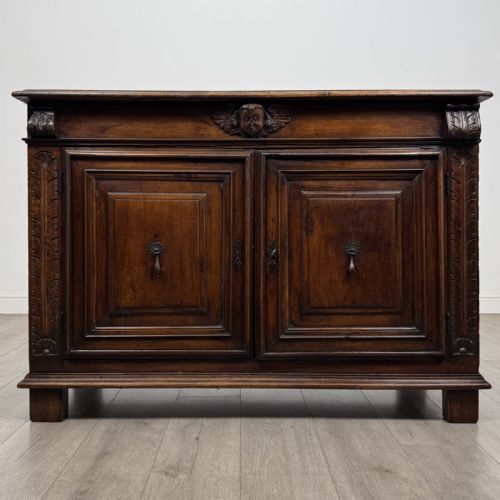
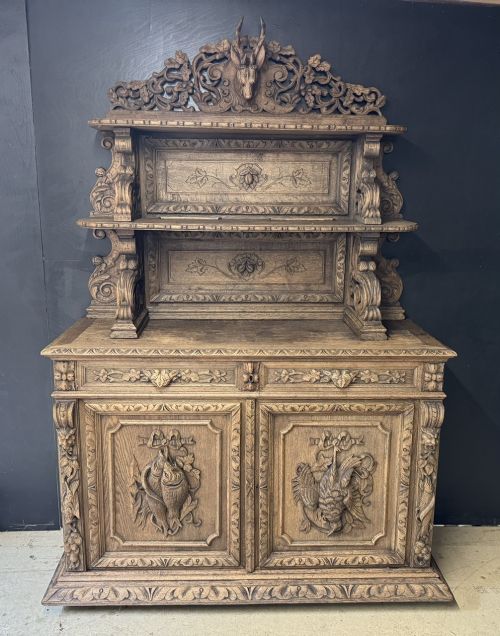
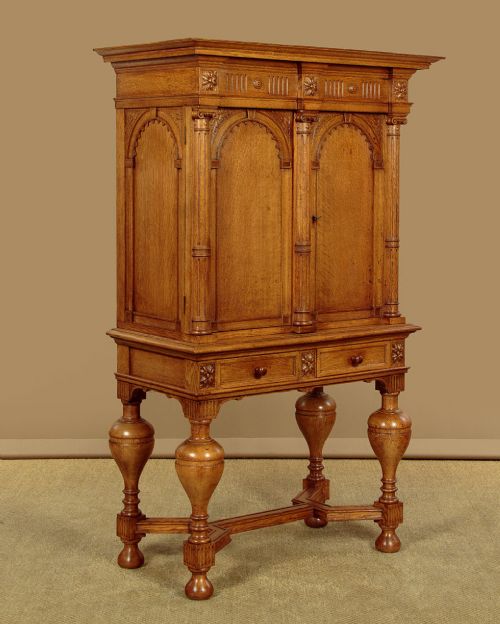
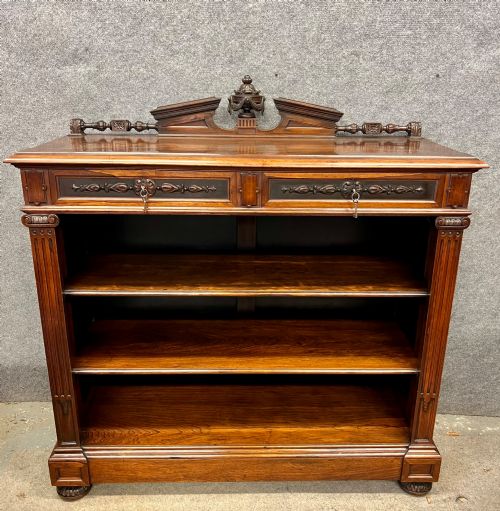
A renaissance revival cabinet draws upon historical motifs from sixteenth-century Europe, reinterpreted by nineteenth-century cabinetmakers during the Victorian era. These substantial storage pieces appear in various forms including bookcases, sideboards, buffets, and cabinets on stand, frequently reflecting regional French, Italian, Flemish, or English interpretations.
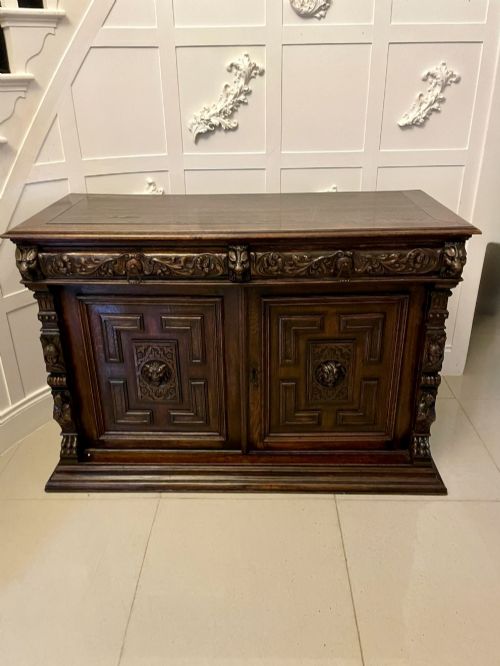
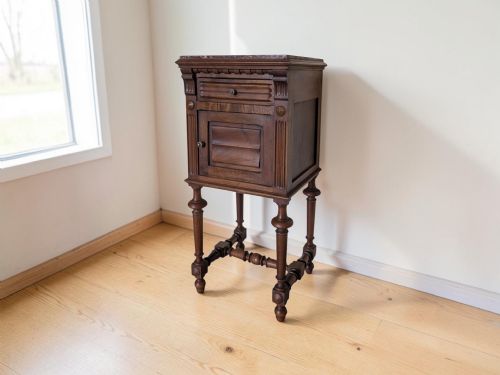
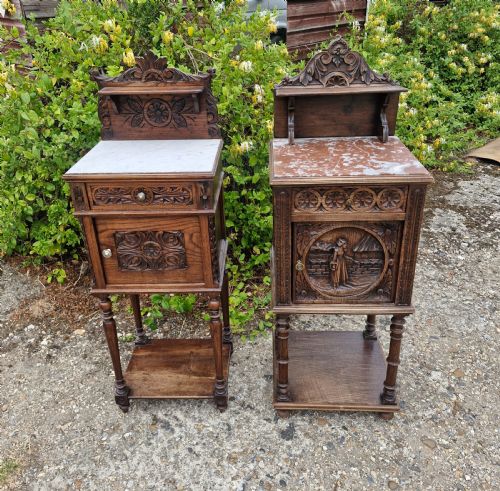
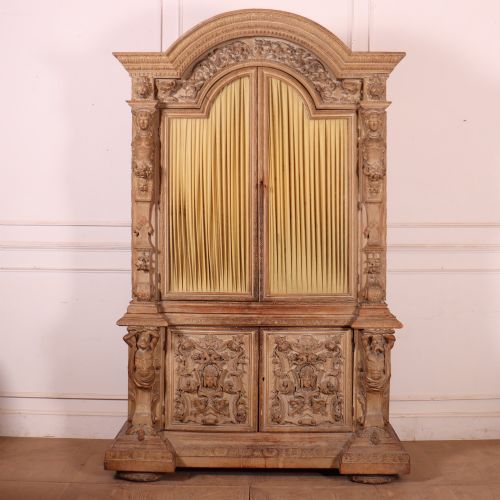
The version most commonly met on this page is constructed from solid or veneered oak, often featuring elaborate figural carvings, panelled doors, and architectural cornices. Examples range from compact bedside cupboards and pier cabinets to large hall cupboards and breakfront sideboards dating primarily from the mid to late nineteenth century.
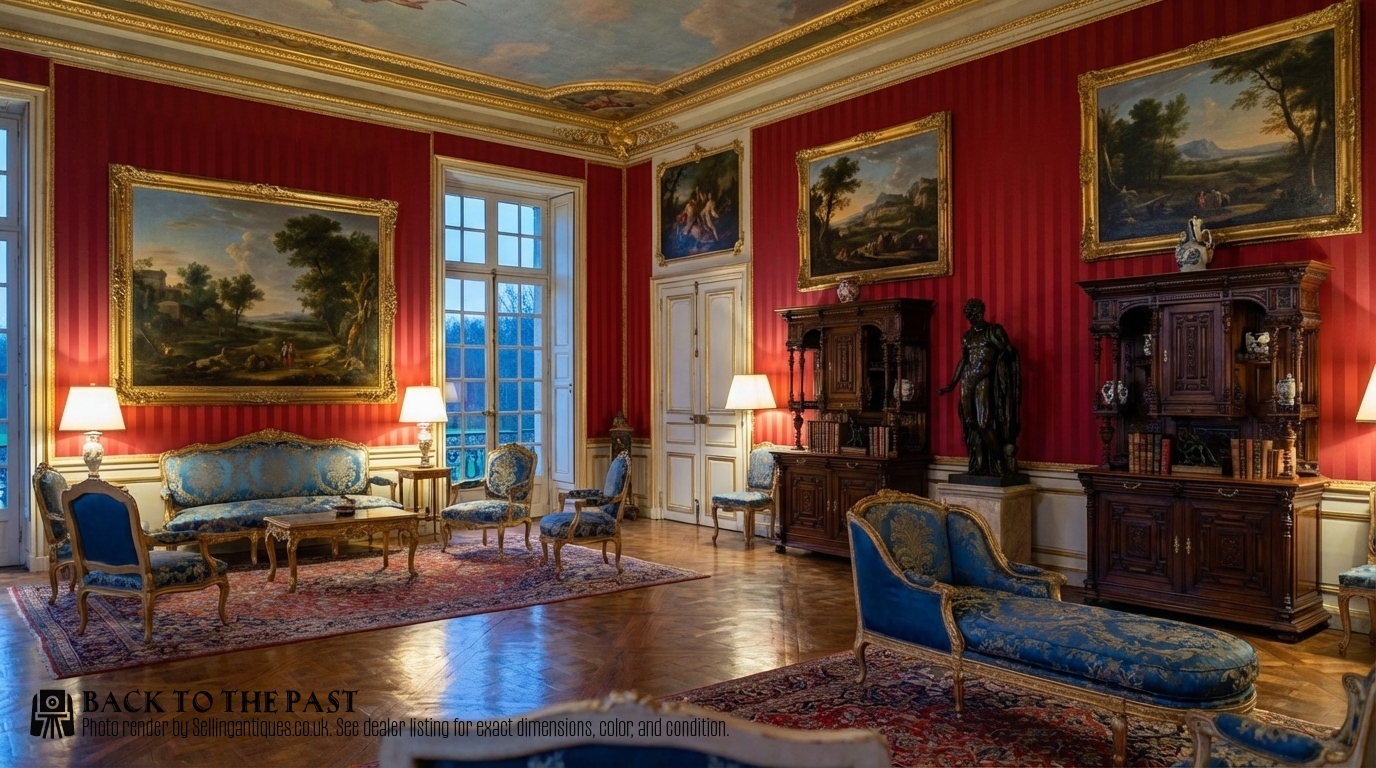
Materials and Construction
Makers relied heavily on oak and walnut for their structural stability and deep grain, which suited high-relief carving. Ebonised wood, rosewood, and pine also appear alongside decorative accents of brass, glass, mother-of-pearl, and marble.
Carpenters employed traditional joinery combined with deep chisel work to render mythological figures, lion masks, green men, and scrolling foliage. Surfaces were polished to highlight the natural dark tones of the timber.
Renaissance Revival Cabinet Retail Price Guide 2026
Typical asking prices for renaissance revival cabinet among the pieces listed under this phrase on Sellingantiques today, from the lower quarter to the upper quarter. They describe what is for sale here now, not the wider market.
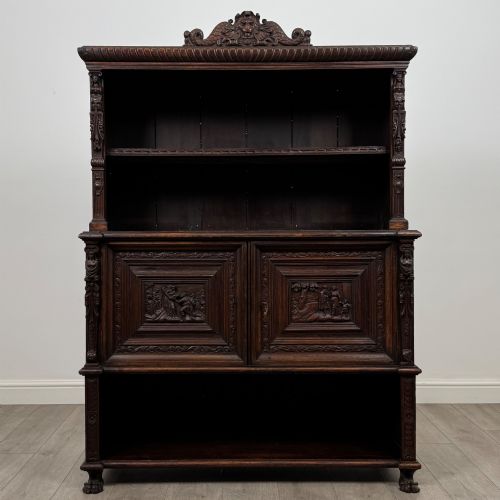
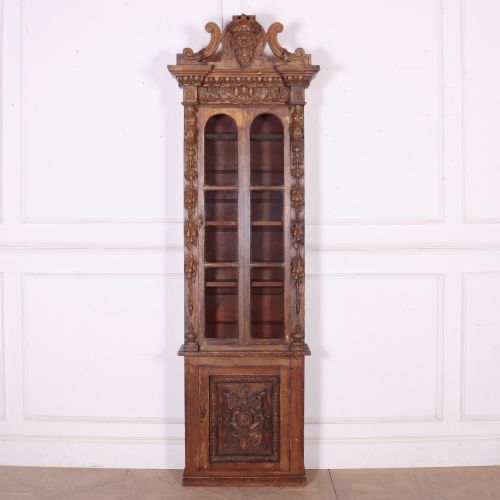
Green man carvings peer out from dark foliage across multiple oak bookcases, watching silently over the room.
Factors of Quality
The distinction between standard production and exhibition quality lies in the depth and crispness of the hand-carving. Superior pieces display finely detailed facial expressions, undercut foliage, and balanced proportions across architectural elements like pediments and pilasters.
Material selection dictates much of the distinction, where dense solid hardwoods and well-matched veneers elevate the visual weight. The integration of secondary materials, such as heavy brass hardware or fitted marble tops, indicates a higher grade of commission.
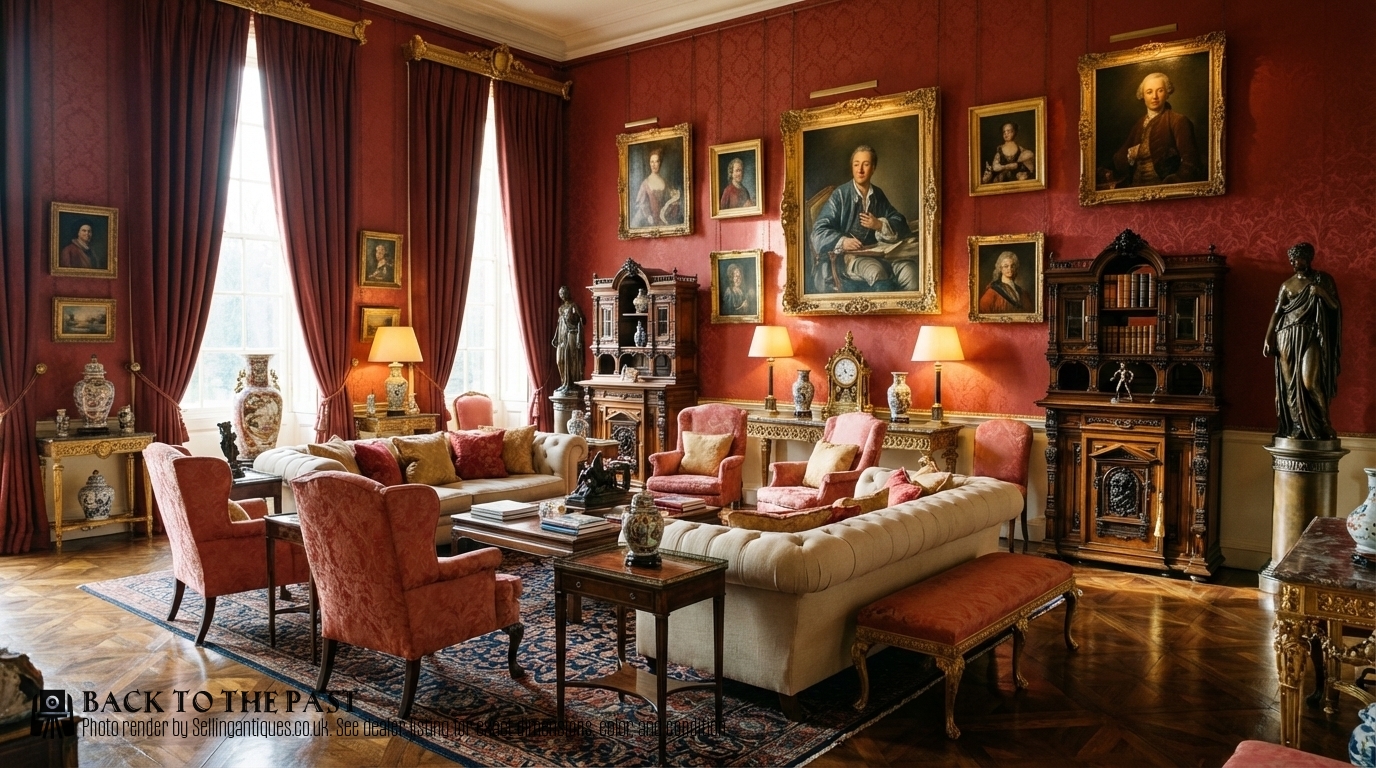
Gordovil Spain
The Renaissance Revival Cabinet Glossary
- Renaissance Revival
- A nineteenth-century design movement that resurrects classical sixteenth-century architectural motifs, columns, and figural reliefs. This style dominated Victorian reception rooms and libraries.
- Cabinet on Stand
- A raised storage compartment supported by an open framework or integrated legs. This form lifts the main body of the furniture off the floor to display elaborate underframes.
- Green Man
- A sculptural architectural ornament depicting a human face surrounded by or sprouting from foliage. It symbolises rebirth and appears frequently in nineteenth-century woodcarvings.
- Buffet
- A sideboard or low storage unit traditionally used for food service and display. These pieces often feature tiered shelving and heavy lower cupboards.
- Vitrine
- A glass-panelled display cabinet designed to showcase ceramics and curiosities. The wooden frame typically incorporates revivalist carvings to match surrounding furniture.
Renaissance Revival Cabinet: Frequently Asked Questions
What is a renaissance revival cabinet?
A renaissance revival cabinet is a nineteenth-century storage piece decorated with classical motifs inspired by sixteenth-century European design. These heavy wooden items draw upon architectural elements like columns, pediments, and deep relief carvings.
Cabinetmakers of the Victorian period produced these works in various forms, from tall bookcases to low sideboards, using dark timbers such as oak and walnut to achieve a dramatic historical aesthetic.
How were these cabinets used?
These pieces served practical storage and display functions in formal rooms of the nineteenth-century home. Larger sideboards and buffets held dining silver and linens, while bookcases and vitrines displayed prized libraries and collections.
Bedside cabinets and small cupboards provided concealed storage in private quarters, maintaining the grand decorative scheme throughout the entire residence.
How do I style one today?
A renaissance revival cabinet commands visual attention in a modern interior due to its dark wood and heavy carving. Allow the piece to stand against a neutral wall where its architectural details can be fully appreciated without visual competition.
Pair the rich timber tones with simple modern seating or minimalist lighting to create a balanced contrast between historical weight and contemporary space.
How do I date these cabinets?
Dating relies primarily on stylistic clues, construction methods, and material combinations recorded across nineteenth-century examples. Most items on record stem from the Victorian period between eighteen-fifty and nineteen-hundred, identified by machine-assisted joinery alongside hand-carved details.
Regional variations, such as Flemish lion masks or French provincial mouldings, help narrow the origin while matching the broader revival movements of the era.