

Carved Wood Credenza
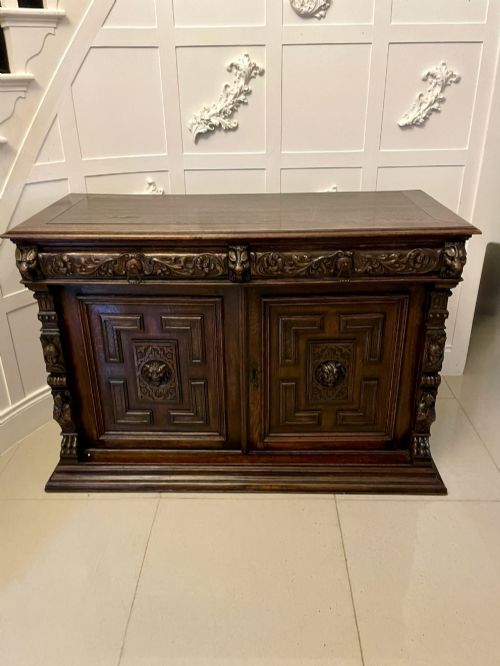
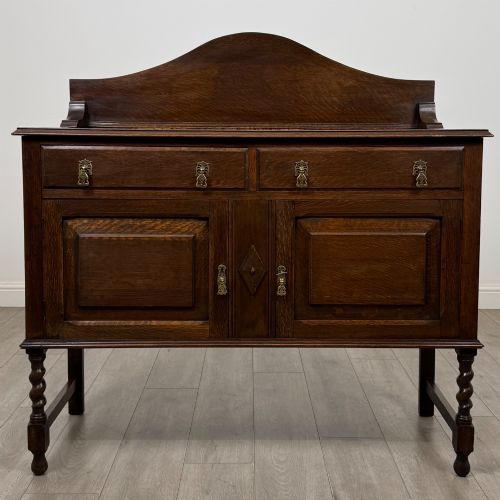
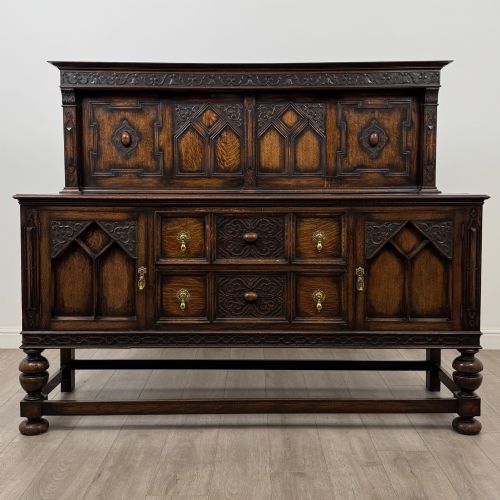
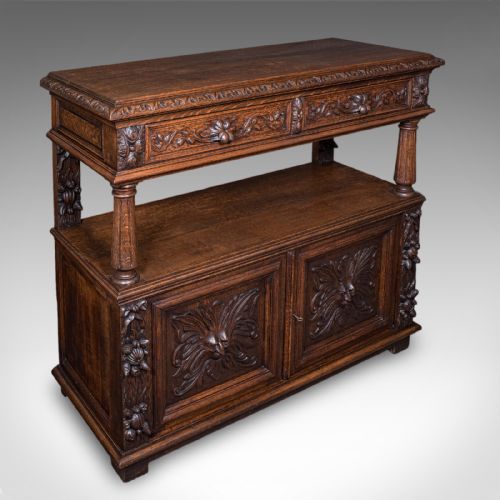
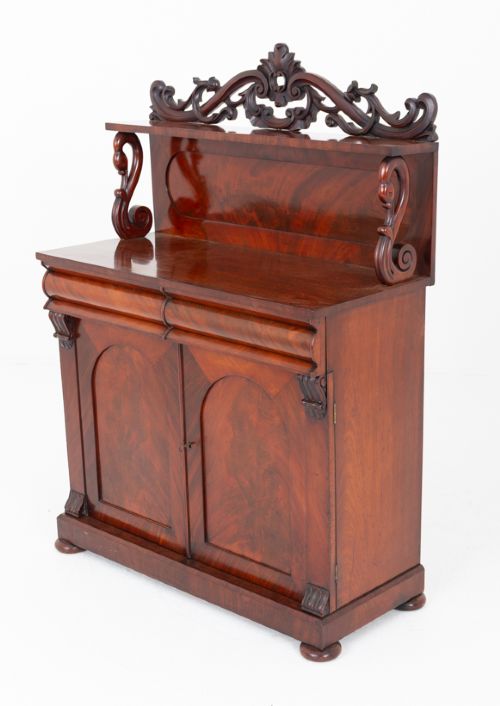
A carved wood credenza brings presence to a room, offering substantial timber work and surface display through Victorian and Edwardian forms.
Identifying the carved wood credenza
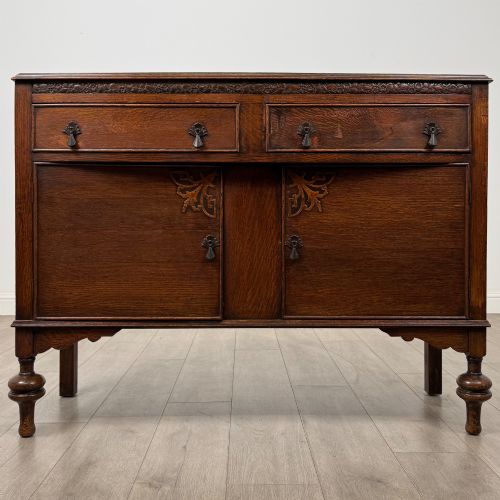
When you search for a carved wood credenza, you encounter substantial storage furniture primarily originating from the nineteenth century, including Victorian and Edwardian periods. These pieces bridge the categories of sideboards, cabinets, and display furniture.
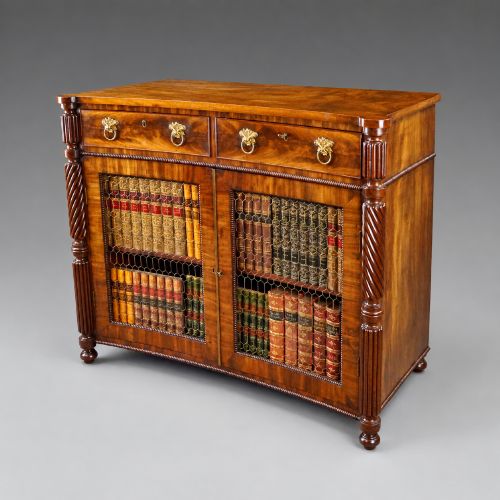
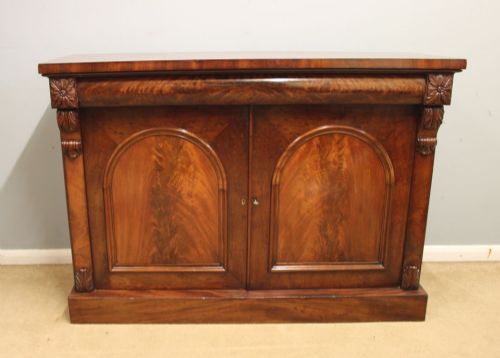
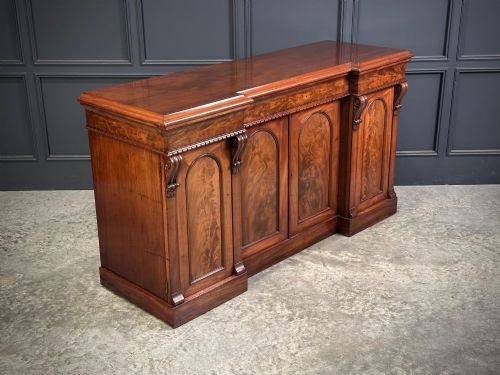
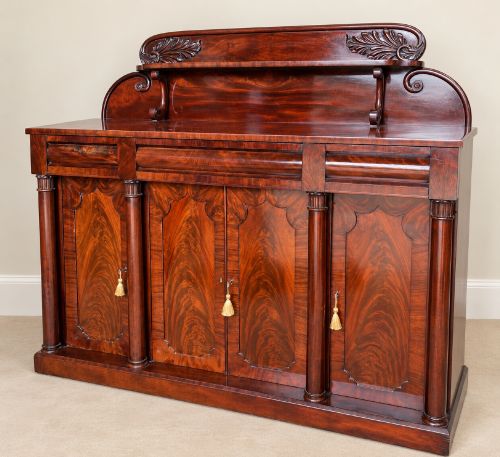
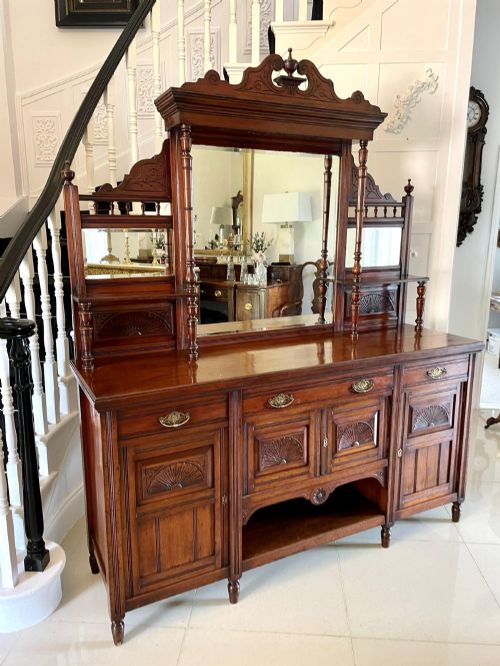
The most common versions on this page are walnut and mahogany sideboards and mirror-back cabinets from around eighteen-eighty, alongside earlier exhibition pieces from eighteen-sixty. They often incorporate glass doors and brass mounts.
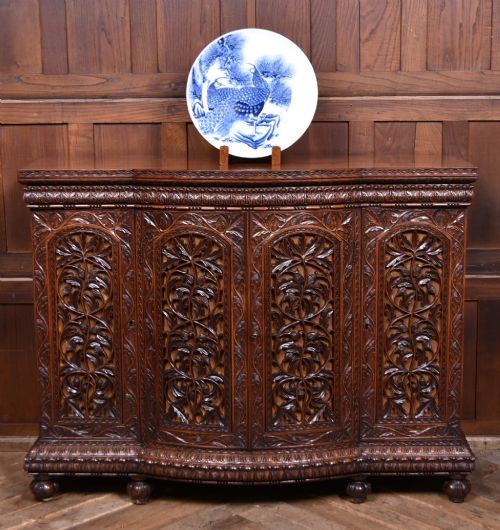
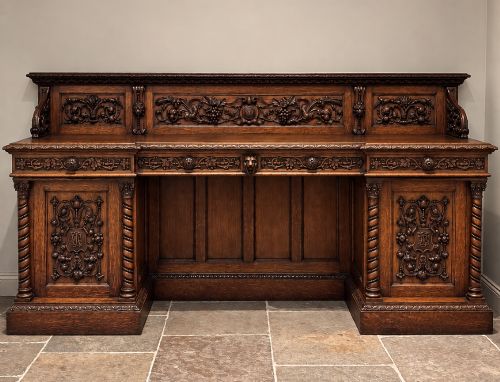
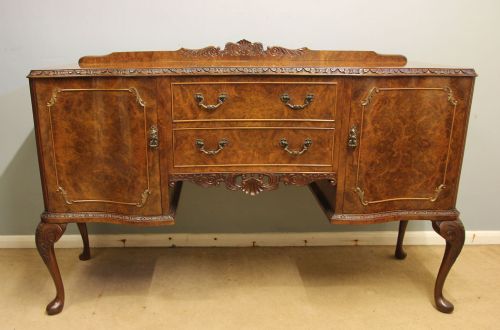
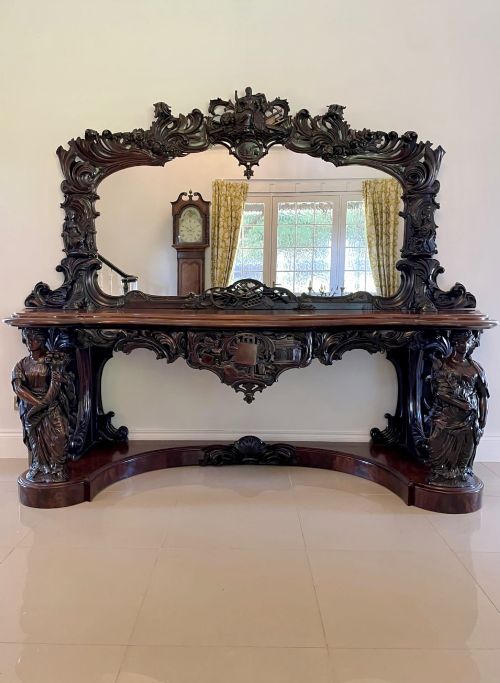
Forms range from serpentine marquetry credenzas to large four-door cupboards and mirror-backed sideboards in pollard oak and olive wood. Each piece demonstrates the heavy timber construction favoured in nineteenth-century formal interiors.
Materials and construction methods
Construction relies on dense cabinet timbers such as mahogany, walnut, oak, pollard oak, and olive wood. These are frequently shaped into serpentine fronts and fitted with carved ornamentation.
Workshops integrated decorative elements including ormolu mounts, brass hardware, inset mirrors, and glass panels. Marquetry surfaces demonstrate precise timber inlay techniques across the cabinet doors.
Retail Price Guide 2026
Typical UK retail prices for carved wood credenza, calculated from the Sellingantiques database of over a million retail prices indexed since 2003. This retail price guide relies exclusively on Sellingantiques data; no external sources or auction records are used, so the figures do not describe the wider market.
Listings feature nineteen-century pieces in walnut, mahogany, oak, pollard oak, and olive wood, spanning Victorian and Edwardian periods.
Evaluating quality and execution
Quality reveals itself in the depth and crispness of the timber carving and the complexity of the cabinet silhouette, such as serpentine curves. Pieces designated as exhibition quality show finer marquetry and superior timber selection.
The integration of secondary materials like ormolu, brass, and mirror glass separates standard storage pieces from high-status furniture. Maker attribution also elevates the standing of certain nineteenth-century examples.
Maple And Co
The Carved Wood Credenza Glossary
- Credenza
- A low cabinet or sideboard designed for storage and display, frequently featuring glass doors or central cupboards. It serves as a formal serving surface or focal point in a dining room.
- Marquetry
- The art of applying small pieces of veneer to a structure to form decorative patterns and pictures. This technique defines the surface of high-status nineteenth-century cabinets.
- Ormolu
- Gilded bronze mounts applied to furniture for decorative effect. It accentuates the corners and panels of premium Victorian pieces.
- Pollard Oak
- Timber taken from trees that have been pollarded, producing a heavily knotted and textured grain pattern. Cabinetmakers prized this wood for its decorative appearance on door panels.
- Serpentine
- A furniture front characterised by a curving line that convexly bulges in the centre and concavely recedes at the sides. This shape requires advanced woodworking skill.
Frequently Asked Questions
What is a credenza?
A credenza is a low storage cabinet traditionally used for displaying objects or serving food. Nineteenth-century examples often feature enclosed cupboards and mirror backs.
They function well in modern dining rooms or large hallways as both storage and display surfaces.
How old are these pieces?
The pieces listed date from the nineteenth century, primarily spanning the Victorian and Edwardian eras. Specific dates like eighteen-sixty and eighteen-eighty appear in the records.
Construction methods and timber choices reflect the prevailing styles of these decades.
What woods were used?
Cabinetmakers utilised dense hardwoods including mahogany, walnut, oak, pollard oak, and olive wood. These timbers provided stable bases for heavy carving and veneer work.
Some examples incorporate contrasting inlays or gilt wood and gesso highlights.
How do I style one?
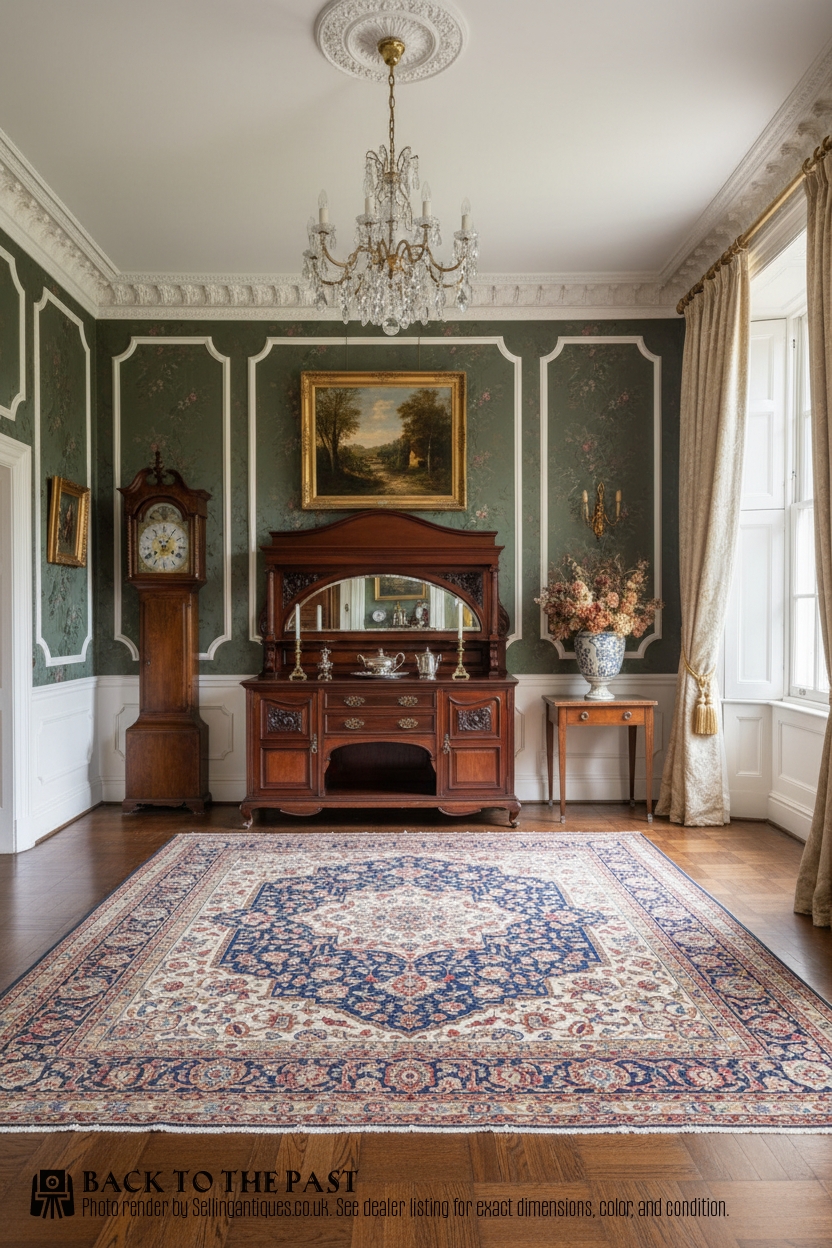
Place the piece against a substantial wall in a dining room or living space where its proportions can be appreciated. The top surface and mirror back allow for the display of ceramics or silver.
Ensure the surrounding furniture complements the dark timber tones and nineteenth-century aesthetic.