




Pollard Oak Sideboard
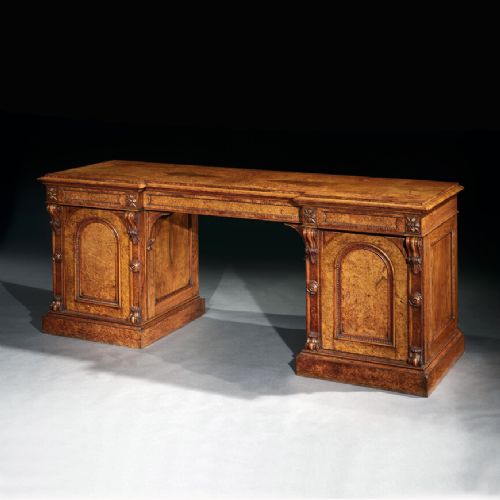
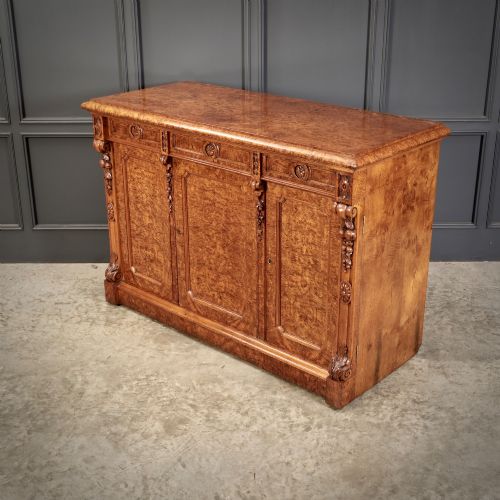
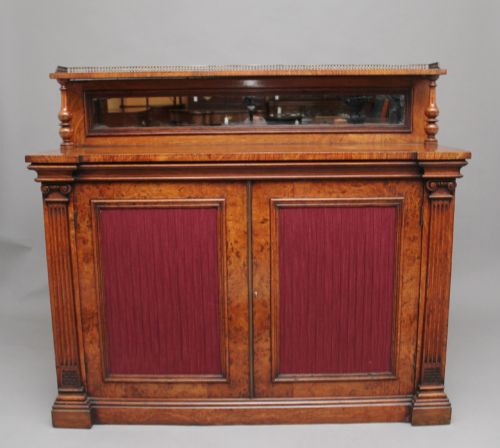
A pollard oak sideboard brings deep swirling grain patterns and dark knot clusters into a room, offering grand storage through nineteenth-century craftsmanship.
Pollard Oak Sideboard
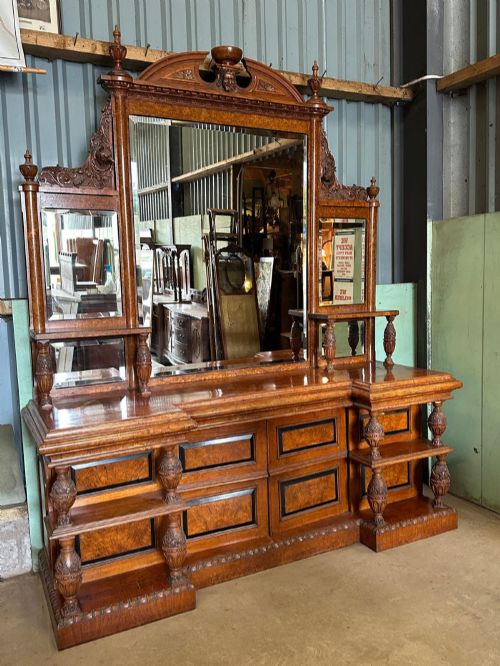
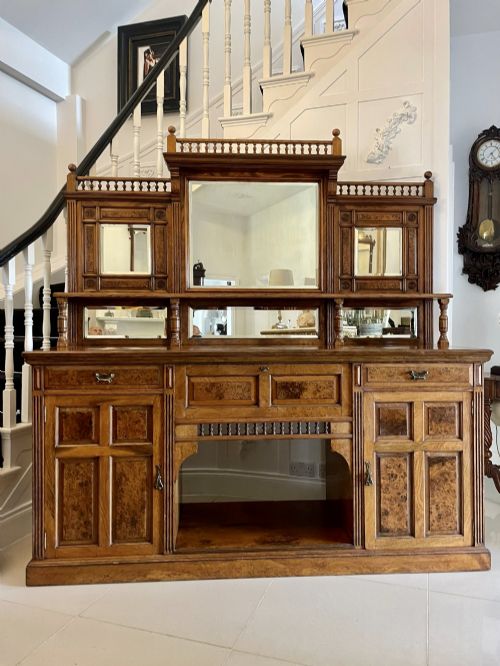
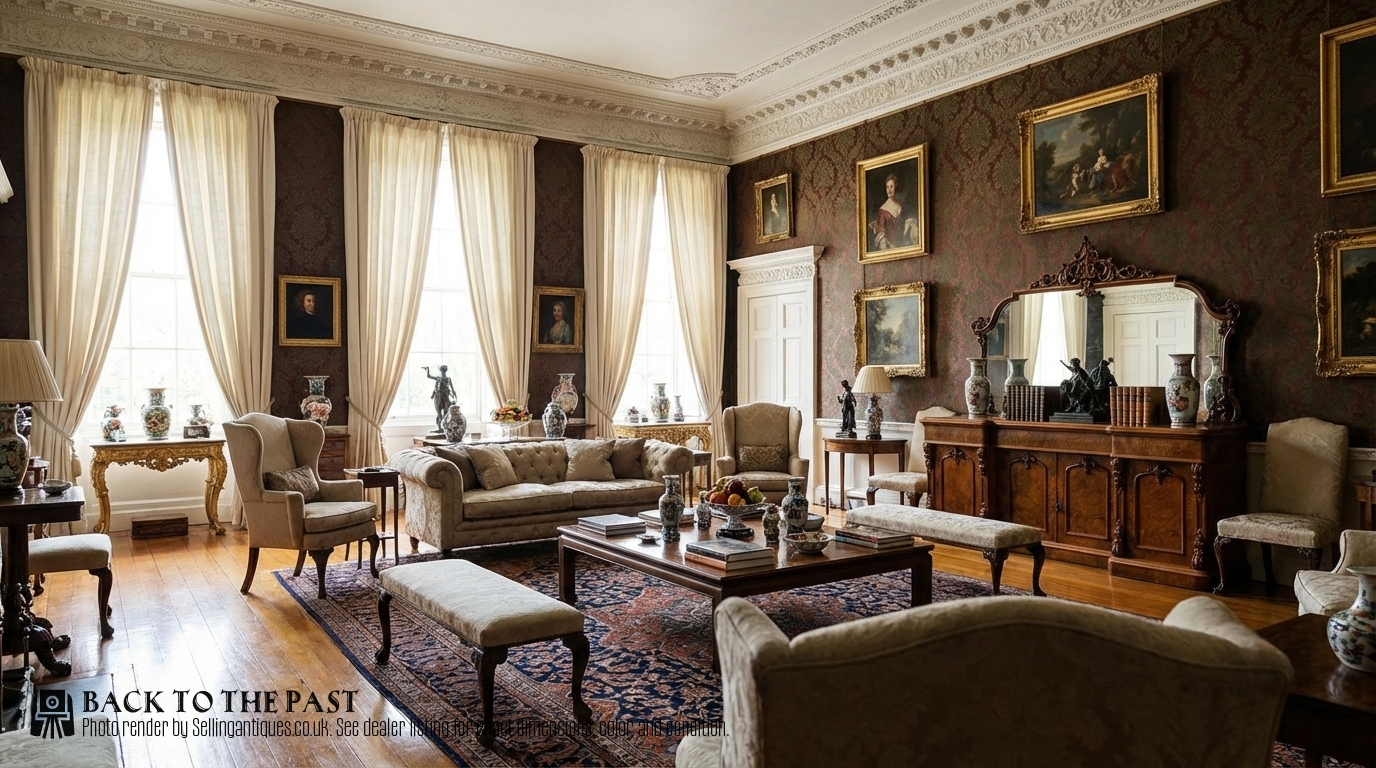
When you search for a pollard oak sideboard, you enter a distinct world of nineteenth-century dining room furniture. The pieces here range from compact chiffoniers and pedestal sideboards to large mirror-backed credenzas.
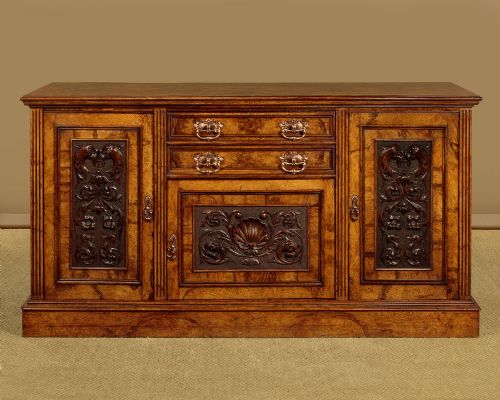
Victorian examples dominate the selection, often taking the form of three or four-door buffet servers with carved details. Earlier Regency pieces appear occasionally as side cabinets, showing restrained lines and contrasting timber inlays.
Makers utilised the distinctive timber to create heavy, impressive storage units for formal dining spaces. Most surviving examples date from the mid to late nineteenth century, reflecting the height of domestic display.
Materials and construction
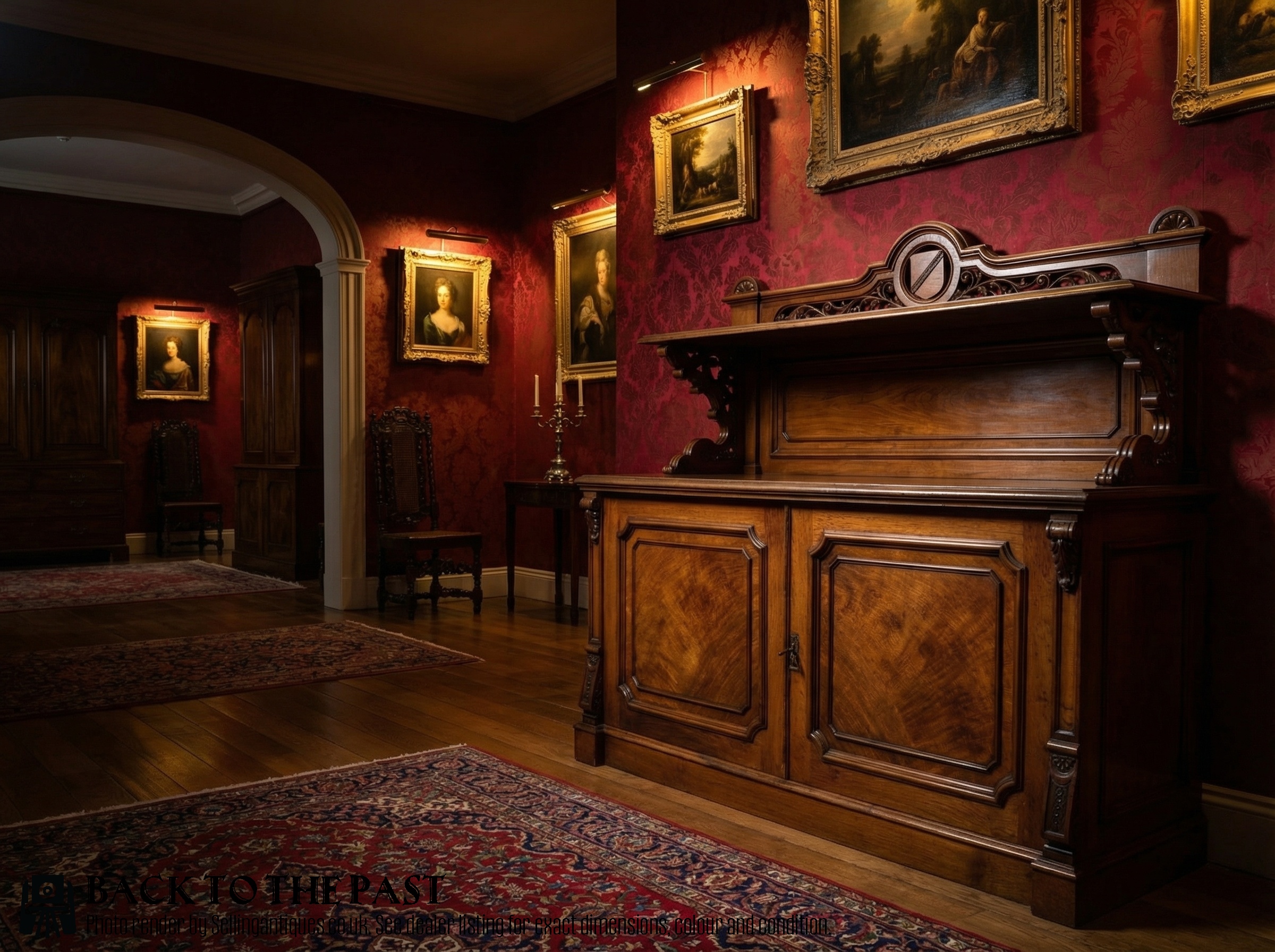
Cabinet makers built these pieces using solid oak frames veneered with pollard or burr oak, selecting sections rich in circular knot clusters. They often combined the wild grain of the pollard oak with contrasting dark timber such as ebony, walnut, or specimen woods.
Hardware played a functional and decorative role, with brass fittings securing doors and drawers. Mirror backs, added to many Victorian pieces, required sturdy wooden superstructures to support heavy glass plates above the sideboard base.
Pollard Oak Sideboard Retail Price Guide 2026
Typical asking prices for pollard oak sideboard among the pieces listed under this phrase on Sellingantiques today, from the lower quarter to the upper quarter. They describe what is for sale here now, not the wider market.
Listings feature sideboards, credenzas, and chiffoniers spanning the Regency, Victorian, and Gothic Revival styles.
Qualities that set pieces apart
Quality rests primarily in the selection and matching of the veneer across large cabinet surfaces. The best examples display dense, evenly distributed knot clusters that catch the light, whereas lesser pieces show sparse or clumsily joined grain.
Carving depth and the integration of mirror-backed superstructures also define the tier of the piece. Workshops known for high-end cabinet work employed crisp, confident carving and robust construction methods that survive intact today.
Lamb of Manchester
The Pollard Oak Sideboard Glossary
- Pollard oak
- Timber taken from trees that were pollarded by having their branches cut back close to the trunk, producing dense clusters of knots and swirling grain patterns. This distinctive figuring makes the wood highly desirable for decorative furniture veneers.
- Sideboard
- A large dining room piece designed for storing tableware, linen, and serving food. Forms on this page include mirror-backed credenzas, chiffoniers, and pedestal sideboards.
- Mirror back
- A wooden superstructure rising above the sideboard top, incorporating a large mirror plate. This feature became popular during the Victorian period to reflect light and display decorative objects.
- Chiffonier
- A low cabinet with doors, similar to a small sideboard, often fitted with a shelf on top. These pieces offered practical storage in smaller nineteenth-century parlours.
- Gothic Revival
- A nineteenth-century architectural and decorative style drawing inspiration from medieval forms. Pieces in this style often feature pointed arches, heavy linenfold carving, and structural vigour.
Pollard Oak Sideboard: Frequently Asked Questions
What is pollard oak?
Pollard oak comes from trees pruned near the trunk to encourage dense branch growth, which creates unique circular knots in the grain. Cabinet makers sliced this timber into veneers to cover large surfaces on high-status furniture.
The resulting patterns give each sideboard a turbulent, decorative texture that standard straight-grained oak lacks. This made the wood a favourite for grand nineteenth-century dining rooms.
How do I date a pollard oak sideboard?
Most pieces date from the Victorian era, typically between eighteen-fifty and eighteen-eighty, identifiable by their heavy proportions and decorative carvings. Earlier Regency examples show simpler, cleaner lines with contrasting dark wood inlays.
Mirror-backed superstructures and Gothic Revival details point firmly toward the middle and late decades of the nineteenth century. Examining the construction of the interior drawers and backboards helps confirm the period.
Where were these sideboards used?
These large storage units stood in formal nineteenth-century dining rooms to hold heavy porcelain, silver, and table linen. Servants also used the top surface to plate food before bringing it to the dining table.
Today, they function well in spacious living rooms, hallways, or modern dining spaces as statement storage pieces. Their deep cupboards easily accommodate contemporary household items.
How do I care for pollard oak furniture?
Keep pollard oak sideboards away from direct sunlight and strong heat sources to prevent the decorative veneers from drying out and lifting. Regular dusting with a soft, dry cloth maintains the finish without needing harsh polishes.
Treat the wood occasionally with appropriate wax to nourish the grain and preserve the deep lustre of the timber. Ensuring a stable room temperature protects both the oak and any inset mirror glass.