


Antique Mirror Back Credenza
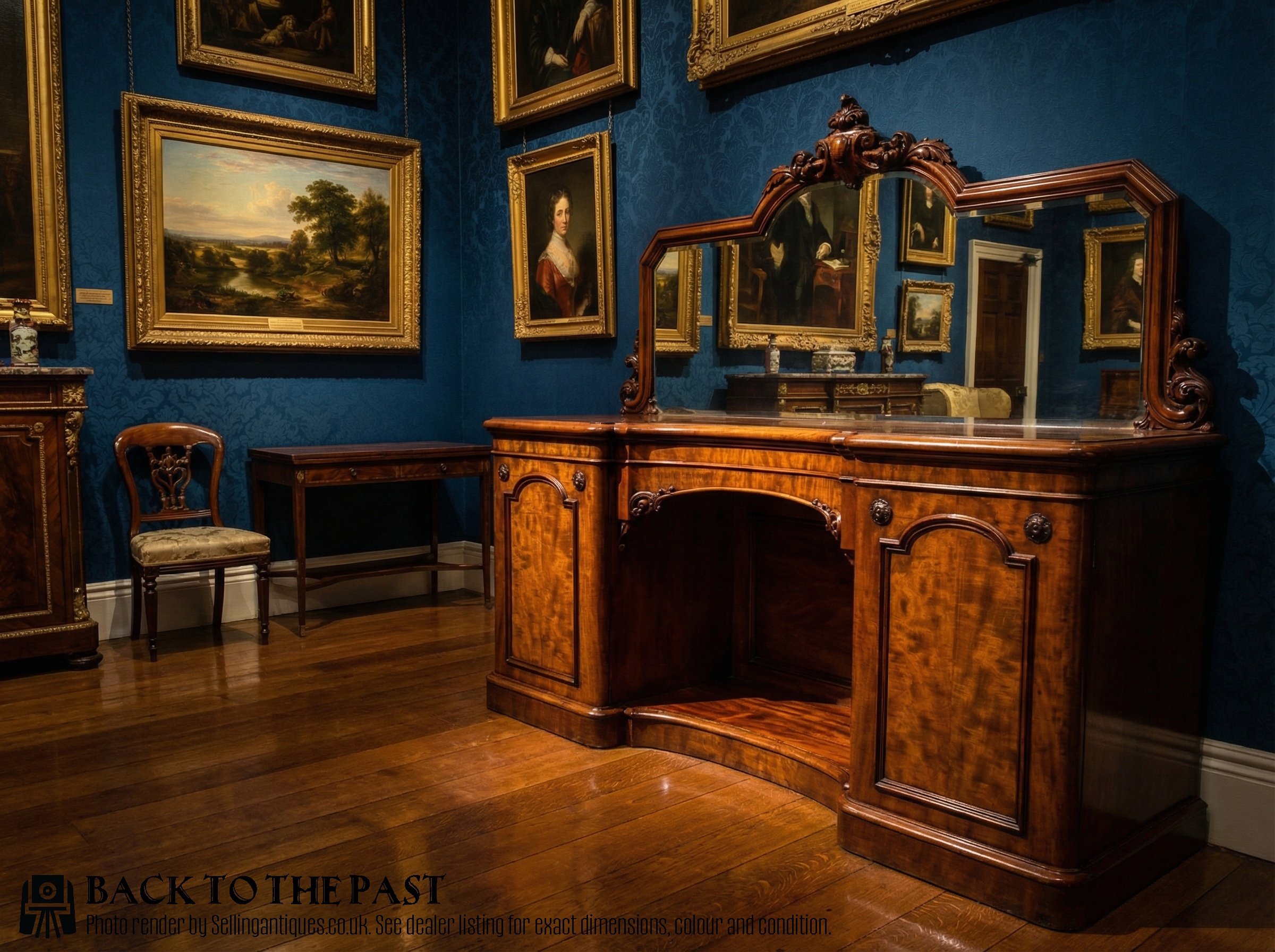
An antique mirror back credenza combines deep timber cabinetry with reflective glass to anchor a formal interior.
Antique Mirror Back Credenza
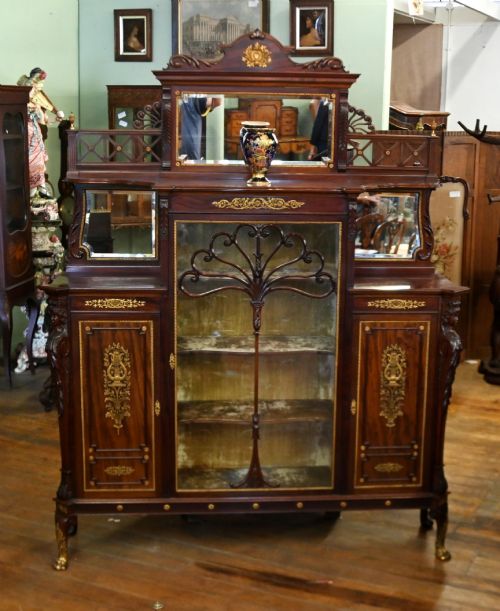
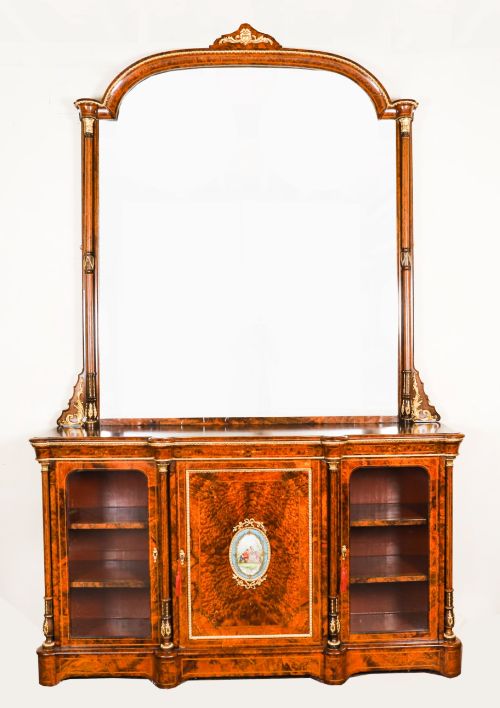
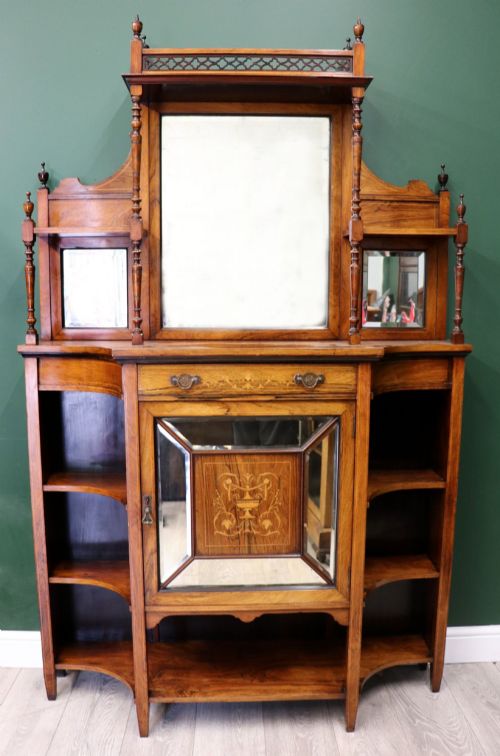
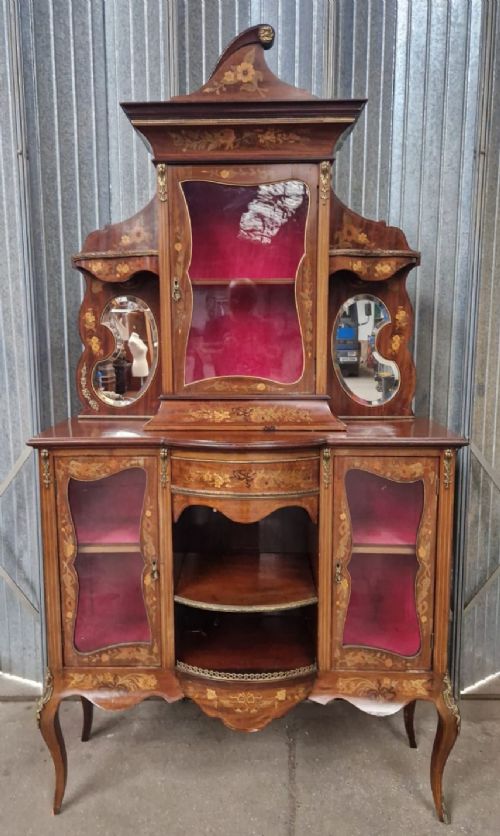
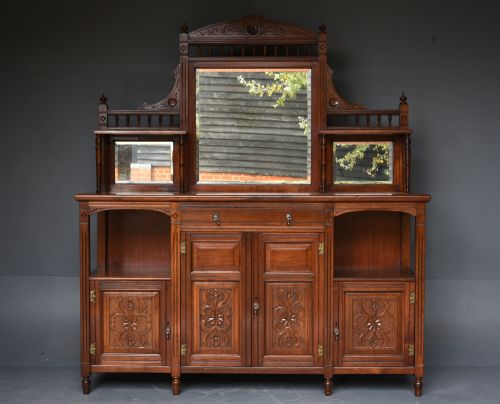
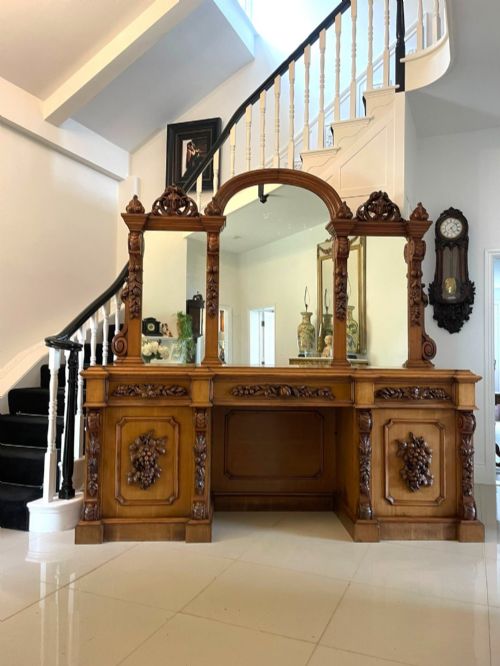
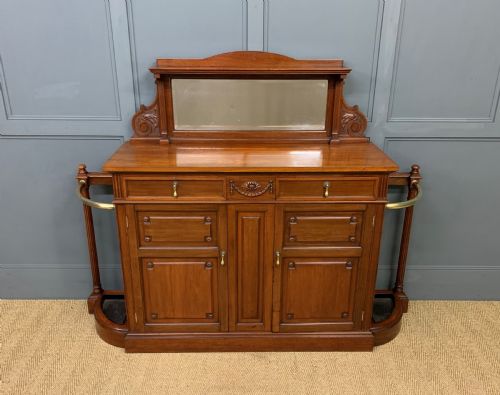
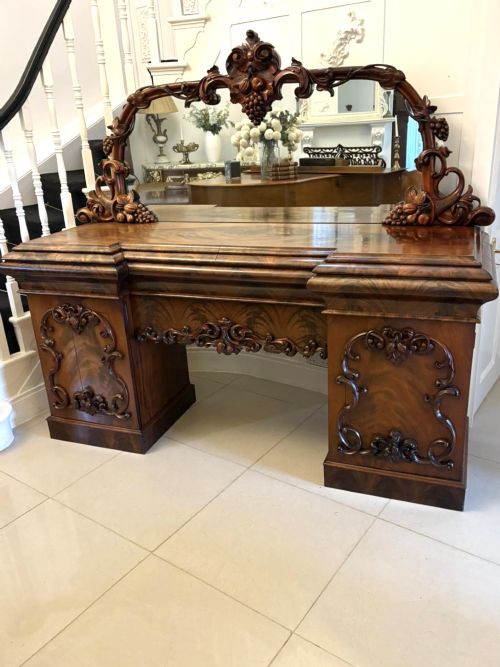
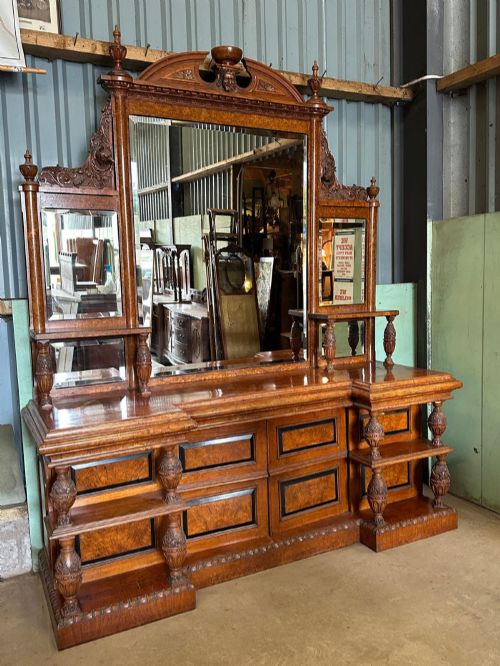
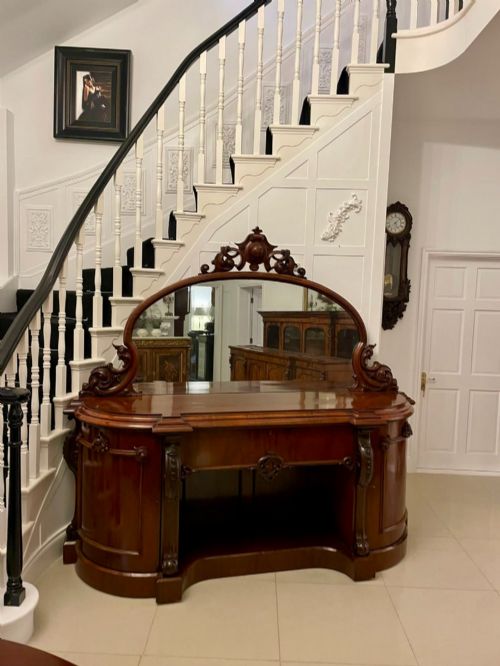
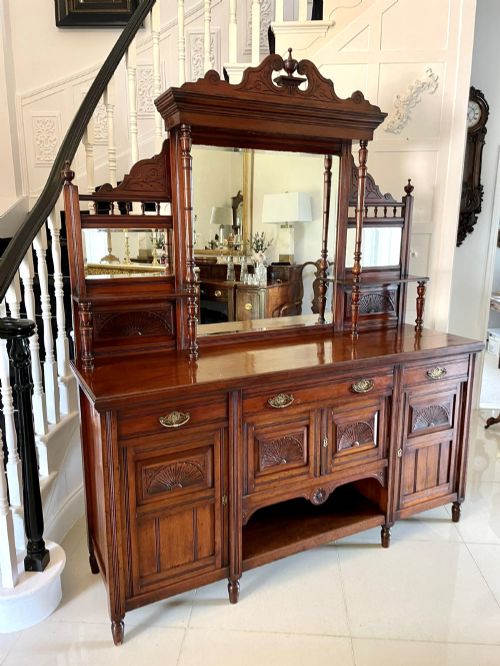
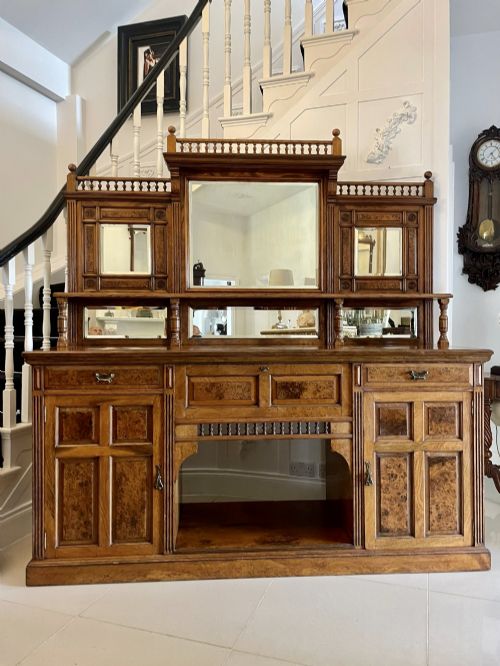
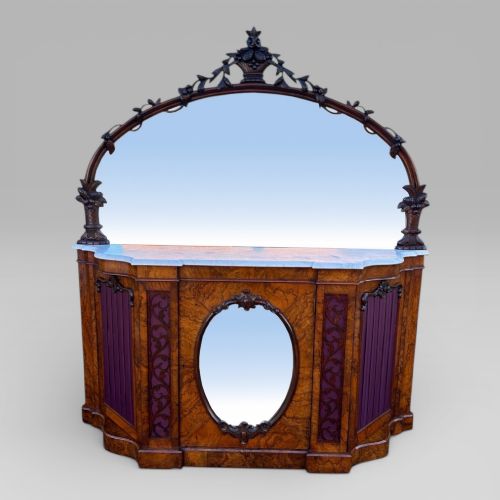
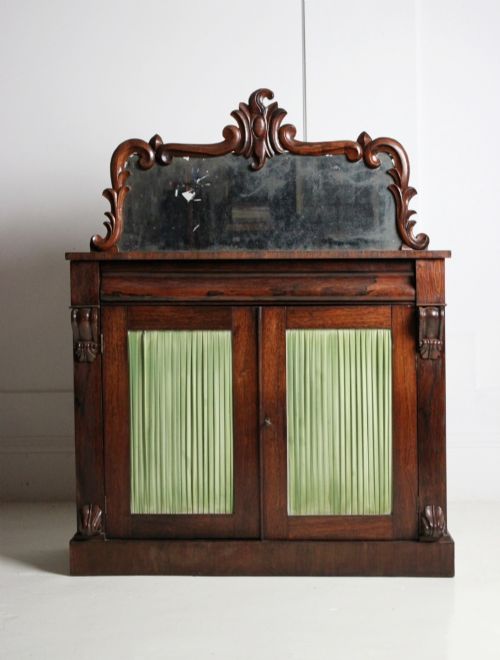
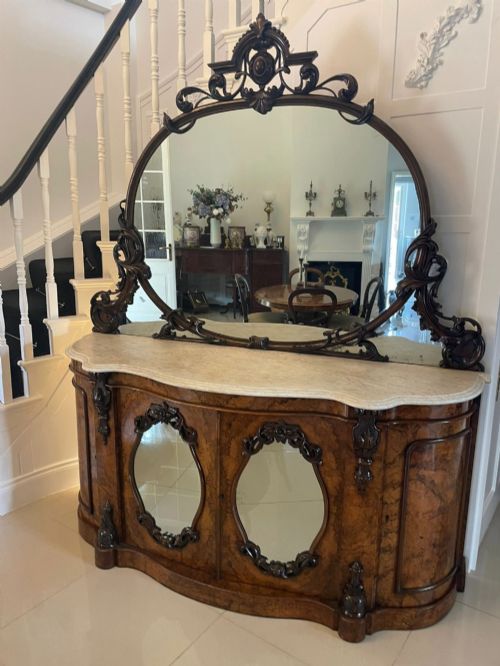
An antique mirror back credenza is a substantial nineteenth-century storage piece designed to display and conceal dining or parlour items. You will frequently encounter Victorian examples in burr walnut and carved mahogany, alongside Edwardian variations.
The form bridges the gap between a low sideboard and a display cabinet, placing an integrated mirror above a timber base. These pieces originate primarily from nineteenth-century workshops spanning the Victorian and Edwardian eras.
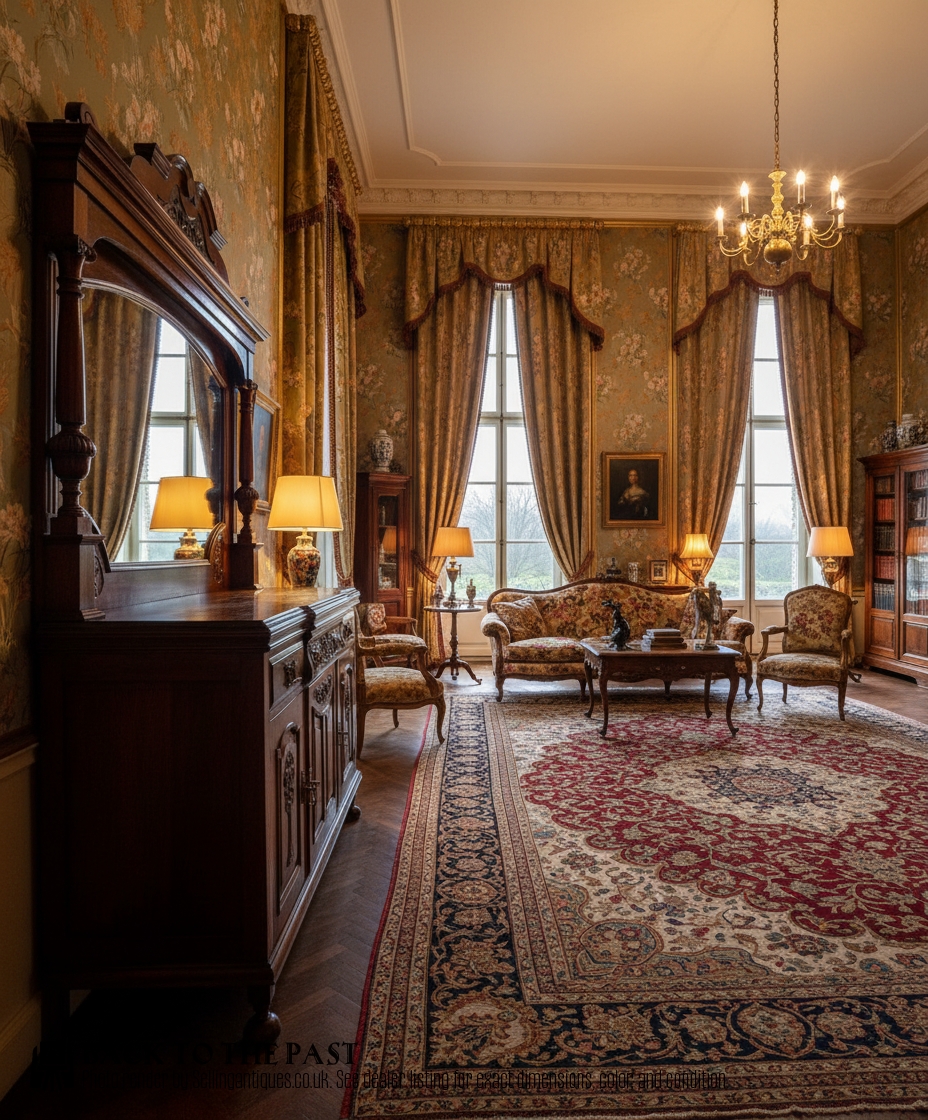
Makers utilised these large case pieces for principal reception rooms, where the upper mirror amplified light and reflected the room. Surviving examples demonstrate how cabinetmakers adapted the sideboard format to suit changing domestic fashions.

Materials and Construction
Cabinetmakers constructed the foundational carcase from dense hardwoods such as mahogany, rosewood, and oak, often applying decorative veneers of burr walnut to the primary display surfaces. These timbers provide the structural stability required to support heavy glass plates.
The upper section incorporates mirror glass secured by carved wooden frames, whilst brass mounts occasionally accent the timber doors and drawers. Joinery methods rely on traditional cabinet techniques to join solid wood and veneered panels securely.
Antique Mirror Back Credenza Retail Price Guide 2026
Typical asking prices for mirror back credenza among the pieces listed under this phrase on Sellingantiques today, from the lower quarter to the upper quarter. They describe what is for sale here now, not the wider market.
Victorian butlers certainly appreciated the mirror back for discreetly keeping an eye on the parlour whilst polishing the silver.
Craftsmanship and Proportion
Superior examples distinguish themselves through the selection of highly figured burr veneers and crisp, deep hand-carving on the solid timber mouldings. The integration of the upper mirror frame with the lower cabinet requires precise joinery to maintain structural harmony.
Better quality pieces display careful attention to interior fittings, secondary timbers, and original brass hardware, whereas simpler versions rely on plain mahogany or oak without elaborate ornamentation.
Shoolbred & Co.·Collinson & Lock·Holland & Sons·Gillows
The Antique Mirror Back Credenza Glossary
- Chiffonier
- A compact sideboard or low cabinet equipped with shelves and an enclosed lower section. It evolved during the nineteenth century alongside the larger credenza.
- Burr Walnut
- Wood cut from a walnut tree growth or burl, yielding swirling, highly decorative grain patterns. Cabinetmakers applied it as a veneer to the finest Victorian case furniture.
- Pedestal Sideboard
- A heavy sideboard featuring two substantial structural pedestals supporting the main top board. These pieces frequently date from the mid-nineteenth century.
- Marquetry
- The art of applying decorative pieces of veneer to a structure to form intricate pictorial designs. Craftsmen utilised contrasting woods to create geometric or floral patterns on cabinet doors.
Antique Mirror Back Credenza: Frequently Asked Questions
Where should I place an antique mirror back credenza?
These pieces suit formal dining rooms, large hallways, or spacious living areas where a substantial focal point is required. The integrated mirror works effectively when positioned opposite a window to catch natural light.
Ensure the floor is level and solid, as these timber cabinets carry considerable weight. Leave sufficient clearance around the base to allow cupboard doors to open fully without obstruction.
How do I care for the timber and mirror glass?
Dust the mahogany, walnut, or oak surfaces regularly with a soft, dry cloth to prevent dirt accumulation. Apply appropriate furniture wax sparingly to maintain the finish without building up a heavy residue.
Clean the mirror glass using a mild glass cleaner applied to a cloth rather than sprayed directly, ensuring moisture does not seep behind the silvered backing or into the surrounding wood frame.
How do I distinguish Victorian from Edwardian examples?
Victorian pieces from the mid to late nineteenth century often feature heavier proportions, dark mahogany or burr walnut timbers, and deep, elaborate hand-carving. Details frequently include heavy mouldings and ormolu mounts.
Edwardian items from the early twentieth century tend to present lighter construction, simpler Arts and Crafts influences, or brighter oak and mahogany finishes with less ornate decorative carving.