
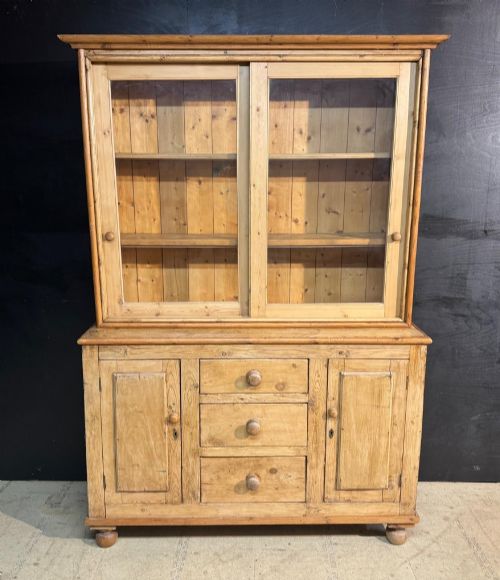
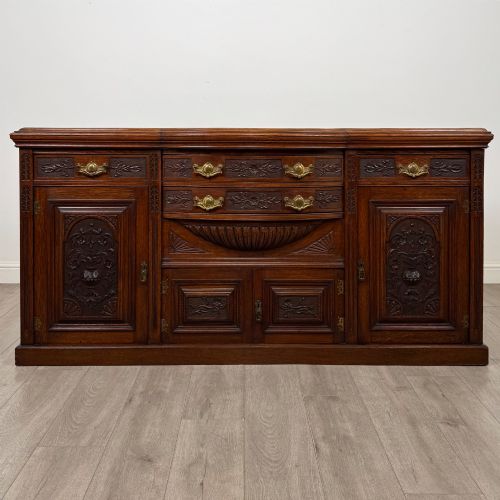
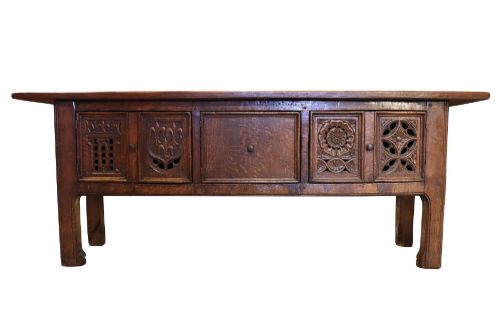
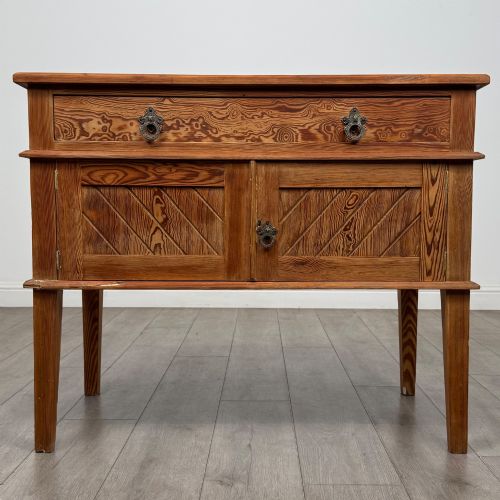
Victorian Dresser Base
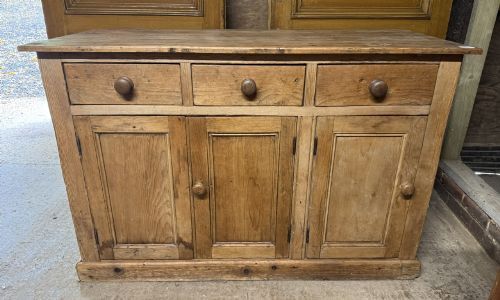
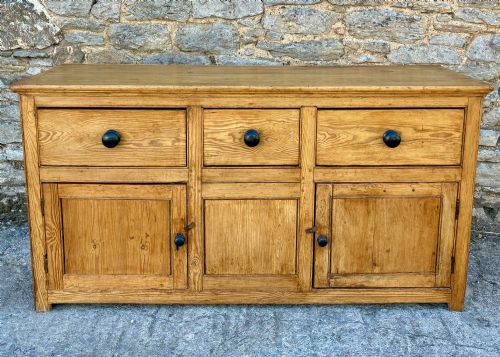
These robust victorian dresser base pieces offer solid utility and historic character for any country kitchen or dining room.
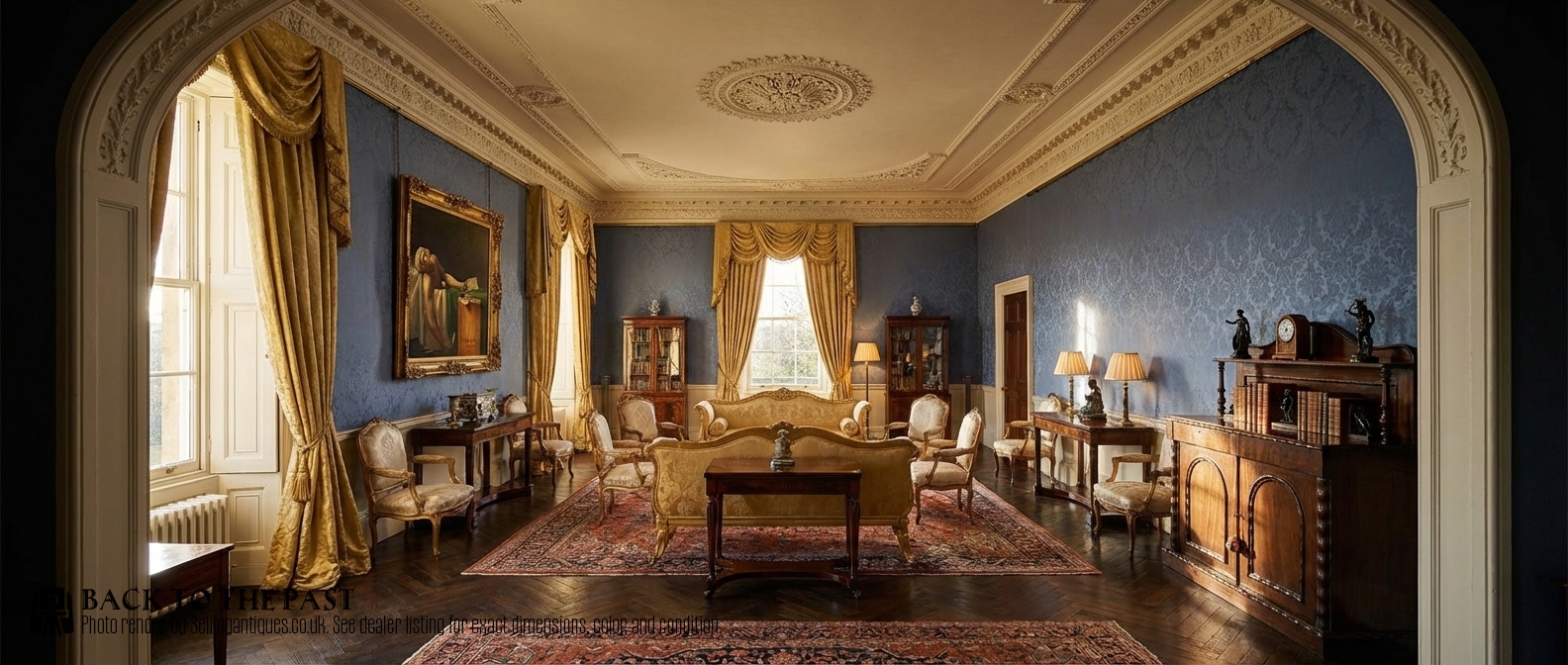
Identifying a victorian dresser base
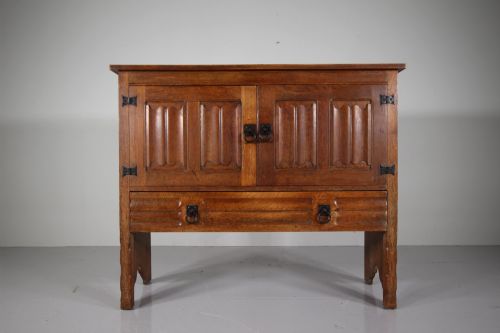
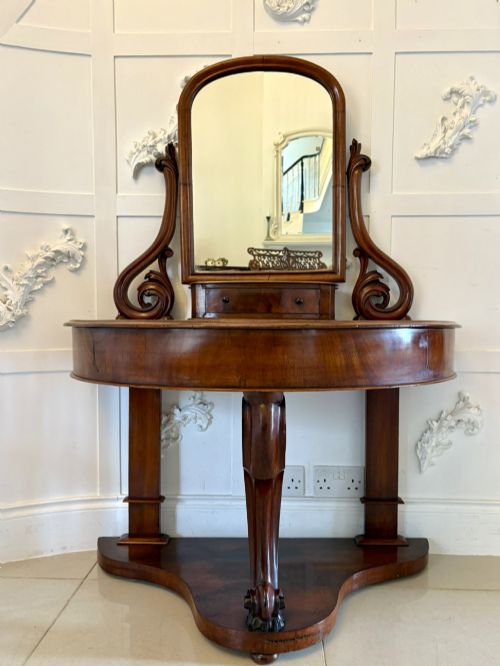
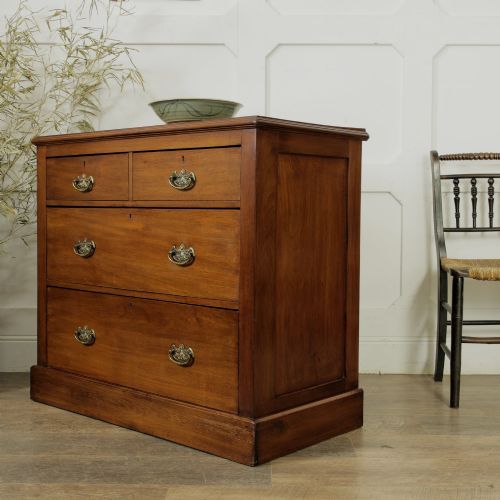
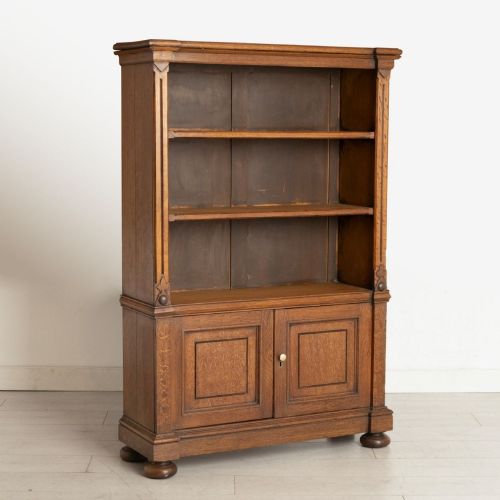
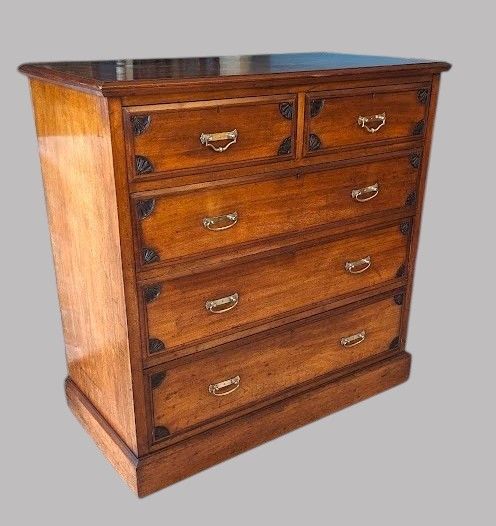
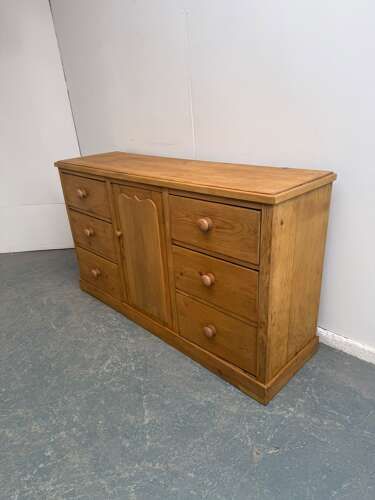
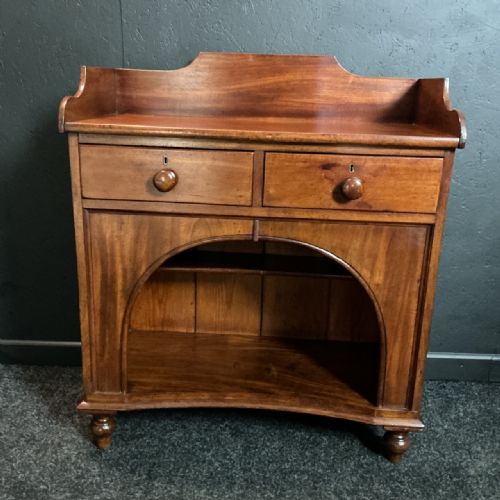
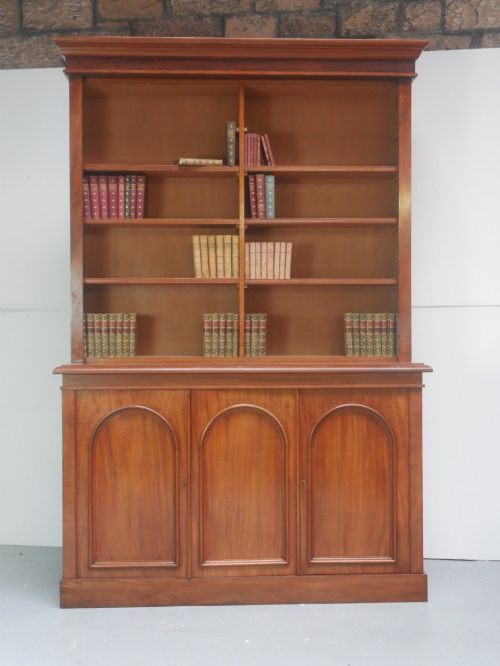
A victorian dresser base provides substantial low-level storage for kitchens and dining spaces, typically featuring a combination of cupboards and drawers beneath a sturdy working surface. These pieces emerge in various timber selections spanning the nineteenth century, from humble farmhouse pine to grander architectural walnut and mahogany iterations.
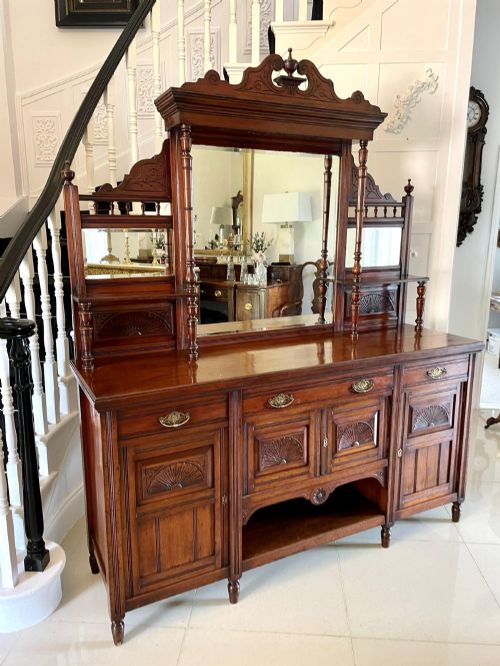
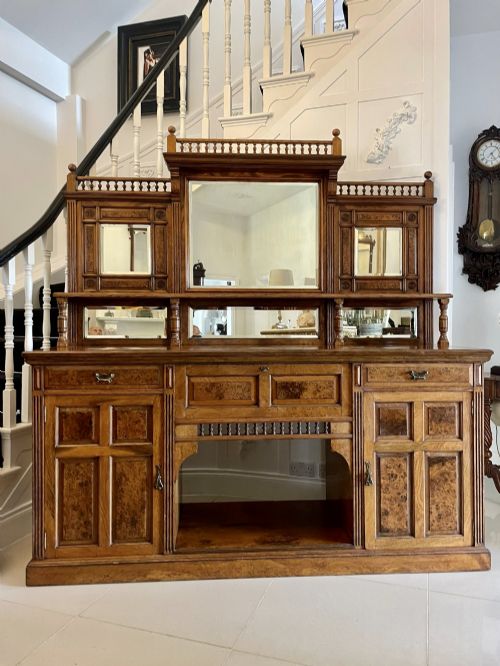
The format ranges from rustic country house examples with panelled doors to formal chiffoniers and mirror-backed sideboards. Pine versions dominate the historical record, often retaining traces of old paint or wax finishes acquired through decades of domestic service.
Materials and construction methods
Cabinet makers utilised dense native and imported timbers, pairing pine carcases with contrasting sycamore or hardwood worktops suited to kitchen preparation. Brass handles, glass mirrors, and occasional tile or carved details accent the heavier wooden structures.
Construction relies on traditional joinery techniques such as dovetailed drawers and panelled doors designed to withstand heavy daily use. Surfaces were frequently waxed, painted, or left in their natural state depending on whether the piece served a scullery or a formal parlour.
Retail Price Guide 2026
Typical UK retail prices for victorian dresser base, calculated from the Sellingantiques database of over a million retail prices indexed since 2003. This retail price guide relies exclusively on Sellingantiques data; no external sources or auction records are used, so the figures do not describe the wider market.
Pine is the dominant material recorded across historical listings, frequently paired with sycamore worktops.
Distinguishing quality across examples
Quality rests upon the selection of timber and the ambition of the design, moving from utilitarian pine workhorses to elaborately carved walnut and pollard oak display pieces. Finer iterations display meticulous hand-carving, superior secondary timbers, and integrated superstructure elements like mirrors.
Proportion and structural integrity dictate the standing of a piece, with well-balanced dimensions and original hardware commanding greater architectural presence. The handling of mouldings and the precision of drawer construction reveal the competence of the workshop.
The Victorian Dresser Base Glossary
- Dresser base
- A low cabinet featuring drawers and cupboards without the upper shelving rack traditionally attached to a full kitchen dresser.
- Chiffonier
- A compact Victorian sideboard equipped with enclosed shelving beneath and often a raised mirror or shelf back.
- Sycamore
- A light-coloured hardwood frequently chosen by makers for table and dresser tops due to its dense, hygienic surface.
- Pollard oak
- Oak timber derived from trees that were cut back to encourage a dense network of branches, producing a heavily figured grain pattern.
Frequently Asked Questions
What is a victorian dresser base?
A victorian dresser base is a heavy low-standing storage unit designed for food preparation and tableware storage in nineteenth-century homes.
Unlike tall dressers, these pieces omit the upper plate rack, presenting a flat top surface suitable for serving or display.
How were these pieces used historically?
These items served as the central workstation in kitchens and sculleries, holding pots, pans, and dry goods within deep drawers and cupboards.
Finer versions stood in dining rooms or parlours to store silver, linen, and glassware behind locked doors.
How do I care for pine and hardwood surfaces?
Regular applications of natural beeswax maintain the moisture balance of waxed pine and prevent the wood from drying out in modern heated rooms.
Harsh chemical cleaners should be avoided to preserve the historic patina built up over generations of domestic use.
How can I tell early Victorian from late Victorian pieces?
Early examples often showcase simpler architectural lines with heavy solid oak or mahogany construction and hand-cut dovetails.
Late pieces frequently incorporate pitch pine, elaborate machine-turned mouldings, or mirror-backed superstructures reflecting changing aesthetic tastes.