
Painted Kitchen Dresser
These painted kitchen dresser pieces bring honest utility and colour to a room.
What a painted kitchen dresser is
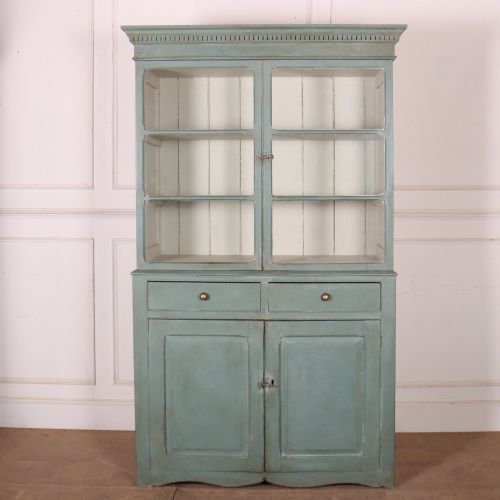
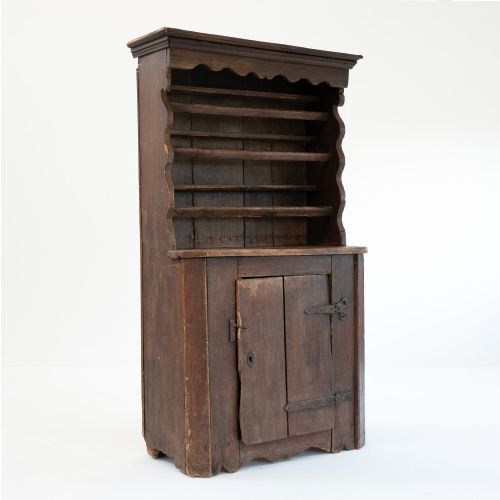
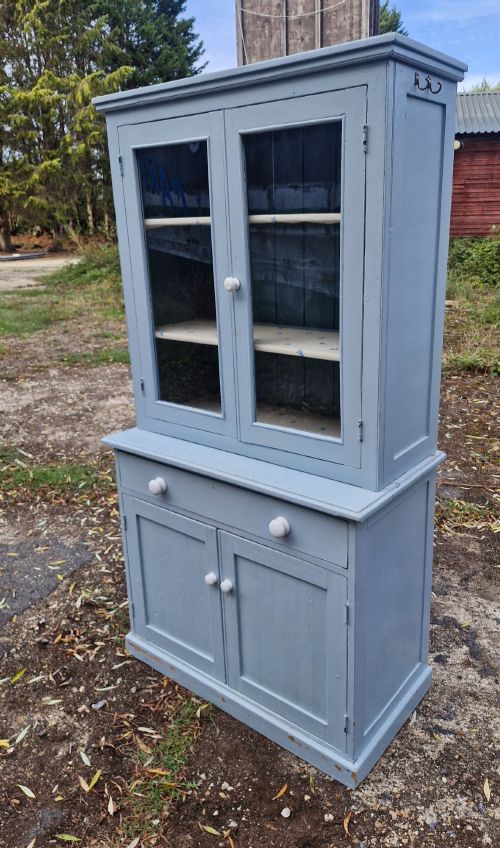
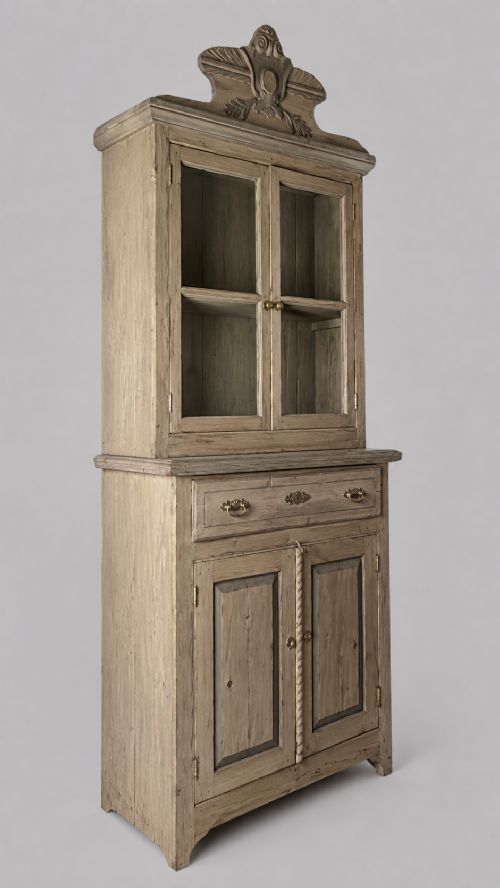
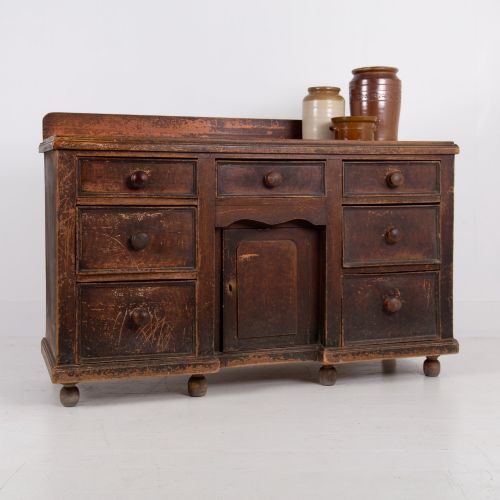
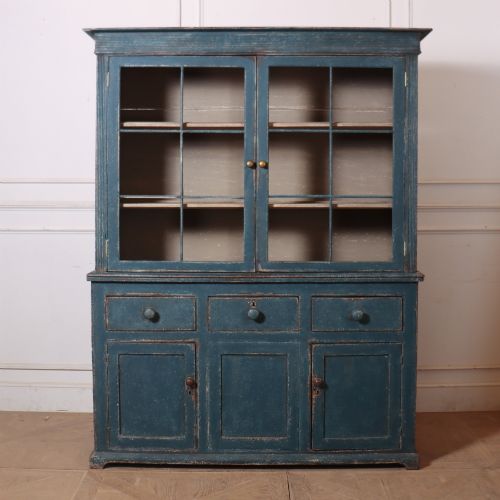
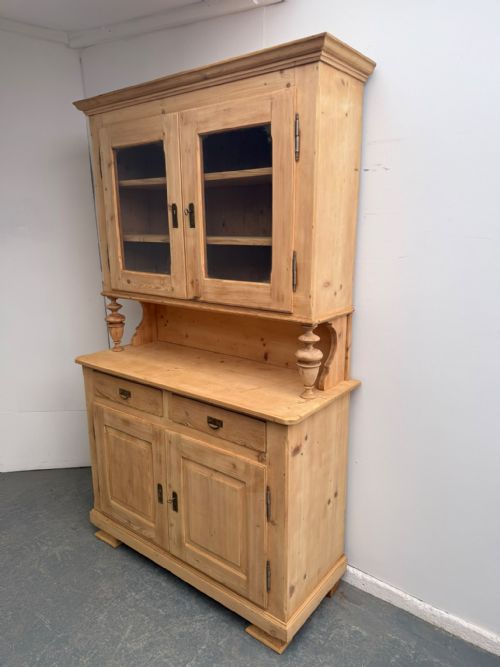
A painted kitchen dresser combines open shelving or glazed cabinets with lower cupboards or drawers, designed for storage and display in domestic spaces. You will find pieces originating mainly from the nineteenth century, including specific dates such as 1890 and mid-nineteenth century examples.
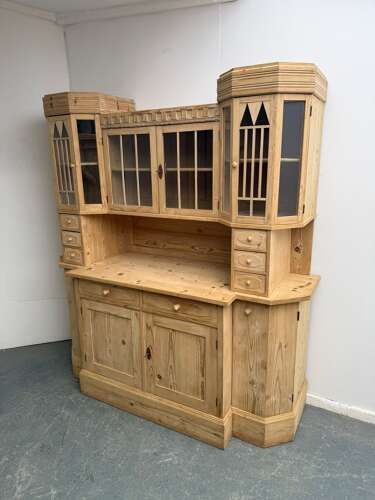
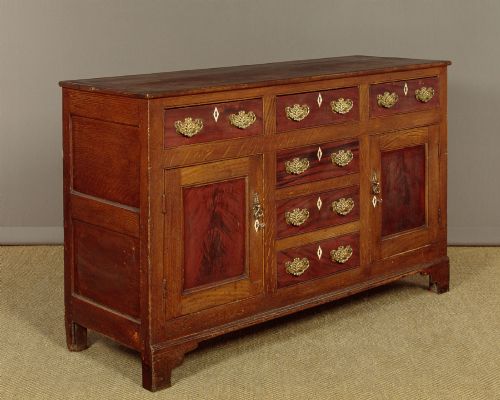
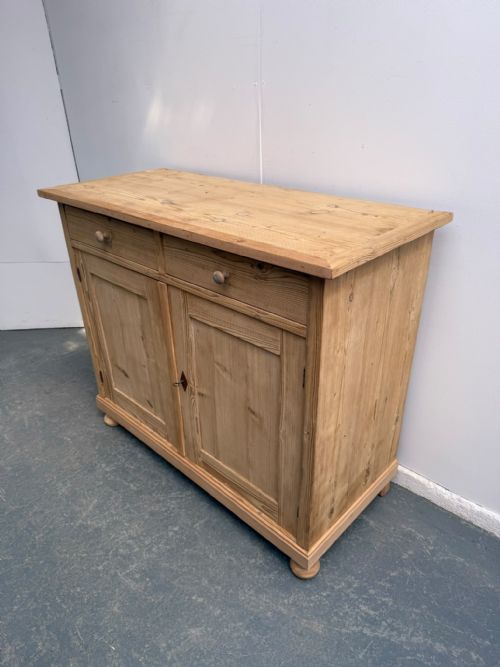
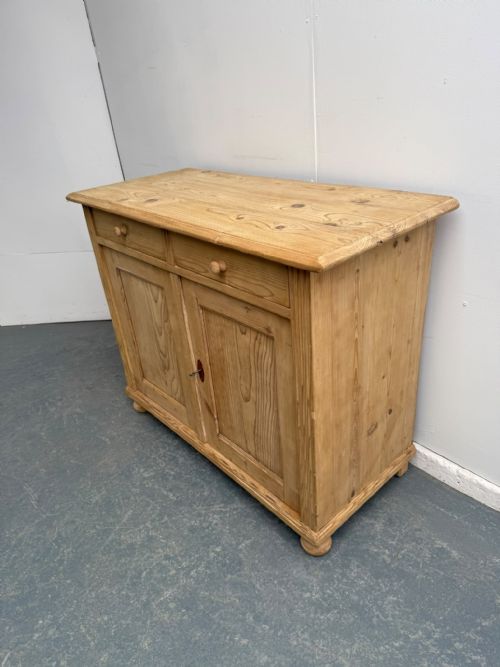
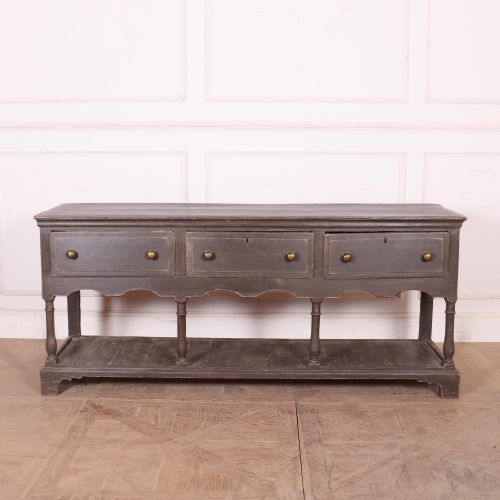
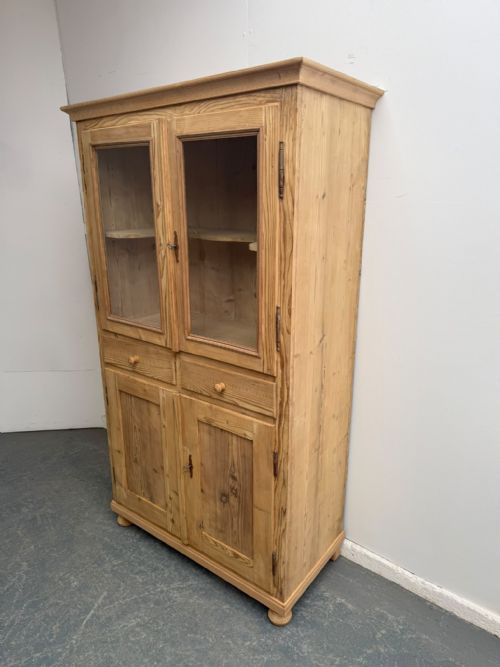
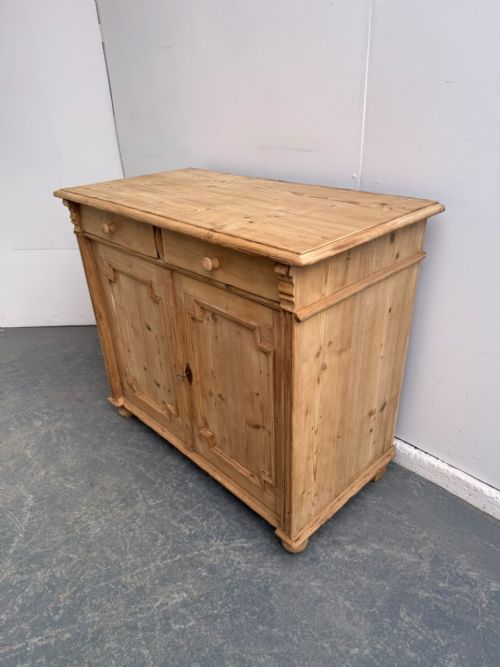
The forms on offer span English country house furniture, English country styles, and Swedish country aesthetics. Alongside standard dressers, the inventory includes dresser bases, housekeepers cupboards, glazed cabinets, bookcases, and sideboards.
Geographic variations in the evidence include English and Dutch origins, with regional examples noted from Devon. These items serve as practical storage units while defining the rustic character of a kitchen or dining room.
Materials and construction
Makers constructed these pieces primarily using pine and painted timber, relying on solid wood for the main bodies, shelves, and doors. Metal, brass, and glass appear in the hardware, hinges, and glazed upper sections of the cabinets.
Surface finishes involve traditional paint applications, sometimes showing distress over the timber substrate. Construction techniques reflect utilitarian workshop practices of the nineteenth century, prioritising robust daily service over delicate ornamentation.
Retail Price Guide 2026
Typical UK retail prices for painted kitchen dresser, calculated from the Sellingantiques database of over a million retail prices indexed since 2003. This retail price guide relies exclusively on Sellingantiques data; no external sources or auction records are used, so the figures do not describe the wider market.
Distinctions in quality
Quality rests upon the proportion of the piece, the integrity of the timber frame, and the character of the painted surface. Earlier examples from the nineteenth century often display more thoughtful joinery and better-balanced dimensions between the base and upper shelving.
The nature of the paint layer contributes significantly to the visual merit of an item, with original or early painted surfaces holding greater interest than later repainting. Well-integrated hardware, such as brass fittings and glass panes in glazed doors, elevates the overall execution.
The Painted Kitchen Dresser Glossary
- Dresser base
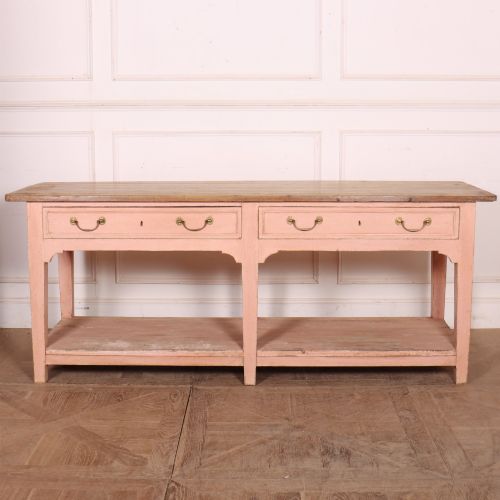
- The lower section of a kitchen dresser featuring cupboards and drawers without the upper plate rack. This form functions well as a standalone sideboard or kitchen cabinet.
- Housekeepers cupboard
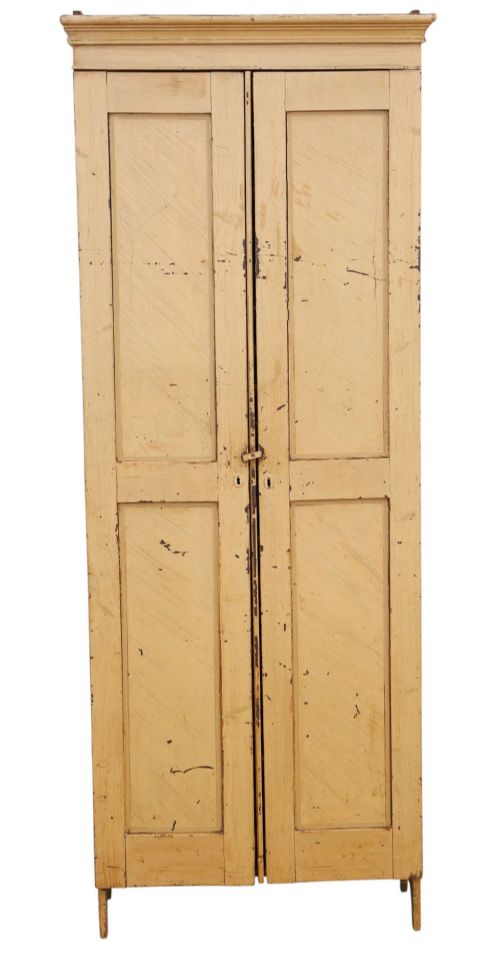
- A large storage piece with doors enclosing shelves, traditionally used for linens and provisions in domestic service. These items utilise pine and painted timber construction.
- Glazed cabinet
- A storage unit with glass-fronted upper doors designed to display crockery while keeping dust away. They appear frequently in nineteenth-century country furniture.
- Painted timber
- Wood surfaces coated in pigment to protect the material and provide colour. This finish is a defining characteristic of English country and Swedish country pieces.
Frequently Asked Questions
What is a painted kitchen dresser?
A painted kitchen dresser is a utilitarian storage item featuring lower cupboards or drawers paired with upper open shelves or glazed cabinets. They were built to hold kitchenware, provisions, and household goods.
Most surviving examples date from the nineteenth century and utilise pine construction finished with paint. Their designs range from English country house pieces to Swedish country forms.
How were these dressers used?
These pieces served as the primary storage and display units in domestic kitchens and sculleries. The upper shelves held plates and mugs for daily use, while the lower cupboards stored heavier pots and foodstuffs.
In larger houses, housekeepers utilised related cupboard variants for linens and dry goods. Today, they function as practical storage furniture in modern kitchens and dining spaces.
How do I identify a nineteenth century piece?
Nineteenth-century construction is indicated by solid pine timbers, hand-cut joinery, and period hardware made from brass or metal. The presence of aged paint layers and traditional workshop methods helps distinguish these older items.
Makers often built these pieces for utilitarian service, leading to robust proportions and straightforward detailing. Regional variations, such as those noted from Devon or Dutch workshops, further help classify the origin.
How do I live with a painted dresser?
Integrating a painted dresser into a room involves using the open shelving or glazed cabinets to display ceramics and glassware. The lower cupboards provide concealed storage for everyday clutter.
These pieces anchor a room through their painted timber surfaces, which introduce colour and texture. Regular dusting and gentle care of the painted finish will keep the wood stable in modern environments.