


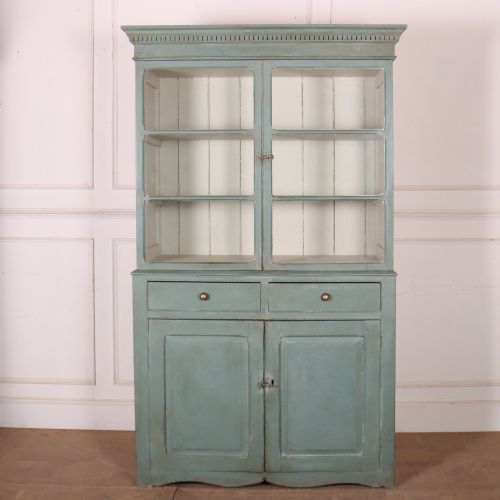
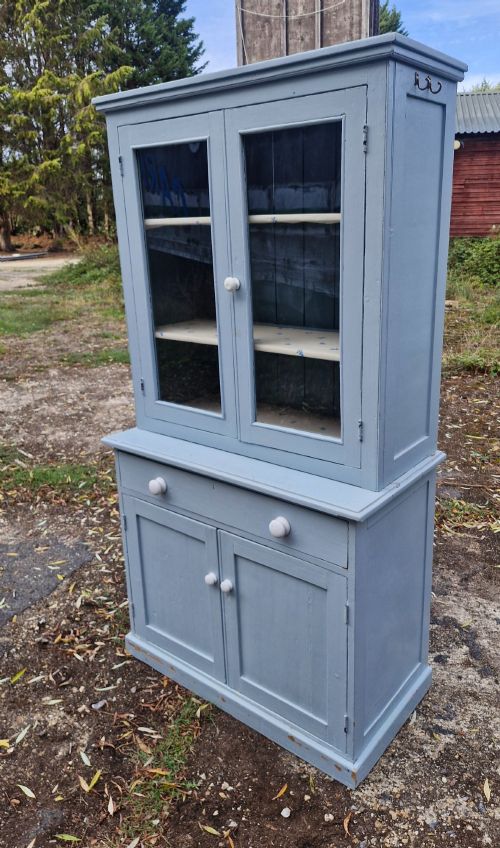
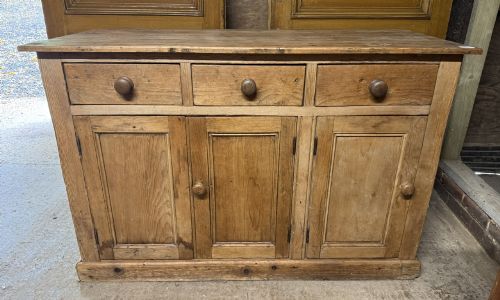
Victorian Kitchen Dresser
When you search for a victorian kitchen dresser, you enter a world of utilitarian storage crafted to serve the heart of the home.
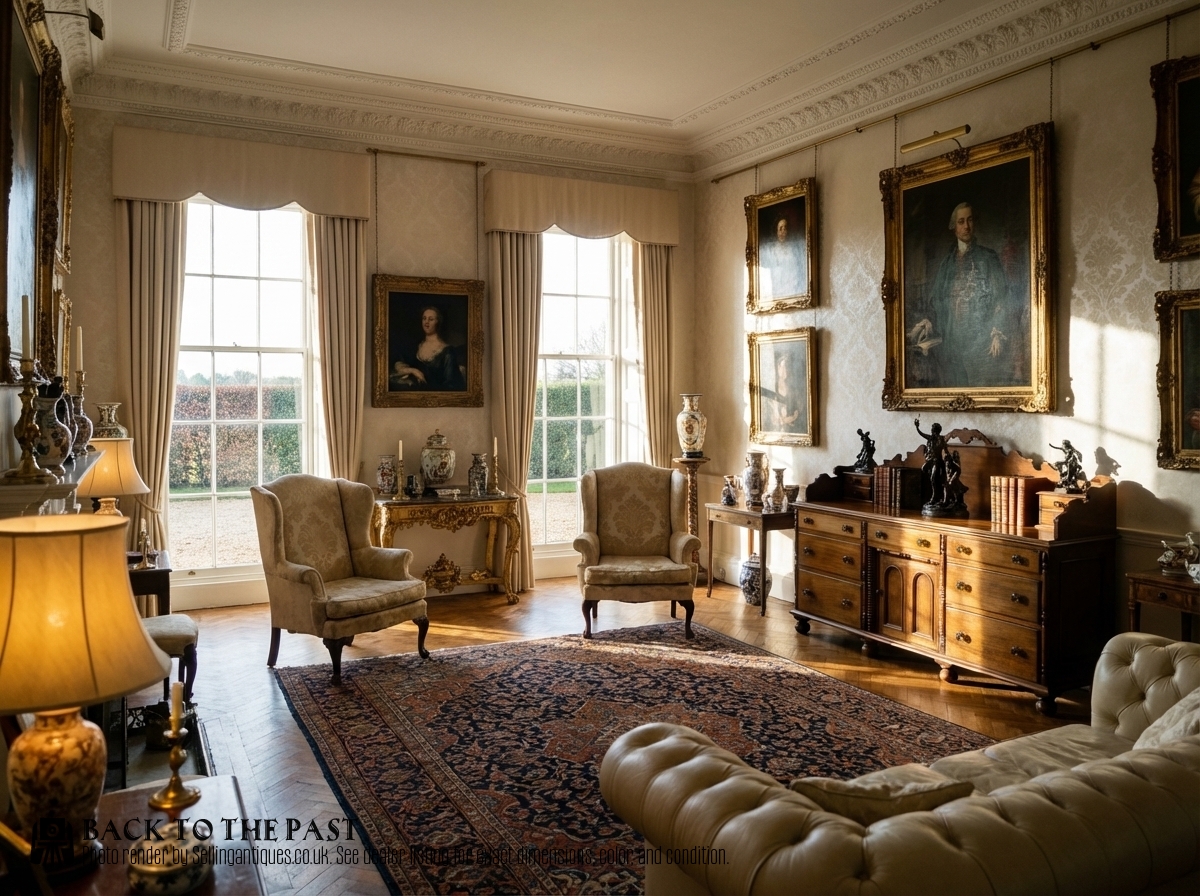
Victorian Kitchen Dresser
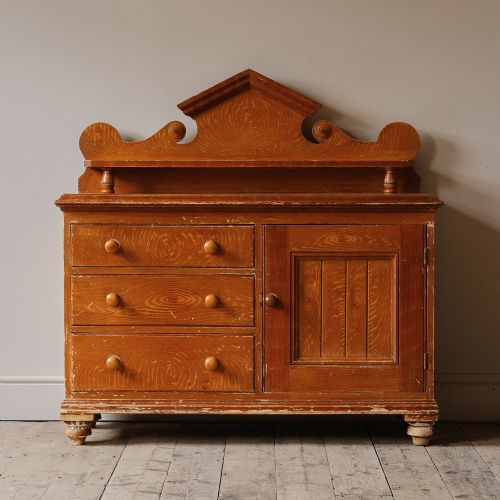
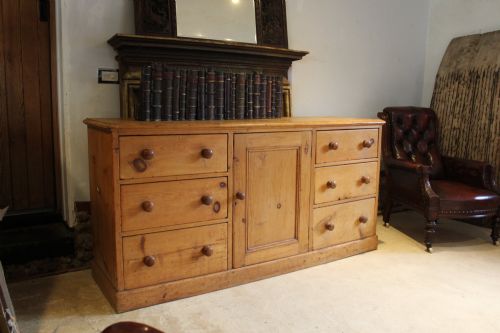
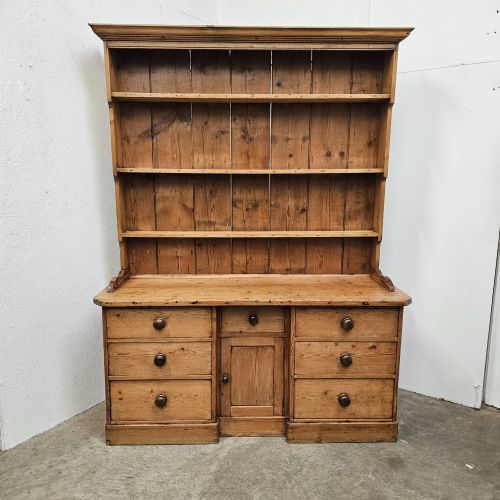
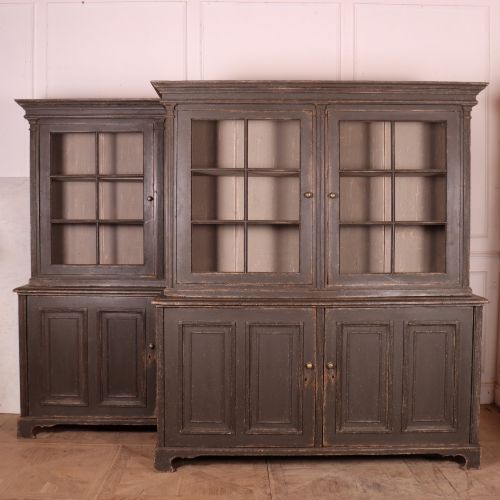
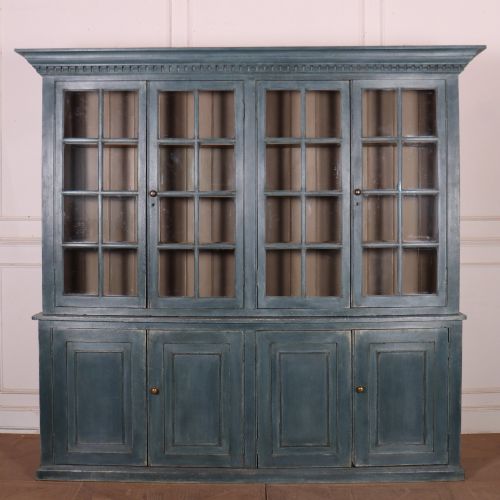
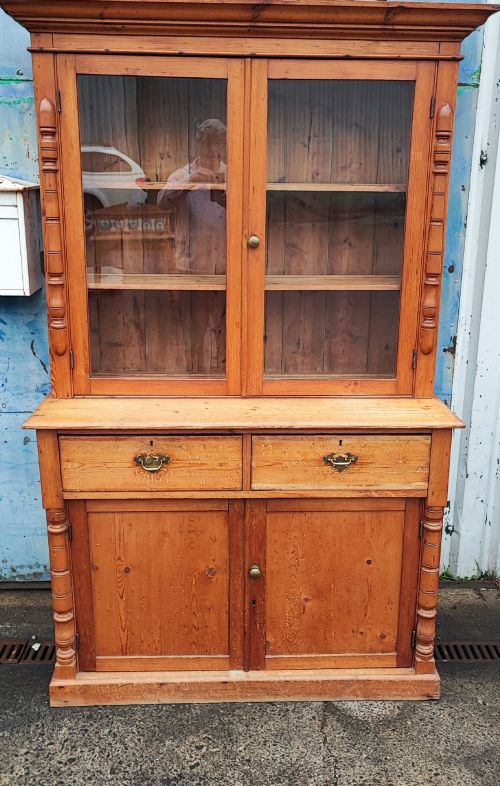
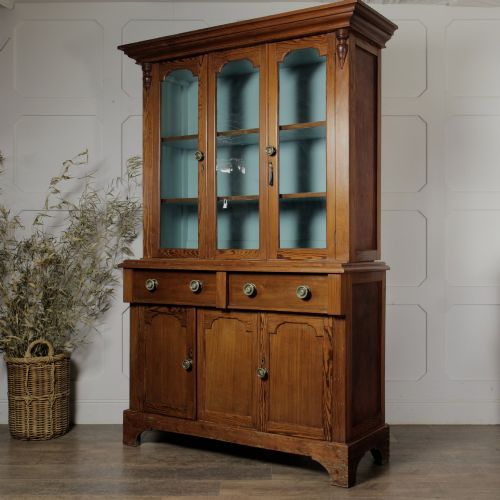
A victorian kitchen dresser combines practical storage with display space, serving as the central working unit for domestic food preparation and tableware storage. These pieces typically take the form of a solid lower base featuring drawers and cupboards, frequently surmounted by an upper plate rack or glazed display cabinet.
The versions most commonly met on this page span the nineteenth century, reflecting regional styles from English and Scottish country workshops to Welsh vernacular traditions. Builders constructed these items to be robust workhorses, resulting in sturdy proportions designed for heavy daily household use.
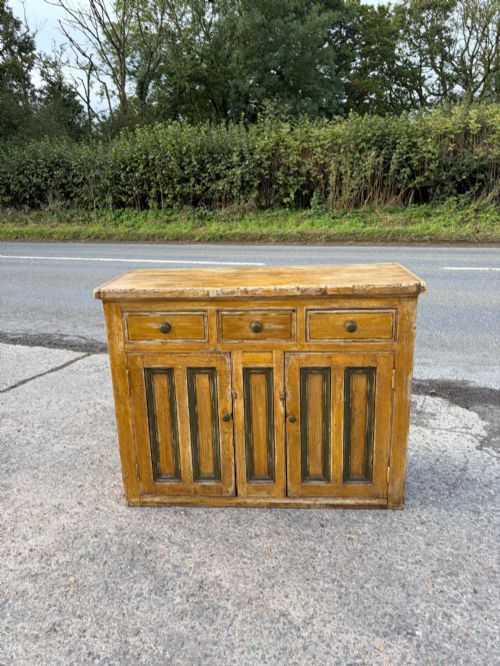
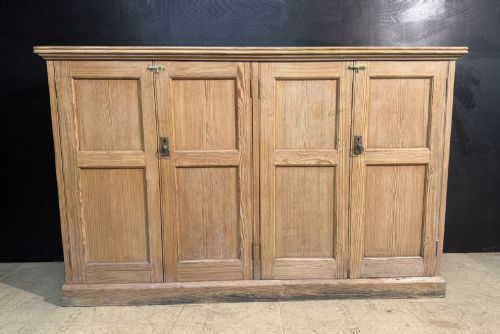
Forms range from open dresser bases and two-part glazed cupboards to housekeeper cupboards and narrow tall storage units. Regional variations introduce distinct elements such as breakfront drawers, spice drawers, and carved oak details.
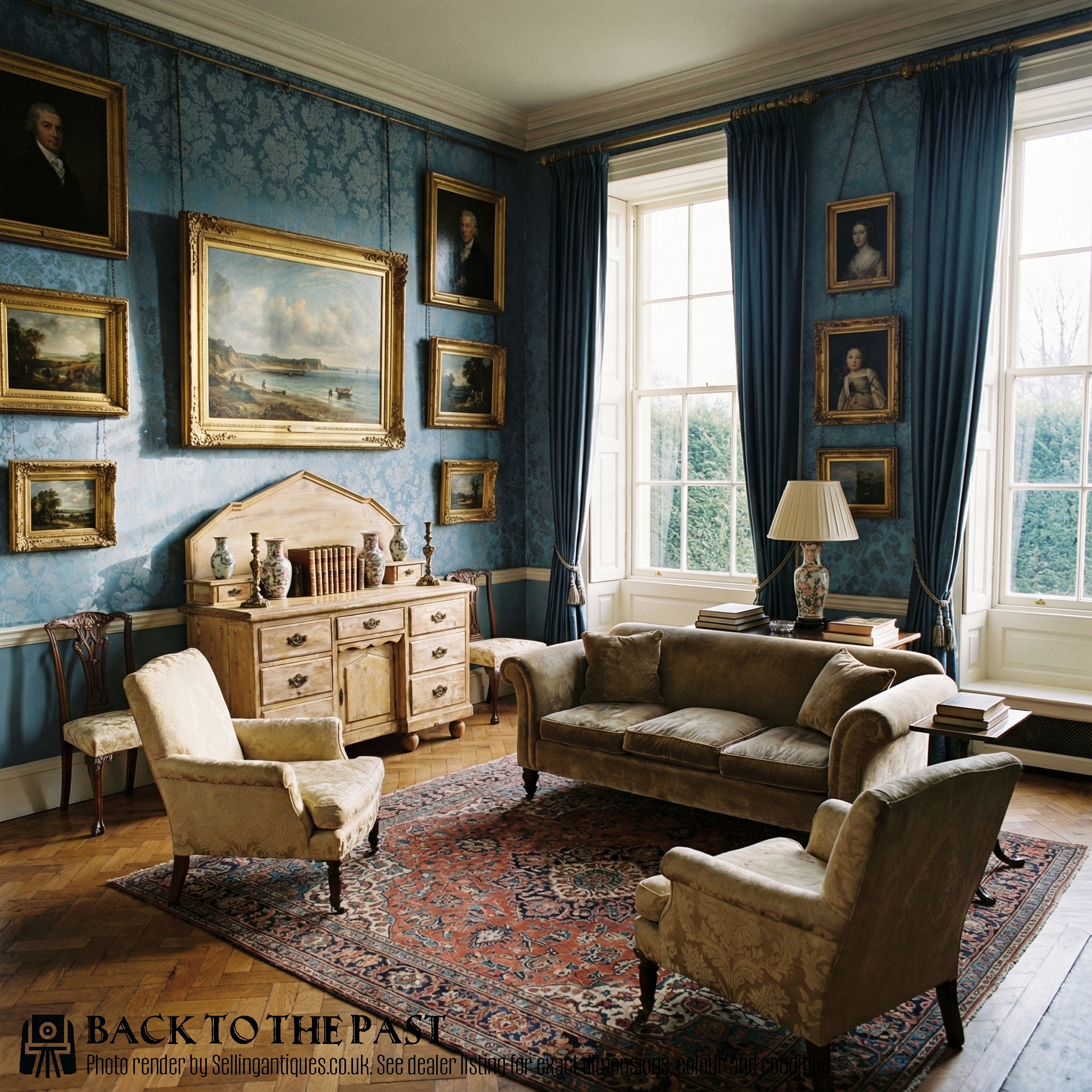
Materials and Construction
Makers relied primarily on pine, oak, and pitch pine for the main structure, often combining woods like sycamore or satinbirch for working surfaces. Regional workshops utilised local timber availability, leading to dense oak examples from Wales and softer pine pieces suited for painted finishes.
Joinery methods focused entirely on durability, employing solid boards for backs and heavy frames for bases that could withstand substantial weight. Surfaces were either left natural to be waxed, treated with traditional scrubbed finishes, or coated in original paint and scrumble.
Iron and brass hardware, including drop handles, hinges, and latches, provided functional strength while glass panes were fitted into upper doors for display cabinets and bookcases.
Victorian Kitchen Dresser Retail Price Guide 2026
Typical asking prices for victorian kitchen dresser among the pieces listed under this phrase on Sellingantiques today, from the lower quarter to the upper quarter. They describe what is for sale here now, not the wider market.
The archive shows variations ranging from small rustic pine cupboards to large triple glazed oak bookcase combinations.
Assessing Craftsmanship and Condition
Quality reveals itself in the choice of timber and the integrity of the original construction rather than decorative excess. Superior examples feature well-figured oak or clean, straight-grained pine with well-proportioned mouldings and sturdy dovetail joints in the drawers.
The presence of original surfaces, whether untouched paint, early scrumble, or aged wax patination, elevates an example significantly. Alterations to feet, replacement hardware, or mismatched upper and lower sections alter the historical integrity of the piece.
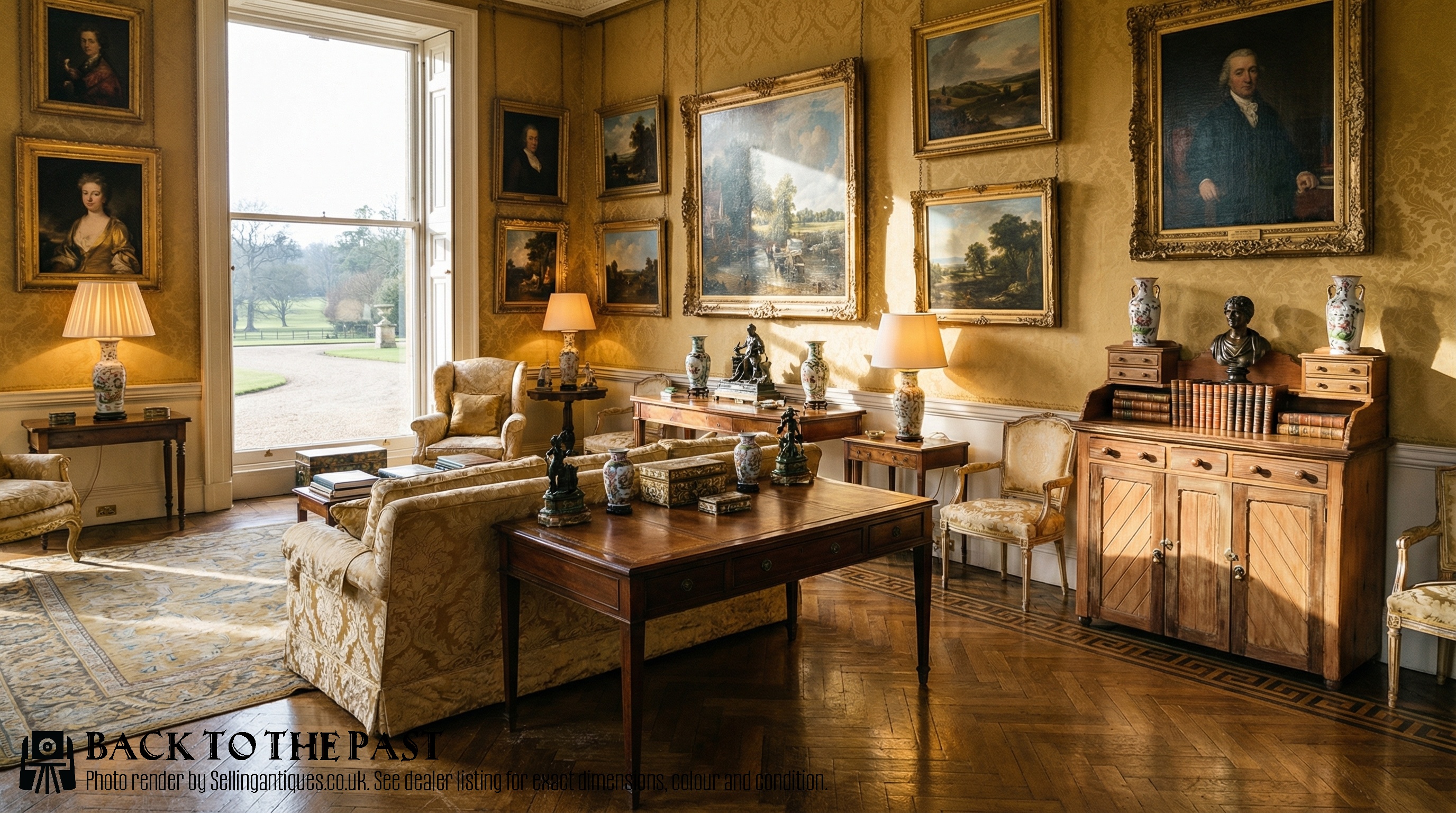
The Victorian Kitchen Dresser Glossary
- Dresser Base
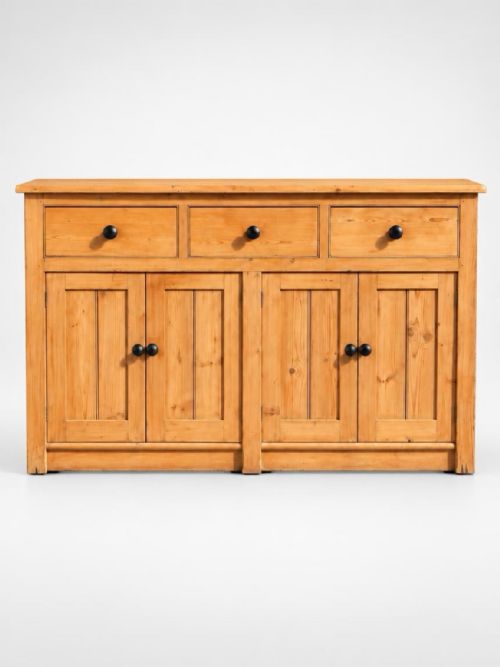
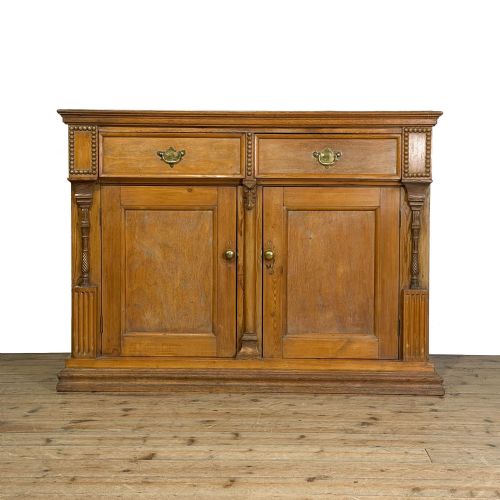
- The lower section of a kitchen dresser featuring cupboards and drawers without the upper plate rack. These often function independently as sideboards.
- Delft Plate Rack
- An open shelving attachment mounted above a dresser base designed to display plates upright. These structures often incorporate small spice drawers beneath the shelves.
- Scrumble
- A decorative paint technique used to simulate wood grain or create a mottled texture on pine furniture. This finish was popular in Victorian domestic interiors.
- Welsh Dresser
- A traditional regional furniture form characterised by a heavy base and an extensive open plate rack. Oak was the preferred timber for these robust constructions.
- Pitch Pine
- A dense, resinous softwood with prominent grain patterns frequently utilised during the Victorian era. It provides exceptional durability for heavy-use furniture.
Victorian Kitchen Dresser: Frequently Asked Questions
What is a victorian kitchen dresser?
A victorian kitchen dresser is a large storage unit built during the nineteenth century to hold crockery, provisions, and kitchen utensils. They typically combine a heavy cupboard or drawer base with an upper plate rack or glazed cabinet.
These pieces formed the functional core of domestic kitchens and sculleries. Their robust construction allowed them to endure the heavy demands of daily rural and urban household life.
How were these dressers used?
Households utilised the lower cupboards and drawers for storing heavy pots, pans, and dry goods. The top shelves displayed everyday ceramic plates, platters, and cups for easy access.
Working surfaces on the base also served as preparation areas for baking and meal assembly. In many homes, the dresser functioned as the central organizational hub of the kitchen.
How do I care for a waxed pine dresser?
Maintain waxed pine surfaces by dusting regularly with a soft cloth and applying a traditional beeswax polish sparingly when the wood appears dry. Avoid placing these pieces near direct heat sources or in damp environments to prevent timber movement.
Protect the top boards from moisture by using mats under liquids. Gentle care preserves the natural patination built up over generations.