



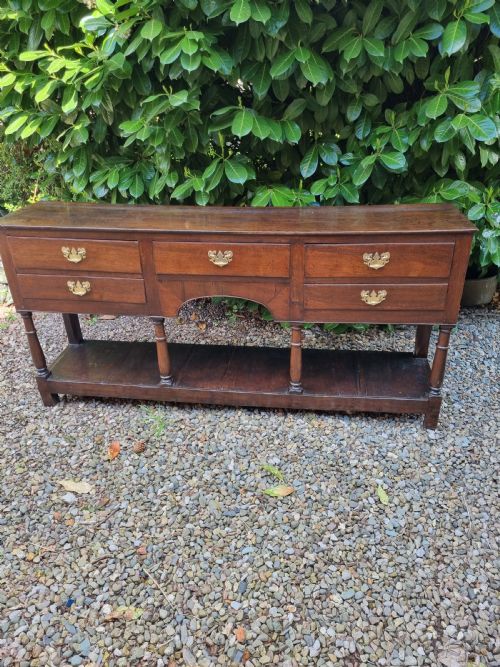
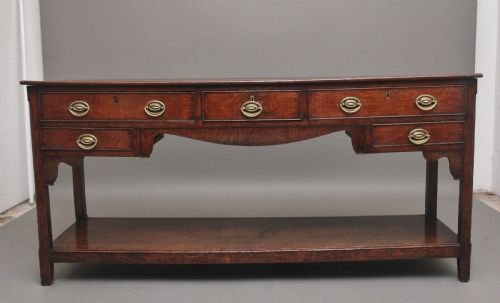


Pot Board Dresser
When you search for a pot board dresser, you are looking at a foundational piece of vernacular furniture built to store kitchenware and display tableware on a lower shelf.
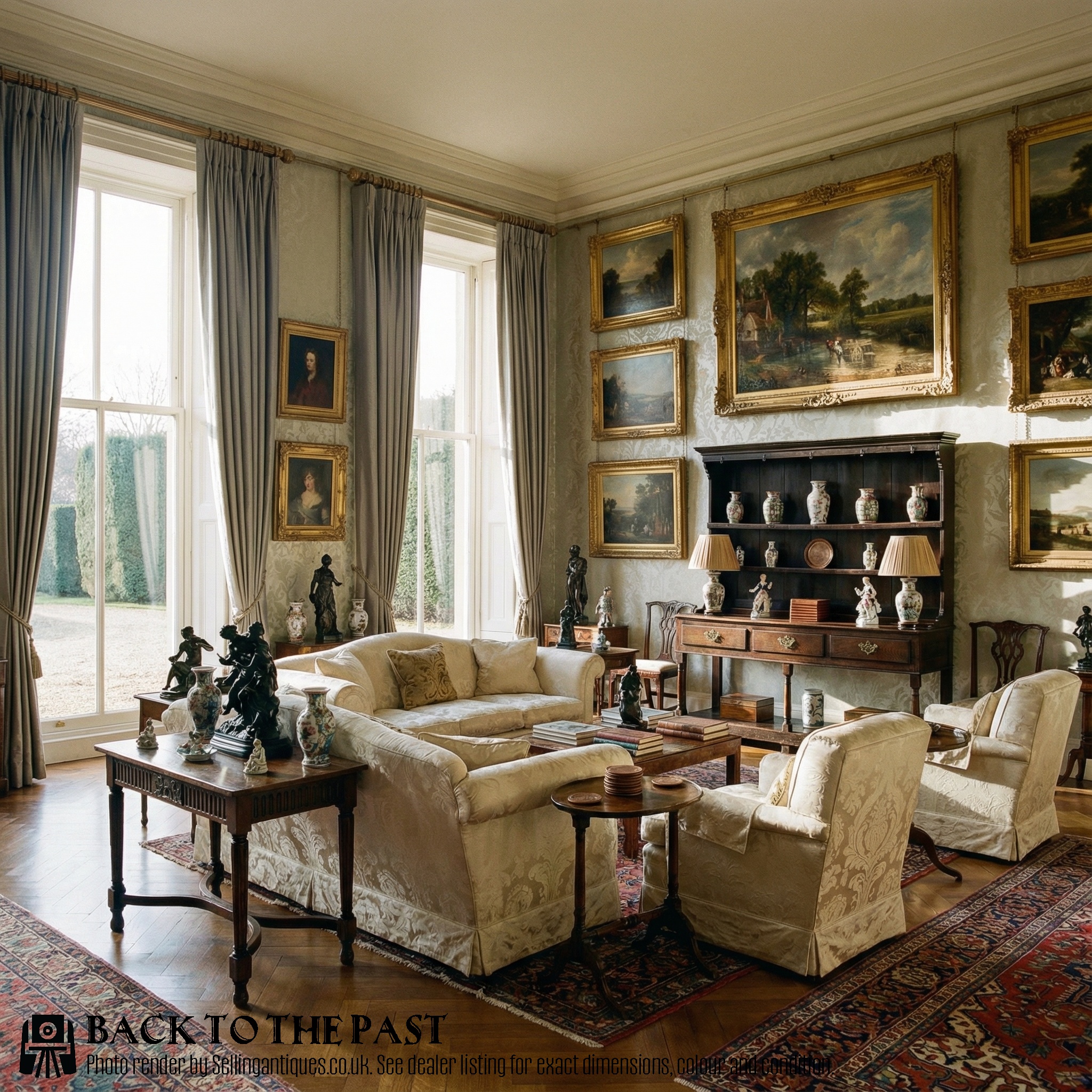
Pot Board Dresser
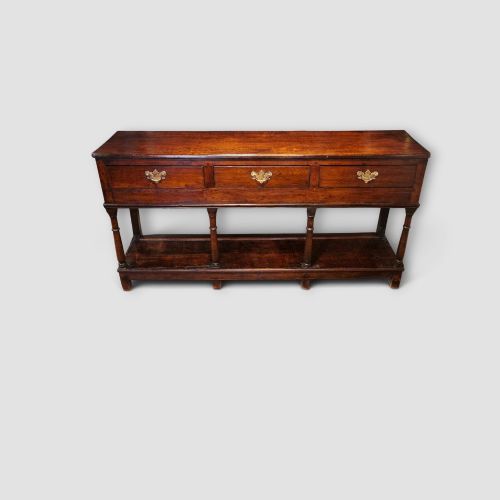
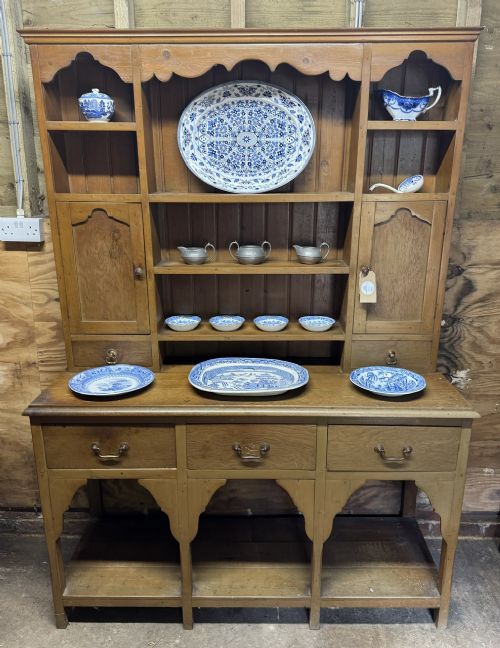
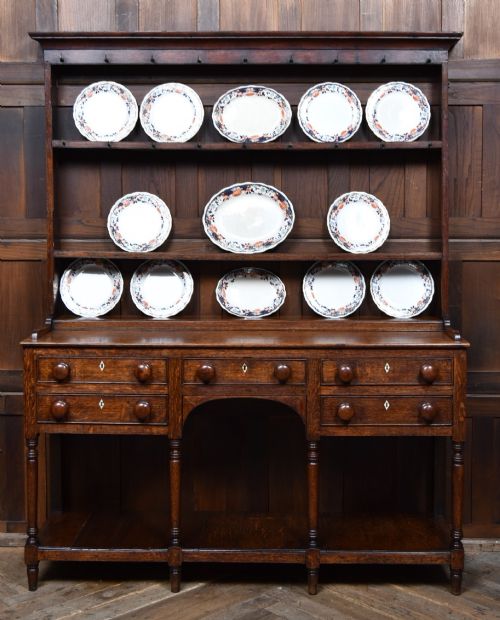
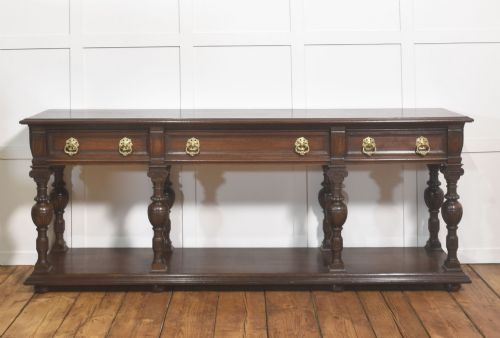
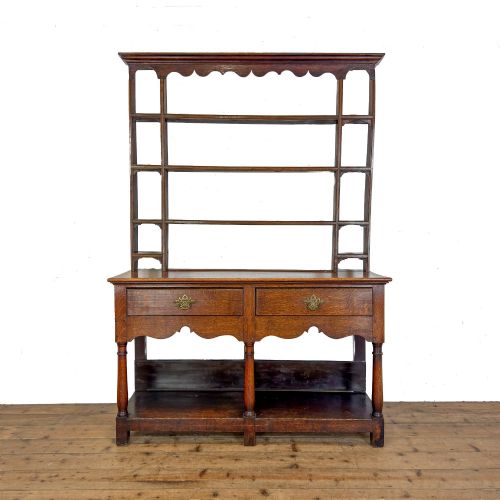
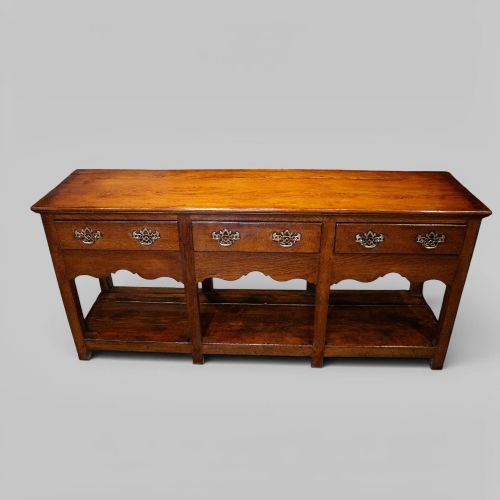
A pot board dresser is a heavy storage item featuring a working surface above banks of drawers, supported by legs that frame a lower open platform known as a pot board or pot shelf. Many examples seen on this page originate from 18th century and 19th century workshops in England and Wales.
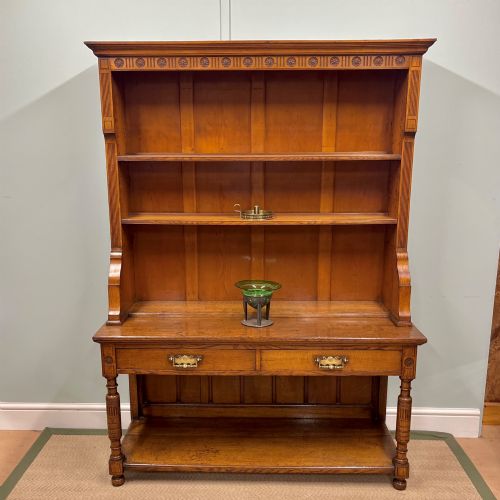
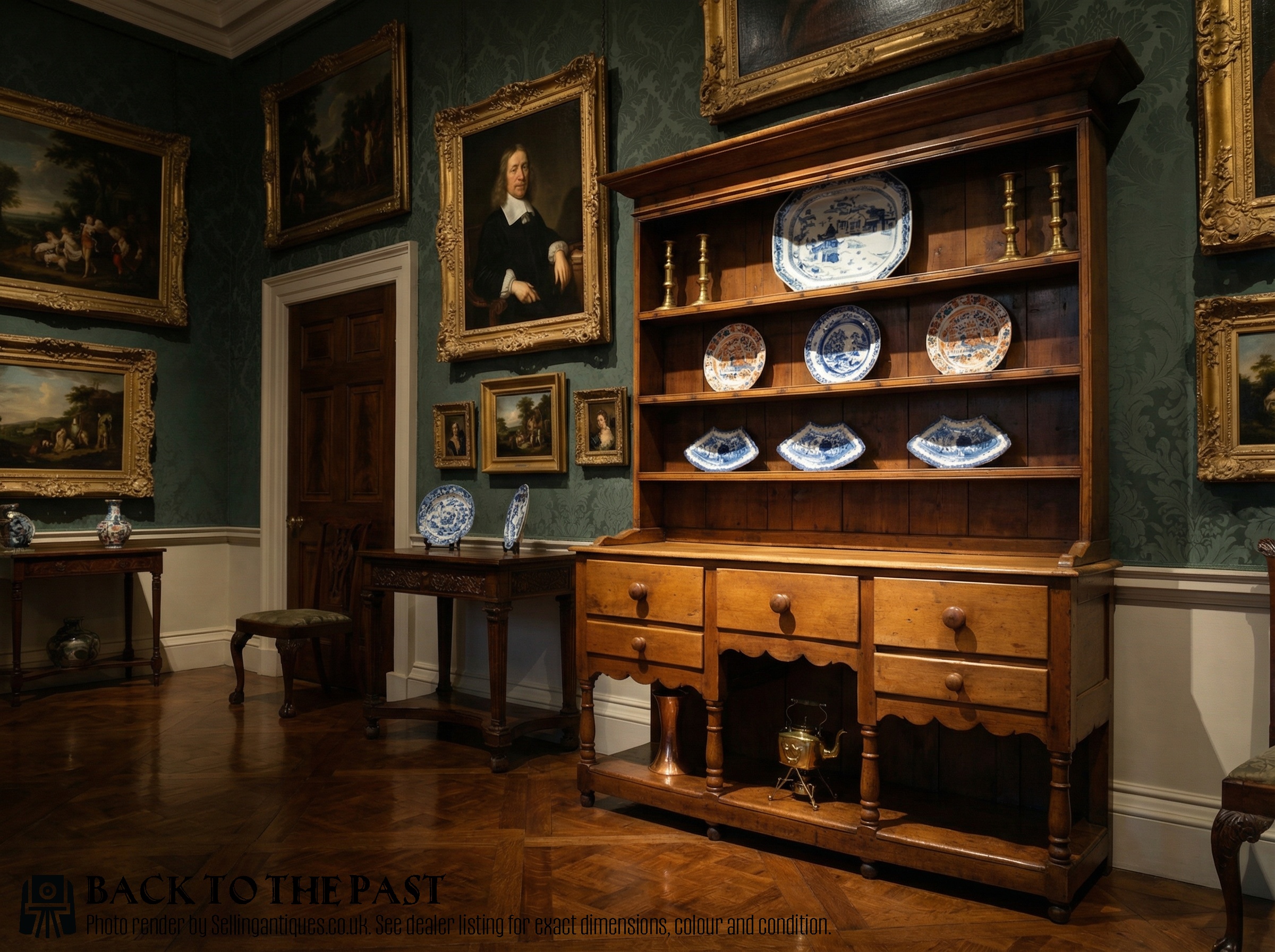
The layout generally falls into two distinct formats: a low dresser base without superstructure, or a complete dresser with an upper plate rack attached for displaying ceramic plates and platters. Regional variations include provincial Welsh pieces with spice drawers and Georgian formal designs with cleaner lines.
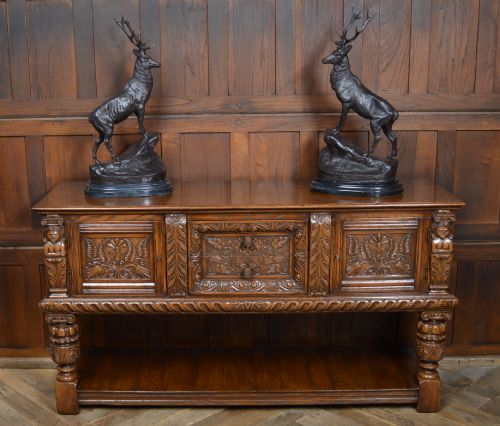
Buyers encounter country oak constructions alongside occasional pine variants and painted finishes. While many survive as working kitchen cupboards, others function as decorative sideboards in dining rooms and hallways.
How They Were Made
These pieces rely heavily on solid oak and pine, joined using traditional mortise and tenon construction with pegged joints to withstand heavy domestic use. Cabinetmakers shaped thick boards for the working top and assembled lower pot shelves to steady the upright frame.
Hardware typically consists of brass drop handles, drawer pulls, and iron fixings that show signs of long domestic service. Surfaces display accumulated patination from decades of wax polishing, household cleaning, and natural timber ageing.
Pot Board Dresser Retail Price Guide 2026
Typical asking prices for pot board dresser among the pieces listed under this phrase on Sellingantiques today, from the lower quarter to the upper quarter. They describe what is for sale here now, not the wider market.
Several Welsh examples retain tiny spice drawers tucked beside the main tier for preserving household aromatics.
What Varies in Quality
The standard of a pot board dresser depends on the integrity of its timber and the retention of its original surface patina. Early 18th century examples often display better proportion, tighter grain in the oak, and minimal timber replacement.
Proportion and scale dictate desirability, with smaller cottage models and pieces retaining their original upper plate racks commanding greater attention. The presence of secondary timbers, original brass hardware, and untouched pot shelves also separates standard examples from exceptional vernacular works.
Liberty of London
The Pot Board Dresser Glossary
- Pot board
- A lower open shelf positioned near the floor between the legs of a dresser, originally designed for storing heavy pots and pans. This lower tier defines the structural typology of the furniture.
- Dresser base
- The lower section of a kitchen dresser comprising a work surface and drawers, without the upper plate rack attached. These form substantial sideboards for modern interiors.
- Plate rack
- The timber shelving superstructure mounted onto the rear of a dresser top for displaying plates and dishes. Racks often feature shaped friezes or spice drawers.
- Vernacular furniture
- Domestic pieces built by regional joiners and country craftsmen for local use rather than following strict metropolitan academic styles. These items prioritise utility and local materials.
- Patina
- The deep surface sheen and colour developed by timber over centuries of handling, exposure to light, and waxing. Original patination is a key indicator of age and authenticity.
Pot Board Dresser: Frequently Asked Questions
What is a pot board dresser?
A pot board dresser is a traditional storage unit featuring a wooden top, drawers, and an open lower shelf designed for holding heavy kitchen utensils.
Most examples date from the Georgian and Victorian eras, originating from English and Welsh country workshops where utility dictated the design.
How were they used historically?
These pieces served as the central workstation in country kitchens for food preparation, storing dry goods in drawers, and keeping cookware on the lower shelf.
The upper plate rack, when present, displayed everyday ceramics and pewter dishes for easy access during meal preparation.
Where should I place one?
A pot board dresser works well in modern kitchens, dining rooms, or hallways as a practical sideboard with generous surface space.
The open lower shelf provides an ideal platform for stacking large mixing bowls, baskets, or heavy cookware.
How do I tell an 18th century piece apart?
Eighteenth-century examples typically display hand-planed surfaces, pegged timber joints, and deep patination on native oak boards.
Construction details like drawer linings made from secondary woods and vernacular proportions distinguish earlier regional pieces from later revival items.