
Nineteenth Century Dresser
A nineteenth century dresser delivers honest utility and deep timber character, anchoring a room with centuries of working history.
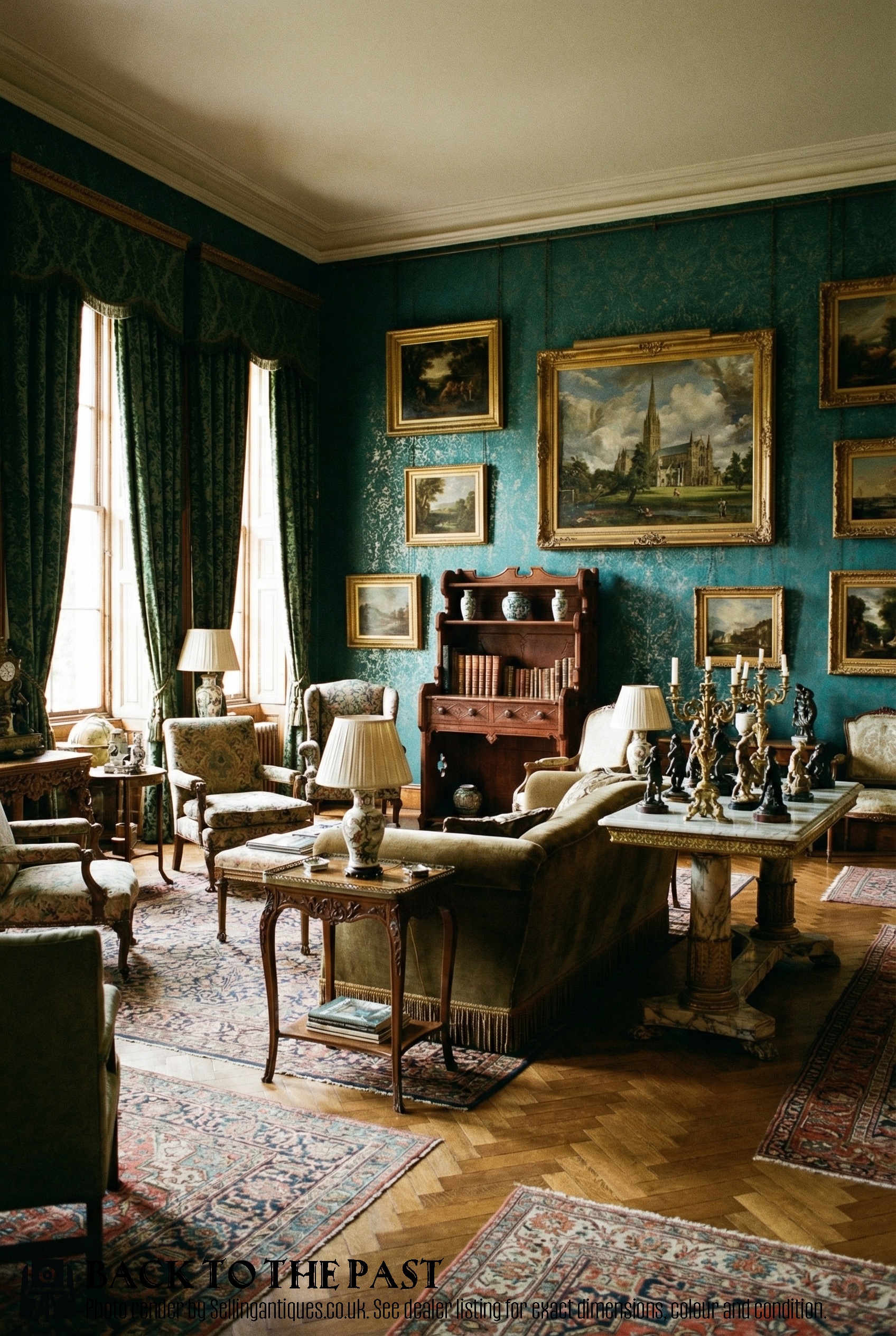
Nineteenth Century Dresser
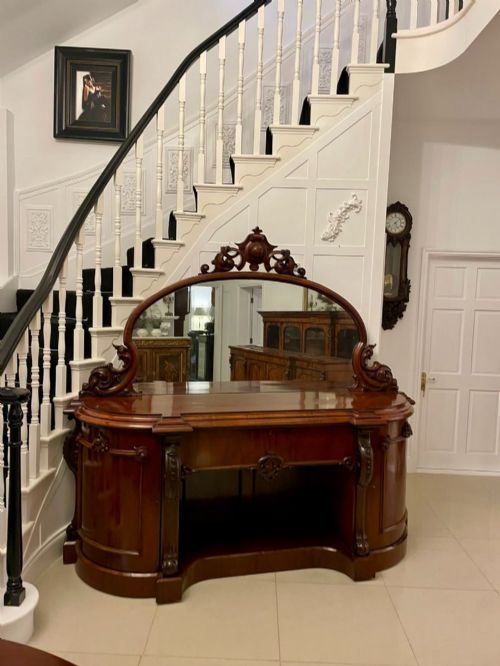
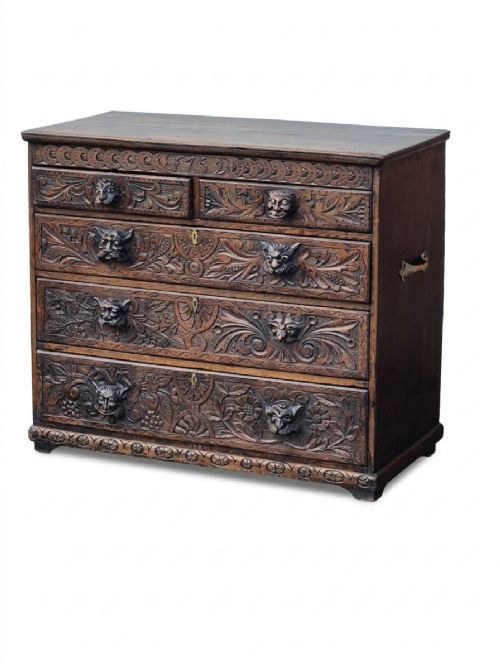
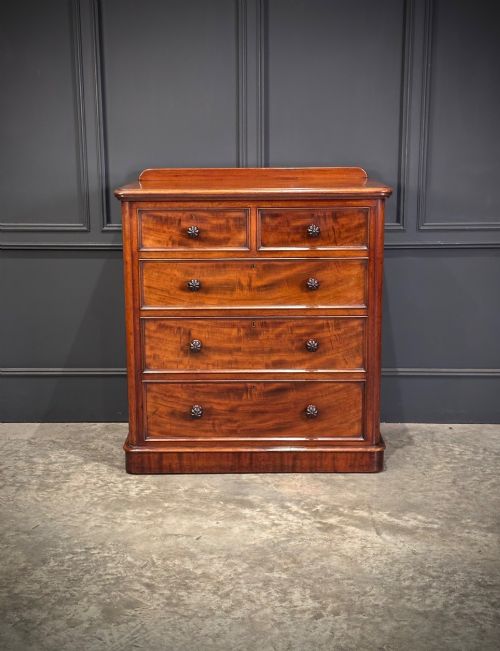
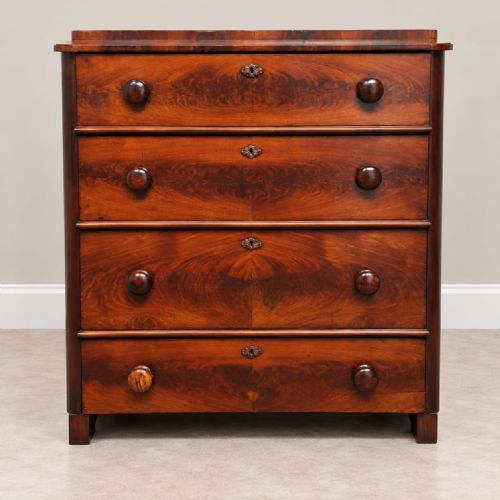
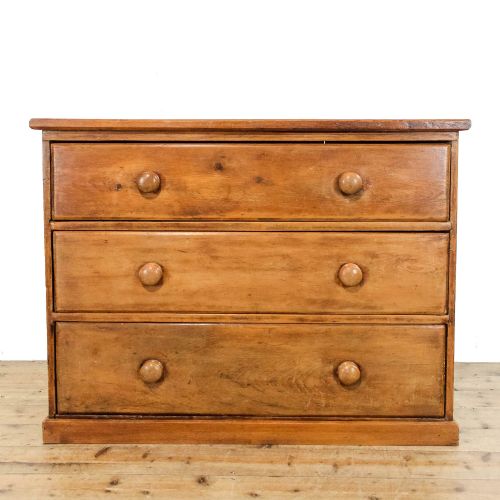
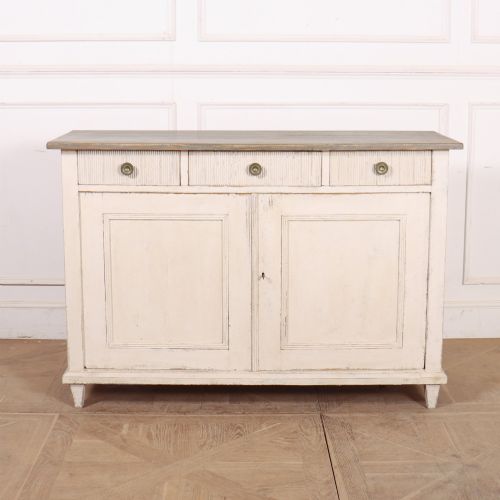
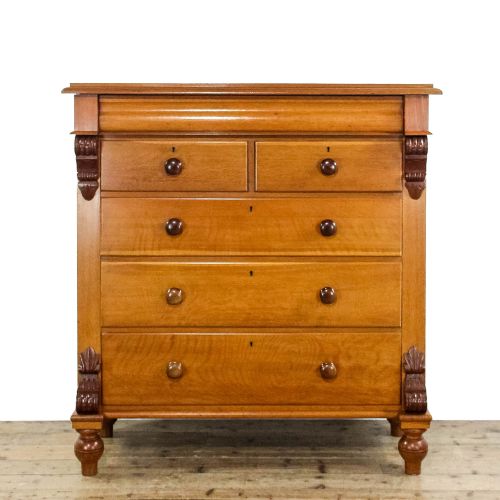
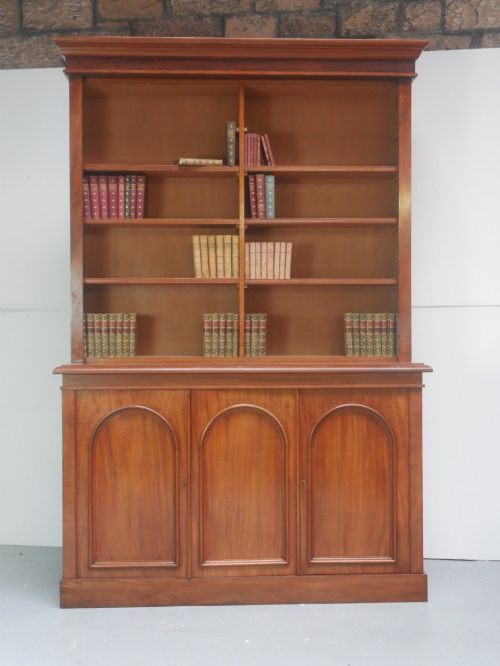
A nineteenth century dresser encompasses robust kitchen storage units, Welsh and Cornish open-shelf display pieces, and deep timber drawer units built for domestic service. Buyers searching this phrase encounter sturdy pine bases, waxed deal surfaces, and formal mahogany or oak forms designed for daily household use.
Kitchen and pantry storage dominates the vernacular variants, while formal sideboards and credenzas represent the more polished dining room interpretations. Regional styles span English country workshops to Welsh farmhouses and French provincial houses, each reflecting local timber supplies and storage traditions.
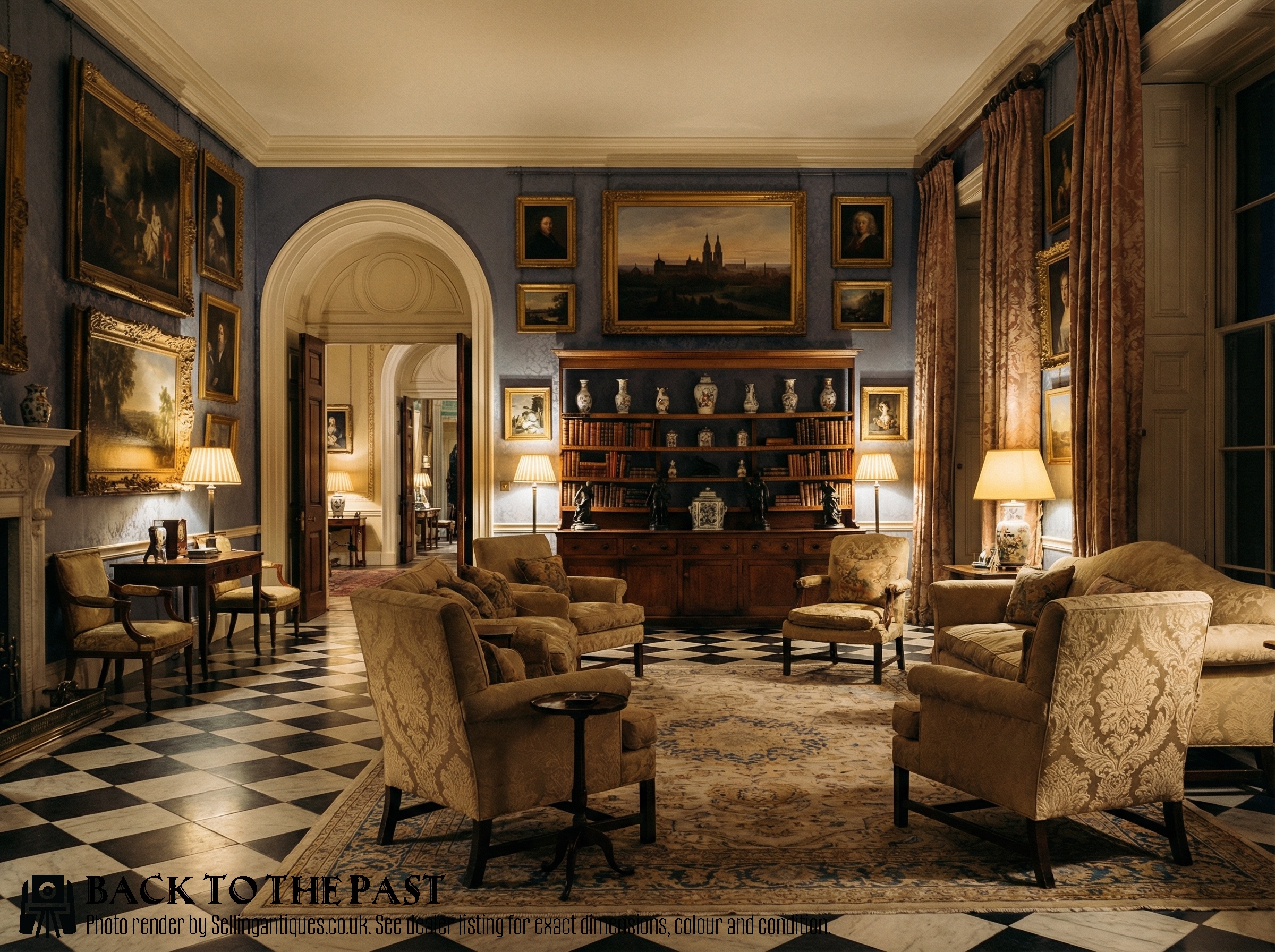
How they were made
Cabinet makers built these pieces using solid mahogany, oak, pine, and fruitwood, frequently applying figured mahogany and satinwood veneers to prominent surfaces. Drawer linings relied on secondary timbers like oak and pine, assembled with traditional dovetail joints to withstand heavy domestic demands.
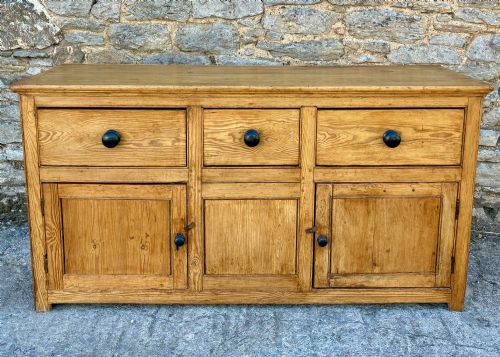
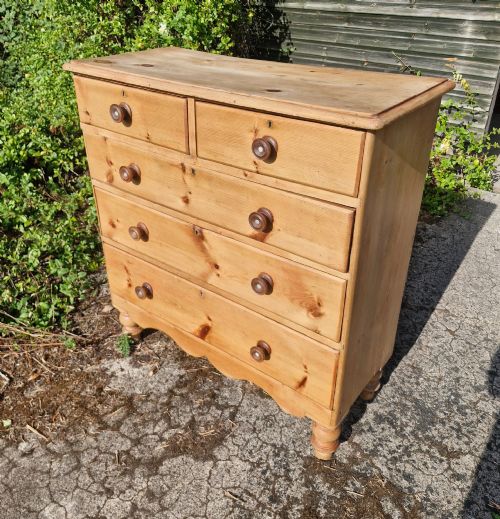
Brass hardware, glass panes, and occasionally ormolu mounts finished the formal reception pieces, while vernacular kitchen dressers retained simpler turned wooden knobs and iron latches. Wax finishes, natural oils, and occasional early paint treatments protected the timber while developing deep patinas over decades of use.
Nineteenth Century Dresser Retail Price Guide 2026
Typical asking prices for nineteenth century dresser among the pieces listed under this phrase on Sellingantiques today, from the lower quarter to the upper quarter. They describe what is for sale here now, not the wider market.
Look closely for the occasional chicken coop door mesh on Irish pieces, designed to keep the butter cool and the poultry ventilated.
What varies in quality
The choice of primary timber and veneer figure dictates the initial visual impact, moving from utilitarian painted pine up to highly figured flame mahogany and burr walnut. Finer examples display meticulous crossbanding, harmonious proportions, and untouched original brass handles rather than later replacements.
Structural integrity depends on the original joinery surviving without excessive timber shrinkage or crude repairs to the feet and cornice mouldings. Pieces retaining their original finish, whether a soft beeswax coat or honest historic paint, hold greater integrity than stripped or overly restored surfaces.
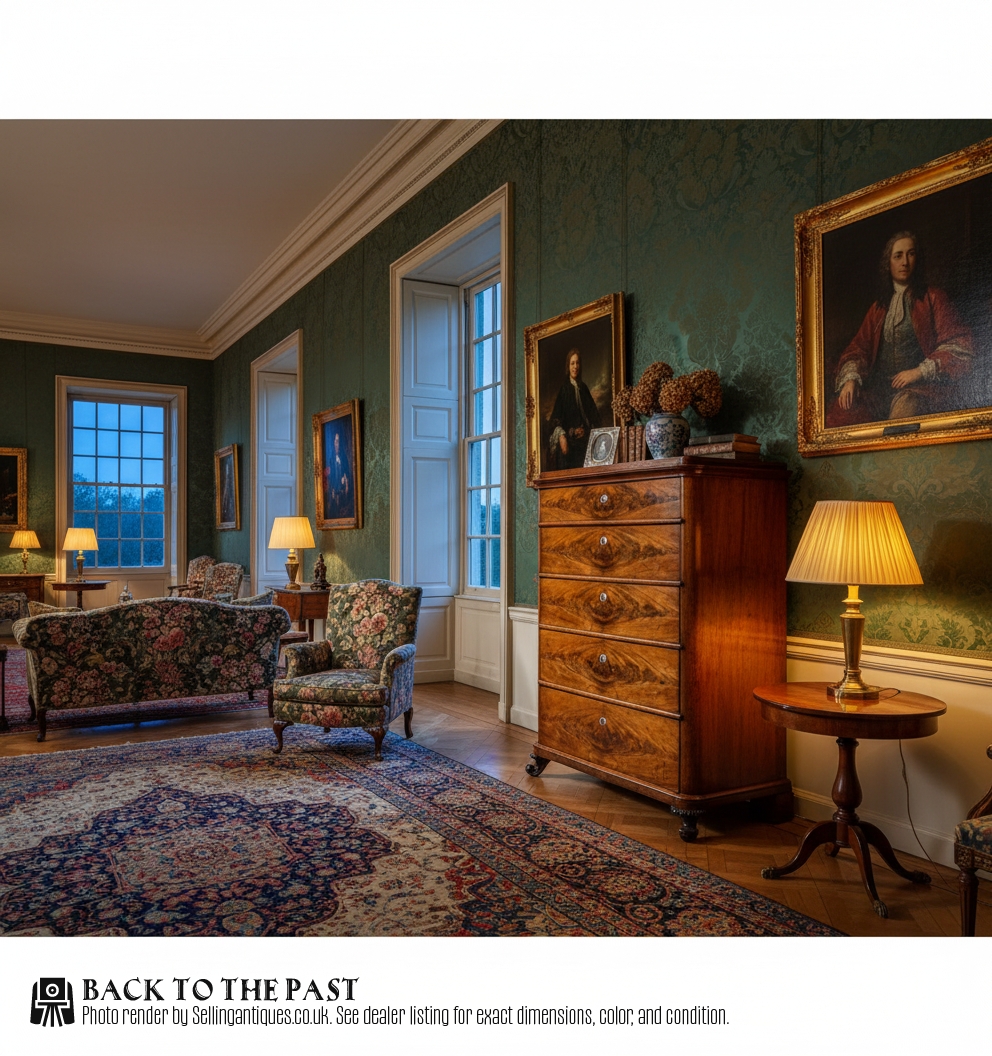
Howard and Sons·Gillows
The Nineteenth Century Dresser Glossary
- Bow front
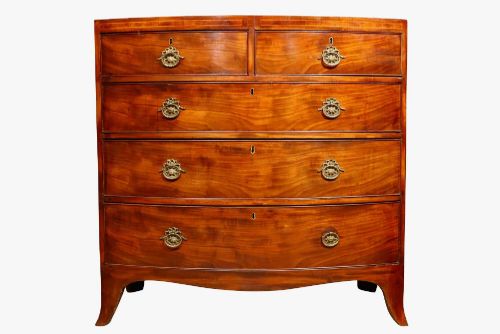
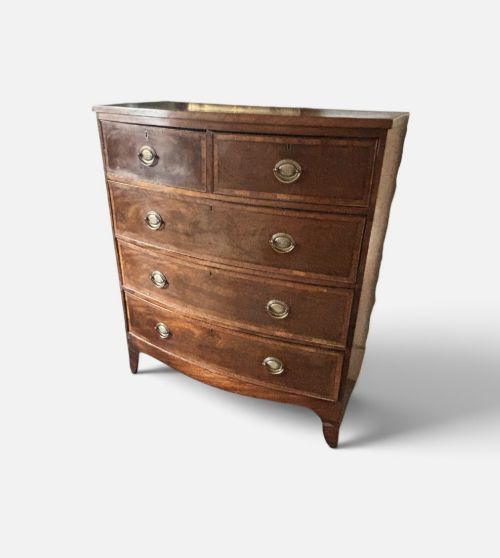
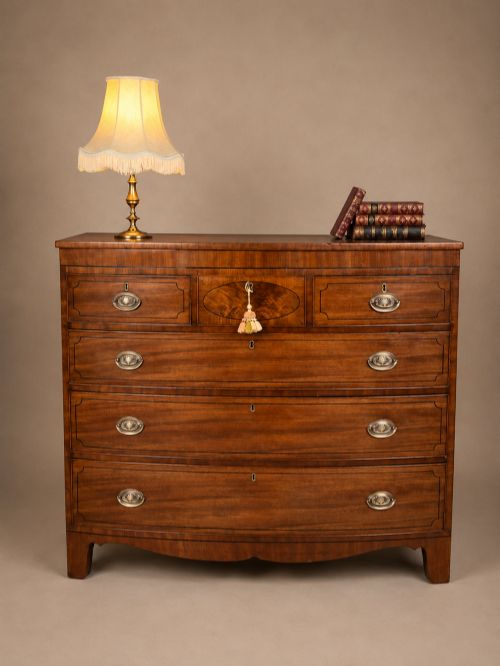
- A convex curved cabinet front popular during the Regency and Victorian periods. This curved profile softens room angles and showcases figured mahogany grain.
- Crossbanding
- A decorative border of veneer laid with the grain running perpendicular to the surrounding wood. It frames drawer fronts and table tops on finer formal pieces.
- Dresser base
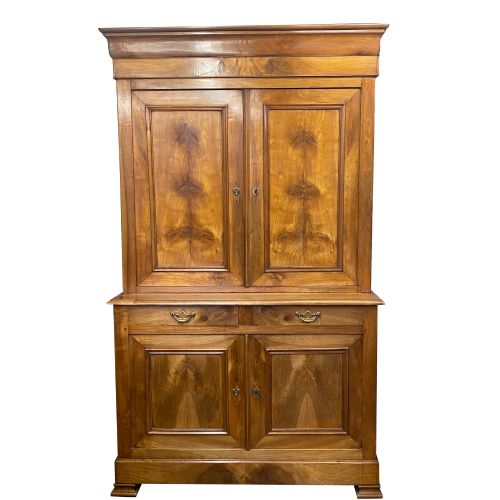
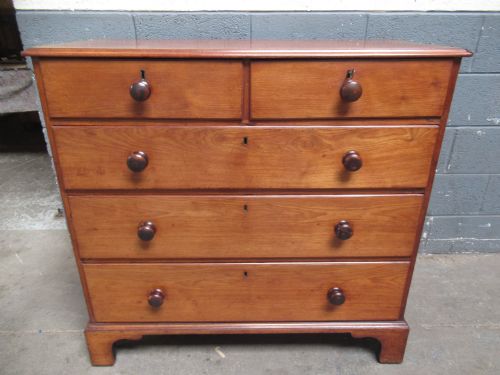
- The lower cabinet portion of a kitchen or dining room storage unit, typically featuring rows of drawers above cupboards. These versatile pieces functioned as work surfaces and storage.
- Ormolu
- Gilded bronze mounts applied to high-status nineteenth century furniture for decorative enrichment. Found on select credenzas and formal cabinets.
- Veneer
- A thin layer of choice timber applied over a secondary wood base to provide decorative grain patterns without excessive weight or cost.
Nineteenth Century Dresser: Frequently Asked Questions
How do I spot a true nineteenth century piece?
Examine the drawer construction for hand-cut dovetails and inspect the interior secondary timbers like oak or pine for tool marks and age oxidation. Historic timber shrinkage and hand-forged or early cast hardware confirm authenticity.
Compare the carcass proportions and timber patination against known period examples, noting that machine-cut screws and modern adhesives indicate later alterations.
Where were these dressers used in the home?
Kitchen dressers and housekeeper cupboards served working domestic spaces, holding everyday crockery, baking supplies, and pantry stores. Formal mahogany sideboards and credenzas stood in dining rooms for serving food and displaying silver.
Country pine and oak variants suited farmhouse kitchens and sculleries, while painted or polished walnut and mahogany versions belonged to parlours and formal reception rooms.
How should I care for waxed pine furniture?
Maintain waxed pine surfaces by applying a traditional beeswax polish sparingly and buffing with a soft cloth to nourish the dry timber. Avoid placing these pieces near direct heat sources or strong sunlight to prevent warping and cracking.
Clean spills immediately with a dry or barely damp cloth, as excessive moisture damages historic wax finishes and stains porous softwood.
What is the difference between a Welsh dresser and a sideboard?
A Welsh dresser typically incorporates open plate racks or shelving above a base of drawers and cupboards, designed for kitchen display and storage. A sideboard lacks upper shelving, functioning as a low serving table with cabinets for dining room china and linen.
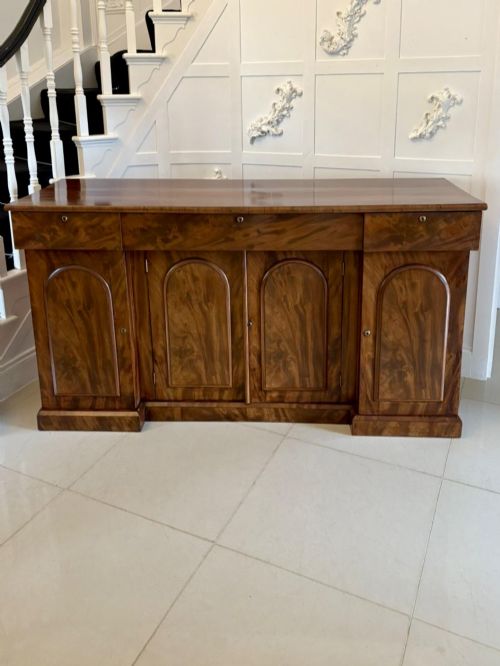
Sideboards often display finer veneers like flame mahogany and satinwood, whereas traditional dressers lean toward practical pine, oak, and fruitwood construction.