

Oak Dresser with Rack
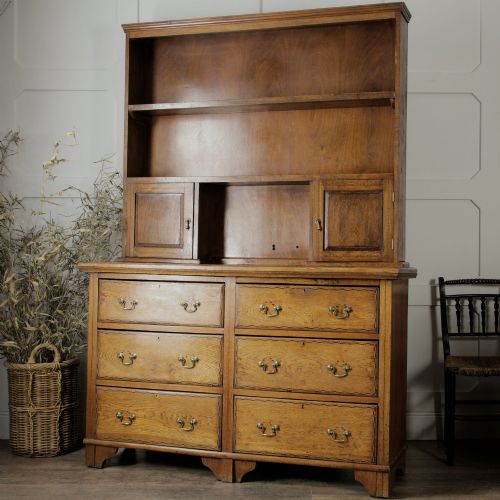
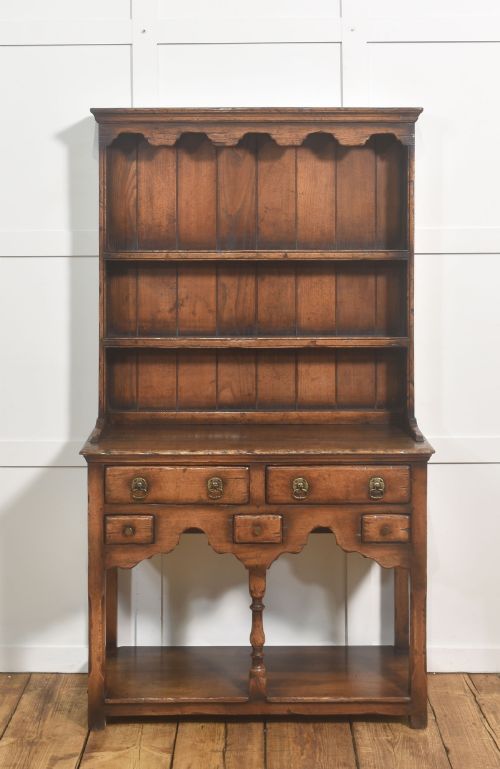
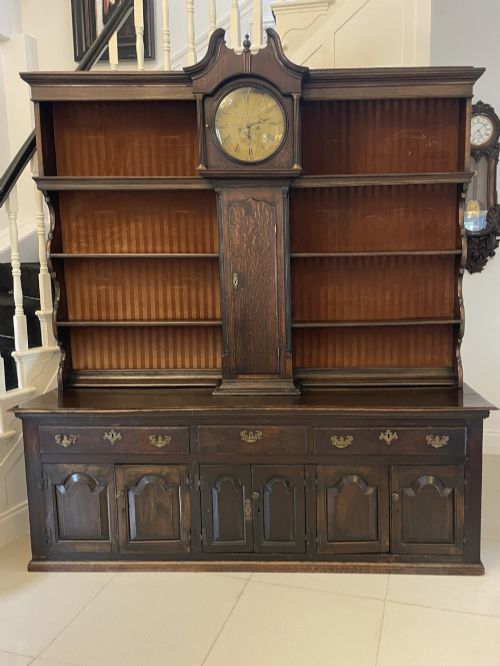
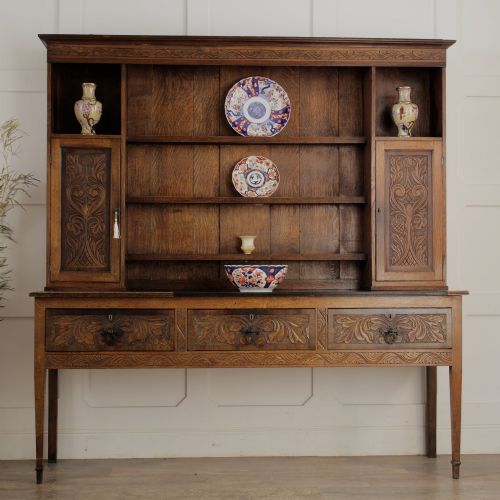
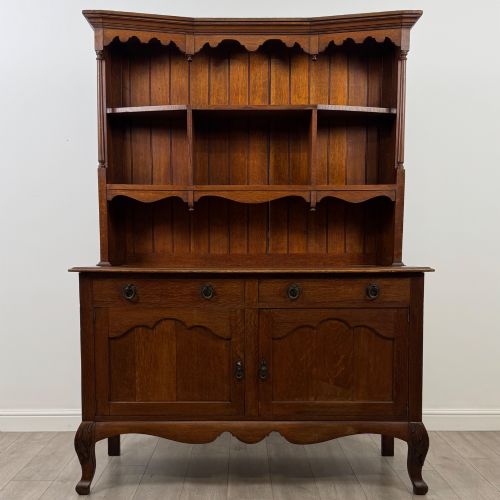
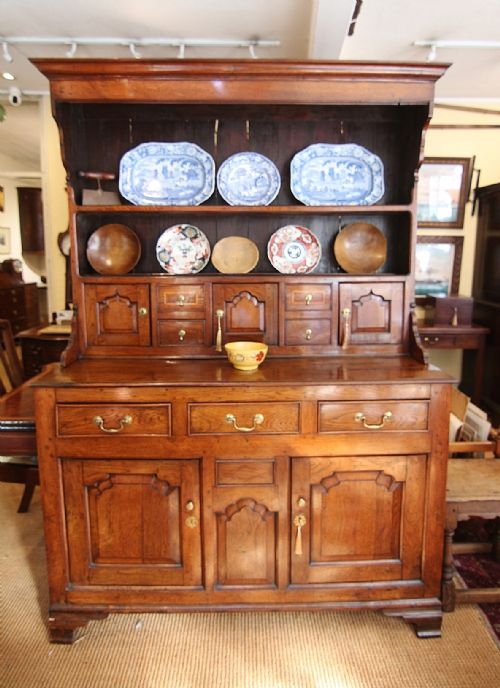
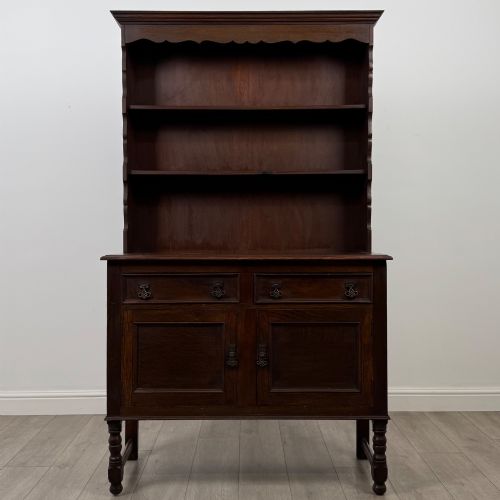
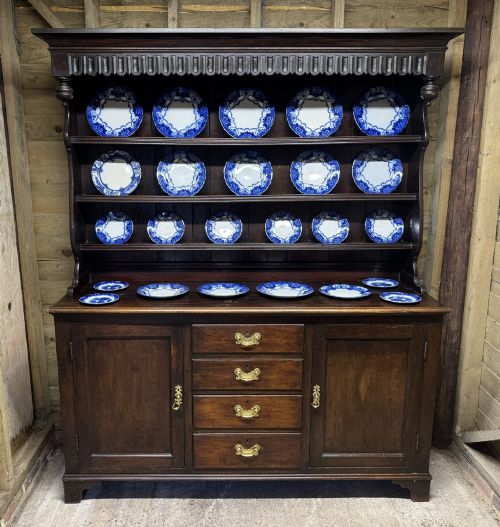
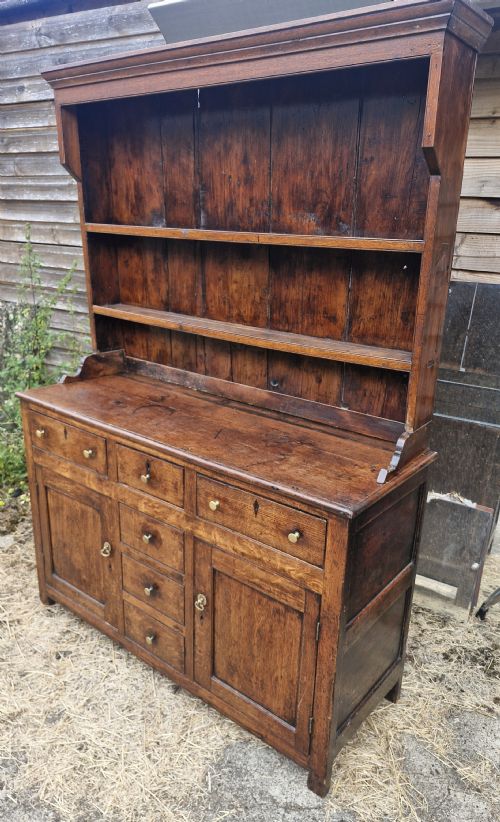
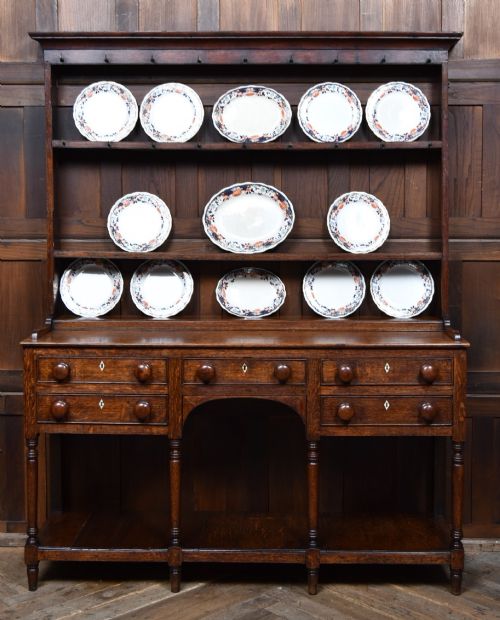
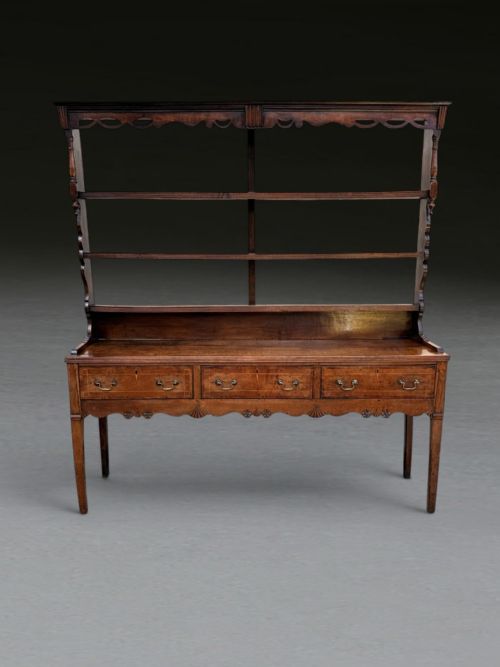
An oak dresser with rack is a substantial two-part timber furniture combining a deep base for storage and an open display shelving unit above.
Oak Dresser with Rack
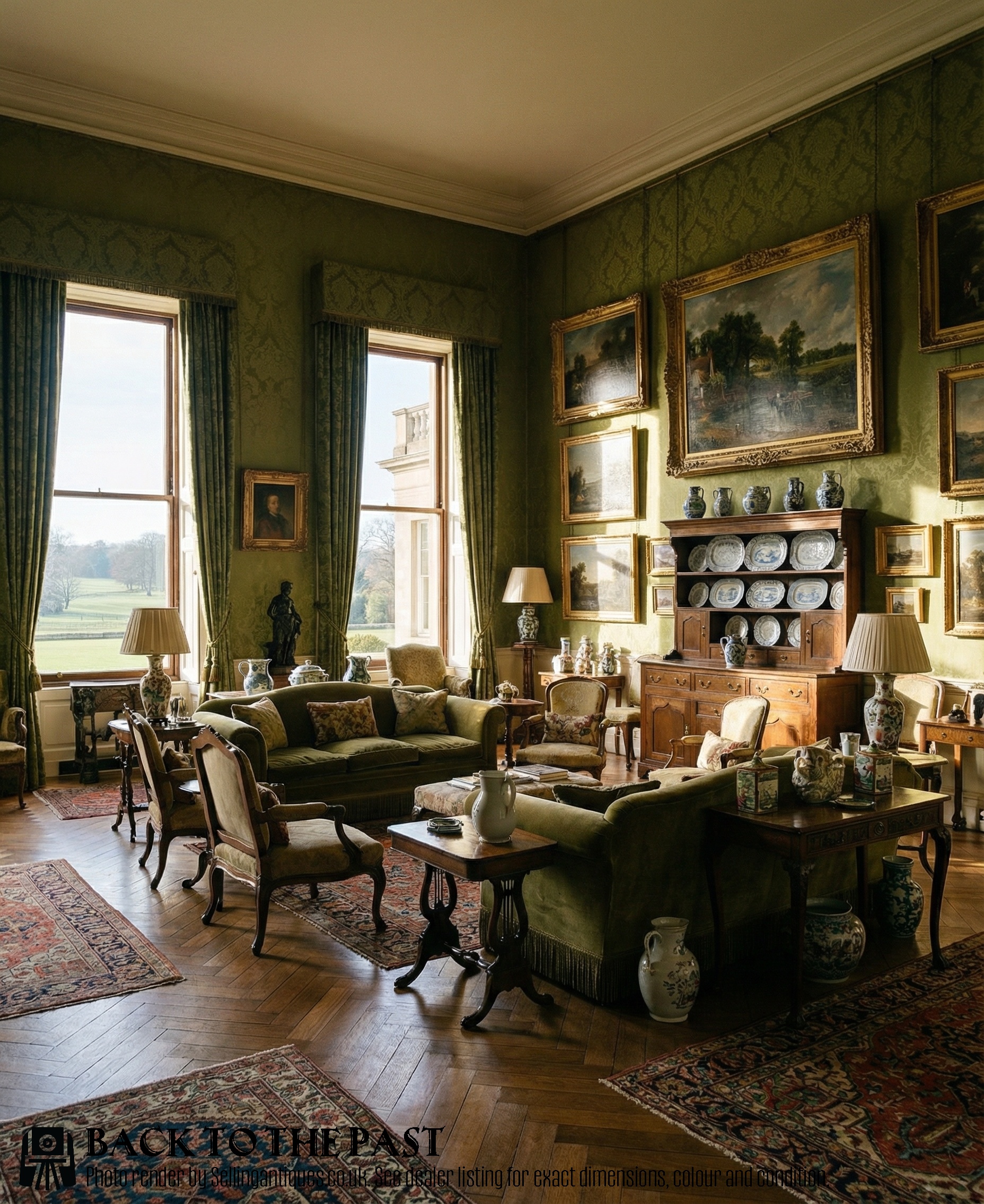
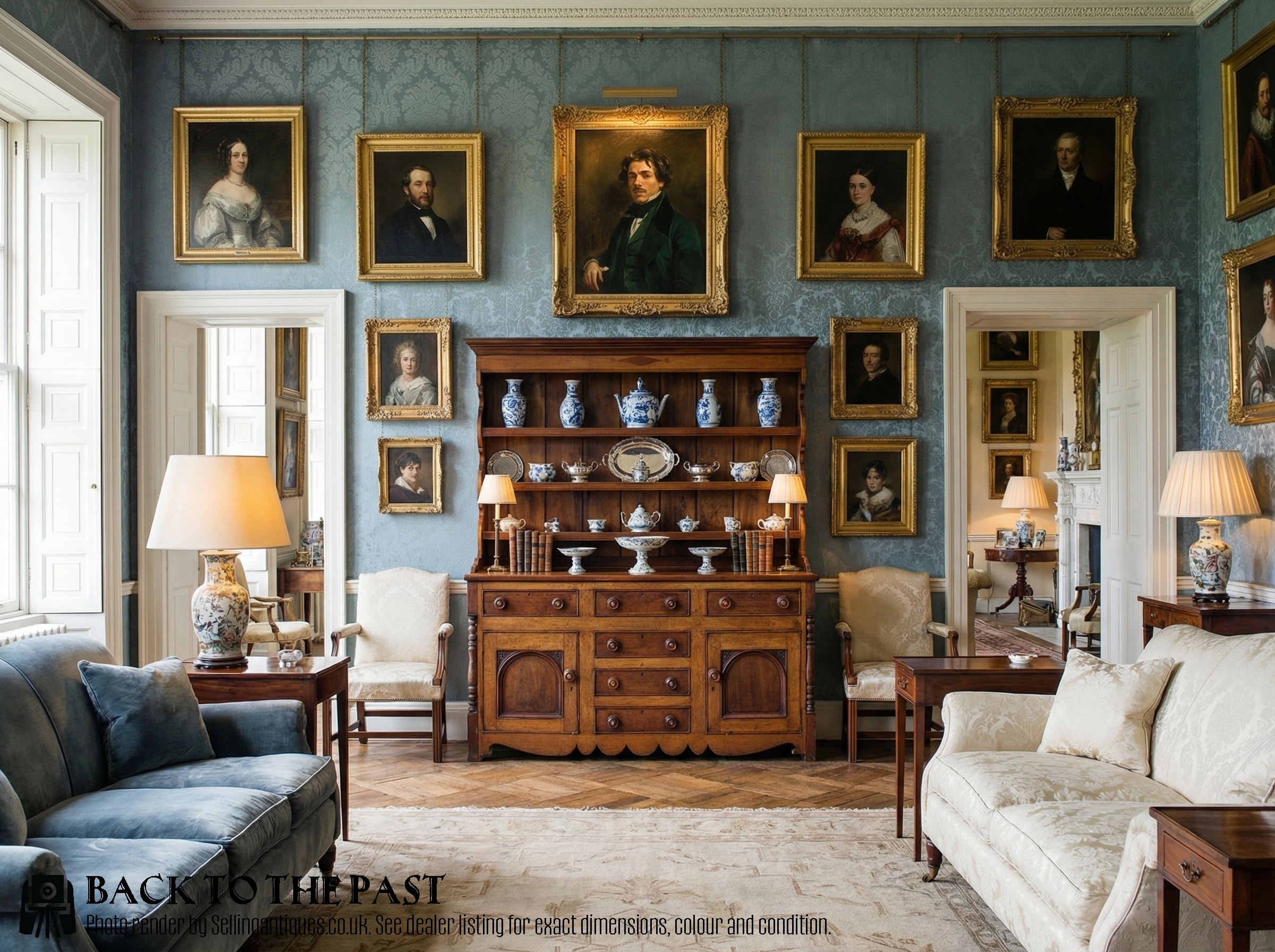
An oak dresser with rack spans centuries of domestic use, appearing primarily in regional British forms from the Georgian period through to the Edwardian era. These pieces combine a lower storage cabinet, drawer section or open potboard with an upper plate display rack designed to hold ceramics.
Regional variations dominate the selection, with Welsh, West Country and North Country vernacular styles appearing frequently alongside formal George III examples. The lower section ranges from enclosed cupboards and breakfront drawers to open potboards intended for everyday kitchen utility.
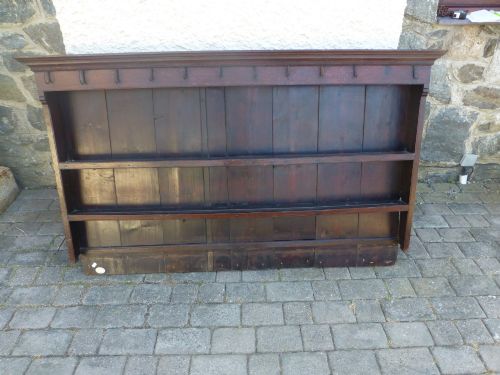
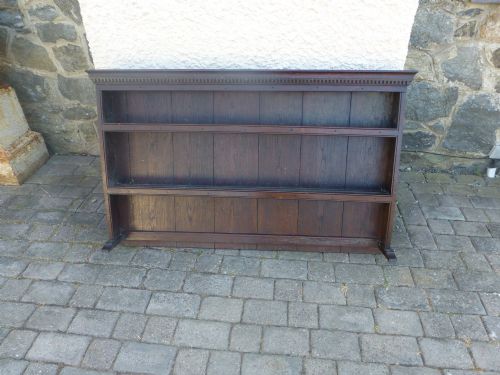
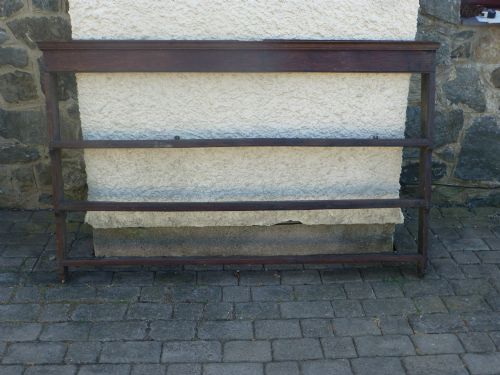
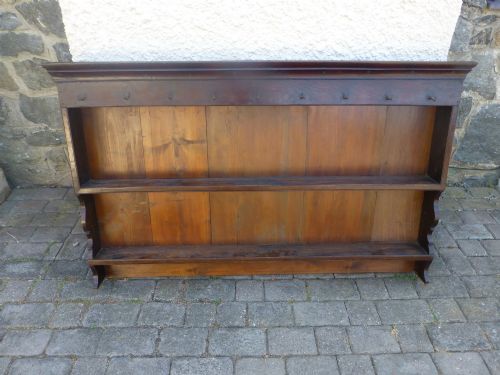
The upper racks vary from simple open shelves to formats incorporating small spice cupboards, shaped friezes or vertical plate rails. Surviving examples reflect the domestic traditions of English and Welsh farmhouses, country houses and rural cottages.
Materials and construction
Construction relies heavily on solid oak timbers, frequently supplemented by secondary woods such as elm, pine, fruitwood or ash for internal framing and drawer linings. Joinery is traditionally executed using pegged mortise and tenon joints, hand-cut dovetails on drawer construction and panelled backs.
Hardware consists of brass drop handles, escutcheons and iron fixings that show variation from early cast examples to later stamped brassware. Surface finishes develop through decades of waxing and natural oxidation, occasionally revealing traces of early painted schemes or rich honey tones.
Oak Dresser with Rack Retail Price Guide 2026
Typical asking prices for oak dresser with rack among the pieces listed under this phrase on Sellingantiques today, from the lower quarter to the upper quarter. They describe what is for sale here now, not the wider market.
Materials across the inventory include primary solid oak supported by secondary uses of brass, elm, pine, bone, iron, glass and mahogany.
Gradations of quality
Quality reveals itself in the structural integrity of the timber, the retention of the original matching upper rack to the base, and the depth of surface patina. Pieces retaining their original potboards, backboards and uncompromised proportions command greater consideration than those assembled from mismatched elements.
The sophistication of the mouldings, the crispness of the drawer dovetailing and the choice of quarter-sawn oak figure distinguish standard utility pieces from high-status country house commissions.
The Oak Dresser with Rack Glossary
- Potboard
- An open slatted lower shelf fitted beneath the main counter of a dresser, historically used for storing heavy pots and pans. This lower tier defines many traditional vernacular designs.
- Plate rack
- The upper superstructure attached to the dresser base, featuring horizontal shelves and vertical grooves or plate rails for displaying crockery upright. Original racks match the timber and wear of the base.
- Dog kennel
- A central recessed compartment or void positioned between lower cupboards or drawers beneath the dresser counter. This architectural feature appears frequently in Welsh vernacular pieces.
- Vernacular furniture
- Domestic pieces made by local regional cabinetmakers using native timbers to satisfy practical household needs rather than following metropolitan fashion. These items display distinct local construction traits.
- George III
- The stylistic period spanning the mid to late eighteenth century, characterised by balanced proportions, disciplined classical lines and fine timber selection. Pieces from this era often show high cabinetmaking skill.
Oak Dresser with Rack: Frequently Asked Questions
What is the difference between a Welsh dresser and an English dresser?
Welsh dressers frequently display regional vernacular characteristics such as open potboards, central dog kennel compartments, and distinct proportions tailored to rural domestic spaces. English variants often adhere more closely to Georgian architectural styles with enclosed cupboard bases and formal bracket feet.
Both types fulfil the same core function of combining kitchen storage with upper display shelving for ceramics.
Are the plate racks usually original to the base?
Many surviving examples retain their original upper racks, which match the timber grain, colour, and wear patterns of the lower cabinet exactly. Because upper sections were easily separated or replaced over centuries of domestic use, some pieces bring together marriage racks from the same period.
Examining the construction methods, nail types, and backboards helps determine whether the upper rack shares the exact history of the base.
How do I care for antique oak furniture?
Antique oak benefits from consistent indoor humidity levels and protection from direct heat sources and strong sunlight that can dry out the timber. Applying traditional beeswax periodically nourishes the wood and preserves the surface sheen without building up heavy chemical residues.
Routine dusting with a soft, dry cloth prevents particulate accumulation on carved details and mouldings.
What woods were used besides oak?
While oak serves as the primary structural and visual timber, cabinetmakers utilised secondary woods for internal components. Elm, pine, ash and fruitwood frequently appear in drawer linings, backboards, shelf supports and secondary framing elements.
These complementary materials reflect regional timber availability and standard period workshop practices.