


Traditional Kitchen Dresser
A traditional kitchen dresser brings honest utility and timeless storage to a home, combining deep base cupboards with open display shelving.
Traditional Kitchen Dresser
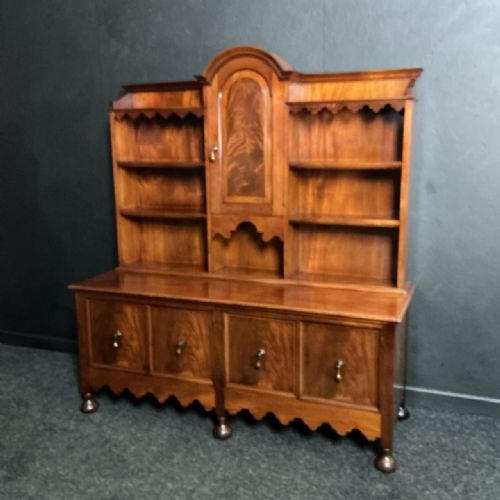
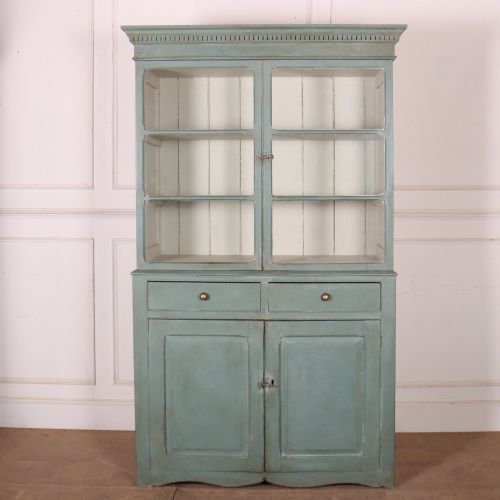
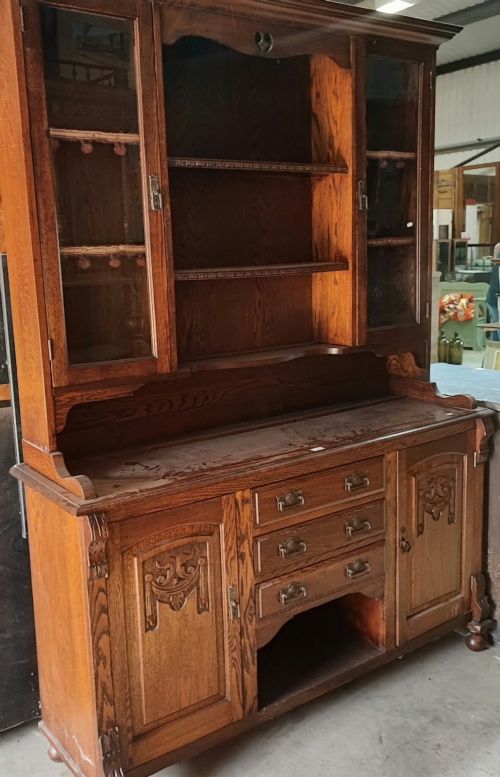
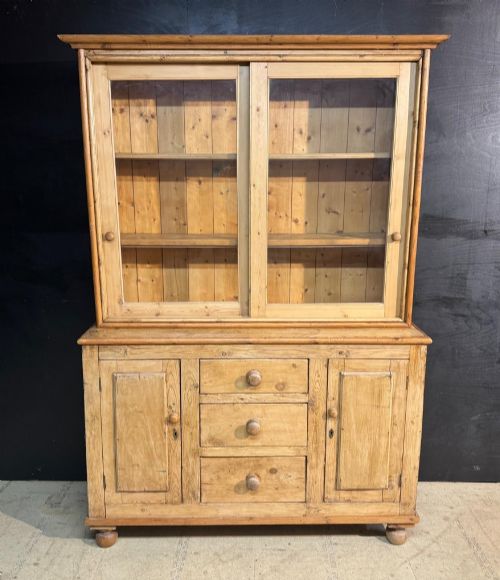
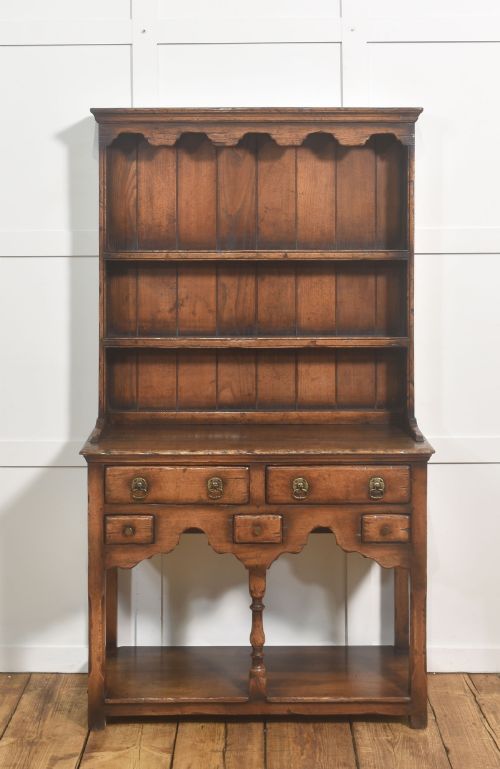
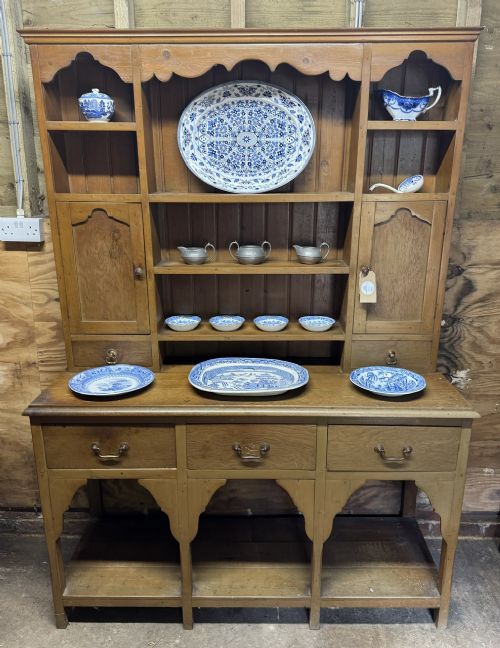
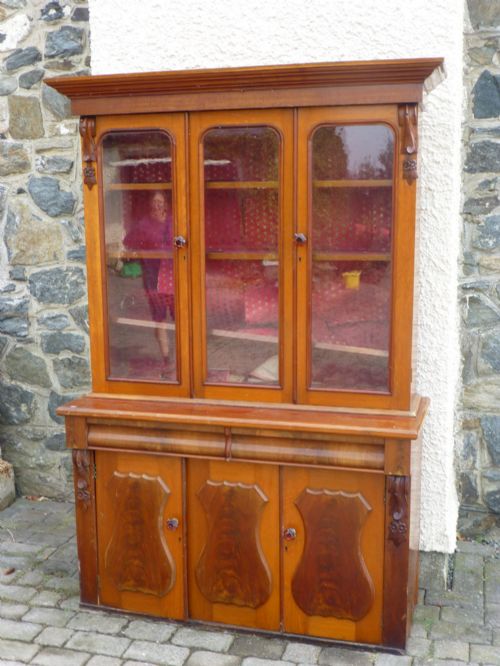
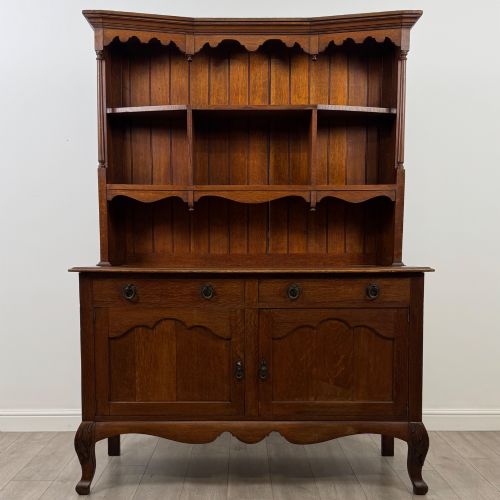
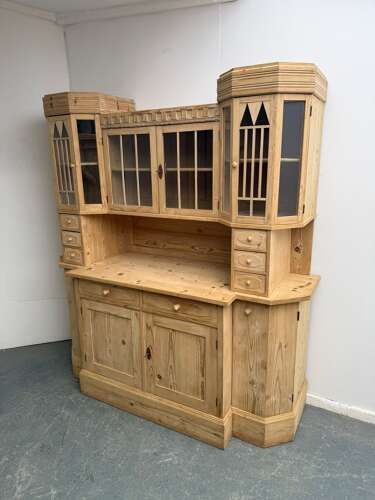
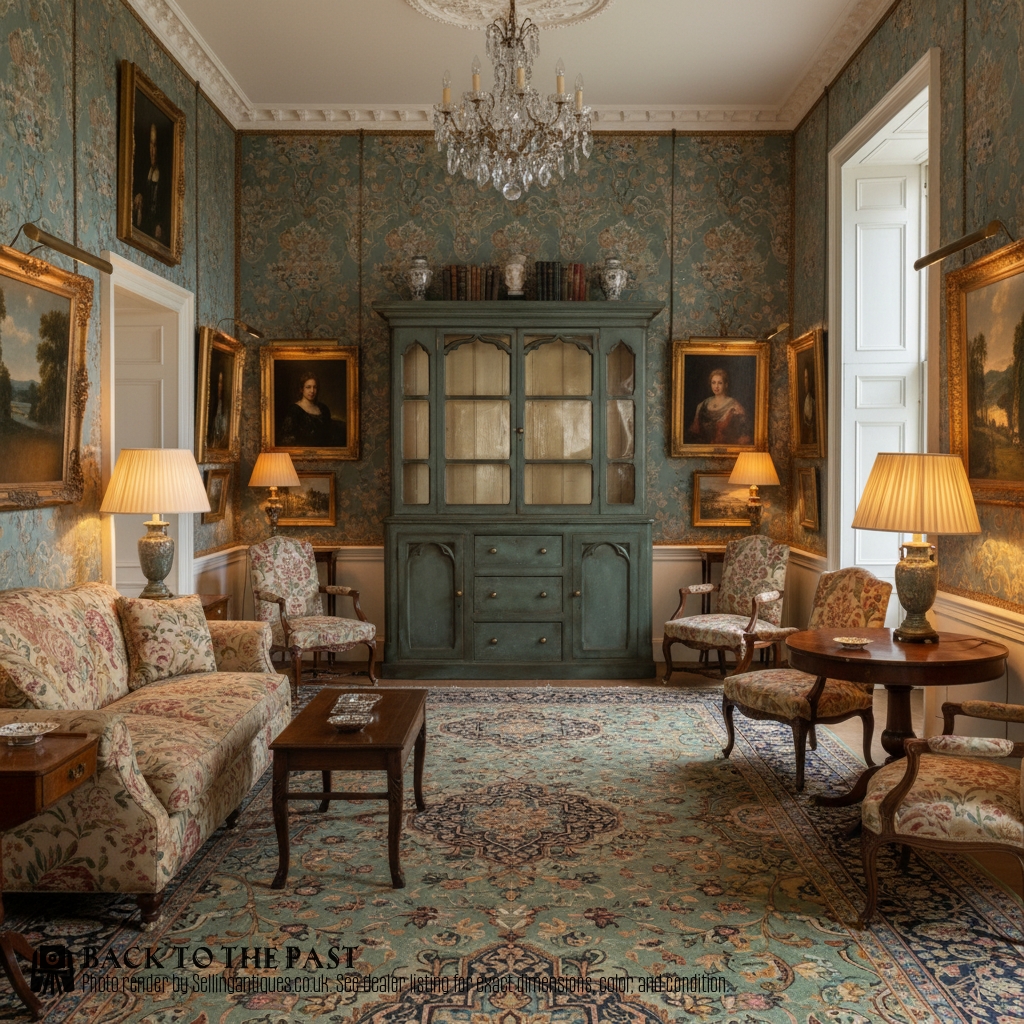
A traditional kitchen dresser serves as the working heart of a country interior, designed to hold heavy earthenware, glassware and everyday provisions. When searching for a traditional kitchen dresser, buyers encounter everything from modest pine cottage examples to substantial oak pieces with glazed upper bookcases.
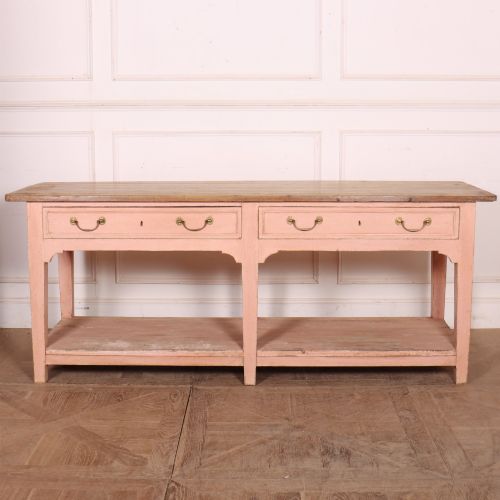
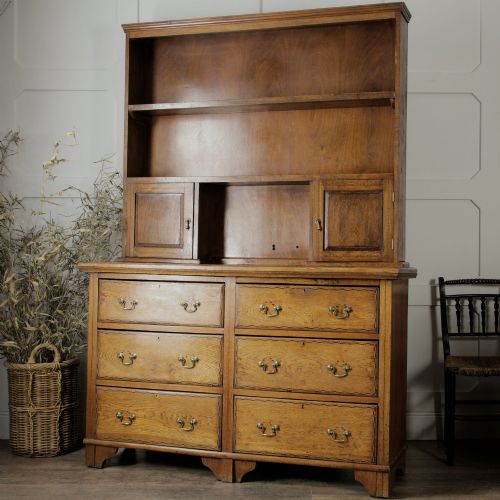
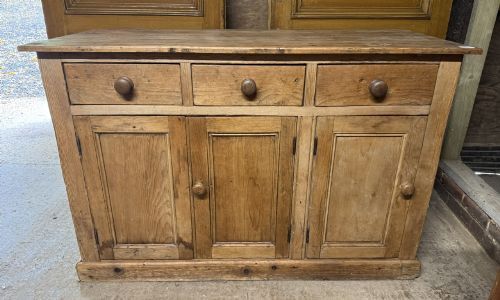
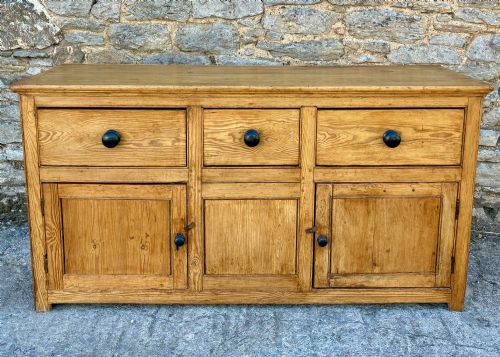
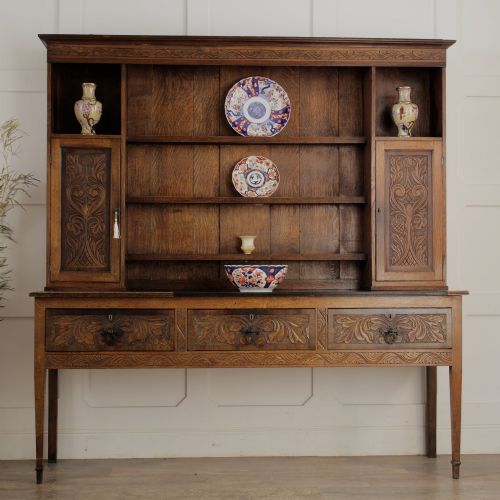
The form typically splits into two main formats: a closed base of drawers and cupboards surmounted by an open plate rack, or an open potboard base designed for floor-level storage. These pieces originate primarily from Georgian, Victorian and Edwardian periods, with regional variations appearing from Wales, Scotland and the West Country.
Pine and oak dominate the selection, often found with original painted finishes, waxed surfaces or patinated timber developed through generations of domestic use. Whether looking for a compact sideboard base or a towering two-piece glazed cupboard, these furnishings provide practical storage rooted in centuries of rural craftsmanship.

How They Were Made
Cabinet makers built these pieces using solid native timbers such as oak, pine and mahogany, chosen for their structural strength and ability to endure heavy daily use. Joinery techniques relied on pegged mortise and tenon frames for bases, while plate racks utilised simpler housing joints to support vertical tiers of crockery.
Hardware played a functional role, with brass pulls, iron hinges and wooden knobs securing drawers and doors built with hand-cut dovetail joints. Surfaces were finished simply with natural wax or left in their original paint, allowing the timber to breathe and acquire character over time.
Traditional Kitchen Dresser Retail Price Guide 2026
Typical asking prices for traditional kitchen dresser among the pieces listed under this phrase on Sellingantiques today, from the lower quarter to the upper quarter. They describe what is for sale here now, not the wider market.
Regional forms include Welsh dressers, Scottish potboard bases and West Country kitchen cabinets.
What Varies in Quality
The distinction between ordinary and exceptional pieces lies in the proportion of the timber, the integrity of the original construction and the preservation of surface patina. Pieces retaining their untouched waxed surfaces or authentic historic paint command greater interest than those stripped down and aggressively sanded.
Construction details reveal the standard of the maker, from the fine hand-cut dovetailing in the drawer linings to the original glass panes and brass hardware fitted to glazed upper cabinets. The presence of an unalterable, harmonious plate rack paired correctly to its original base elevates the standing of the entire furniture piece.
The Traditional Kitchen Dresser Glossary
- Potboard base
- A low sideboard featuring an open lower shelf near the floor, traditionally used for storing pots and pans.
- Plate rack
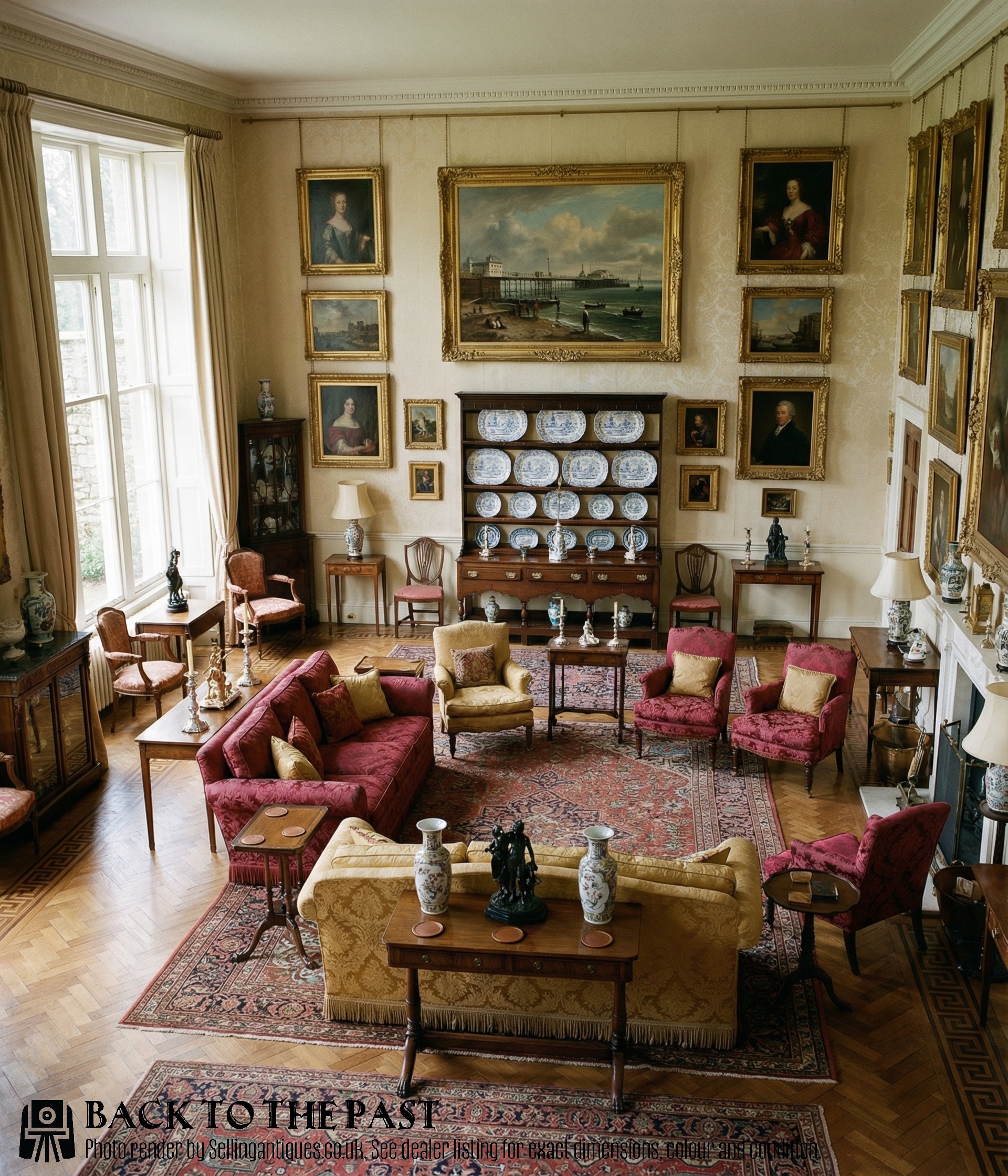
- A set of open wall shelves incorporating grooved plate rails and vertical slats to display delftware and crockery safely.
- Welsh dresser
- A regional cabinet form combining a sturdy lower buffet with an extensive upper display shelving superstructure.
- Delft dresser
- A traditional storage unit specifically designed to showcase tin-glazed earthenware plates and bowls.
- Patina
- The deep, lustrous surface sheen developed on timber through decades of handling, polishing and exposure to light.
Traditional Kitchen Dresser: Frequently Asked Questions
What is a traditional kitchen dresser?
A traditional kitchen dresser is a utilitarian storage item comprising a lower cabinet or sideboard base with an upper section for displaying plates and storing kitchenware.
These pieces evolved to serve domestic needs in country houses and farmhouses, providing a central place to organise tableware and provisions.
How do I date a kitchen dresser?
Dating relies on examining the timber species, construction methods like dovetailing, and the overall style of the mouldings and hardware. Georgian and 18th-century examples tend to feature heavy oak and deeper fielded panels, whereas Victorian and Edwardian versions frequently utilise pine or mahogany.
Secondary woods inside drawers and the presence of original brass or iron fittings also offer strong chronological clues regarding manufacture.
Are plate racks always attached to the base?
Many traditional dressers are built as two-piece units where the plate rack simply rests upon the top of the sideboard base. This modular construction made heavy furniture easier to transport between rooms or properties during earlier centuries.
Some smaller pieces consist solely of wall-mounted plate racks or standalone dresser bases without any upper shelving.
How do I care for antique pine?
Antique pine benefits from occasional applications of natural beeswax to nourish the dry timber and protect the surface from moisture. Avoid placing wooden furniture near direct heat sources or in fluctuating humidity to prevent the wood from splitting.
Gentle dusting with a soft cloth preserves the historic wax finish and maintains the developed patina over time.