






Antique Pine Hutch
An antique pine hutch brings practical utility and honest country character to a room, offering generous storage alongside timeworn warmth.
Antique Pine Hutch
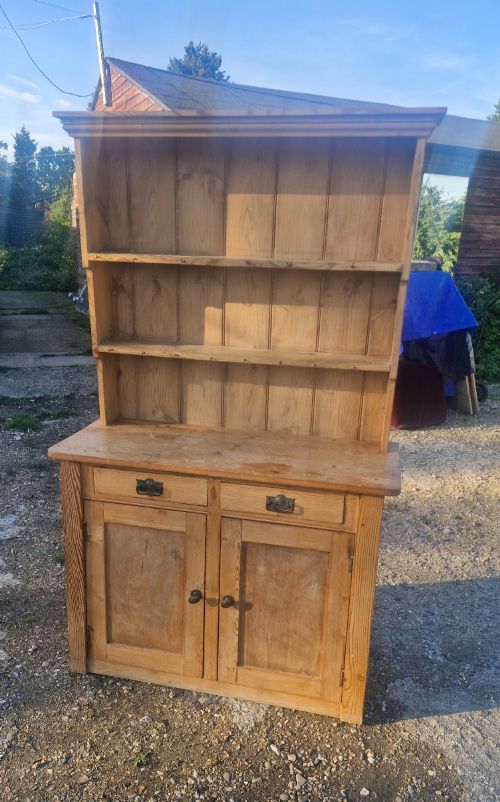
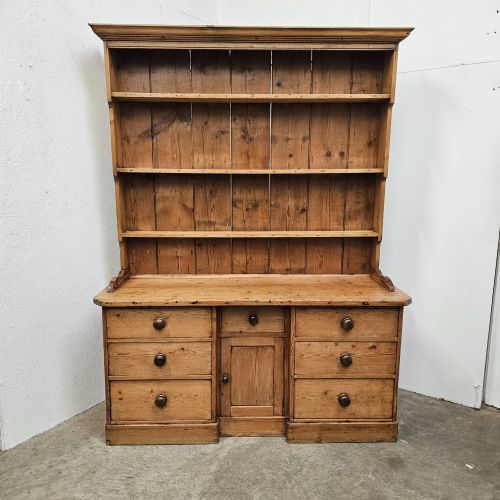
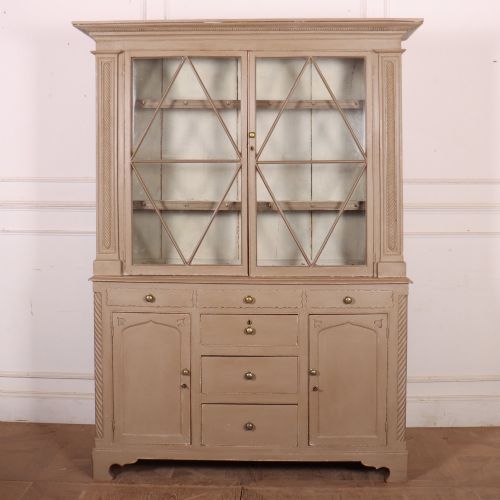
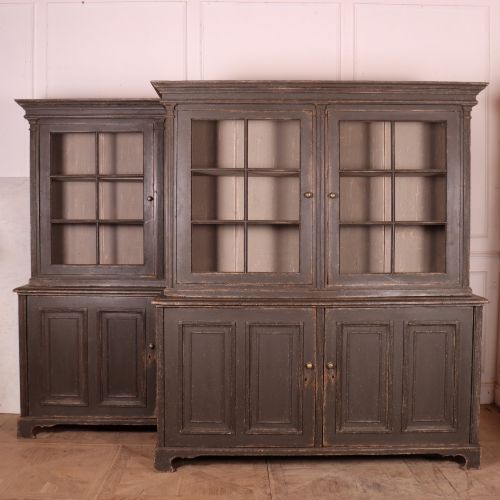
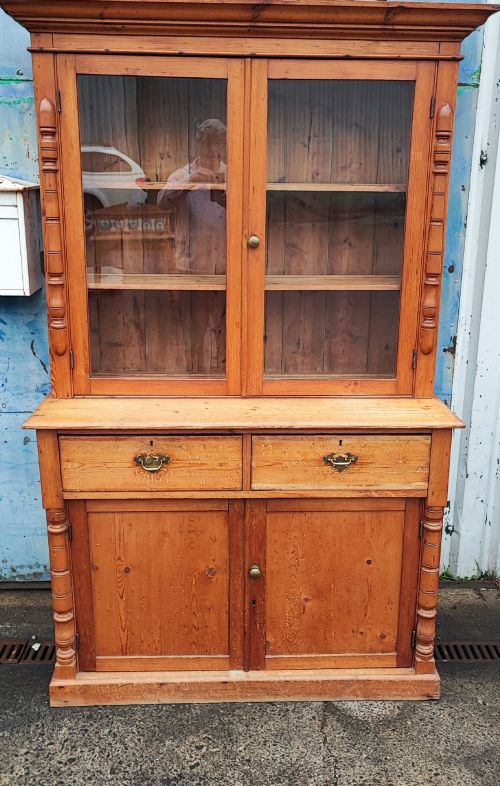
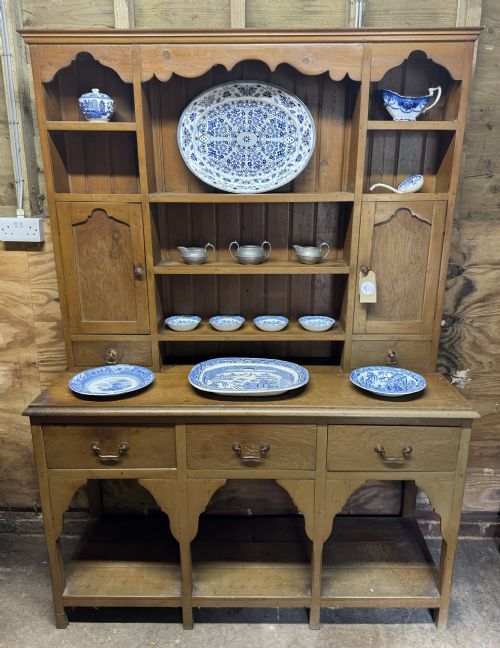
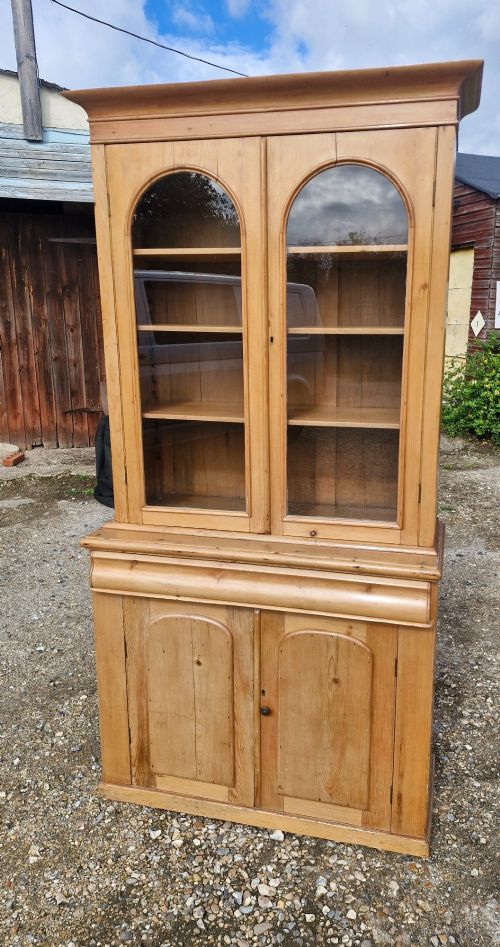
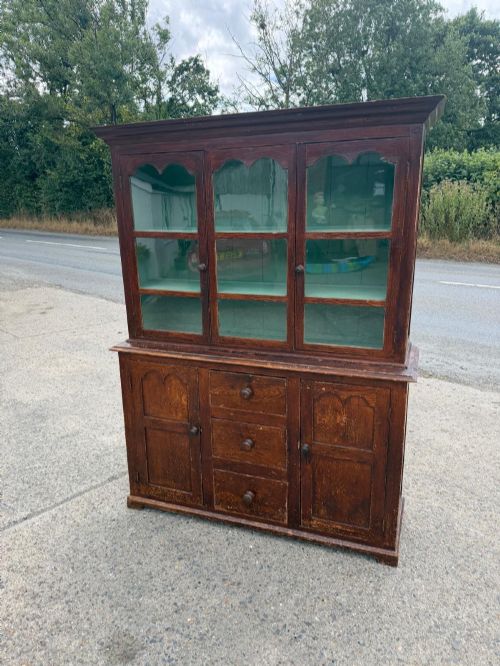
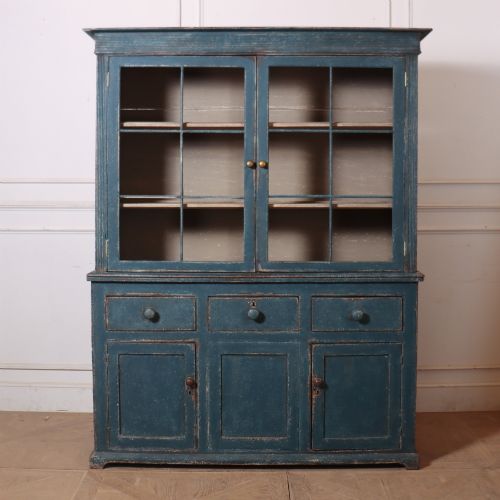
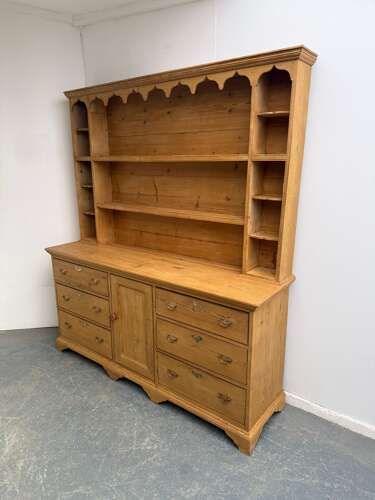
When you search for an antique pine hutch, you encounter sturdy kitchen dressers, food cupboards, and regional storage pieces originating from English, Welsh, Irish, and Scandinavian country houses. These items combine lower cupboards or drawers with upper plate racks, shelving, or glazed cabinets designed for daily domestic use.
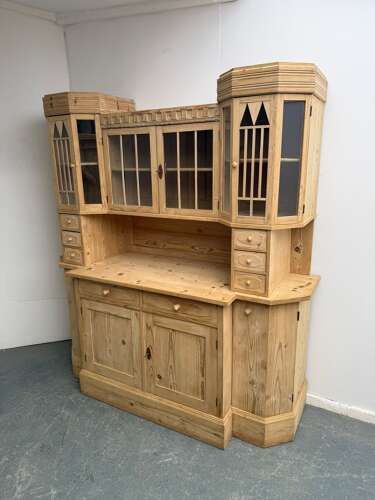
The pieces on this page span the eighteenth, nineteenth, and early twentieth centuries, encompassing Georgian, Victorian, and Arts and Crafts vernacular traditions. You will find small farmhouse cupboards alongside massive multi-door kitchen dressers and corner cabinets built from native softwood.
Regional forms dominate the selection, including Welsh vernacular dressers, West Country kitchen pieces, and painted Swedish or Hungarian cupboards. Each example reflects the local joinery methods and domestic requirements of its specific rural origin.
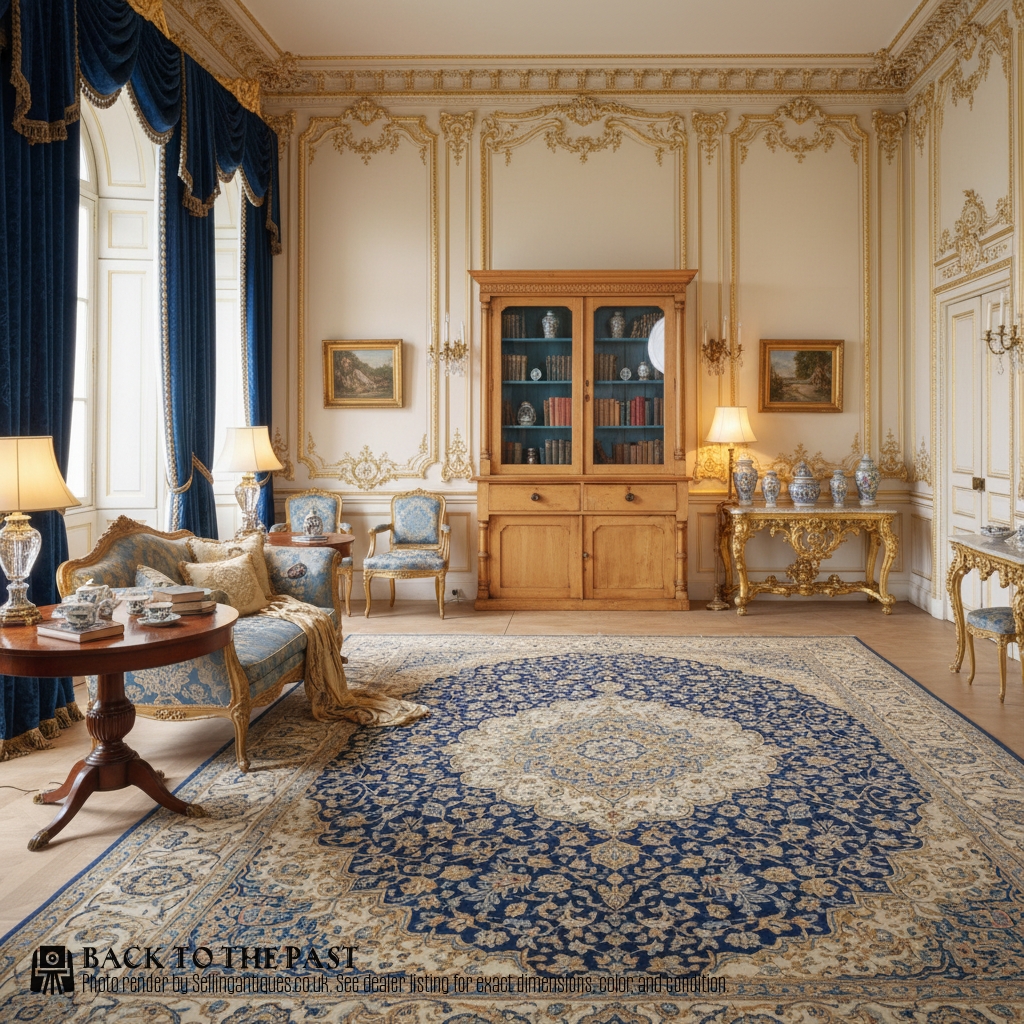
What varies in quality
Quality rests upon the integrity of the original construction and the preservation of authentic surface finishes like old paint or patinated wax. Pieces retaining their original hardware, uncompromised backboards, and unaltered proportions stand apart from heavily restored examples.
Proportion and regional character dictate desirability, with vernacular details such as shaped aprons, original glazing bars, and untouched folk art decoration elevating a piece above standard utilitarian storage.
Antique Pine Hutch Retail Price Guide 2026
Typical asking prices for pine hutch among the pieces listed under this phrase on Sellingantiques today, from the lower quarter to the upper quarter. They describe what is for sale here now, not the wider market.
Geographic origins span English, Welsh, Irish, Swedish, Danish, and Hungarian vernacular traditions.
The Antique Pine Hutch Glossary
- Vernacular furniture
- Objects built by local country joiners for everyday domestic use rather than following high-style urban cabinet-making fashions. These pieces utilise native woods and regional design traditions.
- Scrumbled finish
- A decorative surface technique where a translucent topcoat of darker paint is manipulated over a lighter base colour to simulate the grain of more expensive hardwoods.
- Plate rack
- The open shelving superstructure attached to the top of a dresser, featuring grooved plate rails designed to display crockery safely upright.
- Lambing chair
- A traditional high-backed enclosed wooden seat, often incorporating a storage compartment beneath the seat, historically used by shepherds and farmers.
Antique Pine Hutch: Frequently Asked Questions
How do I use a pine hutch today?
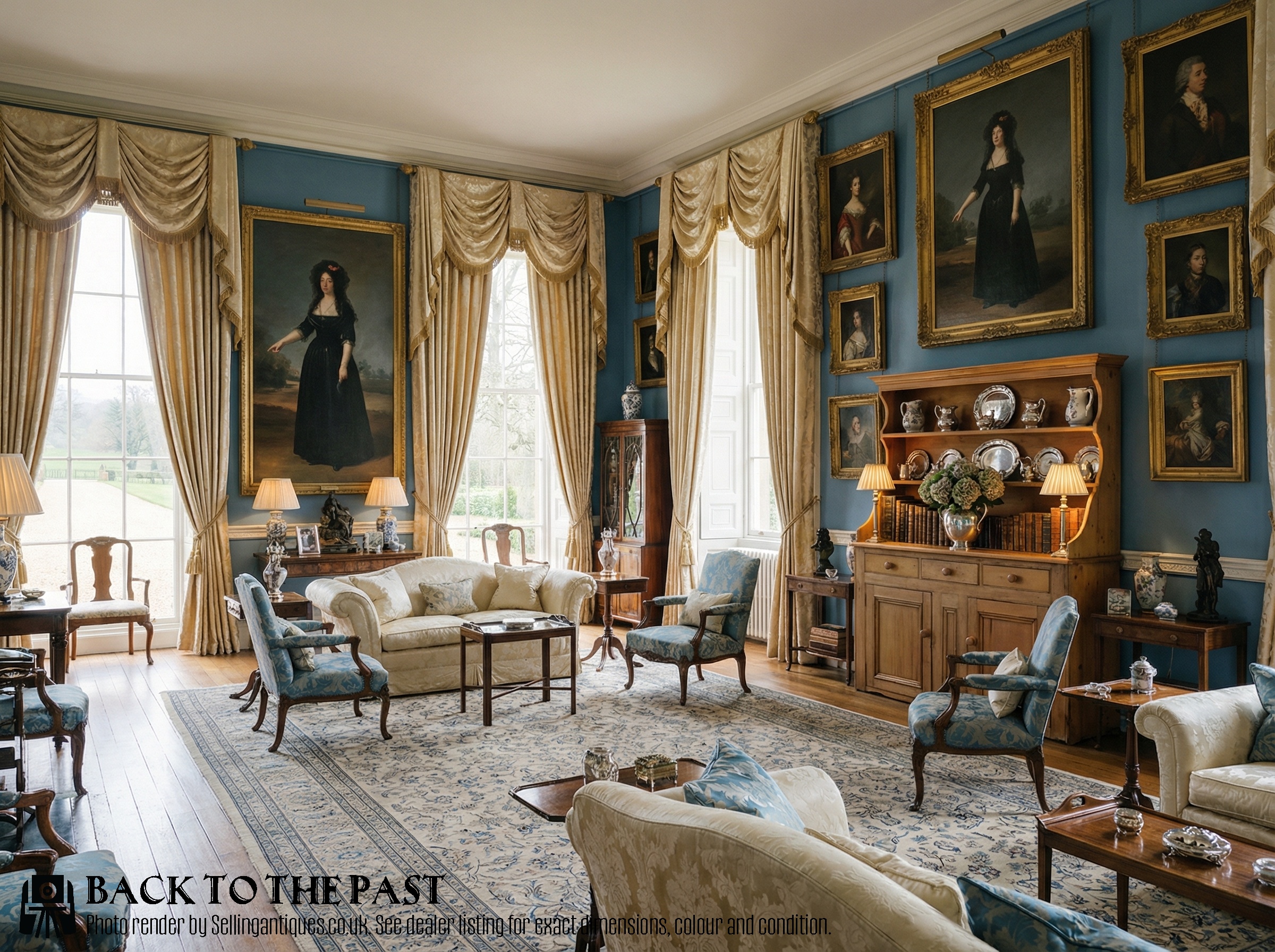
An antique pine hutch serves well in a kitchen or dining room for displaying tableware, glassware, and serving pieces while keeping linens or dry goods stored below.
In living areas or hallways, these cupboards provide substantial vertical storage for books, collections, or everyday household items while adding warmth to the interior.
What is the difference between a dresser and a hutch?
In British vernacular furniture, the term dresser typically denotes a base unit with drawers and cupboards, often topped by a plate rack or shelving superstructure.
Food hutches and cupboards focus more on enclosed storage for provisions, though historical naming conventions frequently overlap across different regions.
Are painted finishes original on these pieces?
Many pieces retain historic or original paint layers, including traditional Scandinavian and British folk art decoration, creamy tones, and teal finishes.
Over the centuries, owners often repainted utilitarian furniture, so underlying layers frequently tell a complex story of domestic use and changing tastes.
How do I care for waxed pine surfaces?
Maintain waxed pine surfaces by occasionally applying a traditional beeswax polish and buffing with a soft cloth to preserve the moisture and sheen of the timber.
Keep these pieces away from direct heat sources and strong sunlight to prevent the pine from drying out or the historic wax finish from degrading.