




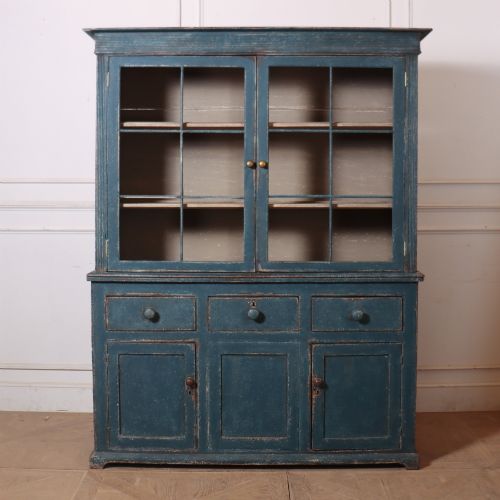
Georgian Pine Dresser
A georgian pine dresser brings honest domestic utility and warm regional character into a modern kitchen or dining room.
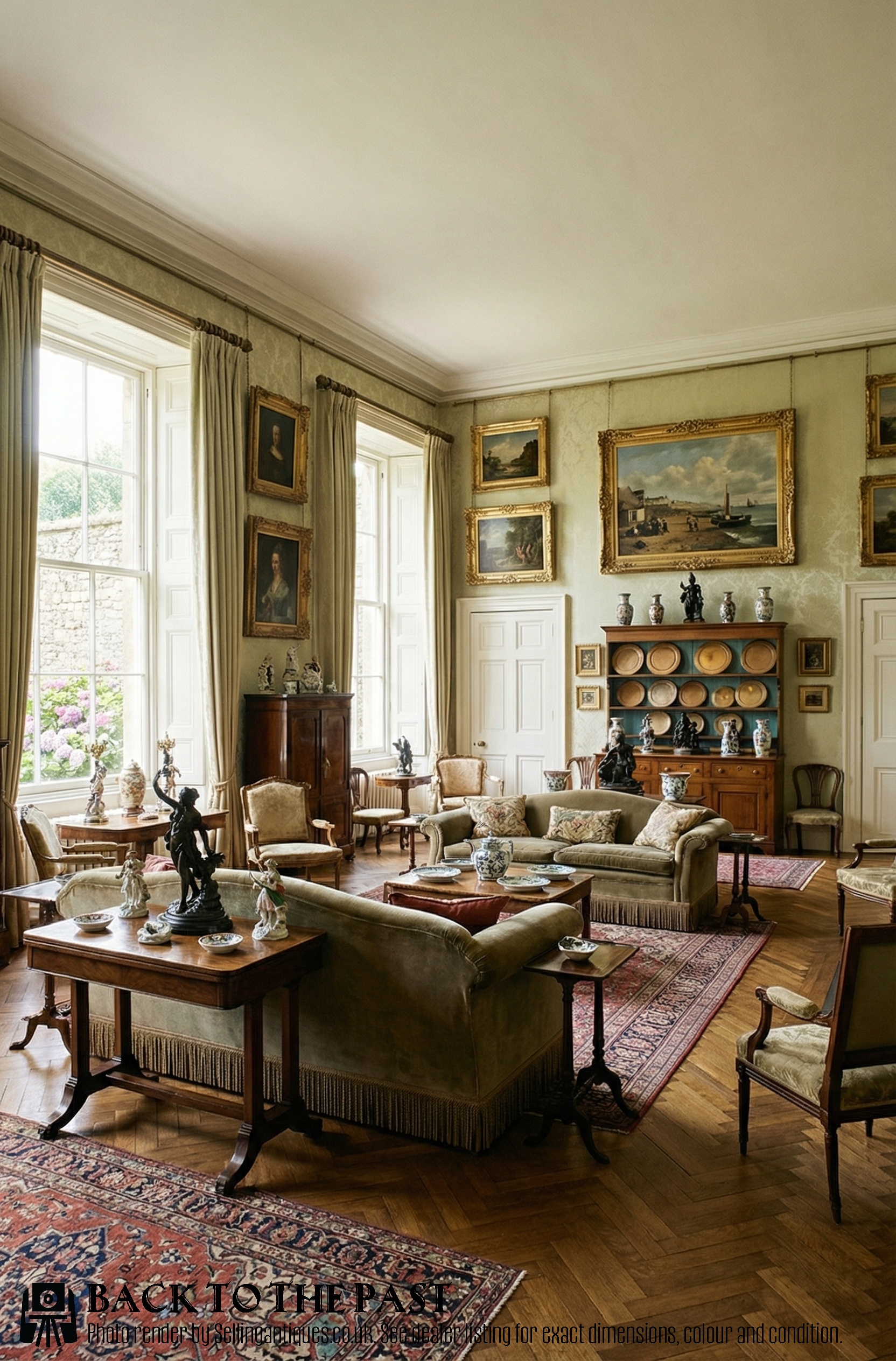
Georgian Pine Dresser
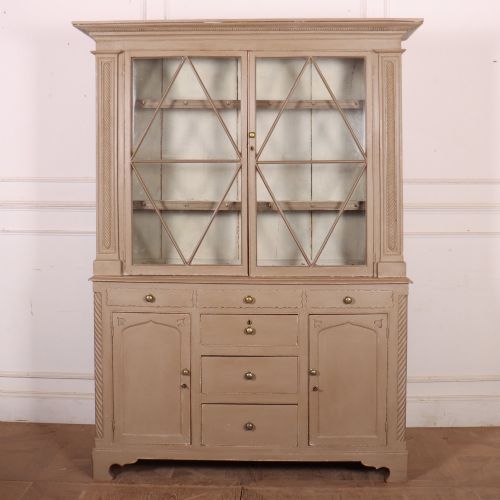
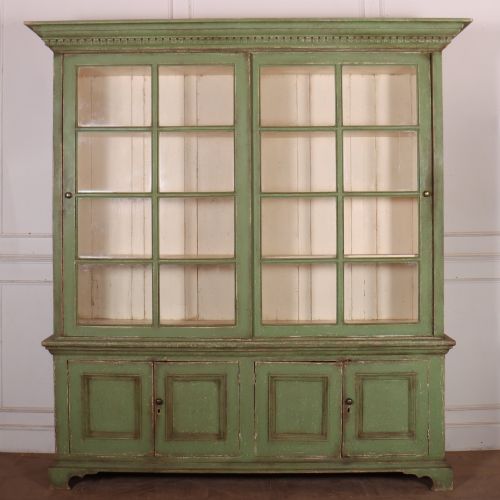
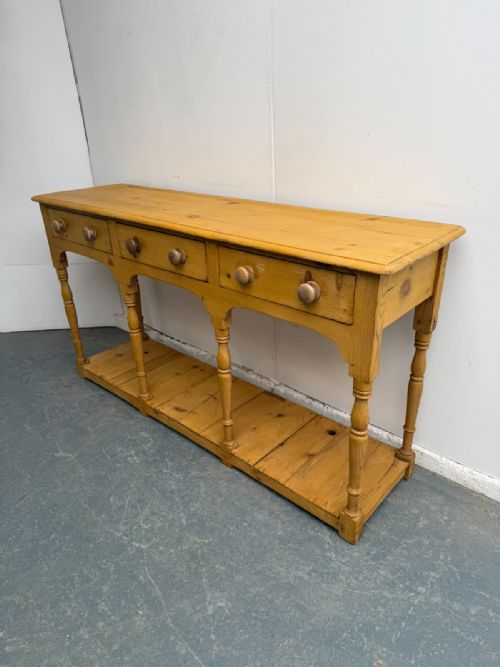
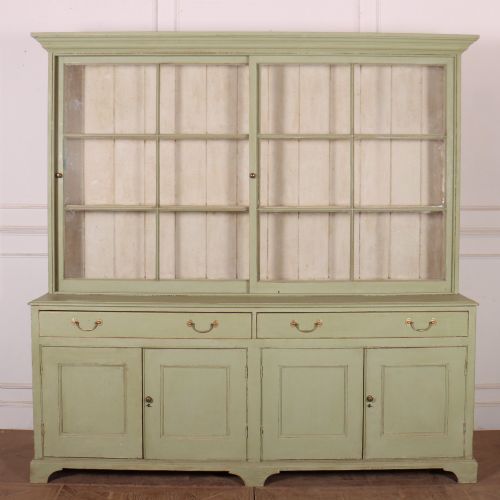
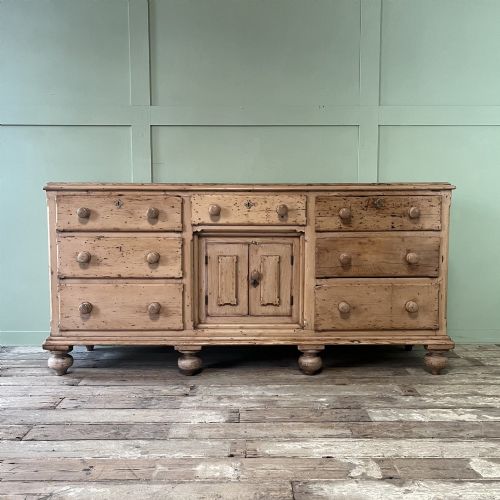
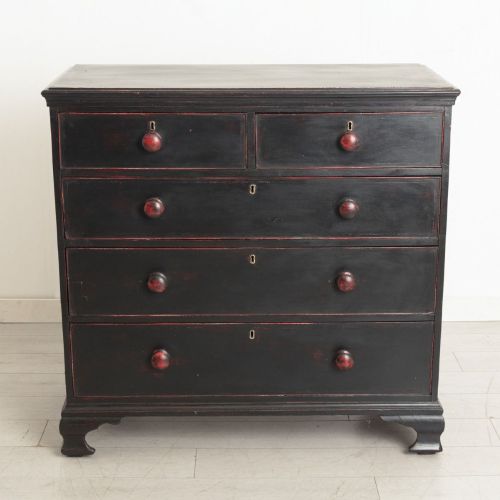
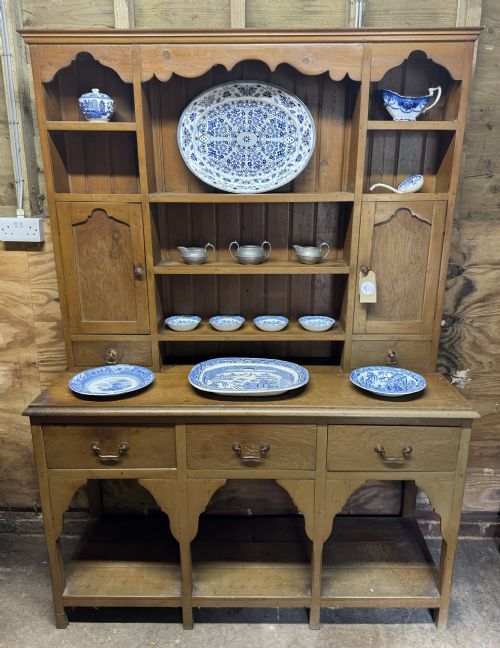
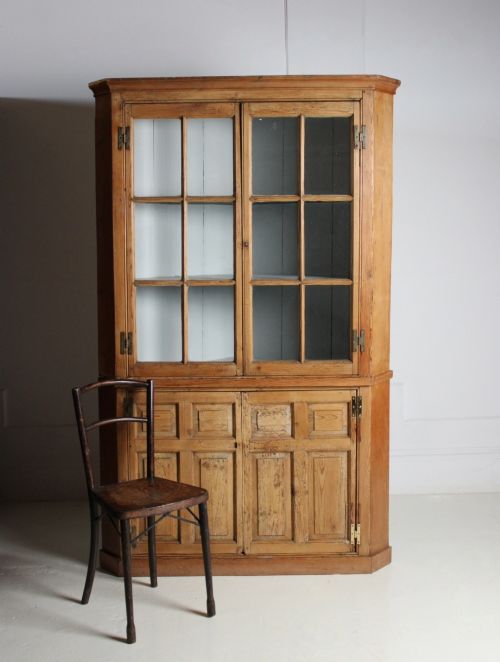
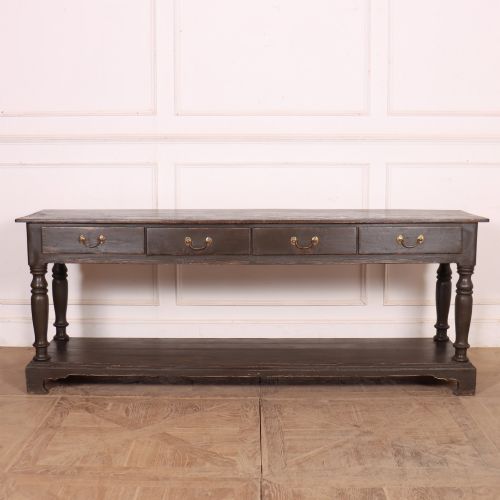
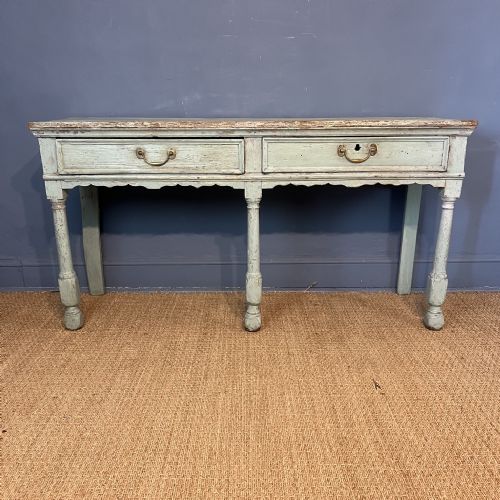
When you search for a georgian pine dresser, you are looking at practical storage furniture built primarily for eighteenth and nineteenth century domestic use. These pieces range from open-backed plate racks and potboard bases to large kitchen dressers made in regional workshops across England, Wales, Ireland and Scotland.
You will frequently encounter regional variations on this page, including Welsh vernacular forms, West Country styles, and Irish painted examples. They serve as functional storage units featuring cupboards, drawers, and open shelving designed to hold kitchenware and household goods.
Materials and construction methods
Makers utilised pine as the primary timber, often combining it with secondary woods like sycamore or oak for structural elements. Surfaces frequently show layers of original paint, simulated grain, or waxed finishes developed over centuries of use.
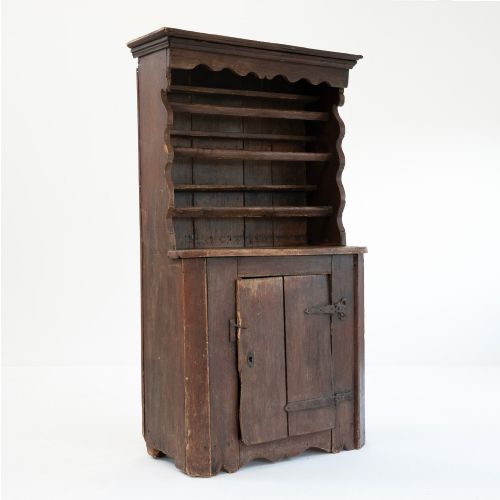
Construction relies on traditional joinery techniques suited to provincial workshops. Many larger examples were built in two parts, separating the upper plate rack from the lower dresser base or cupboard for transport and installation.
Georgian Pine Dresser Retail Price Guide 2026
Typical asking prices for georgian pine dresser among the pieces listed under this phrase on Sellingantiques today, from the lower quarter to the upper quarter. They describe what is for sale here now, not the wider market.
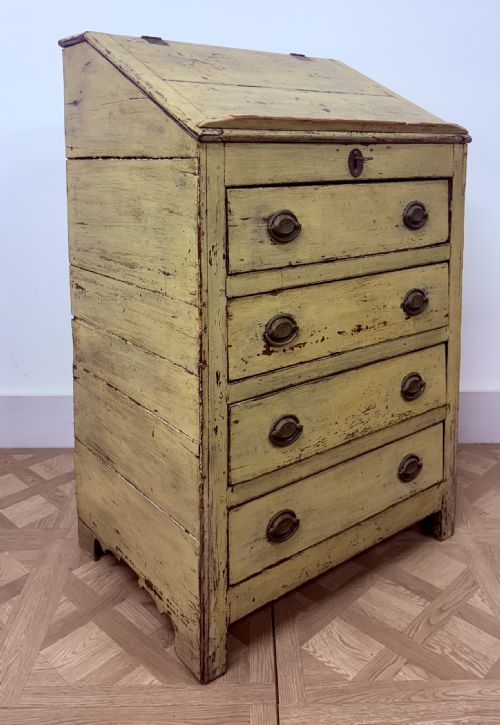
One cheerful survivor on the market is an amazingly painted green cupboard sporting both three drawers and a single door.
Factors of quality and survival
The degree of surface preservation dictates much of the character in these pieces. Examples retaining their original paint or early unstripped waxed surfaces hold greater historical integrity than those stripped down to bare wood in later periods.
Proportion and regional vernacular detailing also separate standard utility items from finer workshop output. Untouched structural originality, such as retained bracket feet and original hardware including brass pulls, marks the upper tier of surviving examples.
The Georgian Pine Dresser Glossary
- Potboard dresser base
- A dresser base featuring a low open shelf near the floor, traditionally used for storing pots and heavy kitchen utensils.
- Plate rack
- The upper section of a dresser fitted with open shelves and vertical slats designed to display plates upright.
- Vernacular style
- Furniture designed and built by local country makers using regional traditions rather than metropolitan academic designs.
- Original patina
- The surface texture, colour and wear accumulated on a piece through age and use over generations.
- Breakfront
- A piece of furniture where the central section projects forward from the flanking outer sections.
Georgian Pine Dresser: Frequently Asked Questions
How were these dressers used originally?
These pieces formed the working heart of historic kitchens and sculleries. The open plate racks and shelves displayed everyday ceramic tableware, while the drawers and cupboards below stored food, linens, and cooking utensils.
In many country houses and farmhouses, the dresser acted as a central hub for food preparation and household organisation. Their robust construction allowed them to handle heavy daily domestic demands for generations.
Where did regional styles develop?
Distinct regional characteristics evolved because local provincial cabinetmakers relied on native timbers and specific community traditions. Welsh, Irish, Scottish, and West Country workshops each developed their own preferences for proportions, foot shapes, and cupboard layouts.
These local variations mean a piece from Dorset often looks quite different from one made in Tregaron or rural Scotland. Examining the construction details helps link a piece to its geographical origin.
Can I use a dresser in a modern kitchen?
A pine dresser adapts easily to contemporary interiors by providing generous vertical storage and display space. The lower base units offer deep drawer and cupboard capacity, while the upper shelves hold modern crockery or glassware.
Their neutral timber tones and painted finishes complement both traditional farmhouse settings and minimalist modern rooms. They function equally well as standalone larders or dining room sideboards.
How do I care for waxed pine surfaces?
Maintenance requires simple dusting with a soft, dry cloth to prevent dirt accumulation. Applying a quality beeswax periodically nourishes the timber and preserves the historic surface sheen without sealing the wood.
Avoid placing pine furniture in direct sunlight or near sudden heat sources to prevent timber movement. Gentle care ensures the original patina continues to develop safely over time.