


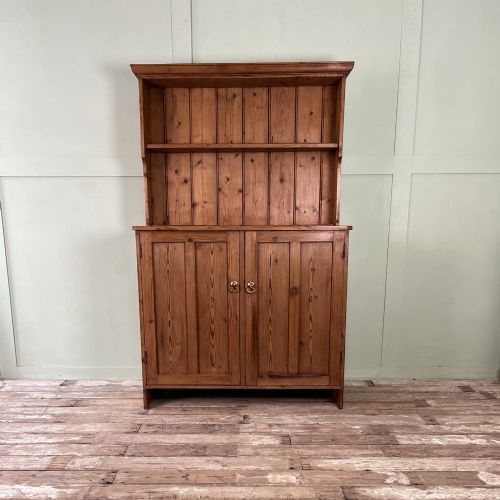
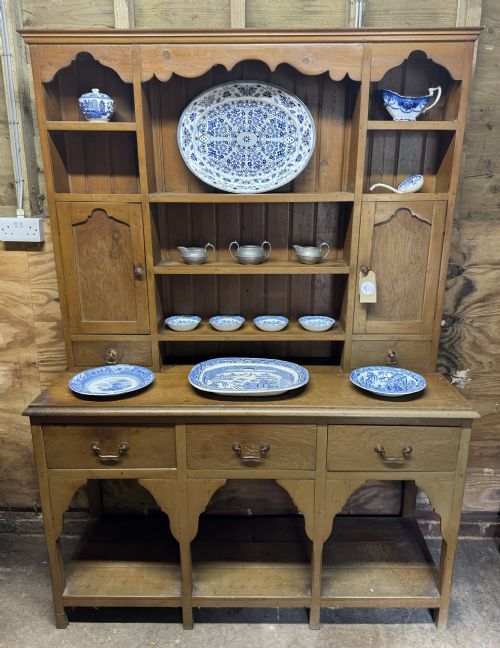
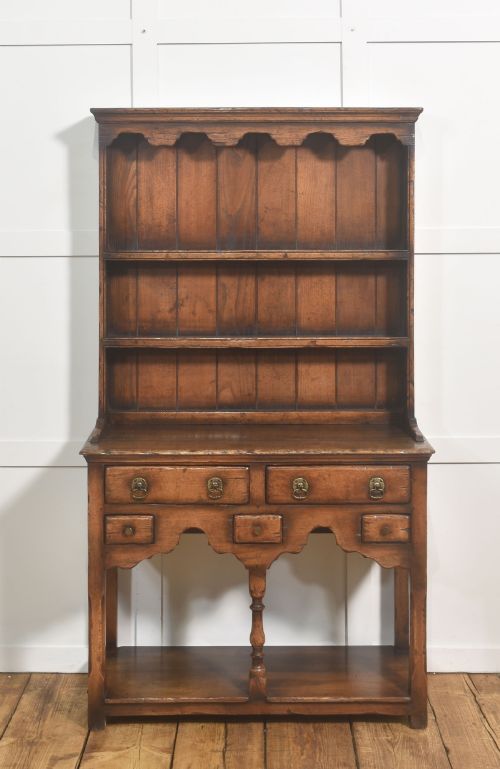

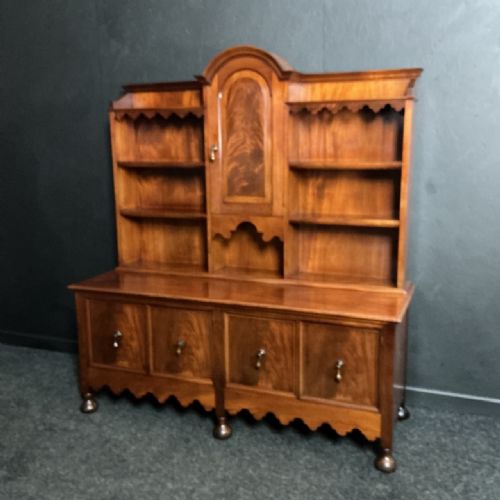

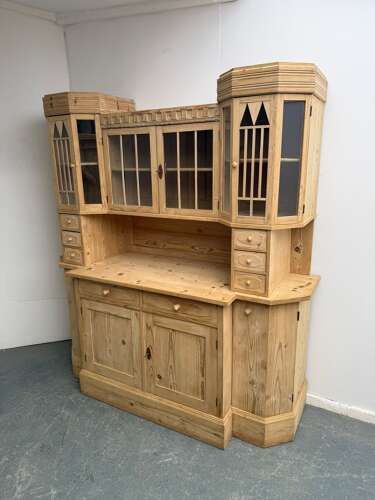
Traditional Kitchen Hutch
Traditional kitchen hutch items are robust storage pieces built for domestic service, bringing practical surface space and display shelving into everyday rooms.

Traditional Kitchen Hutch
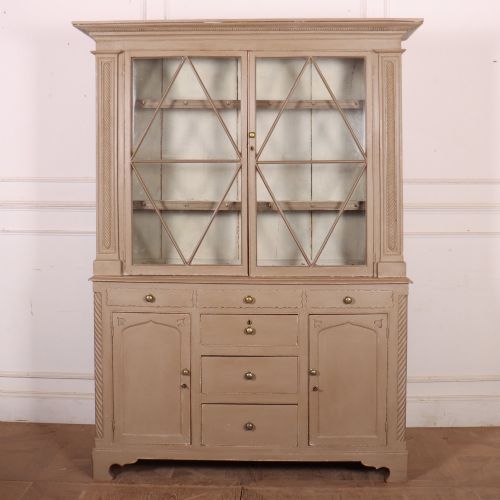
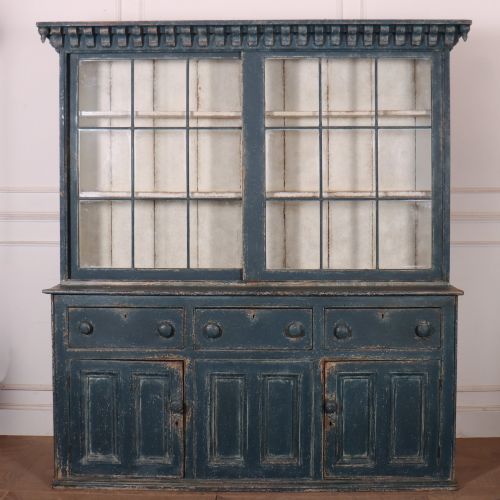
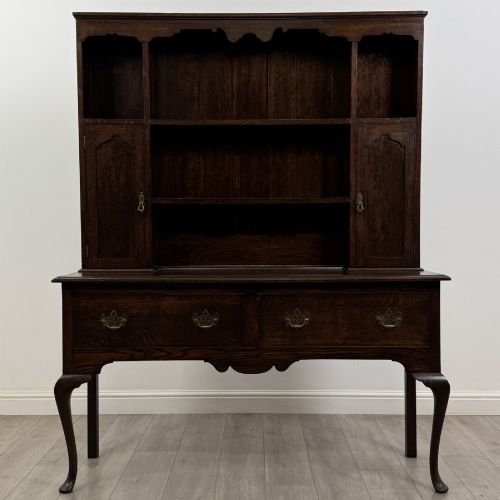
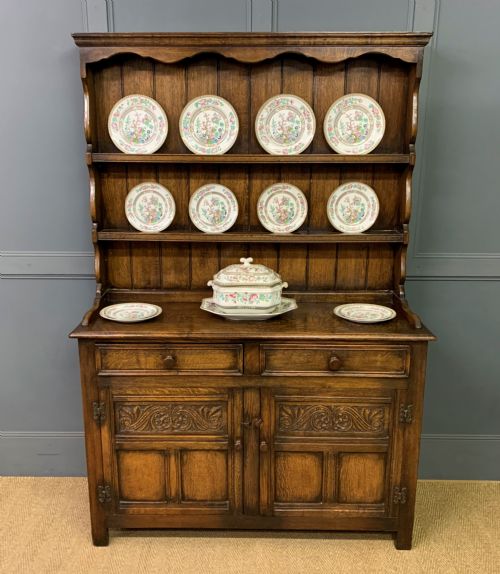
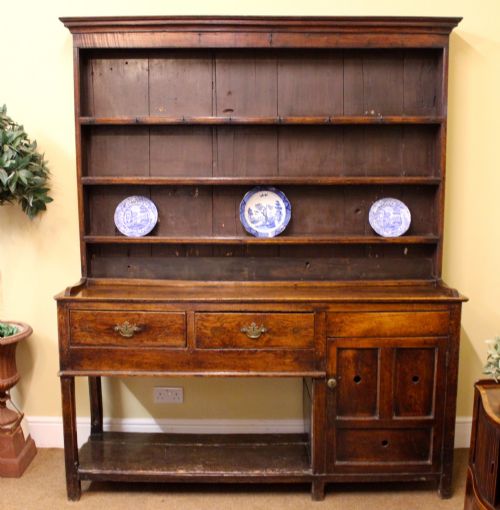
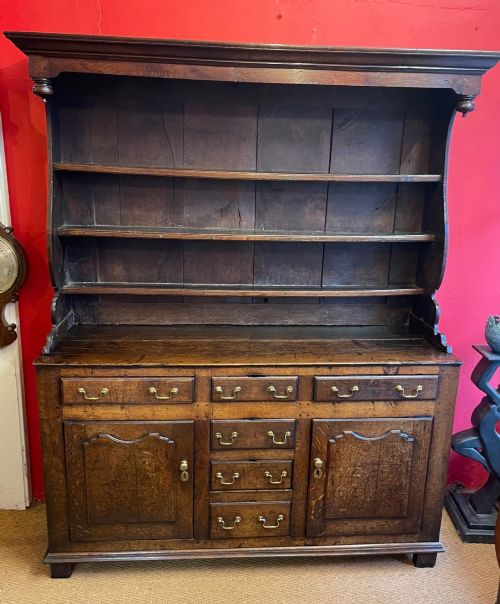
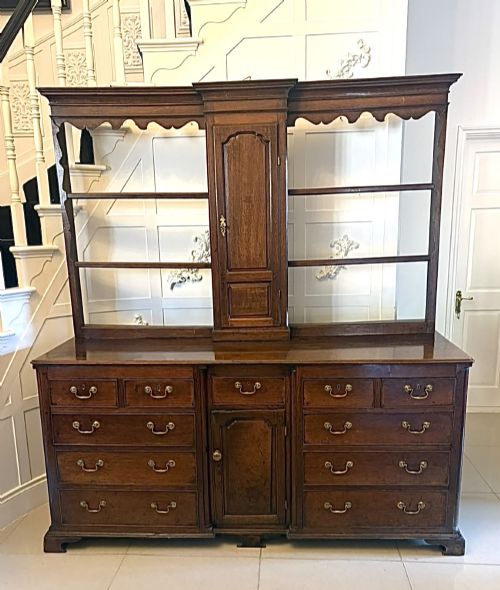
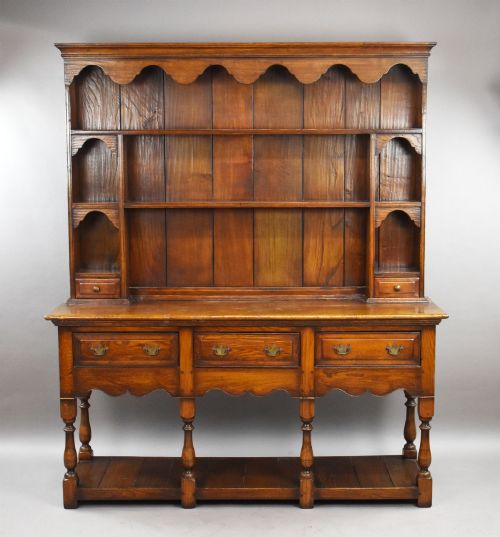
When buyers search for a traditional kitchen hutch, they encounter sturdy wooden storage furniture designed for culinary and dining spaces. These utilitarian pieces typically combine lower cupboards and drawers with open upper plate racks or glazed cabinets.
The examples found on this page span several centuries, with particular strength in eighteenth and nineteenth-century forms. Oak and pine predominate, reflecting regional English, Welsh, and continental workshop traditions.
Most entries function as kitchen dressers or Welsh dressers, offering substantial capacity for tableware and provisions. Buyers regularly find variants featuring breakfront drawers, pot-boards, and original painted finishes.
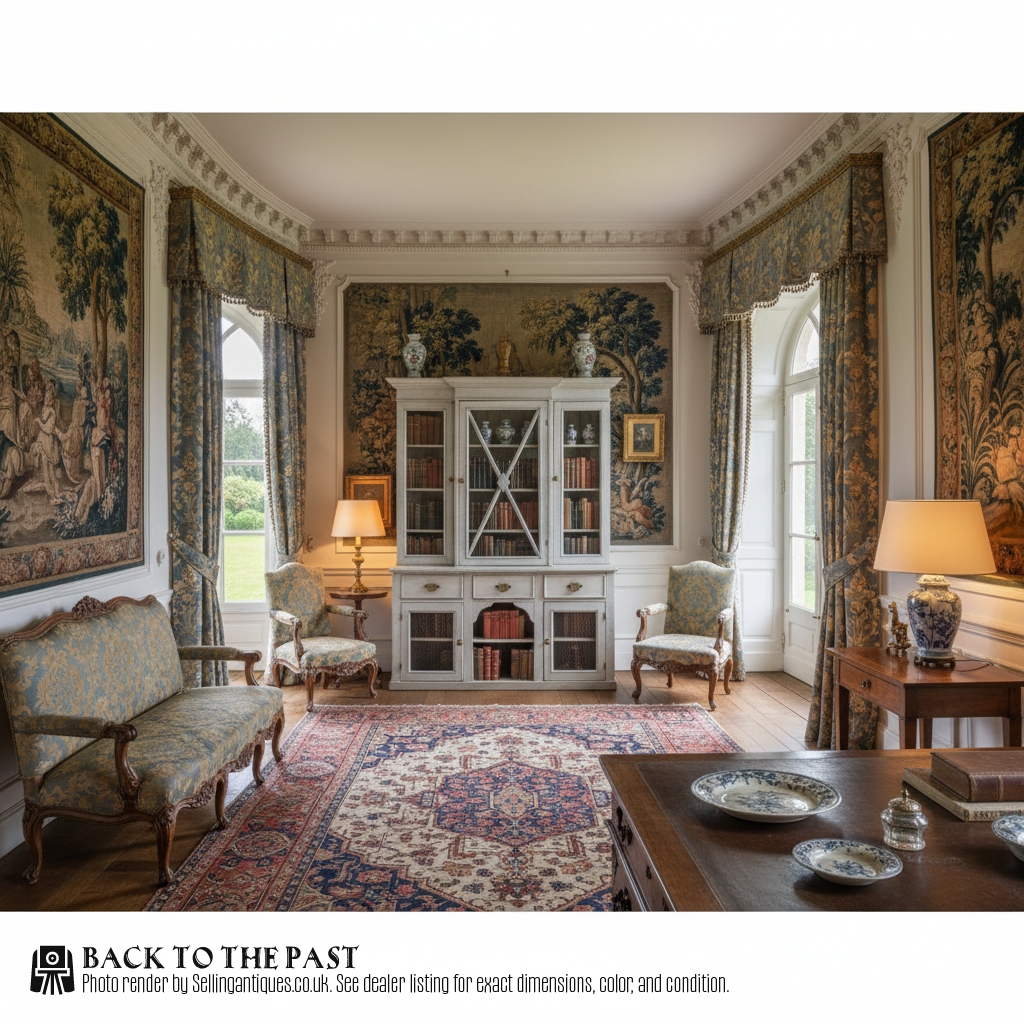
Materials and construction methods
Cabinet makers built these domestic pieces primarily using solid oak and pine, supplemented by mahogany, elm, and walnut for specific elements. Iron, brass, and metal hardware such as handles and hinges secured the doors and drawers during daily use.
Surface treatments range from waxed natural timbers to folk art paint applications and original patinas that record decades of handling. Glazed top sections utilise glass panes held in wooden framing to protect displayed crockery from kitchen dust.
Traditional Kitchen Hutch Retail Price Guide 2026
Typical asking prices for traditional kitchen hutch among the pieces listed under this phrase on Sellingantiques today, from the lower quarter to the upper quarter. They describe what is for sale here now, not the wider market.
Listings feature eighteenth and nineteenth century periods alongside Edwardian and 1930s examples, constructed from oak, pine, mahogany, and walnut.
Distinctions in quality and character
Quality rests upon the integrity of the timber, the retention of original fixtures, and the preservation of authentic surface patination. Pieces retaining their matching upper plate racks demonstrate greater historical completeness than base units separated from their superstructures.
Construction nuance separates standard regional utility items from finer cabinetwork, visible in drawer dovetailing, breakfront configurations, and carved details. Original painted surfaces or untouched waxed finishes significantly elevate the character of country examples.
The Traditional Kitchen Hutch Glossary
- Plate rack
- The open shelving superstructure fixed to the top of a dresser for displaying plates and dishes. This feature allowed wet crockery to air dry after washing.
- Pot-board
- The low wooden lower shelf situated between the feet of early dressers. It provided open storage space for heavy pots and kitchen utensils.
- Breakfront
- A piece of furniture where the central section projects forward from the flanking outer sections. This architectural arrangement adds depth and visual interest to the drawer configuration.
- Patina
- The surface sheen and colour developed by timber over years of handling, polishing, and exposure to light. Original patination serves as an indicator of age and careful preservation.
- Tiger oak
- Oak timber exhibiting a prominent medullary ray figure that resembles tiger stripes. This distinctive grain pattern occurs naturally when quartersawn.
Traditional Kitchen Hutch: Frequently Asked Questions
How do I clean a waxed pine hutch?
Dust the surfaces regularly with a soft, dry cloth to prevent the accumulation of grit and household grime. Apply a quality bees-wax sparingly when the timber appears dry, buffing gently to maintain the natural sheen.
Avoid using modern silicone polishes or abrasive household cleaners, as these agents damage antique wax finishes and alter the patina. Protect the wood from excessive moisture and direct heat sources to prevent warping.
Can I use these pieces in a modern kitchen?
These storage units adapt readily to contemporary rooms, offering practical surface areas and generous shelving for everyday dishware. Their deep drawers and cupboards help organise modern culinary equipment while adding rustic warmth.
Ensure adequate clearance for doors and upper plate racks before placement, and position the furniture away from direct cooker steam or damp walls to protect the historic timber.
How do I identify eighteenth century oak furniture?
Eighteenth century examples exhibit hand-cut dovetails, pegged joinery, and boards sawn with pit saws rather than modern machinery. The oak timber displays dense grain patterns and deep, warm colour acquired through centuries of oxidation.
Hardware such as hand-forged iron hinges and brass pulls often match the period of construction, though replacements remain common on utilitarian kitchen furniture.